The 20 Most Amazing Peaks around Mollet Del Vallès
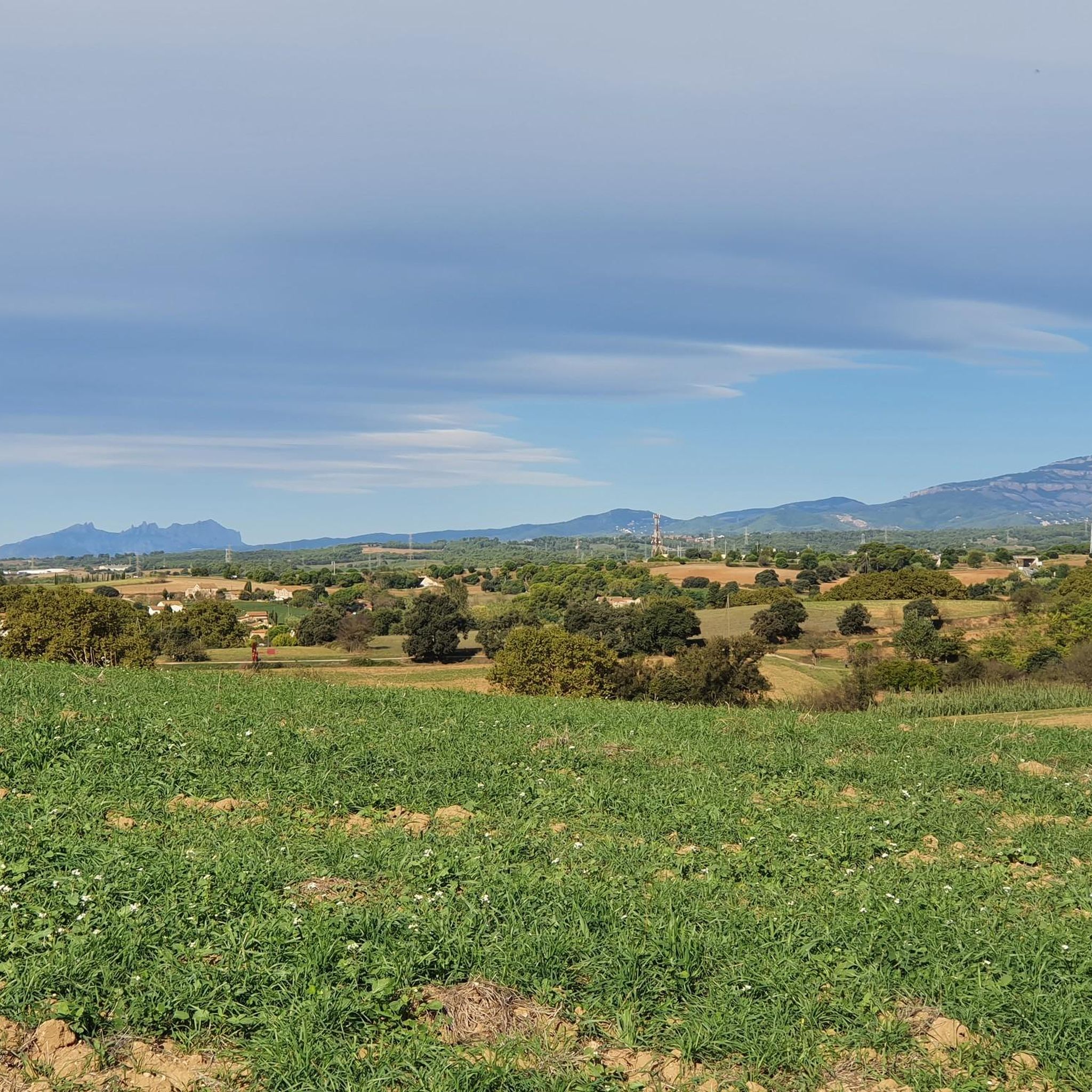
Best mountain peaks around Mollet Del Vallès are found in the surrounding areas, as the municipality itself is situated in the valley of the Besòs river. This location provides access to various mountainous regions, offering diverse natural landscapes and historical sites. The area is characterized by its proximity to the Serralada de Marina and other significant mountain ranges, providing a range of elevations and views. These peaks offer opportunities to explore both natural beauty and cultural heritage within a reasonable…
Last updated: June 23, 2026
La Coscollada Observation Tower
Highlight • Viewpoint
Translated by Google •
Tip by

Puig Castellar Iberian Settlement
Highlight • Historical Site
Translated by Google •
Tip by
Sign up now to discover places like this
Get recommendations on the best single tracks, peaks, & plenty of other exciting outdoor places.
Sign up for free
Turó de Montcada
Highlight • Summit
Translated by Google •
Tip by

Iberian Site of Les Maleses
Highlight • Historical Site
Translated by Google •
Tip by
Montigalá Cross
Highlight • Monument
Translated by Google •
Tip by
Sign up for free to discover even more peaks around Mollet Del Vallès.
Sign up for free
Already have an account?
Start today with a free account
Your next adventure awaits.
Login or Signup
Tips from the Community

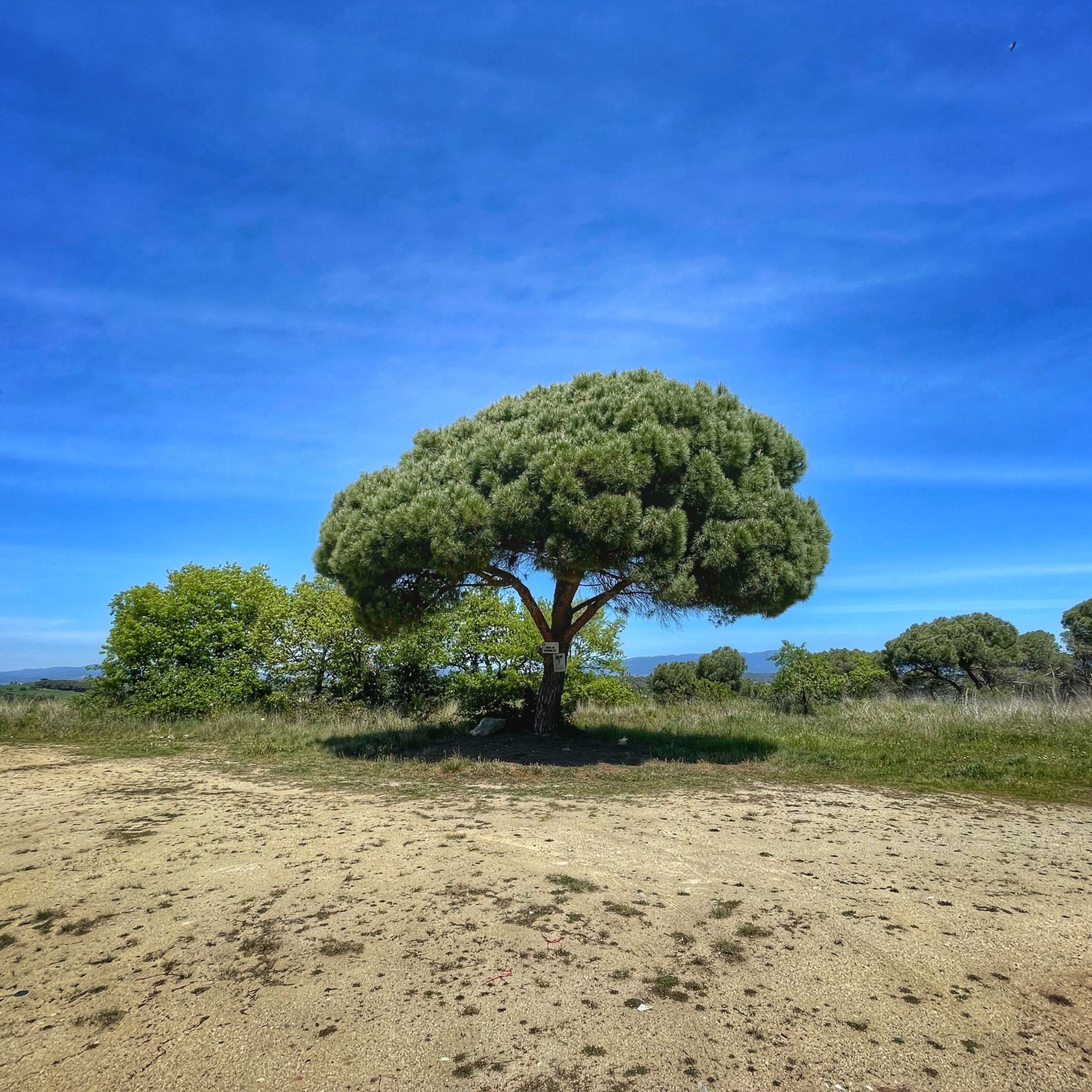
The current cross is the result of several replacements, as wind and storms toppled it more than once. For years it was a popular spot for pilgrimages and also served as a makeshift landmark for locals, who used it as a meeting point when the roads were still unmarked. Access is easy and consistent, and the open view explains why this hill has always been a landmark for anyone traveling through the area.
0
0

The Cruz de Montigalá is an icon of the city of Badalona. From here there are beautiful panoramic views of a large part of the Serralada de Marina, Badalona and Barcelona.
19
0

In a fairly good state of conservation you can see the foundations of what this town was. The signs posted perfectly explain each place.
2
0
The Iberian village of Puig Castellar is located in the Serralada de Marina park, at the top of the 303 m high Pollo hill, with an area that must slightly exceed 4,000 m2. The magnificent defensive and control conditions of the territory suggest that it must have been an important town. This location allowed him the vision and communication with the nearby settlements, since he controlled an important stretch of the coastline, the mouth of the Besòs, the plan of Barcelona and the passage inland, towards the Vallès. It was occupied from the 6th century BC until the beginning of the 2nd century BC and belonged to the Laietans people, who inhabited the territory that extended approximately from the Llobregat river to the Tordera and inland through the valley of the Llobregat and the Vallès.
1
0

Short climb but very intense the last two hundred meters, somewhat hard, good views from the top.
1
0

Interesting place with remains of an Iberian settlement from where impressive 360° views are commanded. You can see the Pyrenees on clear days.
2
1
Iberian town with wide views
2
0

The cross is about 4 meters high. The first cross, designed by the architect Joan Amigó, was placed on September 28, 1913 but was destroyed during the Civil War, and was erected again, in reinforced concrete. There are great views from here.
7
0
Frequently Asked Questions
What are some of the most popular viewpoints among the mountain peaks near Mollet Del Vallès?
For expansive panoramic views, consider visiting La Coscollada Observation Tower, which offers vistas of the Pyrenees, Montseny, coastal mountains, and the Mediterranean Sea. Another excellent spot is Turó de Montcada, providing a 360-degree view of the Vallès and Barcelonès plains, along with the Marina and Collserola mountain ranges.
Are there any historical sites located on mountain peaks near Mollet Del Vallès?
Yes, the region offers significant historical sites atop its peaks. The Puig Castellar Iberian Settlement, at 303 meters high, provides insights into ancient communities and views of the coastline and Barcelona plain. Another notable site is the Iberian Site of Les Maleses, located on a hill in the Marina mountain range, where you can explore the remains of old houses and ceramic materials.
What are some of the highest and most challenging peaks accessible from Mollet Del Vallès?
For a more challenging ascent, La Mola, at 1,102 meters, is the highest mountain in the Sant Llorenç del Munt i l'Obac Nature Park, featuring distinctive cliffs and a Romanesque monastery. Even higher is Sant Jeroni, the highest peak of the iconic Montserrat mountain at 1,236 meters, known for its dramatic rock formations and spectacular views of the Pyrenees on clear days.
What kind of natural features can I expect to see on these mountain peaks?
The mountain peaks around Mollet Del Vallès offer diverse natural beauty. You'll encounter lush forests, unique rock formations like those found on La Mola and Montserrat, and the origins of streams such as the Canyet at the base of La Coscollada. The panoramic views often include vast plains, distant mountain ranges, and the Mediterranean Sea.
Are there family-friendly mountain peaks or easy routes for beginners near Mollet Del Vallès?
While specific 'family-friendly' categories aren't always explicit, peaks like Turó de Montcada (273m) offer accessible hiking opportunities with moderate height, suitable for those seeking local scenic views without extreme difficulty. The climb to La Mola is also generally not considered overly difficult, with vehicle access up to 800 meters, making it relatively accessible for many.
What outdoor activities can I do near these mountain peaks?
Beyond hiking to the peaks, the area around Mollet Del Vallès offers various outdoor activities. You can explore numerous running trails, including those in the Gallecs Rural Area. For cycling enthusiasts, there are road cycling routes and gravel biking routes that traverse the scenic landscapes near the mountains.
What do visitors enjoy most about the mountain peaks around Mollet Del Vallès?
Visitors frequently appreciate the stunning panoramic views from various summits, such as those from La Coscollada Observation Tower, which allow them to see vast stretches of the region, including the Pyrenees and the sea. The combination of natural beauty with historical significance, like the Iberian settlements, also makes these peaks particularly appealing.
Can I find any man-made monuments or religious sites on these peaks?
Yes, you can. The Montigalá Cross is an iconic man-made monument offering beautiful panoramic views of the Serralada de Marina, Badalona, and Barcelona. Additionally, the Romanesque monastery of Sant Llorenç is located at the summit of La Mola, combining natural beauty with historical and religious interest.
What is the best time to hike the mountains near Mollet Del Vallès?
The region generally offers pleasant hiking conditions for much of the year. Spring and autumn are often ideal, with milder temperatures and vibrant landscapes. However, many trails are accessible year-round, though it's always wise to check local weather conditions, especially for higher peaks, and be prepared with appropriate gear.
Are there any specific tips for visiting the Iberian settlements on the peaks?
When visiting historical sites like the Puig Castellar Iberian Settlement or the Iberian Site of Les Maleses, it's recommended to wear firm hiking boots and bring plenty of water, as paths can be narrow and exposed. A windbreaker jacket can also be useful, as it can get windy at higher elevations.
How accessible are the mountain peaks from Mollet Del Vallès by public transport?
While Mollet Del Vallès itself is in a valley, many of the surrounding mountain areas are reasonably accessible. For example, the Sant Llorenç del Munt i l'Obac Natural Park, home to La Mola, has routes that can be reached by public transport to nearby towns, followed by hiking. Montserrat, with Sant Jeroni, is also well-connected by train and cable car/funicular to its monastery, from where the hike begins.
Most popular routes around Mollet Del Vallès
Most popular attractions around Mollet Del Vallès

Get inspired with the komoot mobile app


Explore more
See even more amazing summits around Mollet Del Vallès with these guides:
