The best road cycling routes around Sax
4.5
(58)
7,708
riders
19
rides
Road cycling routes around Sax, a town in Alicante, Spain, traverse diverse landscapes characterized by mountainous terrain and natural features. The region offers well-paved surfaces suitable for road cycling, with routes featuring challenging climbs and descents. Cyclists can explore areas with significant elevation changes, including passes that ascend over 1,000 meters above sea level. The landscape also includes natural areas like the El Plano pine forest and historical landmarks.
Best road cycling routes around Sax
- The most popular road cycling…
Last updated: June 28, 2026
3.0
(1)
53
riders
44.4km
02:19
780m
780m
Moderate road ride. Good fitness required. Mostly well-paved surfaces and easy to ride.
31
riders
80.7km
03:52
1,040m
1,040m
Hard road ride. Very good fitness required. Some segments of this route may be unpaved and difficult to ride.

Sign up for free
3.0
(1)
57
riders
46.6km
02:04
240m
240m
Moderate road ride. Good fitness required. Some segments of this route may be unpaved and difficult to ride.
5.0
(1)
17
riders
71.6km
03:20
830m
830m
Moderate road ride. Good fitness required. Mostly well-paved surfaces and easy to ride.
17
riders
94.2km
04:11
710m
710m
Moderate road ride. Good fitness required. Some segments of this route may be unpaved and difficult to ride.
Get access to more routes and recommendations from other explorers.
Sign up for free
Already have an account?
Our route recommendations are based on thousands of hikes, rides, and runs completed by other people on komoot.
Start today with a free account
Your next adventure awaits.
Login or Signup
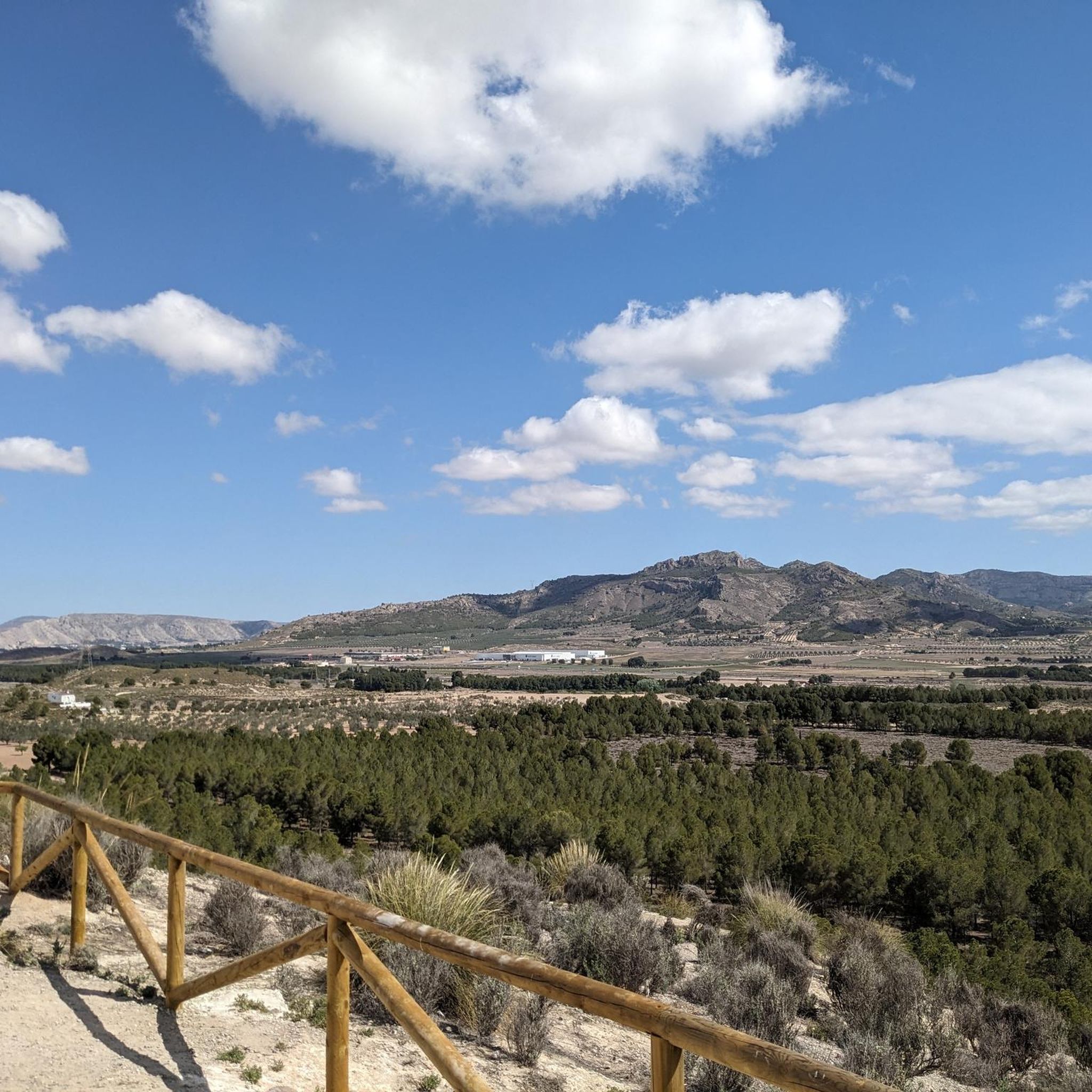
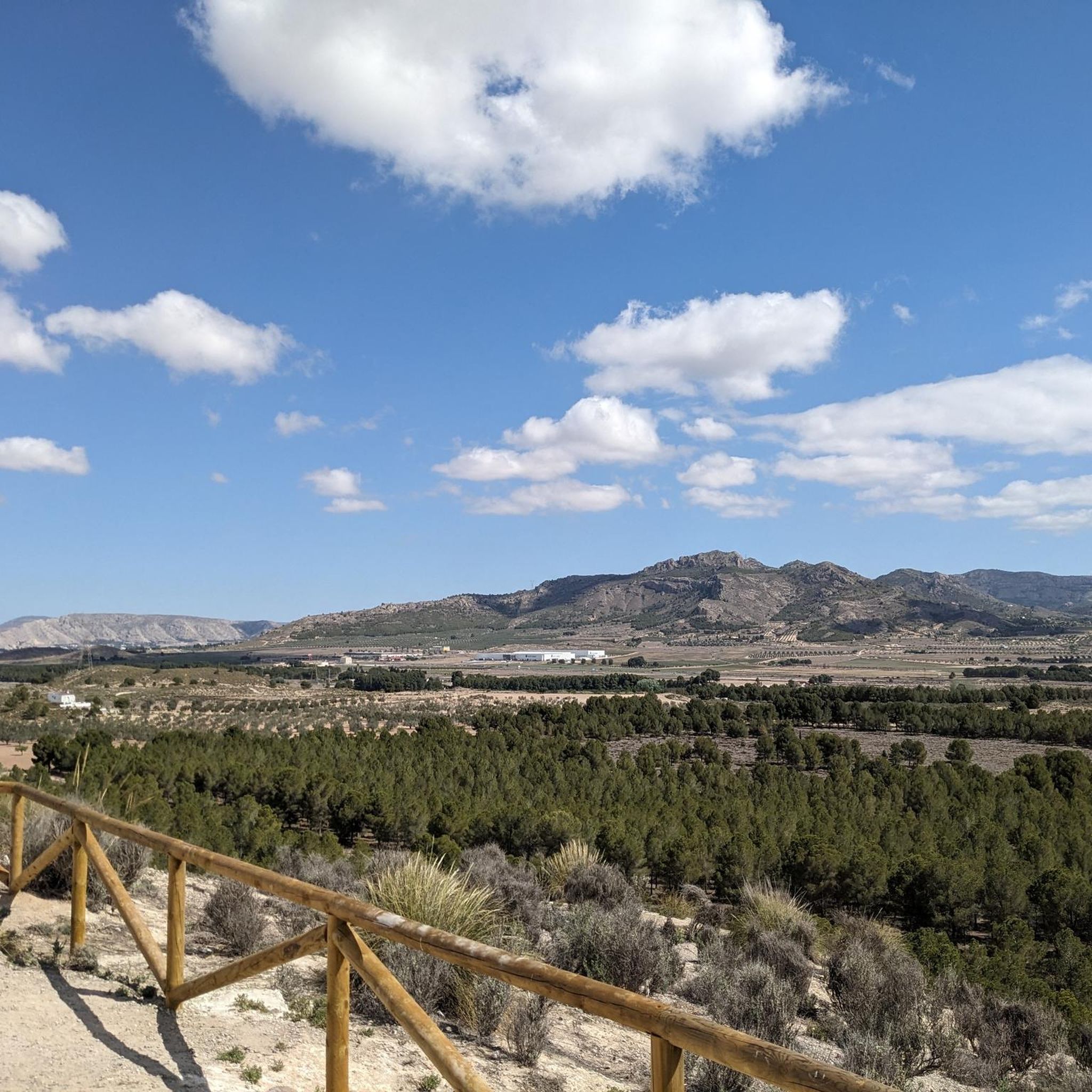
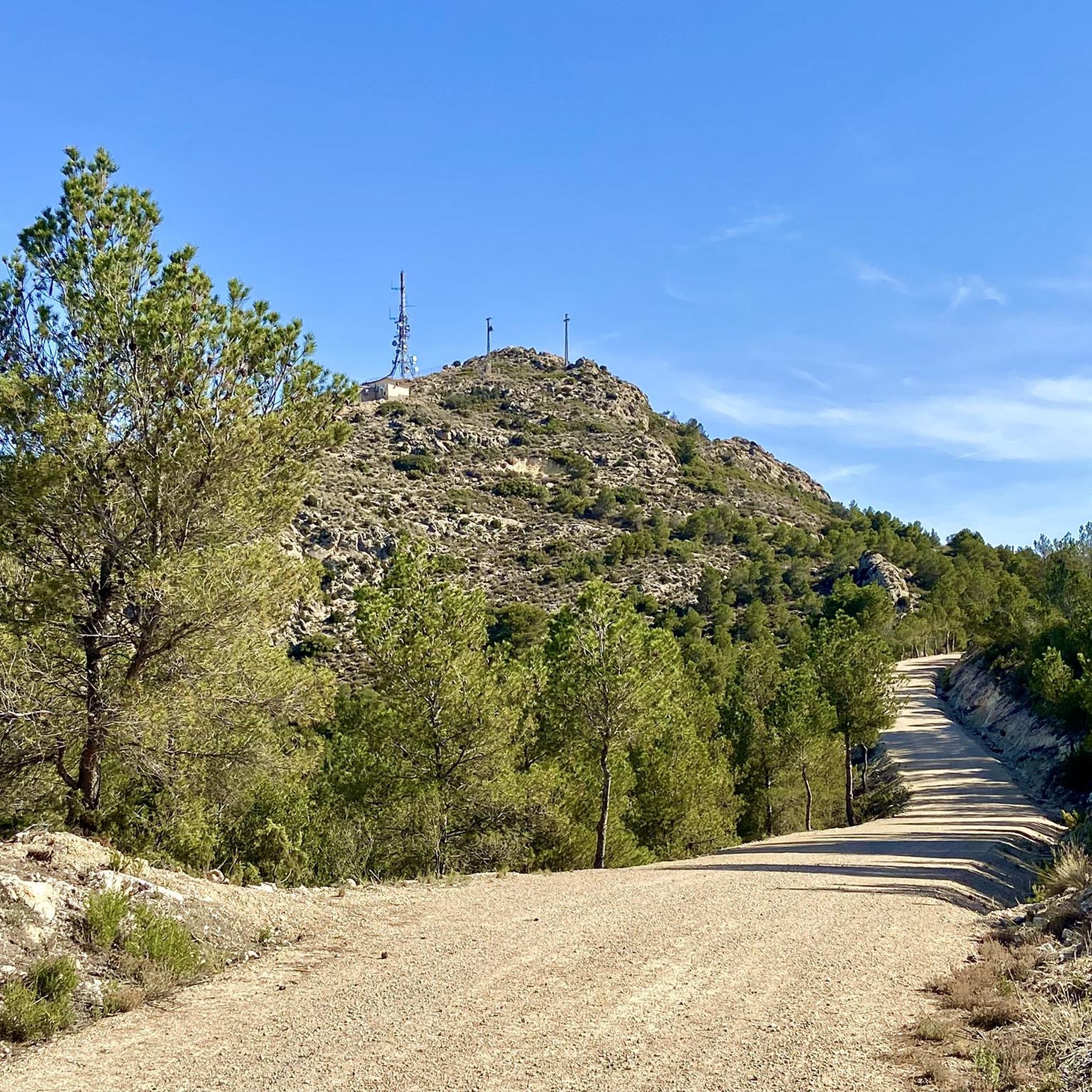

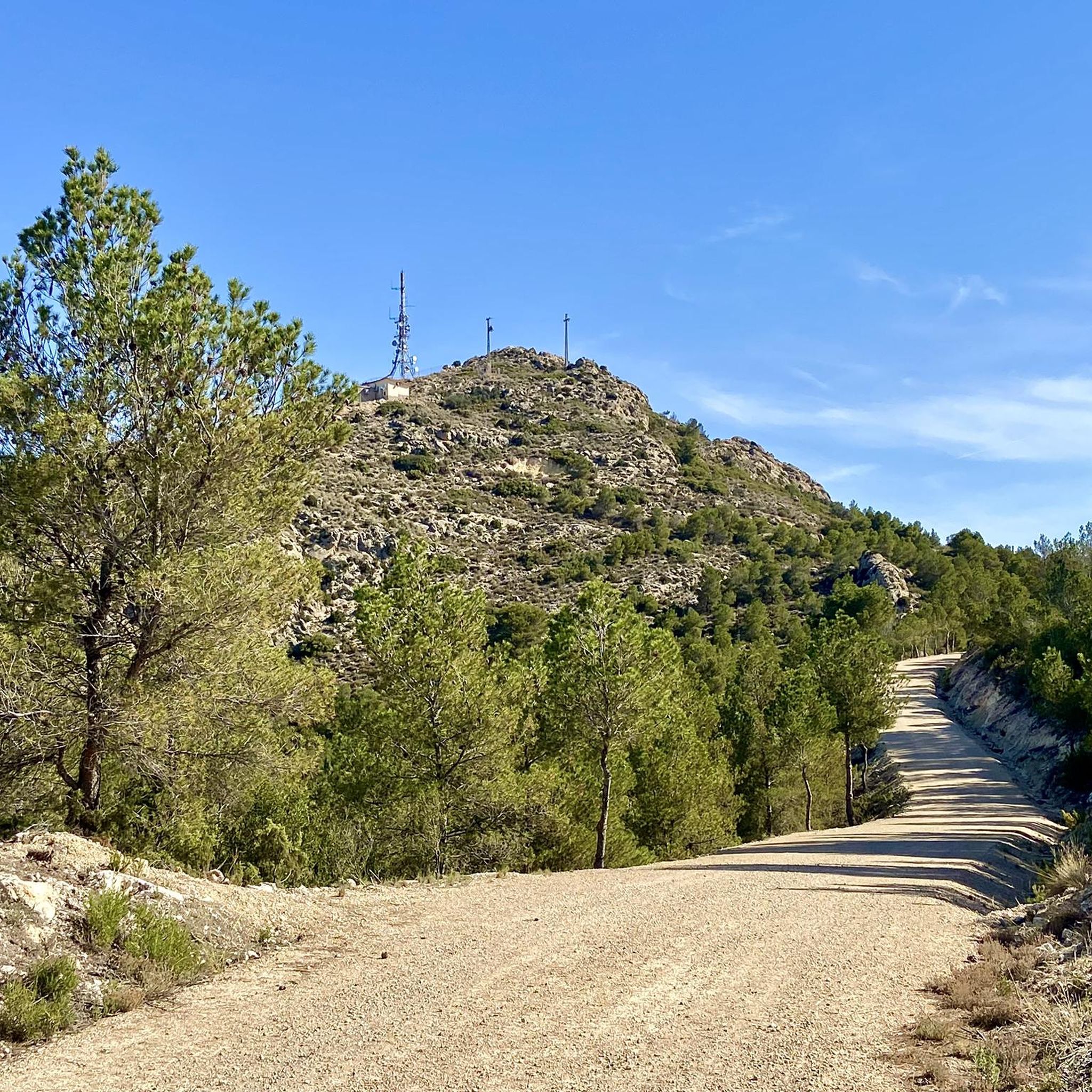
Tips from the Community

You can still find some pretty old buildings and authentic Spanish life here. However, it's a bit more difficult to find a restaurant on Mondays.
2
0

The Church (Hermitage) of Santa Eulalia, located in the Santa Eulalia Colony, between Sax and Villena (Alicante, Alto Vinalopó). It forms part of an agricultural colony built in the late 19th century, declared a Site of Cultural Interest (ethnological) in 2016. It is situated in an area between Sax and Villena, near the Acequia del Rey irrigation canal and the Vinalopó River. The hermitage is located in one of the colony's two main squares, surrounded by houses, factories (flour and alcohol), a theater, a casino, and a train station. The current hermitage was built in 1891, on the site of an earlier medieval one, commissioned by the Count of Alcudia (Antonio de Padúa Saavedra). It is a simple rectangular building with a double-arched bell gable built around 1900; each arch housed bells on its lower level.
2
0
Villena is a jewel of inland Alicante, perfect for a cultural, historical, and gastronomic getaway. Monuments and Heritage Atalaya Castle: A 12th-century Almohad fortress, a symbol of the city. It offers spectacular views and guided tours. Church of Santiago: With its spiral columns, it is one of the most unique examples of Levantine Gothic architecture. Church of Santa María: A blend of Gothic and Baroque styles. Chapí Theatre: A cultural landmark with a program of music, theatre, and dance. Town Hall and Santiago Square: The heart of the historic center.
4
0
Church of Santa María (Villena) This church was built in the 16th century on the site of the former main Muslim mosque of Villena, at which time it became the church of El Rabal, the suburb outside the medieval walls of Villena.
11
0
The Church of Mary Help of Christians (Salesians) in Villena. Founded in 1917 along with the Salesian House of Villena. The image of Mary Help of Christians arrived in solemn procession from the Parish of Santa María on May 4, 1918. During the Spanish Civil War, the altars were destroyed, but the building remained intact. It has been a key spiritual and educational center in the city, linked to the Salesian legacy and the figure of Don Bosco.
7
0
Built by the Almohads in the 12th century on San Cristóbal Hill as a defensive fortress on the border between the kingdoms of Castile and Aragon. The inner wall and the two lower floors of the keep date from the Almohad period, featuring vaults unique in Spain, along with those of Biar Castle. The two upper floors and the outer wall with twelve turrets were added in the 15th century. Conquered by James I in 1240. Residence of Don Juan Manuel (author of El Conde Lucanor). It played a role in conflicts such as the War of the Spanish Succession, the Revolt of the Brotherhoods, and the Peninsular War. Declared a Historic-Artistic Monument in 1931 and a Site of Cultural Interest.
7
1
Built by the Almohads in the 12th century on San Cristóbal Hill as a defensive fortress on the border between the kingdoms of Castile and Aragon. The inner wall and the two lower floors of the keep date from the Almohad period, featuring vaults unique in Spain, along with those of Biar Castle. In the 15th century, the two upper floors and the outer wall with twelve turrets were added. Conquered by James I in 1240. Residence of Don Juan Manuel (author of El Conde Lucanor). It participated in conflicts such as the War of the Spanish Succession, the Revolt of the Brotherhoods, and the Peninsular War. Declared a Historic-Artistic Monument in 1931 and a Site of Cultural Interest.
12
0

The Ermita de San Blas in Sax is a small, historic chapel located in the heart of the old town, directly below the castle. It was probably built in the 13th or 14th century and is one of the typical "Ermitas de Reconquista" (reconquest hermitages) built after the Christian reconquest. The building has a simple rectangular floor plan with a later addition of a semicircular chancel and a baroque bell tower above the entrance. The statue of Saint Blas, the patron saint of the town, is venerated inside. The chapel continues to play a central role in the religious and cultural life of Sax. Of particular importance is the annual "Cabildo de San Blas" on December 26th, a traditional gathering that marks the beginning of the patron saint's festivities. In addition, masses are regularly held in honor of the saint. With its historic architecture and picturesque location below the castle, the Ermita de San Blas is an important symbol of Sax's identity and a worthwhile destination for visitors interested in culture.
1
0
Frequently Asked Questions
What kind of terrain can I expect on road cycling routes around Sax?
The region around Sax is characterized by its mountainous terrain, offering a mix of challenging climbs and rewarding descents. Cyclists will find well-paved surfaces and routes that traverse picturesque natural settings, including significant elevation changes and passes that ascend over 1,000 meters above sea level.
Are there routes suitable for less experienced road cyclists in Sax?
Yes, Sax offers a variety of routes for different ability levels. While many routes feature significant climbs, there are 5 easy road cycling routes available. For example, the Good Place to Ride – San Blas Hermitage loop from Sax is a moderate option that covers 27.9 km with a more manageable elevation gain.
What are some notable natural features or viewpoints along the road cycling routes?
Cyclists can experience routes that pass through the significant El Plano pine forest, known for its estimated one million pine trees. A particularly notable feature for road cyclists is the Canalís d'Onil Pass, which ascends over 1,000 meters and offers spectacular landscapes and generally low motorized traffic. You can explore this pass on routes like the Canalís d'Onil Pass – Onil loop from Sax.
What historical landmarks can I see while road cycling near Sax?
Sax is rich in history, and many routes incorporate historical sites. You can cycle past the imposing Sax Fortress, perched atop a mountain with stunning views. The San Blas Hermitage – View of Petrer Castle loop from Sax offers views of the San Blas Hermitage and Petrer Castle. Additionally, the Colonia de Santa Eulalia, an early agricultural-industrial community, is featured on routes such as the Canalís d'Onil Pass – Colonia de Santa Eulalia loop from Sax.
How long are the road cycling routes around Sax?
The road cycling routes around Sax vary in length. For instance, the San Blas Hermitage – View of Petrer Castle loop from Sax is 44.4 km (27.6 miles) and typically takes around 2 hours and 19 minutes. Longer routes, like the Canalís d'Onil Pass – Colonia de Santa Eulalia loop from Sax, stretch to 88.0 km (54.7 miles) and can take approximately 4 hours to complete.
What is the best time of year for road cycling in Sax?
The region around Sax generally offers favorable cycling conditions. While specific seasonal recommendations aren't provided, the mild climate of Alicante province typically makes spring and autumn ideal for road cycling, avoiding the peak heat of summer and potential chill of winter.
Are there any challenging road cycling routes for advanced cyclists?
Yes, for advanced cyclists seeking a challenge, there is at least one difficult-grade road cycling route available around Sax. The mountainous terrain and notable passes like Canalís d'Onil provide ample opportunities for demanding climbs and descents.
What do other road cyclists say about the routes in Sax?
The road cycling routes in Sax are highly rated by the komoot community, with an average score of 3.0 stars from over 3 reviews. More than 310 road cyclists have used komoot to explore Sax's varied terrain, often praising the scenic views and the combination of natural beauty and historical landmarks.
Are there any circular road cycling routes available?
Many of the road cycling routes around Sax are designed as loops, allowing you to start and finish in the same location. Examples include the San Blas Hermitage – View of Petrer Castle loop from Sax and the Canalís d'Onil Pass – Onil loop from Sax, providing convenient options for exploring the area.
What is the overall difficulty level of road cycling in Sax?
Road cycling in Sax offers a range of difficulties. Out of 17 routes, 5 are considered easy, 11 are moderate, and 1 is difficult. This variety ensures that both casual riders and experienced cyclists can find suitable challenges, with many routes featuring significant elevation changes due to the mountainous landscape.
Can I find routes that take me through charming towns or settlements?
Absolutely. Beyond Sax itself, routes can lead you to other charming destinations. For example, the Canalís d'Onil Pass – Onil loop from Sax includes the town of Onil. Another route, the Colonia de Santa Eulalia loop from Loma del Higueral, explores the historic Colonia de Santa Eulalia. The nearby town of Biar, known for its castle and old town, is also a cultural highlight in the region.
Most popular attractions around Sax

Get inspired with the komoot mobile app


Explore more
Browse the best Road cycling routes in other regions.
