Attractions and Places To See around Alcolea Del Río - Top 20
Attractions and places to see around Alcolea Del Río include a blend of historical, cultural, and natural sites. Situated in the Vega del Guadalquivir region of Seville, Spain, the town has Roman origins and is influenced by its Arab past. The Guadalquivir River flows through the area, offering a natural setting alongside agricultural fields. Visitors can explore ancient ruins, historic mills, and significant hydraulic infrastructure.
Best attractions and places to see around Alcolea Del Río
- The most popular attractions is…
Last updated: July 7, 2026
Canal
Highlight • Structure
The Lower Guadalquivir Canal (also known as the Canal de los Presos) is an irrigation canal, hydraulic infrastructure originally intended to irrigate an …
Translated by Google •
Tip by

Puente de Hierro de Lora del Río
Highlight • Bridge
Translated by Google •
Tip by

Sign up now to discover places like this
Get recommendations on the best single tracks, peaks, & plenty of other exciting outdoor places.
Sign up for free
Villanueva del Río y Minas Bridge
Highlight • Bridge
Translated by Google •
Tip by

Archaeological Site of Mulva-Munigua
Highlight • Historical Site
Translated by Google •
Tip by

Huéznar Reservoir
Highlight • Lake
Translated by Google •
Tip by

Sign up for free to discover even more attractions around Alcolea Del Río.
Sign up for free
Already have an account?
Start today with a free account
Your next adventure awaits.
Login or Signup

Tips from the Community

Canal de los presos del bajo guadalquivir: The Lower Guadalquivir Canal (also known as the Canal de los Presos) is an irrigation canal, hydraulic infrastructure originally intended to irrigate an area of 56,000 hectares in the provinces of Seville and Cádiz. It currently irrigates an area of 80,000 hectares that falls under the Community of Irrigators of the Lower Guadalquivir. It was built during the first Franco regime by several thousand political prisoners who were framed in the service of militarized penitentiary colonies, created in September 1939. They were the public works of the Franco regime that "for a long time [from 1940 to 1962] used political prisoners as the main labor force".
6
0
The Puente de Hierro in Lora del Río is a historic iron bridge that was built in 1928 and later restored in 2002 by the Escuela Taller Puente de Hierro. The bridge is 330 meters long and was originally in use until 1992. Today, traffic is prohibited over the bridge due to its limited width and increasing traffic.
7
1


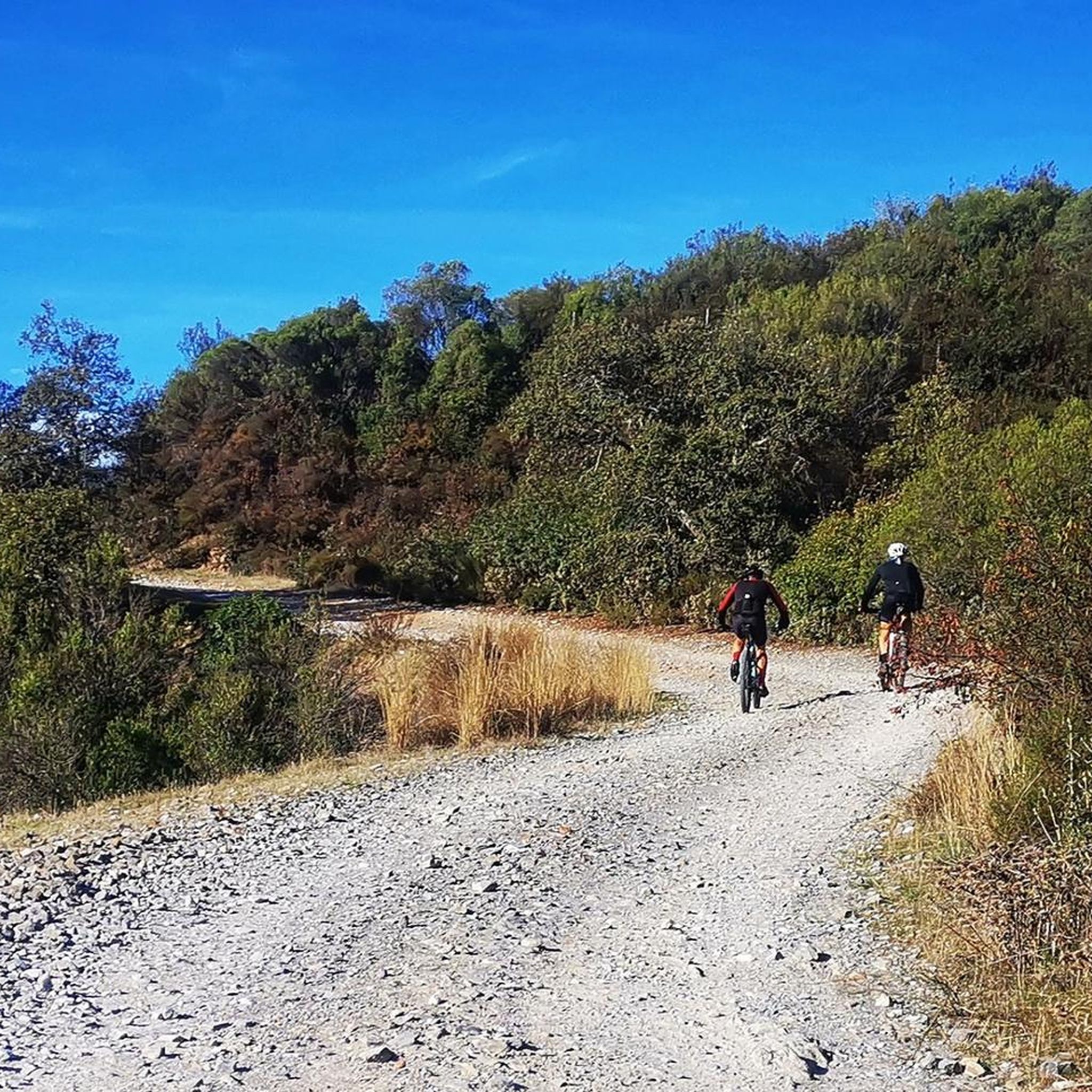
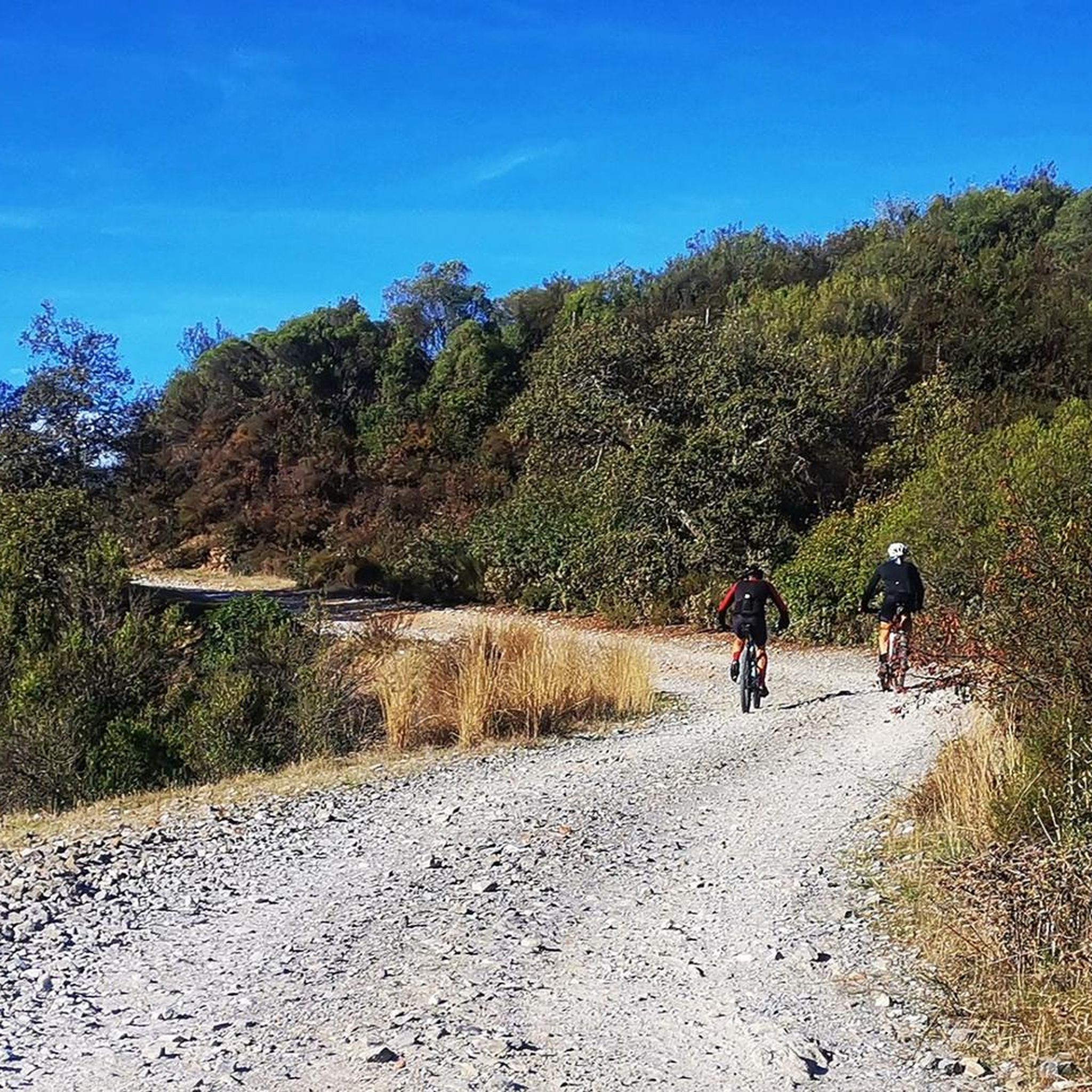
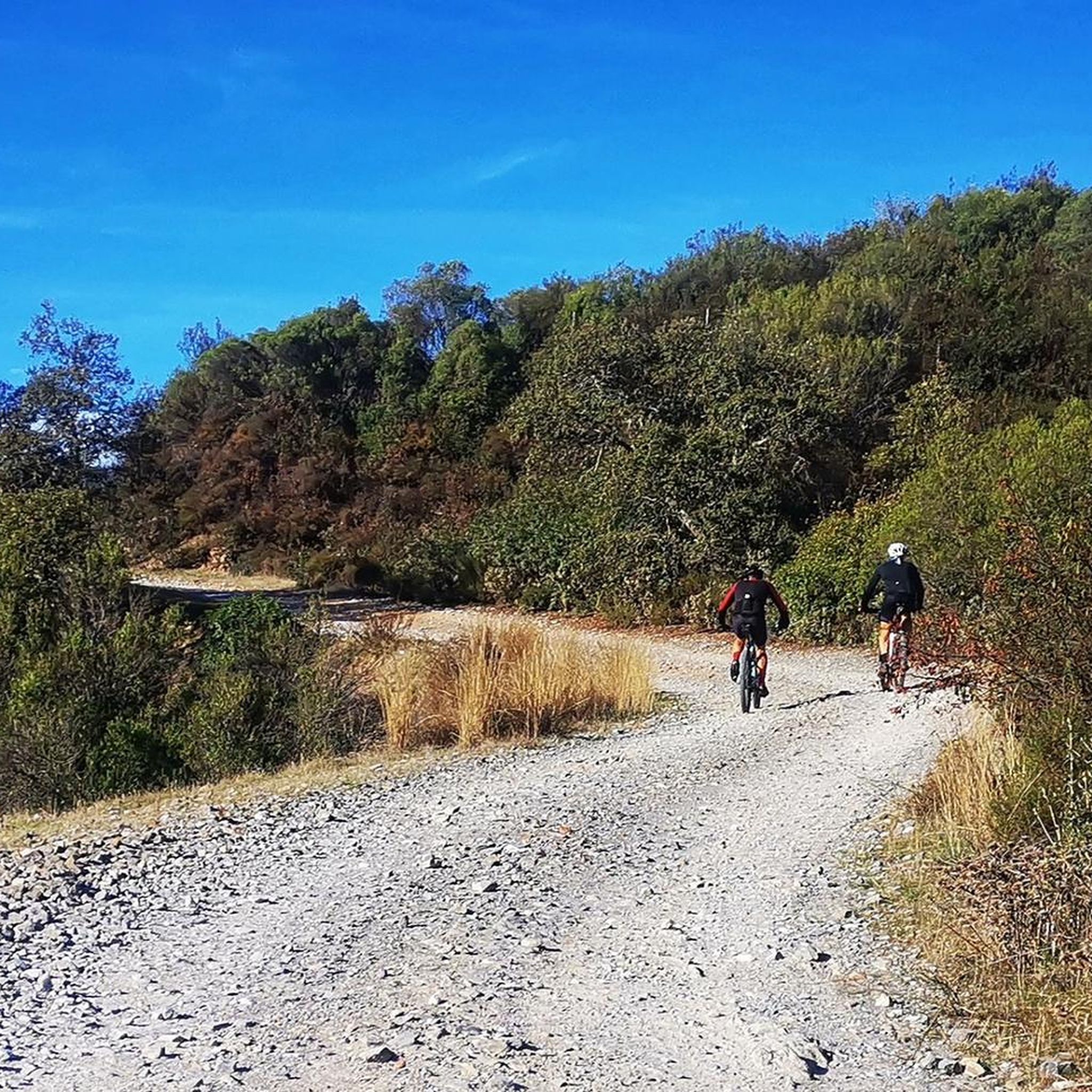
The metal structure of this bridge attracts a lot of attention. The Camino de Santiago passes through here to cross to the other side of the river and link with Lora del Río. If you go by bike, you can visit it and rest on one of the stone benches. This bridge has no exit, it ends at a guardrail next to the road roundabout. If you feel like exploring it you can go all the way, but you will have to go back the way you came, unless you want to lift your bike over the guardrail.
3
1


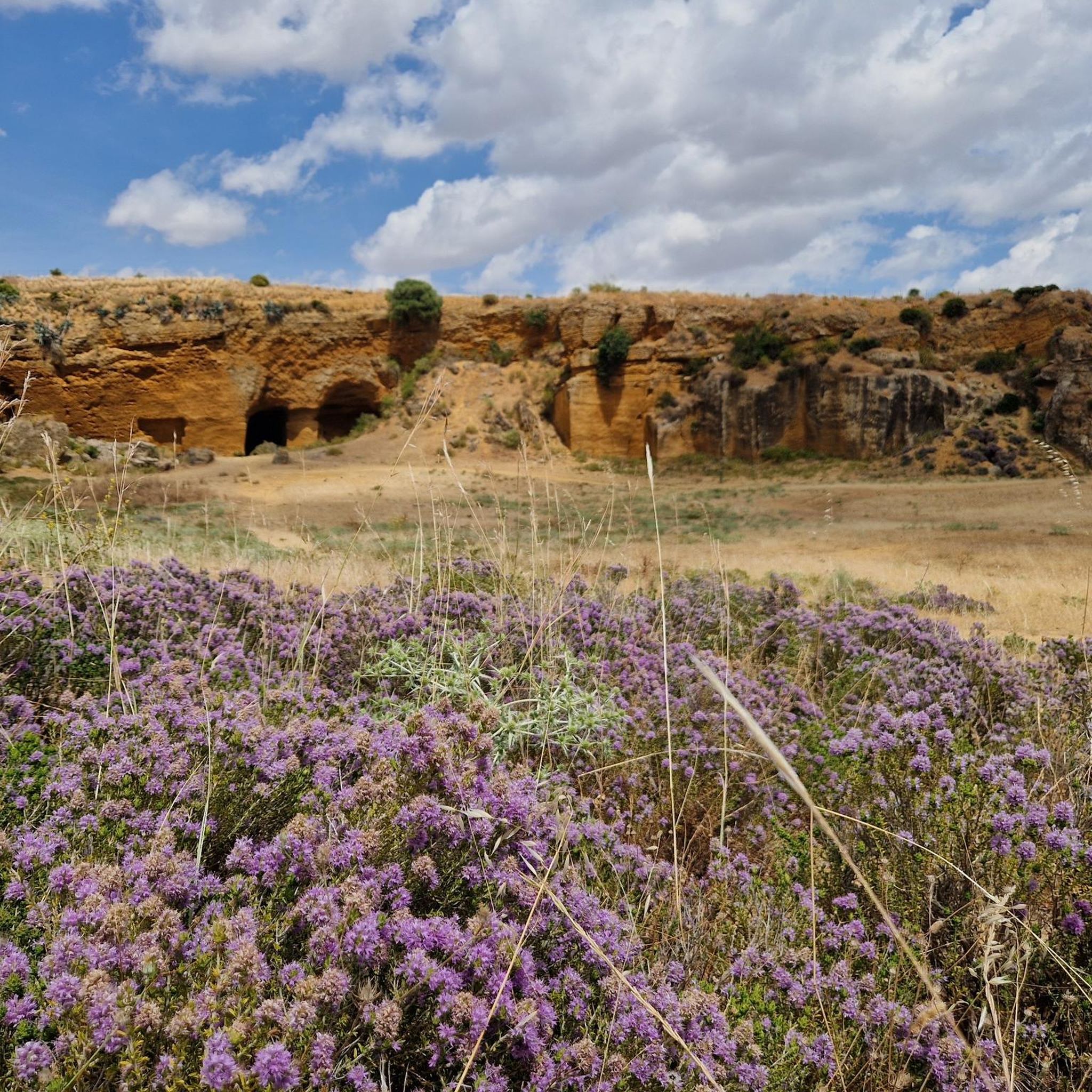
Ancient ruins unusual for their location, as they are quite remote from the town of Villanueva del Río y Minas. However, the old shrine is a beautiful place to see!!
0
0
Beautiful bridge that crosses the Rivera del Huesna at the top of the town of Vilanueva del Río y Minas. White and orange bridge, different but beautiful!
1
0

Bridge built in 1928, rehabilitated in 2002 by the Puente de Hierro Workshop School. It was in service until 1992, now the transit of vehicles is prohibited, due to the narrow width of the bridge and the increase in traffic.
4
1
Frequently Asked Questions
What historical sites can I explore around Alcolea Del Río?
Alcolea Del Río boasts a rich history. You can visit the ancient Archaeological Site of Mulva-Munigua, which was a significant Roman city with temples, a necropolis, and hot springs. The town itself is built upon the Roman settlements of Arva and Canama. Don't miss the historic Puente de Hierro de Lora del Río, an iron bridge from 1928, or the Arab-origin Molinos de la Aceña along the Guadalquivir River.
Are there any natural attractions or scenic viewpoints in the area?
Absolutely. The Guadalquivir River flows through Alcolea Del Río, offering beautiful natural settings and opportunities for walks. You can also visit the Huéznar Reservoir, a dam fed by the Huéznar river, which is easily accessible and part of the natural landscape. The Villanueva del Río y Minas Bridge also offers scenic views over the Rivera del Huéznar.
What kind of outdoor activities can I do near Alcolea Del Río?
The region is ideal for various outdoor activities. You can explore numerous trails for mountain biking, running, and road cycling. For mountain biking, consider routes like the 'Munigua Family Trail' or the 'Lago Azul – Huéznar Reservoir loop'. Runners might enjoy the 'Munigua Ruins Trail'. Road cyclists have options such as the 'Alcolea del Río – Lora del Río loop'. You can find more details on these and other routes in the MTB Trails, Running Trails, and Road Cycling Routes guides around Alcolea Del Río.
Are there family-friendly attractions or activities available?
Yes, several attractions are suitable for families. The Puente de Hierro de Lora del Río and the Villanueva del Río y Minas Bridge are both marked as family-friendly. The Huéznar Reservoir is also a great spot for families to enjoy the outdoors. Additionally, walks along the Guadalquivir River and through the surrounding agricultural fields offer pleasant excursions for all ages.
What is the best time of year to visit Alcolea Del Río for sightseeing and outdoor activities?
Alcolea Del Río is pleasant for visiting in spring (March to May) and autumn (September to November) when temperatures are milder, making it ideal for exploring historical sites and engaging in outdoor activities like hiking and cycling. Summers can be very hot, while winters are generally mild.
What is the Canal de los Presos and can I visit it?
The Canal, also known as the Canal de los Presos del Bajo Guadalquivir, is a significant irrigation canal built during the Franco regime, largely by political prisoners. It's a notable hydraulic infrastructure that irrigates a vast area. While its interior is not typically open for tours, you can observe this historical engineering marvel from various points, such as near Los Rosales or from the 'Carretera Lora del Rio a Guadajoz' road.
Are there any religious or cultural landmarks in the town of Alcolea Del Río itself?
Within Alcolea Del Río, you can find the Mudejar-style Parroquia de San Juan Bautista, dating back to the 14th century, which houses an 18th-century altarpiece. The charming 18th-century Capilla del Cristo de la Vera Cruz is also a site of popular devotion. The Pósito, an 18th-century granary, and the Cuartel Viejo de Alcolea del Río are other points of interest.
Where can I find information about local events or festivals?
Alcolea Del Río hosts several events throughout the year. A notable event is the Medieval Market, usually held in late November or early December, which transforms the town. The Gran Premio de Atletismo is a running event in September, and the Rosario Pilgrimage (Rose Festival) is a traditional and anticipated festival. For specific dates and details, it's best to check local tourism resources or the town's official website closer to your visit.
What are some unique features of the bridges in the Alcolea Del Río area?
The bridges in the area are quite distinctive. The Villanueva del Río y Minas Bridge is noted for its unique white and orange arch structure over the Rivera del Huéznar, with a park at its base. The Puente de Hierro de Lora del Río is a historic iron bridge from 1928, recognized for its metal structure and its role as part of the Camino de Santiago route.
Are there any easy walking trails suitable for beginners or casual strolls?
Yes, the flat terrain along the Guadalquivir River offers pleasant and easy walks. The surrounding agricultural fields, filled with olive, orange, and peach groves, are also ideal for leisurely excursions. While specific 'easy walks' are not detailed in the provided routes, the general landscape around the river and fields is conducive to casual strolls.
What makes the Archaeological Site of Mulva-Munigua special?
The Archaeological Site of Mulva-Munigua is special because it represents the ruins of a great Roman city that thrived between the 1st and 4th centuries AD. It was a significant center for iron production and featured religious temples, a necropolis, and hot springs. Declared an Asset of Cultural Interest in 1931, its remote location makes it an unusual and fascinating place to explore, offering a deep dive into Roman history in the region.
Most popular routes around Alcolea Del Río

Get inspired with the komoot mobile app


Explore more
Still not found the Highlight you’re looking for? See guides of the top attractions in other regions:
