The best cycling routes around Madroñera
5.0
(4)
47
riders
24
rides
Touring cycling routes around Madroñera traverse a landscape characterized by rolling terrain and rural roads, connecting historic towns and villages. The region features moderate elevation changes, with routes often including climbs and descents through agricultural areas and scattered woodlands. This environment provides varied cycling experiences, from leisurely rides to more challenging ascents.
Best touring cycling routes around Madroñera
- The most popular touring cycling route is Trujillo and La Aldea del Obispo Historic Trail Loop, a 25.0 miles (40.3 km)…
Last updated: June 24, 2026
5.0
(1)
1
riders
40.3km
02:48
300m
300m
Moderate bike ride. Good fitness required. Mostly paved surfaces. Suitable for all skill levels.
5.0
(1)
7
riders
35.7km
03:10
360m
360m
Moderate bike ride. Good fitness required. Mostly paved surfaces. Suitable for all skill levels.

Sign up for free
5.0
(1)
6
riders
40.4km
03:34
430m
430m
Moderate bike ride. Good fitness required. Mostly paved surfaces. Suitable for all skill levels.
5.0
(1)
5
riders
40.5km
02:40
630m
630m
Hard bike ride. Very good fitness required. Mostly paved surfaces. Suitable for all skill levels.
4
riders
39.7km
02:38
610m
610m
Hard bike ride. Very good fitness required. Mostly paved surfaces. Suitable for all skill levels.
Get access to more routes and recommendations from other explorers.
Sign up for free
Already have an account?
Our route recommendations are based on thousands of hikes, rides, and runs completed by other people on komoot.
Start today with a free account
Your next adventure awaits.
Login or Signup



Tips from the Community

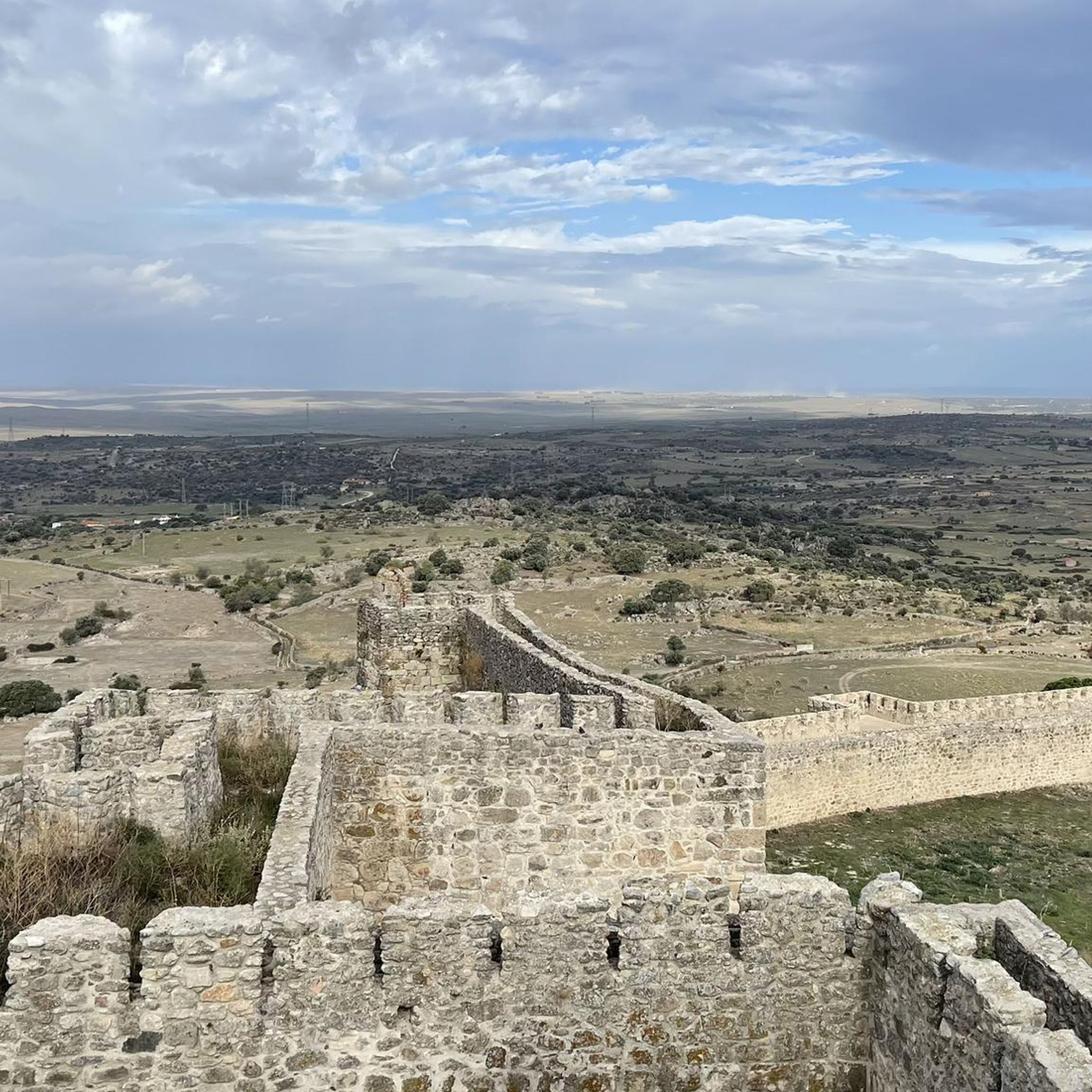
Trujillo Castle (Cáceres, Extremadura) is one of Spain's most emblematic fortresses, boasting a fascinating history and architecture that blends Arab and Christian influences. Arab Origins (9th-12th centuries): It was built on Cabeza del Zorro hill during the Muslim period. The oldest remains are two Arab cisterns. Reconquest: In 1186, Alfonso VIII captured the city, although it fell under Almohad rule before being definitively incorporated into the Crown in 1232. Middle Ages: It played a key role in the border defense between Castile and Portugal and was the scene of conflicts such as the War of the Castilian Succession. Modern Era: It lost its military importance and became a stately residence.
7
0
Trujillo Castle and the Alcazaba of Trujillo, two historical gems in the city of Cáceres: Trujillo Castle (Alcazaba) Origin: Initially built as an Arab citadel in the 9th century on Cabeza del Zorro hill. Later renovations in the 10th and 11th centuries and Christian expansions after the Reconquista (1232). Architecture: Irregular layout adapted to the terrain, with granite walls, barbican towers, and two cisterns. Simple interior: parade ground, cisterns, and, later, a chapel in the keep dedicated to Our Lady of Victory.
13
0
Palace of the Marquises of Lorenzana Origin: 16th century, Renaissance style. It was the residence of the Pizarro Hinojosa family, Lords of Torrecillas, and from 1642, Marquises of Lorenzana, a title granted to Álvaro Pérez Quiñones y Lorenzana, Governor of Panama and Guatemala. Current use: Headquarters of the Royal Academy of Extremadura of Letters and Arts since 1980.
8
0
The Plaza Mayor in Trujillo is an iconic and historic place in Extremadura. This Renaissance square, dating back to the 16th century, is known for its impressive architecture and vibrant social and cultural life. In the centre of the square is the equestrian statue of Francisco Pizarro, the famous conquistador born in Trujillo. The square is surrounded by historic buildings, such as the Palace of the Marquises of the Conquest and the Church of San Martín de Tours. In addition, it is a place where numerous cultural events and festivals are held throughout the year.
13
0
The city of Trujillo, a town located about 50 km east of Cáceres, sits on a huge granite batholith, on the old road to Madrid. It is an important urban complex formed by different periods and architectural-urban mentalities, whose testimonies have made it one of the most important towns in Extremadura, as far as architectural heritage is concerned.
16
0
In the 16th century, it was the seat of the estate of Martín de Chaves, founder of the Chaves mayorazgo. Subsequently, it passed to the Vargas Carvajal family, who held the office of courier of the Indies and, later, the title of counts of Castillejo. The estate included the Viña de Aceituno. In 1594, it was part of the Tierra de Trujillo in the province of Trujillo. Since 1834, it was integrated into the Judicial Party of Logrosán
17
0
Conquista de la Sierra's location between the Sierras de Madernalo (also known as Sierras de Conquista and Garciaz) offers a beautiful natural environment. Take the opportunity to explore the surroundings and enjoy nature.
15
0
El Mirador is located in the old town of Trujillo, next to the castle. From here, you can enjoy a spectacular view of the Extremaduran landscape. Architecture and Environment: El Mirador was built using the technique of Spanish colonial architecture, combined with local elements. It has three levels, and at the top, there is a panoramic terrace surrounded by wooden fences and columns.
8
0
Frequently Asked Questions
How many touring cycling routes are available around Madroñera?
There are over 20 touring cycling routes in the Madroñera area, offering a variety of experiences for different skill levels.
Are there any easy touring cycling routes suitable for beginners or families?
Yes, Madroñera offers some routes suitable for beginners. For example, the region has at least one easy route, and many of the moderate routes can be enjoyed by those with some cycling experience. The landscape of rolling terrain and rural roads makes for pleasant rides.
What kind of terrain can I expect on touring cycling routes in Madroñera?
The routes around Madroñera feature rolling terrain and rural roads, connecting historic towns and villages. You'll encounter moderate elevation changes, with climbs and descents through agricultural areas and scattered woodlands.
Are there any challenging touring cycling routes for experienced riders?
Yes, for experienced riders seeking a challenge, Madroñera offers several difficult routes. There are 7 difficult routes available, such as the Herguijuela – Conquista de la Sierra loop from Conquista de la Sierra, which features significant elevation gain.
What are some notable historical sites or landmarks I can see along the routes?
Many routes pass through or near historic towns. You can explore attractions like the Trujillo Main Square, the Church of Santa María la Mayor (Trujillo), or the Chaves Sotomayor Palace. The Trujillo and La Aldea del Obispo Historic Trail Loop is a great option for exploring these historic towns.
Are there circular touring cycling routes available?
Yes, many of the touring cycling routes in Madroñera are designed as loops, allowing you to start and finish in the same location. Examples include the Plaza Mayor of Trujillo – Trujillo Castle loop from Madroñera and the Herguijuela loop from Madroñera.
What is the best time of year to go touring cycling in Madroñera?
Given the region's moderate climate, spring and autumn are generally ideal for touring cycling in Madroñera, offering pleasant temperatures and lush landscapes. Summers can be warm, while winters are typically mild, allowing for year-round cycling with appropriate gear.
What do other touring cyclists enjoy most about cycling in Madroñera?
The touring cycling routes in Madroñera are highly rated by the komoot community, with an average score of 5.0 stars. Reviewers often praise the scenic rural landscapes, the connection to historic towns, and the varied terrain that offers something for different skill levels.
Can I expect to find places to stop for refreshments or food along the routes?
Many routes connect historic towns and villages, which typically offer opportunities for refreshments, cafes, and local eateries. Planning your route to pass through these settlements will ensure you have places to stop.
Are there opportunities for wildlife spotting on the touring cycling routes?
Cycling through the agricultural areas and scattered woodlands around Madroñera provides opportunities to observe local wildlife. Keep an eye out for various bird species and other small animals typical of rural Spanish landscapes.
What are the typical distances and elevation gains for touring cycling routes in Madroñera?
Routes vary, but many popular touring cycling routes in Madroñera are around 25 miles (40 km) in length. Elevation gains can range from approximately 960 feet (290 meters) for moderate routes to over 2000 feet (600 meters) for more difficult ones, reflecting the rolling terrain.
Most popular attractions around Madroñera

Get inspired with the komoot mobile app


Explore more
Browse the best Cycling routes in other regions.
