The best road cycling routes around Moreruela De Tábara
25
riders
12
rides
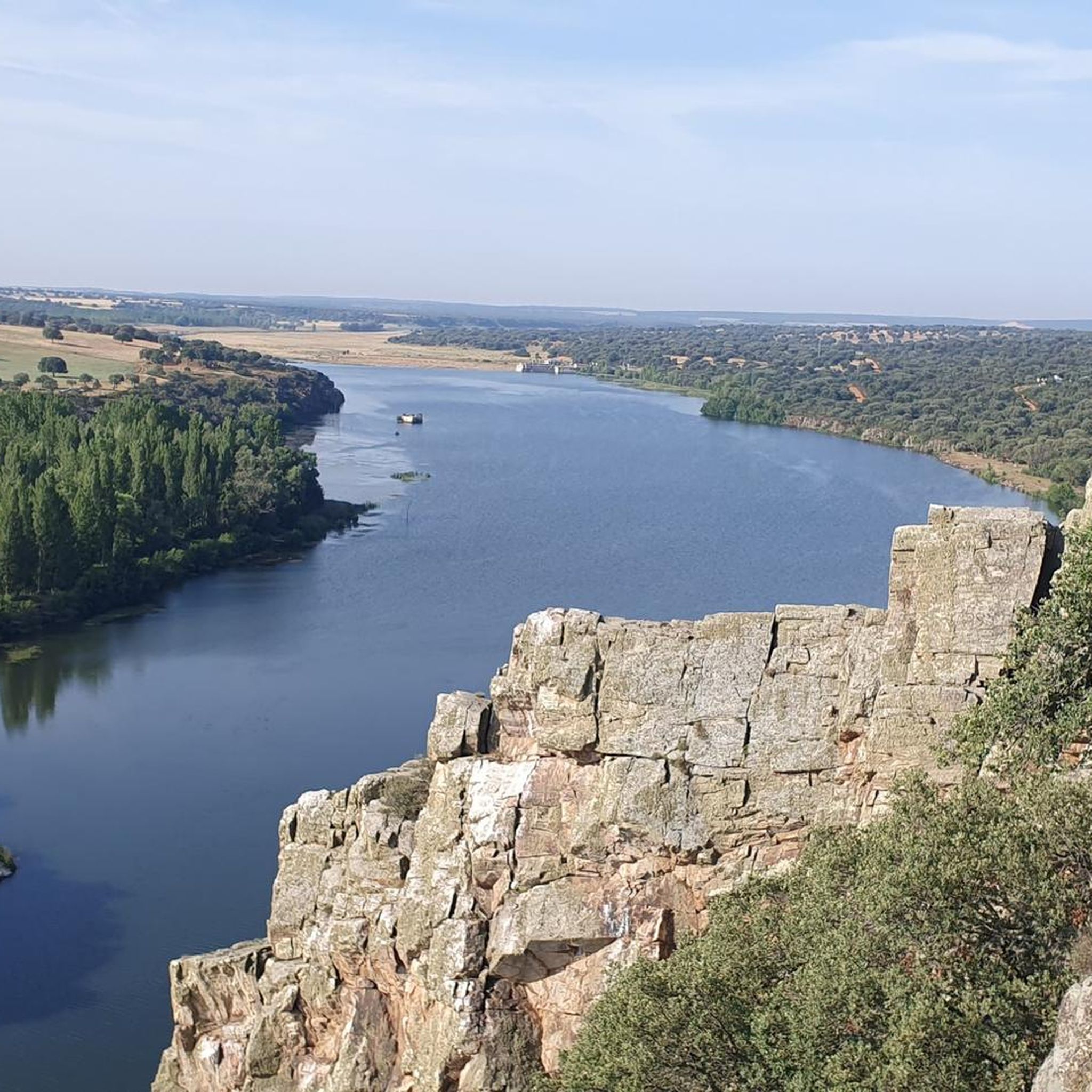
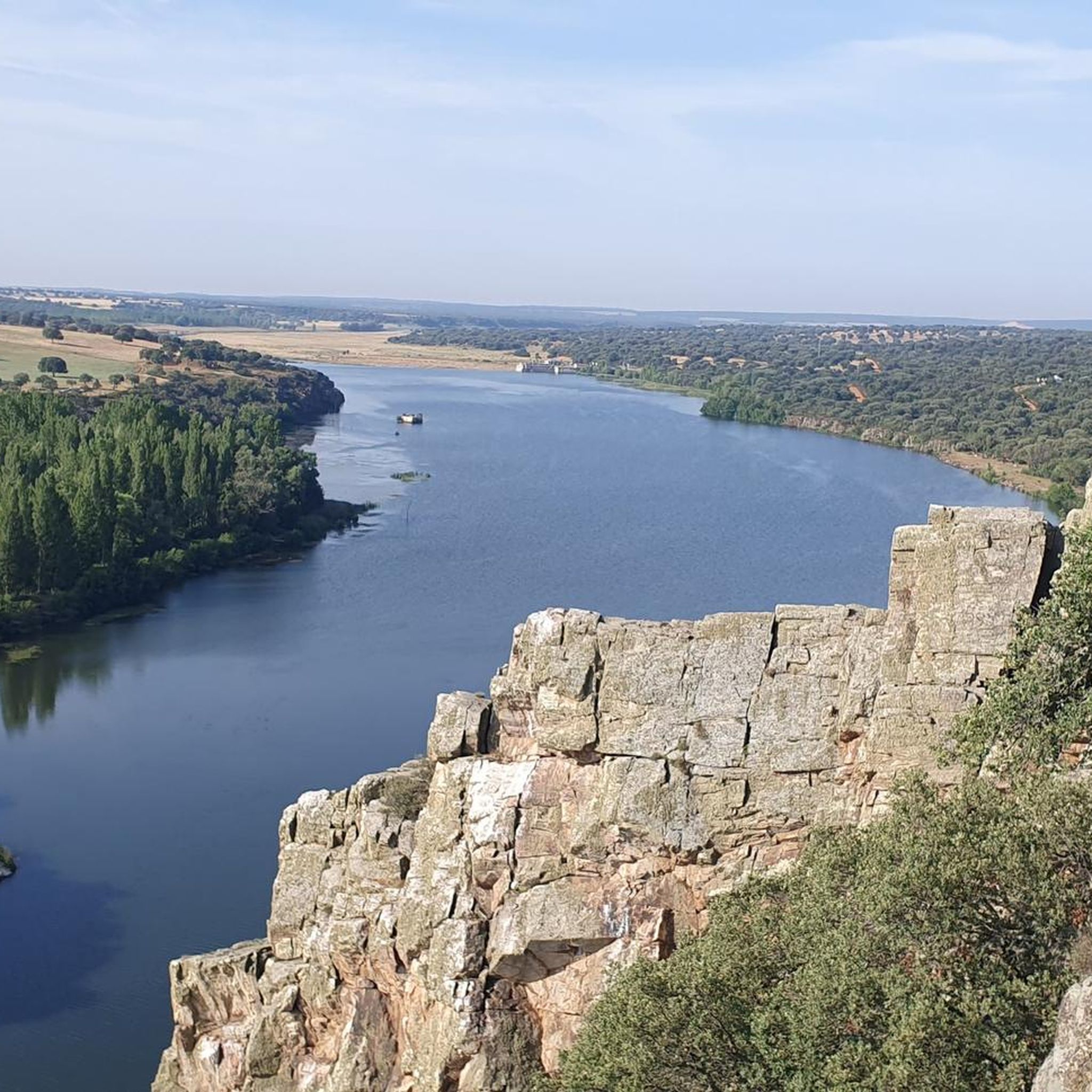
Road cycling routes around Moreruela De Tábara are set within a landscape of vast fields and gentle hills in Spain's Zamora province. The area features well-maintained roads, suitable for various fitness levels, and is influenced by the Esla River and its proximity to the Sierra de la Culebra. This region provides diverse terrain for road cyclists, from flat stretches along riverbanks to routes with moderate elevation gains.
Best road cycling routes around Moreruela De Tábara
- The most popular road cycling…
Last updated: June 28, 2026
4
riders
104km
04:11
490m
490m
Moderate road ride. Good fitness required. Mostly well-paved surfaces and easy to ride.
3
riders
Easy road ride. Great for any fitness level. Mostly well-paved surfaces and easy to ride.

Sign up for free
2
riders
47.7km
01:55
250m
240m
Easy road ride. Great for any fitness level. Mostly well-paved surfaces and easy to ride.
1
riders
78.3km
03:09
420m
420m
Moderate road ride. Good fitness required. Mostly well-paved surfaces and easy to ride.
79.3km
03:47
1,080m
1,080m
Hard road ride. Very good fitness required. Mostly well-paved surfaces and easy to ride.
Get access to more routes and recommendations from other explorers.
Sign up for free
Already have an account?
Our route recommendations are based on thousands of hikes, rides, and runs completed by other people on komoot.
Start today with a free account
Your next adventure awaits.
Login or Signup
Popular around Moreruela De Tábara
Tips from the Community

Tábara is a Spanish municipality of about 830-950 inhabitants located in the province of Zamora, within the autonomous community of Castile and León. This small village stands at an altitude of 749 meters and is the capital of the Tierra de Tábara comarca. It represents a center of great historical-cultural importance, as well as being a fundamental stop for pilgrims traveling the Camino Sanabrésl
1
0

Tábara, located in the northwest of the province of Zamora (Castilla y León), is a town with a rich medieval history, a stunning natural setting, and a significant cultural heritage. Origins: These date back to the Bronze Age and Roman period. Middle Ages: It was an important monastic center with the Monastery of San Salvador de Tábara, founded by Saint Froilán in the 9th century at the behest of Alfonso III.
10
0

This is one of the lagoons found within the Lagunas de Villafáfila Natural Reserve and which, in addition, represents one of the largest salt pans in the area.
0
1

This monastery complex, where Cistercians once prayed and worked day after day, even as a ruin still provides impressive evidence of the magnificent architecture. This monastic order (the order's Latin name is "Ordo Cisterciensis") takes its name from the French town of Citeaux in Burgundy, where the first monastery was founded in 1098. It is a reform branch of the Benedictines.
3
1

In the historic center, the Church of Santa María del Azogue, from the 16th century, and in Gothic style, stands out as the main monument of Benavente.
1
0
Surrounded by heritage cloisters, Benavente's main square is an important starting point for many adventures in this part of Spain and a focal point along the Camino de Santiago pilgrimage route.
0
0

Restored by the Hotel Parador, this 12th-century castle sits on top of a hill overlooking the surrounding landscape and botanical gardens below.
0
0
Spectacular stone bridge with 9 symmetrical arches that crosses the Esla River. It was built in 1920 to connect the trade route between the Zamora regions of Tierra de Campos and Tábara. The bridge is located on the Jacobean route known as Camino Mozárabe Sanabrés, which allows pilgrims to cross into Zamora and Galicia beyond.
3
1
Frequently Asked Questions
How many road cycling routes are available in Moreruela De Tábara?
There are over 10 road cycling routes around Moreruela De Tábara, offering diverse options for various skill levels. These routes explore the region's vast fields, gentle hills, and significant natural features like the Esla River.
Are there easy road cycling routes suitable for beginners in Moreruela De Tábara?
Yes, the region offers several easy road cycling routes perfect for beginners. For instance, the route From the Monastery of Santa María de Moreruela to the Laguna Salina Grande — circular from Granja de Moreruela is an easy 42.8 km path with minimal elevation gain, offering pleasant views.
Are there options for long-distance road cycling in the Moreruela De Tábara region?
Absolutely. For those seeking longer rides, routes like Tábara – tour around Mózar – Manganeses de la Polvorosa – Benavente span over 104 km, providing a substantial challenge across varied terrain. Another option is the 78.3 km Moreruela Monastery and Villafáfila Lagoons Loop.
Can I find circular road cycling routes around Moreruela De Tábara?
Yes, many of the road cycling routes in the area are circular, allowing you to start and end at the same point. A popular example is the Villafáfila Lagoons and Esla River Loop, which is a 47.7 km circular trail.
What scenic viewpoints or natural features can I expect to see on road cycling routes?
Road cycling routes in Moreruela De Tábara offer views of vast agricultural fields, gentle hills, and the Esla River. You can also cycle near the important wetland complex of the Lagunas de Villafáfila Nature Reserve, known for its birdlife. The nearby Sierra de la Culebra provides a backdrop of soft, rounded mountains.
Are there any historical or cultural landmarks to explore along the road cycling routes?
Yes, the region is rich in history. You can encounter the historic Quintos Bridge Over the Esla River, a significant stone bridge that is part of the Camino de Santiago Sanabrés. The area is also where the Camino Sanabrés and the Vía de la Plata pilgrimage routes converge, adding a cultural dimension to your ride. The San Juan Church and Pilgrim Hostel in Granja de Moreruela is another notable stop.
What is the best season for road biking in Moreruela De Tábara?
The region's landscape transforms with the seasons, but generally, spring and autumn offer the most pleasant conditions for road cycling, with milder temperatures and beautiful scenery. Summer can be hot, while winter cycling is possible but may require appropriate gear for cooler weather.
Are there challenging routes with significant climbs for advanced road cyclists?
While many routes feature gentle hills, there are options for more advanced cyclists. The route Tabara - tour around Aliste river and Fonfria, for example, is classified as difficult and includes over 1000 meters of elevation gain, providing a good challenge.
Can I observe wildlife or experience unique natural environments while cycling?
Yes, especially when cycling near the Lagunas de Villafáfila Nature Reserve. This wetland complex is a crucial habitat for aquatic, steppe, and migratory birds, offering excellent opportunities for birdwatching. The nearby Sierra de la Culebra is also known for wildlife observation, including the Iberian wolf.
Where can I find parking for road cycling routes in Moreruela De Tábara?
Parking is generally available in the towns and villages that serve as starting points for these routes, such as Moreruela de Tábara itself or Granja de Moreruela. Many routes begin from accessible locations, making it convenient to park your vehicle.
Are there cafes or places to stop for refreshments along the road cycling routes?
The routes often pass through or near small villages and towns where you can find local cafes or establishments to stop for refreshments. Given the rural charm of the area, these stops can also offer a glimpse into local life and cuisine.
Are there any 'hidden gem' road cycling routes in the area?
Moreruela De Tábara is known for its 'hidden gems' for cycling adventures. Many routes offer tranquil stretches through authentic rural landscapes, away from crowds. Exploring the less-traveled paths connecting the small villages can reveal unique views and experiences.
Most popular routes around Moreruela De Tábara
Most popular attractions around Moreruela De Tábara

Get inspired with the komoot mobile app


Explore more
Browse the best Road cycling routes in other regions.
