The best road cycling routes around Quintana Del Marco
42
riders
8
rides
Road cycling routes around Quintana Del Marco traverse a rural area in the province of León, Castilla y León, Spain. The region is characterized by its historical significance, including ancient Roman settlements and its position along the Vía de la Plata. Cyclists can expect varied terrain, from flat sections to routes with significant elevation changes within the broader León province. The landscape offers a mix of open countryside and historical points of interest.
Best road cycling routes around Quintana Del…
Last updated: October 29, 2026
13
riders
Moderate road ride. Good fitness required. Mostly well-paved surfaces and easy to ride.
12
riders
Moderate road ride. Good fitness required. Some segments of this route may be unpaved and difficult to ride.

7
riders
32.6km
01:27
230m
230m
Easy road ride. Mostly well-paved surfaces and easy to ride.
7
riders
97.1km
04:05
510m
510m
Moderate road ride. Good fitness required. Mostly well-paved surfaces and easy to ride.
3
riders
30.9km
01:26
130m
130m
Moderate road ride. Some segments of this route may be unpaved and difficult to ride.
Get access to more routes and recommendations from other explorers.
Already have an account?
Our route recommendations are based on thousands of hikes, rides, and runs completed by other people on komoot.
Start today with a free account
Your next adventure awaits.


Tips from the Community

Castrocalbón is a place with a rich history and several points of interest that you can visit. Castrocalbón Castle: Although in ruins, it is a fascinating testimony to the medieval architecture and history of the region. San Pedro Church: A church with Romanesque and Gothic elements, which houses interesting altarpieces and sculptures. Hermitage of the Virgin of the Rosary: A place of local devotion, with simple architecture and a peaceful setting.
0
0

Another iconographic reference of Castrocalbón is this iron bridge over the Eria River built in the 1920s and which, despite the inconveniences it causes at this time, being quite narrow, already changes its image has become a symbol of Castrocalbón. A new bridge is currently in use a short distance from the old one, which is (for the time being) maintained due to its historical value.
1
0

The Sierra de Casas Viejas separates, to the south of the Municipality of Santa Elena, the Jamúz basin from that of the Eria. And if you want, you can go up to the antennas..... and have better views.
0
0

Ruined bridge over the Ería River, on the outskirts of the town of Villaferrueña. The river scenery is a beautiful backdrop for your adventure.
1
1
Arrabalde is a small town located between the Eria River and the Sierra de Carpurias that rises above it at 1000 meters above sea level. Head to the main square to admire the local church.
1
0
Remains of a medieval castle in Villanueva de Jamuz. The cylindrical towers are an amazing structure.
3
0
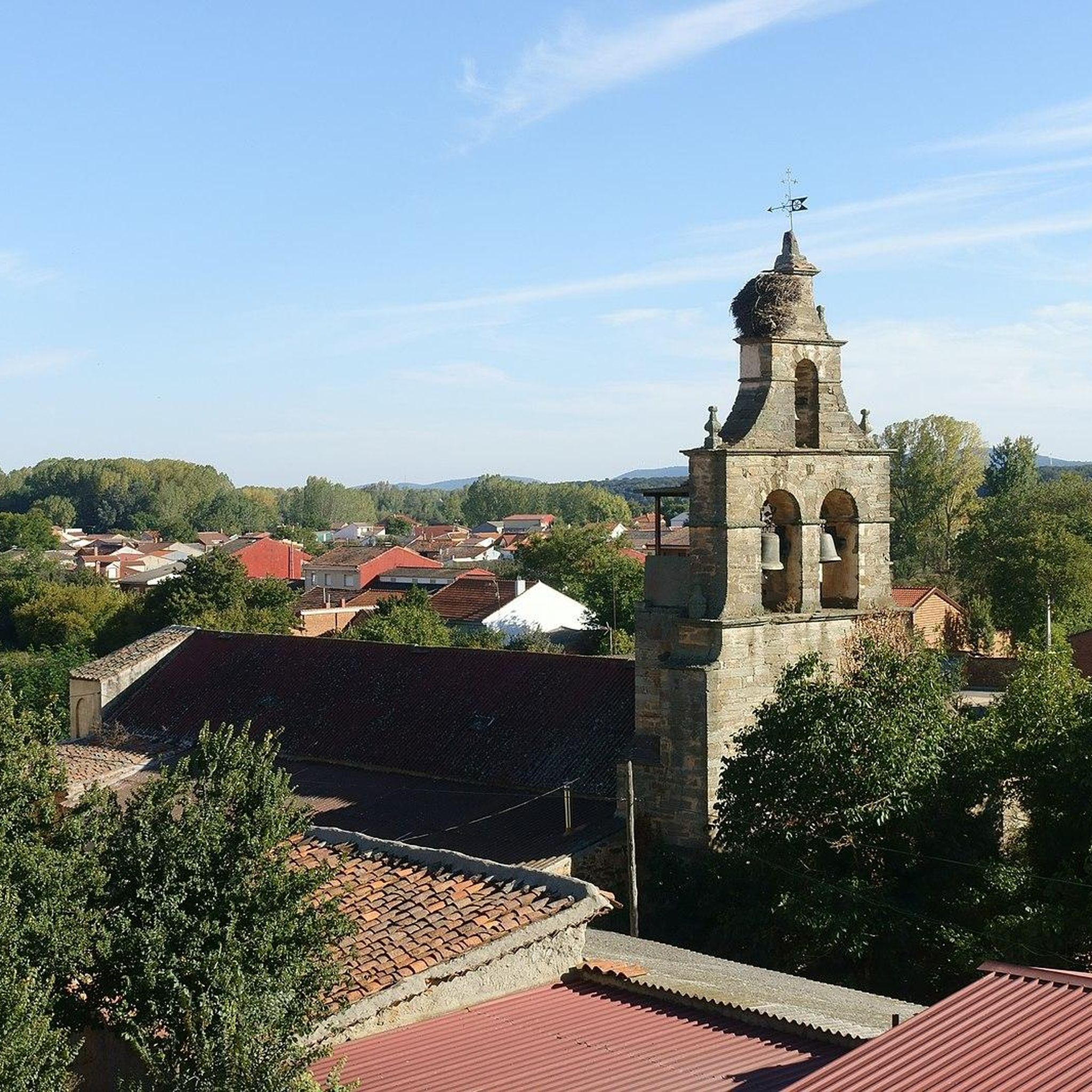
The small town of San Esteban De Nogales sits on the banks of the Eria River. The town church is a good place to start your adventures in this area.
2
0
Frequently Asked Questions
How many road cycling routes are available around Quintana Del Marco?
There are over 5 road cycling routes around Quintana Del Marco, offering a variety of experiences for cyclists. These routes are curated to showcase the region's unique landscapes and historical points of interest.
What kind of terrain can I expect on road cycling routes near Quintana Del Marco?
The road cycling routes around Quintana Del Marco traverse a rural area in the province of León, offering diverse terrain. You can expect a mix of flat sections, particularly through agricultural plains, and routes with significant elevation changes as you explore the broader León province. The landscape combines open countryside with historical points of interest.
What historical landmarks can I see while road cycling near Quintana Del Marco?
The region is rich in history, with routes often passing by ancient sites. You can encounter landmarks such as the Puente de la Vizana and the Eria Bridge in Castrocalbón, both significant bridges. Other notable historical sites include the Castillo de los Pimentel and the Gothic Arch of the Palace of Castrocalbón. Many routes also connect to historical towns like Plaza Mayor of La Bañeza.
Are there road cycling routes suitable for beginners in Quintana Del Marco?
Yes, there is at least one easy road cycling route available. For instance, the Puente de la Vizana – Pobladura del Valle loop from Coomonte is an easy option, covering approximately 29.3 kilometers with minimal elevation gain, making it suitable for those new to road cycling or looking for a relaxed ride.
What are some challenging road cycling routes around Quintana Del Marco?
For more experienced cyclists, several moderate routes offer greater distances and elevation. The Plaza Mayor of La Bañeza – La Bañeza Railway Station loop from Jiménez de Jamuz, for example, is a moderate 101-kilometer route with over 780 meters of elevation gain. Another challenging option is the Gaudí Palace – Astorga loop from Jiménez de Jamuz, which covers about 105.8 kilometers with nearly 690 meters of ascent.
Are there any long-distance road cycling routes in the area?
Quintana del Marco is situated along the historic Vía de la Plata (Silver Route), which is part of Castilla y León's network of 'Great Cycling Routes.' These routes are designed for long-distance cycling, often exceeding 200 kilometers, and combine tourism, nature, culture, and sport. While specific multi-day routes are not detailed here, the presence of the Vía de la Plata indicates opportunities for extended rides.
What is the best time of year for road cycling in Quintana Del Marco?
The Castilla y León region generally offers pleasant cycling conditions during spring and autumn, when temperatures are milder. Summer can be warm, especially in the plains, while winter may bring colder temperatures. Checking local weather forecasts before your ride is always recommended.
Are there any loop road cycling routes around Quintana Del Marco?
Yes, many of the road cycling routes in the area are designed as loops, allowing you to start and end at the same point. Examples include the popular Eria Bridge in Castrocalbón – Church of Castrocontrigo loop from San Esteban de Nogales and the Puente de la Vizana – Plaza Mayor of La Bañeza loop from Antigua estación de Valcabado del Páramo.
What do other road cyclists enjoy about the routes around Quintana Del Marco?
Road cyclists frequently praise the historically rich landscapes and the rural setting of the routes around Quintana Del Marco. The diverse terrain, offering both flat sections and climbs, is also a highlight. The komoot community has explored these routes, appreciating the blend of natural beauty and cultural heritage.
Are there cafes or places to stop for refreshments along the road cycling routes?
Given the rural nature of the area, routes often pass through or near small villages and towns. While specific cafes are not listed for every route, towns like La Bañeza, which is part of routes such as the Puente de la Vizana – Plaza Mayor of La Bañeza loop, typically offer amenities where cyclists can find refreshments and rest.
Is there parking available at the trailheads for road cycling routes?
While specific trailhead parking is not detailed for every route, starting points for many routes are often in or near villages and towns, such as San Esteban de Nogales or Jiménez de Jamuz. These locations generally offer public parking options suitable for cyclists. It's advisable to check local parking availability for your chosen starting point.
Can I reach the road cycling routes using public transport?
Quintana del Marco is a rural village, and public transport options might be limited compared to larger cities. While some regional bus services may connect to nearby towns, direct access to specific route starting points via public transport might require planning. Cyclists often travel to the region by car to access the routes more conveniently.
Most popular attractions around Quintana Del Marco

Get inspired with the komoot mobile app


Explore more
Browse the best Road cycling routes in other regions.
