Attractions and Places To See around Avià - Top 20
Attractions and places to see around Avià, a municipality in Berguedà, Catalonia, offer a blend of historical sites, natural landscapes, and cultural experiences. The region features ancient churches, serene natural areas, and remnants of its industrial past. Visitors can explore its tranquil rural atmosphere and diverse outdoor opportunities.
Best attractions and places to see around Avià
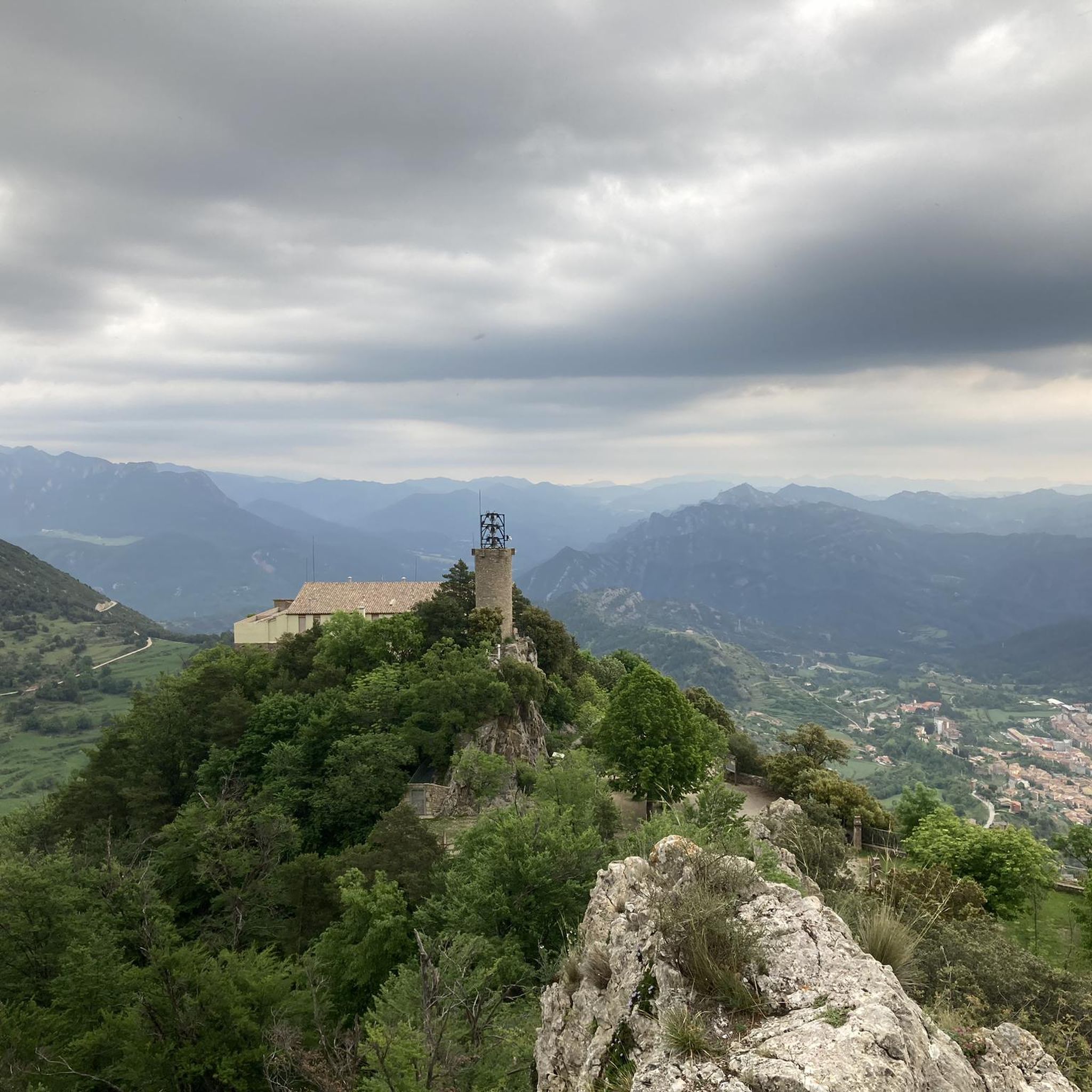
- The most popular attractions is Queralt Sanctuary, a religious building and viewpoint located at approximately 1,200 meters above sea level. This spiritual site…
Last updated: July 6, 2026
Queralt Sanctuary
Highlight • Religious Site
Translated by Google •
Tip by

Pedret Bridge
Highlight • Bridge
Translated by Google •
Tip by

Sign up now to discover places like this
Get recommendations on the best single tracks, peaks, & plenty of other exciting outdoor places.
Sign up for free
Rasos de Peguera
Highlight • Climb
Tip by

Abandoned Village of Peguera
Highlight • Settlement
Translated by Google •
Tip by
Tunnel
Highlight • Structure
Translated by Google •
Tip by

Sign up for free to discover even more attractions around Avià.
Sign up for free
Already have an account?
Start today with a free account
Your next adventure awaits.
Login or Signup

Tips from the Community

The Mina dels Graus Located in the mountainous surroundings of Peguera, in the municipality of Fígols (Berguedà), the Mina dels Graus is part of the 20th century mining heritage linked to the exploitation of lignite in the region. This mine, despite not being large, played a key role in the logistics network that connected the different operations of Peguera with the mining colony of Cercs. One of the most outstanding elements of the area is the tunnel of Graus, excavated directly into the rock and with a length of approximately 10 meters. This tunnel allowed the passage of the mining railway, which transported coal from the mines to the station of Fígols. The surroundings also preserve vestiges of hoppers, deposits and other structures related to the transport and storage of coal. The Mina dels Graus was part of a complex network of infrastructures that included cable cars, inclined planes and railways, designed to facilitate the movement of the mineral in steep and difficult-to-access terrain. It was a strategic link between the Graell cable car and the Realidad mine, which connected the various operations. Today, the area is accessible via different hiking and mountain bike routes, and has become a place of interest for lovers of nature, industrial history and mining heritage. The Mina dels Graus is a silent witness to a time when mining was the economic engine of Berguedà and a key player in the transformation of the territory.
0
0

A viewpoint of Catalonia. Pogacar and Merckx have won stages on this peak
0
0

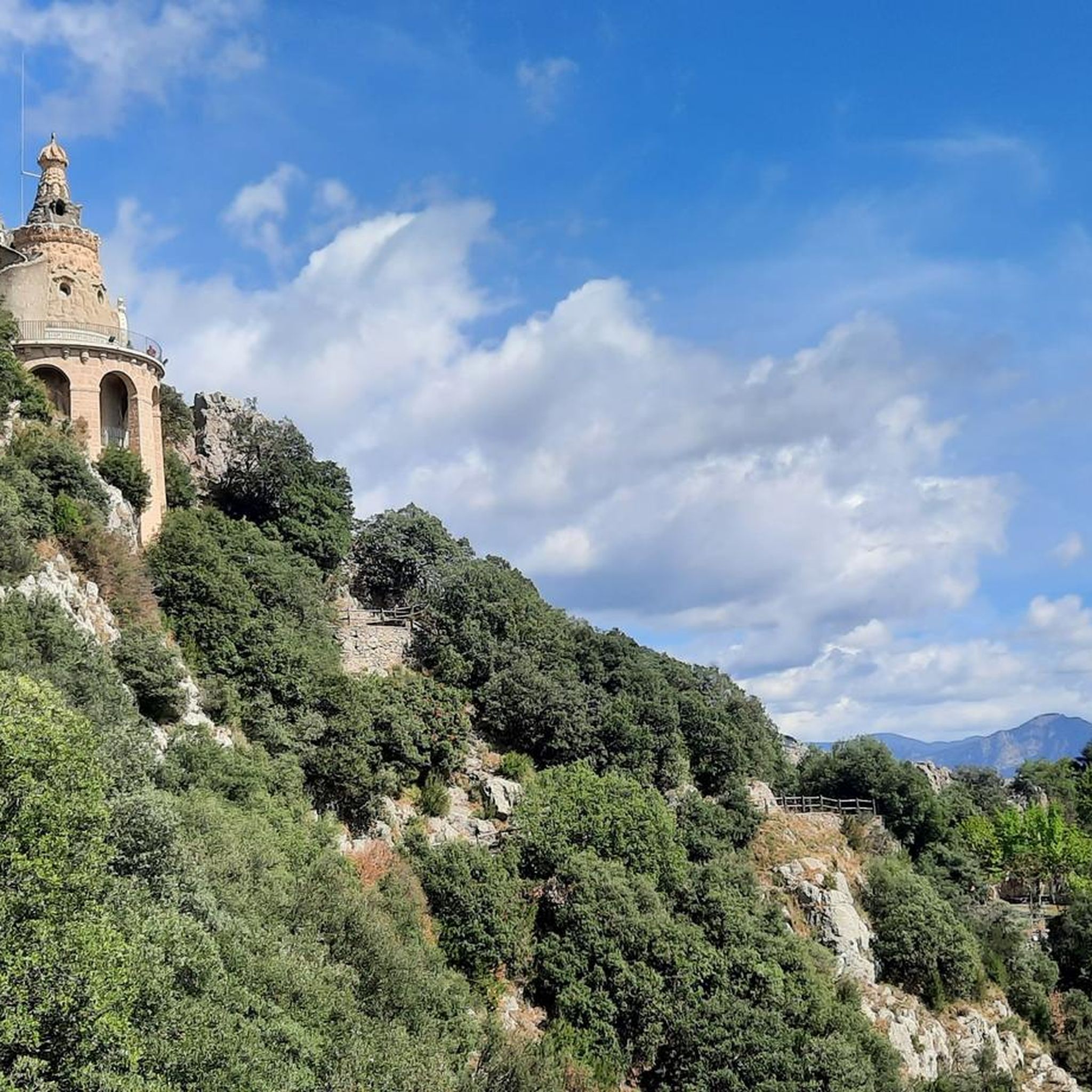
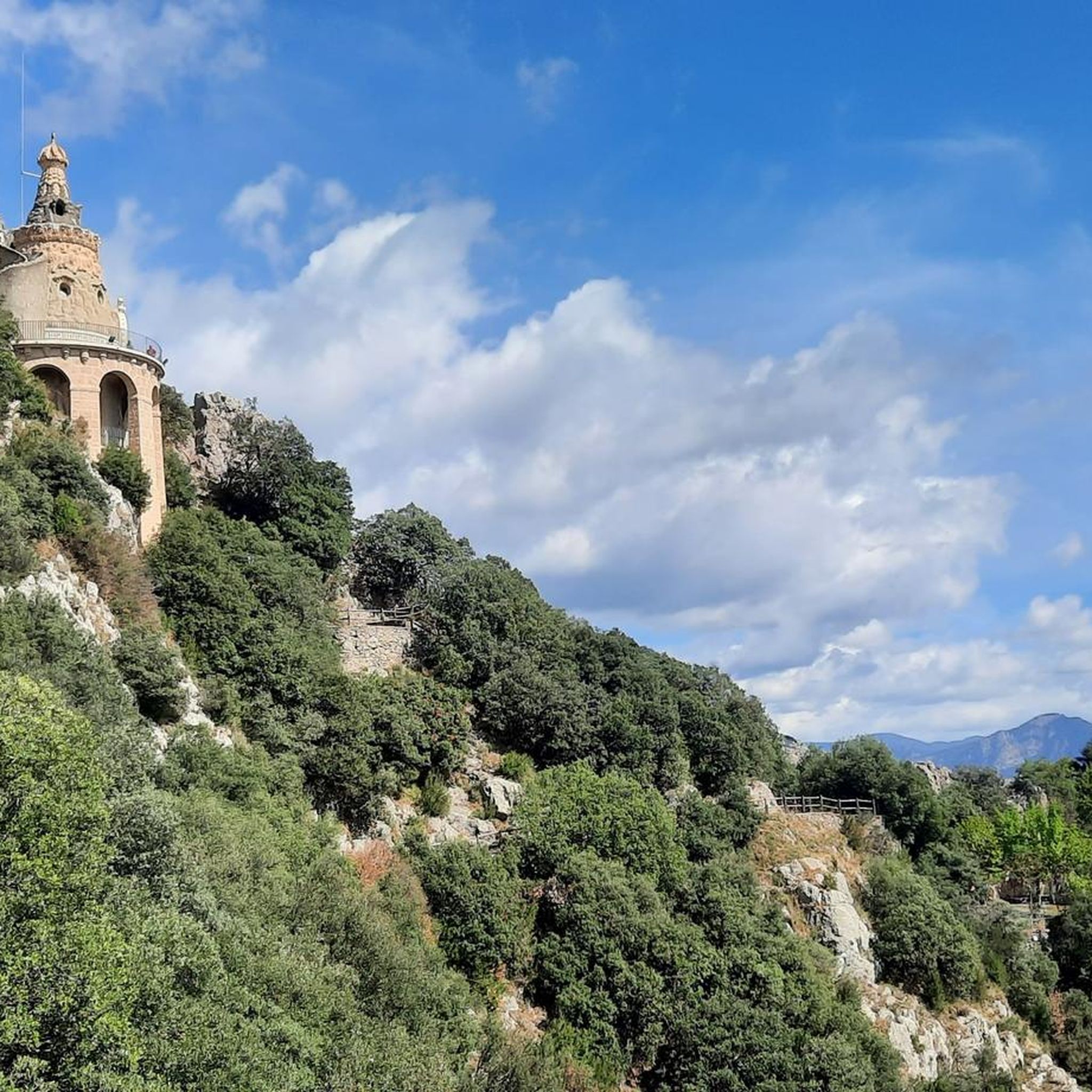
This spiritual place has such a view that it is called the balcony of Catalonia. The Baroque interior is also worth a visit.
1
0
Located at an altitude of 1,600 meters, Peguera is an abandoned village belonging to the municipality of Fígols. Its peak mining activity was experienced in the late 19th and mid-20th centuries, thanks to the high level of mining activity. The abandonment of the coal mines further depopulated Peguera, leaving it in its current state, where most of the houses are in ruins.
0
0

An interesting place for its history The Queralt sanctuary is located in the Queralt mountain range, at an altitude of about 1,200 metres.
2
0

Splendid place a few km from Berga. From there, the old lane leads to Cal Rosal.
1
0

Spectacular climb to one of the most demanding peaks in Catalonia. Long climb, with sustained percentages and reaching almost 2000 meters. It is characterized by long straights and a very twisty and spectacular final stretch. Road in perfect condition.
0
0

Nestled in the majestic Sierra de Queralt, the Sanctuary of Queralt is a place of spiritual tranquility and natural beauty. Located around 1,200 metres above sea level, this sanctuary combines centuries of history and faith. When you stand here, you are not only looking at an impressive architectural masterpiece located in the heart of Catalonia, but also at a witness to the times. The original sanctuary was built in the 14th century, and although the current church dates back to the 18th century, you can feel the centuries-old reverence and deep spirituality that surround this place. The view from up here is simply breathtaking. The panorama stretches far across the Catalan landscapes, and amidst this silence, you almost feel as if time has stood still. If you are looking for a place where history, faith and nature blend harmoniously, then the Sanctuary of Queralt is an absolute must on your hiking route through Catalonia.
4
0
Frequently Asked Questions
What historical sites can I explore around Avià?
Avià and its surroundings are rich in history. You can visit the pre-Romanesque Church of Sant Vicenç d'Obiols, the Romanesque Church of Santa Maria d'Avià, and the central Sant Martí d'Avià. Don't miss the medieval Pedret Bridge, dating back to 1286, or the unique Abandoned Village of Peguera, which offers a glimpse into the region's mining past.
Are there any natural lakes or water features to visit near Avià?
Yes, Estany de Graugés (Graugés Lake) is a peaceful spot offering opportunities for leisurely strolls along its tree-shaded shores. It's a great place to relax and enjoy the natural surroundings.
What outdoor activities can I do near Avià?
The Avià region is ideal for outdoor enthusiasts. You can find numerous routes for hiking, cycling, mountain biking, and gravel biking. For specific routes, explore the MTB Trails around Avià, Cycling around Avià, or Gravel biking around Avià guides.
Where can I find scenic viewpoints in the Avià area?
For breathtaking views, head to Queralt Sanctuary, often called the 'balcony of Catalonia'. Located at approximately 1,200 meters above sea level, it offers expansive panoramas across the Catalan landscapes. Rasos de Peguera also provides scenic vistas after a challenging ascent.
Are there easy hiking trails suitable for families around Avià?
While specific 'easy' family trails are not detailed for all attractions, the region offers various routes. The 'route of the three churches' can be done on foot and might be suitable for families. For cycling, the 'Santa Maria d'Avià – Graugés Lake loop from Avià' is rated as easy in the MTB Trails around Avià guide.
What is the significance of the Pedret Bridge?
The Pedret Bridge is a Gothic-style stone bridge from 1286, notable for its medieval 'donkey's back' design. It played a crucial role in connecting Berga with the monastery of Sant Pere de la Portella and is a magnificent example of medieval engineering.
What can I see at the abandoned village of Peguera?
The Abandoned Village of Peguera, located at 1,600 meters, offers a unique historical perspective. Most of its houses are in ruins, reflecting its abandonment after the decline of coal mining in the mid-20th century. It's a poignant site that tells the story of the region's industrial past.
Are there any unique historical industrial sites to see?
Yes, the Mina dels Graus, a former lignite mine, provides insight into 20th-century mining heritage. You can explore a 10-meter long tunnel that once accommodated a mining railway and see vestiges of related structures. It's accessible via hiking and mountain bike routes.
When is the best time to visit Avià for outdoor activities?
Avià is suitable for outdoor activities throughout much of the year. Spring and autumn generally offer pleasant temperatures for hiking and cycling. Summer is also popular, especially in higher altitude areas like Rasos de Peguera, though it can be warmer in lower elevations.
What do visitors enjoy most about the attractions around Avià?
Visitors particularly appreciate the stunning views from places like Queralt Sanctuary, the historical significance of sites like Pedret Bridge, and the challenging yet rewarding climbs found at Rasos de Peguera. The blend of history, faith, and nature is a recurring highlight.
Can I explore nearby towns from Avià?
Absolutely. The town of Berga, with its medieval past and natural surroundings, is just a few minutes from Avià. You can explore its old quarter, for example, via the 'Un tomb per Berga' route, offering additional cultural and historical experiences.
Are there any wheelchair accessible attractions in Avià?
Information regarding specific wheelchair accessible attractions in Avià is limited. Many historical sites and natural trails in the region may have uneven terrain or steps. It is advisable to check specific accessibility details for each location prior to your visit.
Most popular attractions around Avià

Get inspired with the komoot mobile app


Explore more
Still not found the Highlight you’re looking for? See guides of the top attractions in other regions:
