Attractions and Places To See around Archidona - Top 20
Best attractions and places to see around Archidona include a blend of historical, cultural, and natural sites. This region in the province of Málaga, Spain, is recognized as a Historic-Artistic Site. Visitors can explore impressive architecture, ancient fortresses, and diverse natural landscapes. The area offers a variety of experiences for those interested in history, culture, and outdoor exploration.
Best attractions and places to see around Archidona
- The most popular attractions is Hundred‑Spout Fountain, a natural monument that is known as the source of the Guadalhorce River. This impressive fountain features 101 spouts channeling water from the San Jorge mountain range.
- Another must-see spot is The Alcazaba of Antequera, a castle. This ancient Arab fortress offers panoramic views of the city and surrounding area.
- Visitors also love Tribune Chapel of Our Lady of Socorro, a religious building. This architectural treasure, built in 1715, is part of an urban complex and aims to spread devotion to the Virgin of Socorro.
- Archidona is known for its historical sites, natural reserves, and unique Baroque architecture. The region offers a variety of attractions, from ancient castles and religious buildings to natural monuments and protected areas.
- The attractions around Archidona are appreciated by the komoot community. With 63 upvotes and over 200 photos, these spots are popular among explorers.
Last updated: August 30, 2026
The Alcazaba of Antequera
Highlight • Castle
Translated by Google •
Tip by

Hundred‑Spout Fountain
Highlight • Natural Monument
Translated by Google •
Tip by

Sign up now to discover places like this
Get recommendations on the best single tracks, peaks, & plenty of other exciting outdoor places.
Sign up for free
Tribune Chapel of Our Lady of Socorro
Highlight • Religious Site
Translated by Google •
Tip by

Collegiate Church of San Sebastián, Antequera
Highlight • Religious Site
Translated by Google •
Tip by
Dolmens of Antequera
Highlight • Historical Site
Tip by

Sign up for free to discover even more attractions around Archidona.
Sign up for free
Already have an account?
Start today with a free account
Your next adventure awaits.
Login or Signup
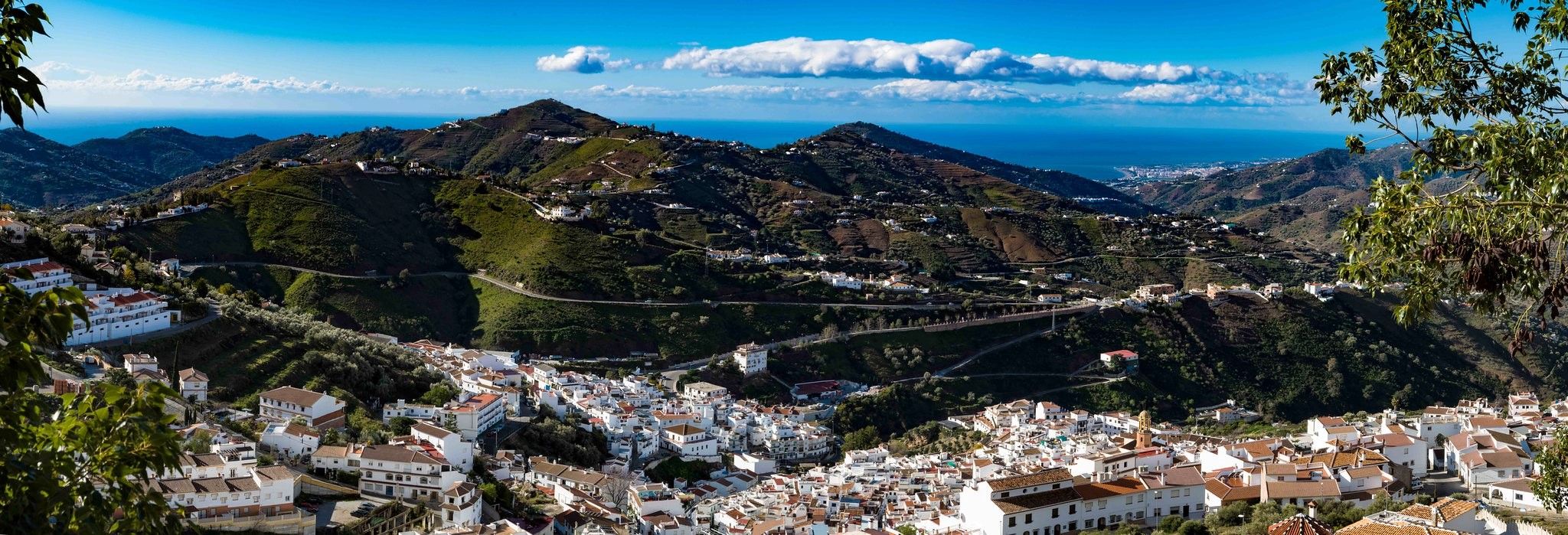
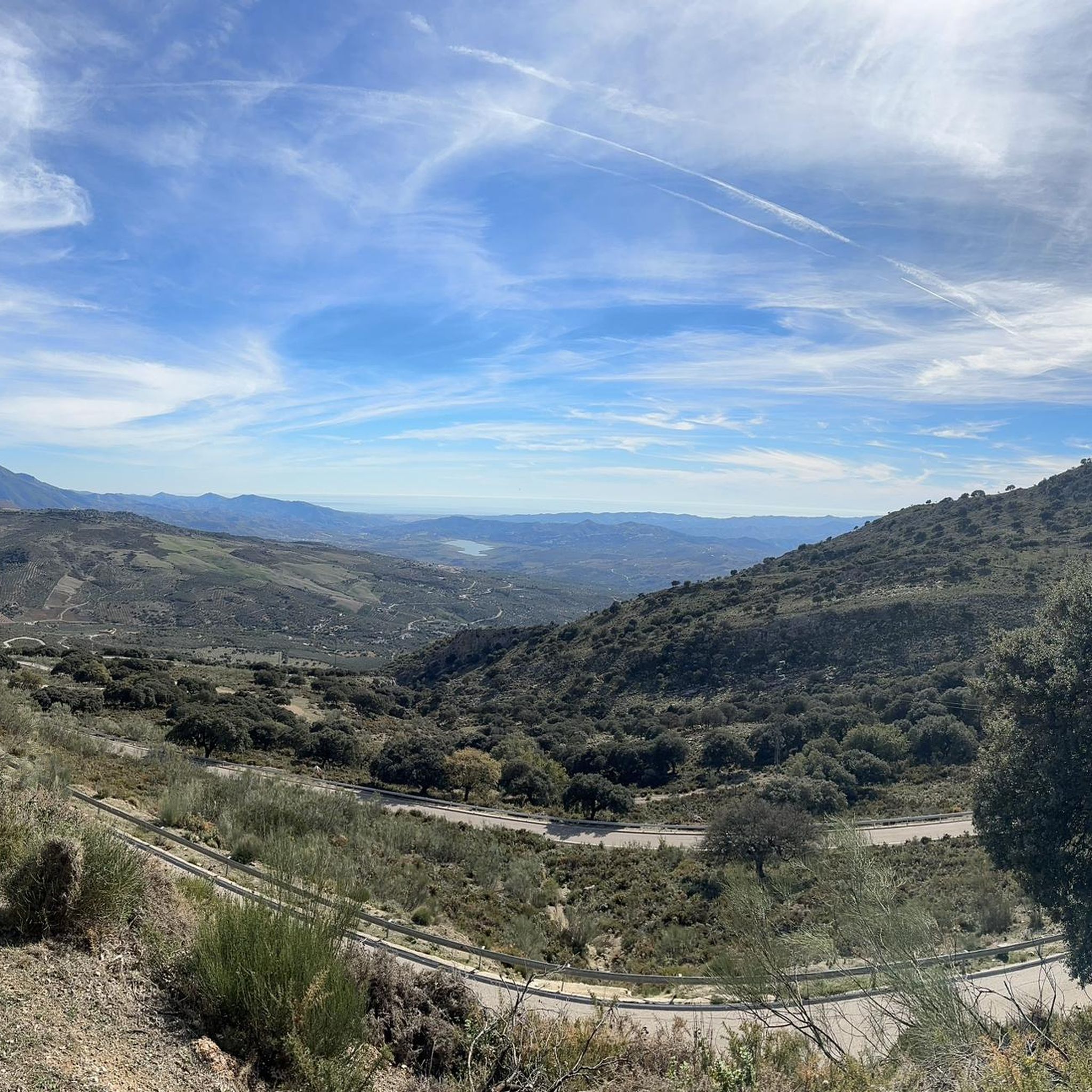
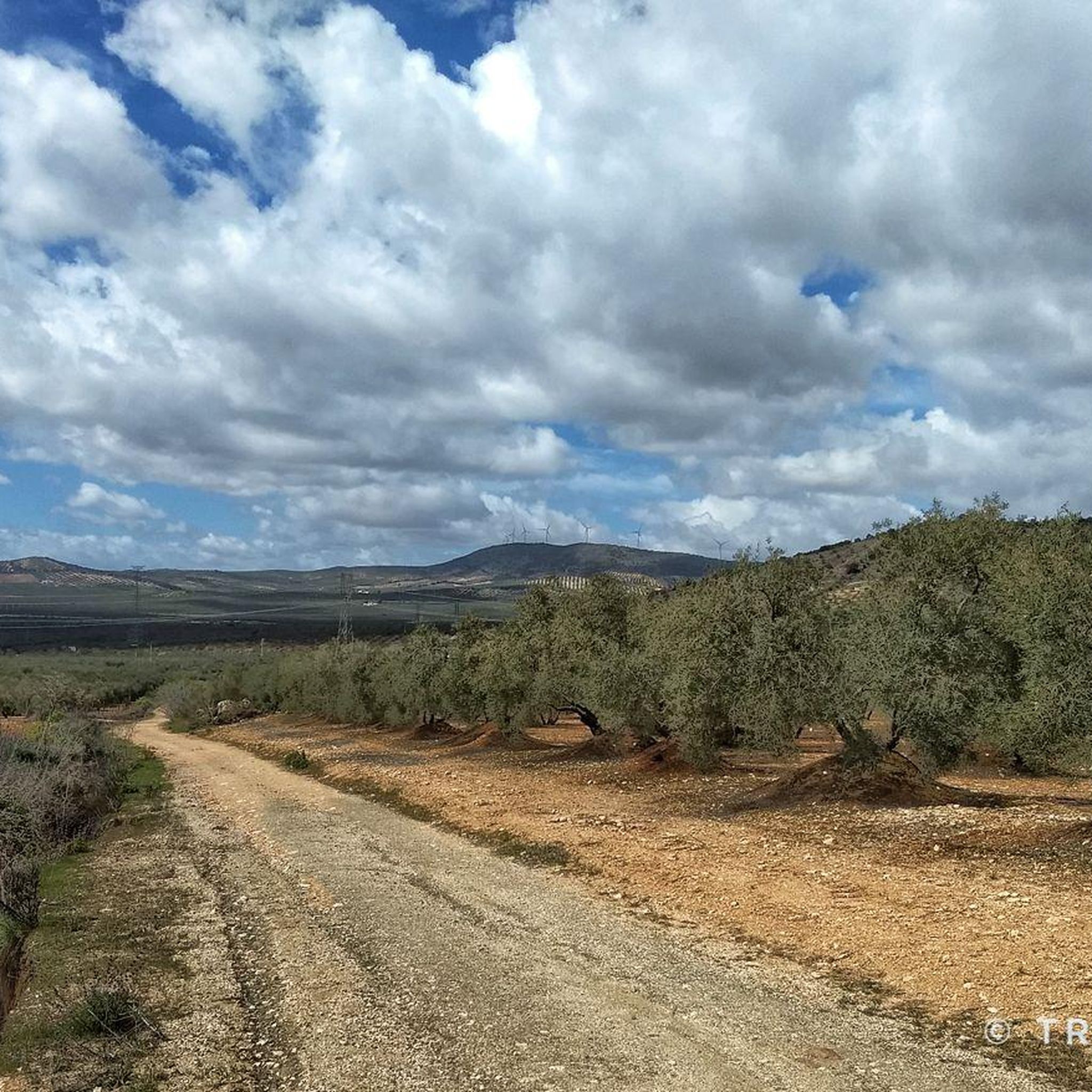


Other adventures around Archidona

Tips from the Community

The Mirador Niña de Antequera offers excellent views over the eastern part of the old town of Antequera and the surrounding mountains.
0
0

about 5,600 years ago 😮 1,140 tons 😲
3
0

The Alcazaba de Antequera is a 14th-century Moorish fortress in the heart of the Andalusian city of Antequera. Built on the remains of an ancient Roman settlement, it served as a defensive fortification during the Muslim rule, protecting the city and the surrounding valley. After the Christian conquest in 1410 by Infante Ferdinand of Castile, the fortress became a key strategic point in the Kingdom of Castile. The imposing Torre del Homenaje (Tower of Homage) is particularly impressive, one of the largest keeps in Andalusia, offering panoramic views of the city, the Peña de los Enamorados (Peño de los Enamorados rock formation), and the surrounding landscape. A bell tower was later added to the tower, housing a large bell dating from 1582. Within the walls, remnants of residential buildings, cisterns, and fortifications can still be seen. Today, the Alcazaba is open to the public, offering a fascinating glimpse into the history of Antequera and Andalusia through its panoramic views and audio guides.
1
1
The Conjunto Arqueológico Dólmenes de Antequera (Antequera Dolmens Archaeological Site) is one of the most important prehistoric sites in Europe and is located on the outskirts of Antequera in Andalusia, directly on the Carretera de Málaga (Málaga Highway). The site comprises three large megalithic tombs – the Dolmen de Menga, the Dolmen de Viera, and the Tholos de El Romeral – as well as the two natural monuments Peña de los Enamorados and El Torcal de Antequera. Together, they have formed a UNESCO World Heritage Site since 2016, uniquely demonstrating the connection between humankind, architecture, and landscape. The Dolmen de Menga is the largest structure in the site and is among the most impressive megalithic tombs in Europe. It was built between approximately 3800 and 3600 BC and consists of enormous stone blocks assembled to form a long burial chamber. Particularly noteworthy is its alignment with the rock Peña de los Enamorados, suggesting a symbolic or ritual significance. Human remains and grave goods were found inside. Just a few meters away is the Dolmen de Viera, which is somewhat smaller and more classically constructed. It was built between approximately 3500 and 3000 BC and is oriented precisely to the east, so that sunlight falls directly into the burial chamber at the equinox. The third structure, the Tholos de El Romeral, lies about four kilometers away and dates from the Copper Age, around 2500 BC. Its circular shape and corbelled vault distinguish it from the older dolmens and represent a further development of the architectural techniques of that time.
0
0

I was there mid november and the fountain was empty...
0
1
The Antequera Dolmens Archaeological Complex is one of the most important prehistoric sites in Europe and is located on the outskirts of Antequera in Andalusia, directly on the Carretera de Málaga. The complex includes three large megalithic tombs – the Dolmen de Menga, the Dolmen de Viera, and the Tholos de El Romeral – as well as the two natural monuments Peña de los Enamorados and El Torcal de Antequera. Since 2016, they have formed a recognized UNESCO World Heritage Site, uniquely demonstrating the connection between humans, architecture, and landscape. The Dolmen de Menga is the largest structure in the complex and is one of the most impressive megalithic tombs in Europe. It was built between approximately 3800 and 3600 BC and consists of enormous stone blocks assembled to form a long burial chamber. Particularly noteworthy is its orientation toward the Peña de los Enamorados rock, which indicates symbolic or ritual significance. Human remains and grave goods have been found inside. Just a few meters away is the Dolmen de Viera, which is somewhat smaller and of a more classical design. It was built between 3500 and 3000 BC and is oriented exactly east, allowing sunlight to fall directly into the burial chamber at the equinox. The third structure, the Tholos de El Romeral, is located about four kilometers away and dates back to the Copper Age around 2500 BC. Its circular shape and corbelled vault distinguish it from the older dolmens, demonstrating a further development of the architectural style of the time. The visitor center is located directly next to the Dolmens of Menga and Viera, where visitors can learn more about the history, architecture, and cultural significance of the complex. Exhibitions, models, and interactive displays explain how these monumental structures were constructed using the simplest of means and the role they played in the religious life of early communities. The center also offers guided tours, information materials, and a small shop. Today, the dolmens of Antequera are considered an outstanding example of how people understood their environment more than 5,000 years ago and shaped monumental structures in harmony with nature, astronomy, and faith. The combination of prehistoric architecture and the impressive landscape makes the site a unique testament to early European cultural history.
1
0
The Alcazaba de Antequera is a 14th-century Moorish fortress in the heart of the Andalusian city of Antequera. Built on the remains of an ancient Roman settlement, it served as a defensive fortification during the Muslim rule, protecting the city and the surrounding valley. After the Christian conquest in 1410 by Infante Ferdinand of Castile, the fortress became a key strategic point in the Kingdom of Castile. The imposing Torre del Homenaje (Tower of Homage) is particularly impressive, one of the largest keeps in Andalusia, offering panoramic views of the city, the Peña de los Enamorados (Peño de los Enamorados rock formation), and the surrounding landscape. A bell tower was later added to the tower, housing a large bell dating from 1582. Within the walls, remnants of residential buildings, cisterns, and fortifications can still be seen. Today, the Alcazaba is open to the public, offering a fascinating glimpse into the history of Antequera and Andalusia through its panoramic views and audio guides.
2
1

High above the city stands this imposing 14th-century Moorish fortress. Within its walls, you'll discover towers, plazas, and the remains of houses, while from the Torre del Homenaje (Hometown Tower), you'll enjoy stunning panoramic views of Antequera and the surrounding landscape. The Alcazaba tells the story of the city's strategic role between the Moorish and Christian empires.
3
1
Frequently Asked Questions
What historical landmarks can I visit in Archidona?
Archidona is rich in history. You can explore the ancient Archidona Castle and its Walled Enclosure, which dates back to the 9th century and offers panoramic views. Within its walls is the Hermitage of Our Lady of Grace, built over a former mosque. Don't miss the impressive Church of Santa Ana and the unique octagonal Plaza Ochavada, a prime example of Andalusian Baroque urban architecture. Nearby, you can also visit The Alcazaba of Antequera, an ancient Arab fortress offering great views.
Where can I experience nature around Archidona?
The Archidona area offers diverse natural beauty. The Lagunas de Archidona Natural Reserve features unique freshwater and saltwater lagoons, ideal for birdwatching. You can also explore the Hoz del Arroyo Marín, a river canyon with a popular circular hiking trail, or the Sierra de Gracia Peri-Urban Park for magnificent panoramic views. Another notable natural monument is the Hundred-Spout Fountain, known as the source of the Guadalhorce River, featuring 101 spouts.
Are there opportunities for hiking or outdoor activities near Archidona?
Yes, the region is excellent for outdoor activities. The Hoz del Arroyo Marín offers a nearly 8-kilometer circular hiking trail through a scenic gorge. The Sierra de Gracia Peri-Urban Park also provides trails with stunning views. For cycling enthusiasts, there are numerous routes available, such as the 'Dolmens of Antequera – Historic Centre of Antequera loop' or the 'Viewpoint, Guadalhorce River – Upper Guadalhorce River Valley loop'. You can find more details on these and other routes in the Cycling around Archidona guide.
What are some family-friendly attractions or activities in the Archidona area?
Families can enjoy several spots. The Tribune Chapel of Our Lady of Socorro and the Collegiate Church of San Sebastián are considered family-friendly historical sites. For more active fun, the Molino de Madaura Camp offers various multi-adventure activities, and the Cortijo de las Minas provides horse-riding and pony-trekking suitable for all levels.
What unique architectural sites should I see in Archidona?
Archidona is renowned for its architecture. The most iconic is the Plaza Ochavada, an octagonal square built in 1786, showcasing impressive Baroque design. Other notable architectural gems include the 16th-century Church of Santa Ana, the Baroque church within the Convent of Las Monjas Mínimas, and the 16th-century Church of La Victoria with its mannerist doorway.
Is there a museum or cultural site to learn about Archidona's history?
Yes, the Archidona Municipal Museum is housed in the historic 16th-century 'La Cilla' building. It features archaeological, ethnographic, and historical pieces, including artifacts from the Stone and Bronze Ages, models of historical buildings, and ancient clothing, offering a deep dive into the town's rich past.
What is the best time of year to visit Archidona for outdoor activities?
Archidona, located in Málaga province, generally enjoys a Mediterranean climate. Spring (April-May) and autumn (September-October) are often considered the best times for outdoor activities like hiking and cycling, as temperatures are milder and the landscapes are vibrant. Summers can be very hot, making early mornings or late afternoons preferable for activities.
Are there any accessible attractions for visitors with mobility needs?
While many historical sites in Archidona feature cobbled streets and older architecture, some areas are more accessible. The Estepa Gate is noted as wheelchair accessible. It's advisable to check specific accessibility details for other attractions directly before your visit.
What do visitors enjoy most about the attractions around Archidona?
Visitors frequently appreciate the blend of historical significance and natural beauty. The panoramic views from places like Archidona Castle and The Alcazaba of Antequera are highly praised. The unique architecture of Plaza Ochavada and the impressive sight of the Hundred-Spout Fountain also receive many positive comments. The community has contributed over 200 photos and 63 upvotes, highlighting the visual appeal and popularity of these spots.
Can I find places to eat or drink near the main attractions?
Yes, particularly around the central areas. The Plaza Ochavada, being a central gathering place, hosts various bars and restaurants where you can enjoy local cuisine and refreshments. Many of the town's cobbled streets also lead to charming cafes and eateries.
Are there any unique cultural events in Archidona?
Archidona is particularly known for its Holy Week celebrations, which are among the most popular in the province of Malaga. These events offer a deep dive into local traditions and religious fervor. Additionally, exploring the bustling local markets is a great way to experience the local culture, sample regional delicacies, and find handmade crafts.
Where can I go for a scenic viewpoint in Archidona?
For breathtaking views, head to the Archidona Castle and Walled Enclosure, which crowns the Sierra de Gracia and offers panoramic vistas of the town and surrounding landscapes. The Sierra de Gracia Peri-Urban Park also provides magnificent viewpoints with trails and recreational areas.
Most popular routes around Archidona
Most popular attractions around Archidona

Get inspired with the komoot mobile app


Explore more
Still not found the Highlight you’re looking for? See guides of the top attractions in other regions:
