Attractions and Places To See around Tortuero - Top 20
Best attractions and places to see around Tortuero include a variety of natural viewpoints, historical sites, and traditional settlements. Located in Spain, this region offers diverse landscapes from mountainous peaks to river valleys. Visitors can explore areas known for their unique black architecture and significant historical landmarks. The area provides opportunities to discover its natural beauty and cultural heritage.
Best attractions and places to see around Tortuero
- The most popular attractions is Cancho de la Cabeza Summit, a summit…
Last updated: August 16, 2026
Cancho de la Cabeza Summit
Highlight • Summit
Translated by Google •
Tip by

Pontón de la Oliva Dam and Cliffside Pathways
Highlight • Monument
Translated by Google •
Tip by

Sign up now to discover places like this
Get recommendations on the best single tracks, peaks, & plenty of other exciting outdoor places.
Sign up for free
La Hiruela
Highlight • Settlement
Translated by Google •
Tip by
Puerto de la Puebla
Highlight • Mountain Pass
Translated by Google •
Tip by

Roblelacasa
Highlight • Settlement
Translated by Google •
Tip by
Sign up for free to discover even more attractions around Tortuero.
Sign up for free
Already have an account?
Start today with a free account
Your next adventure awaits.
Login or Signup
Tips from the Community

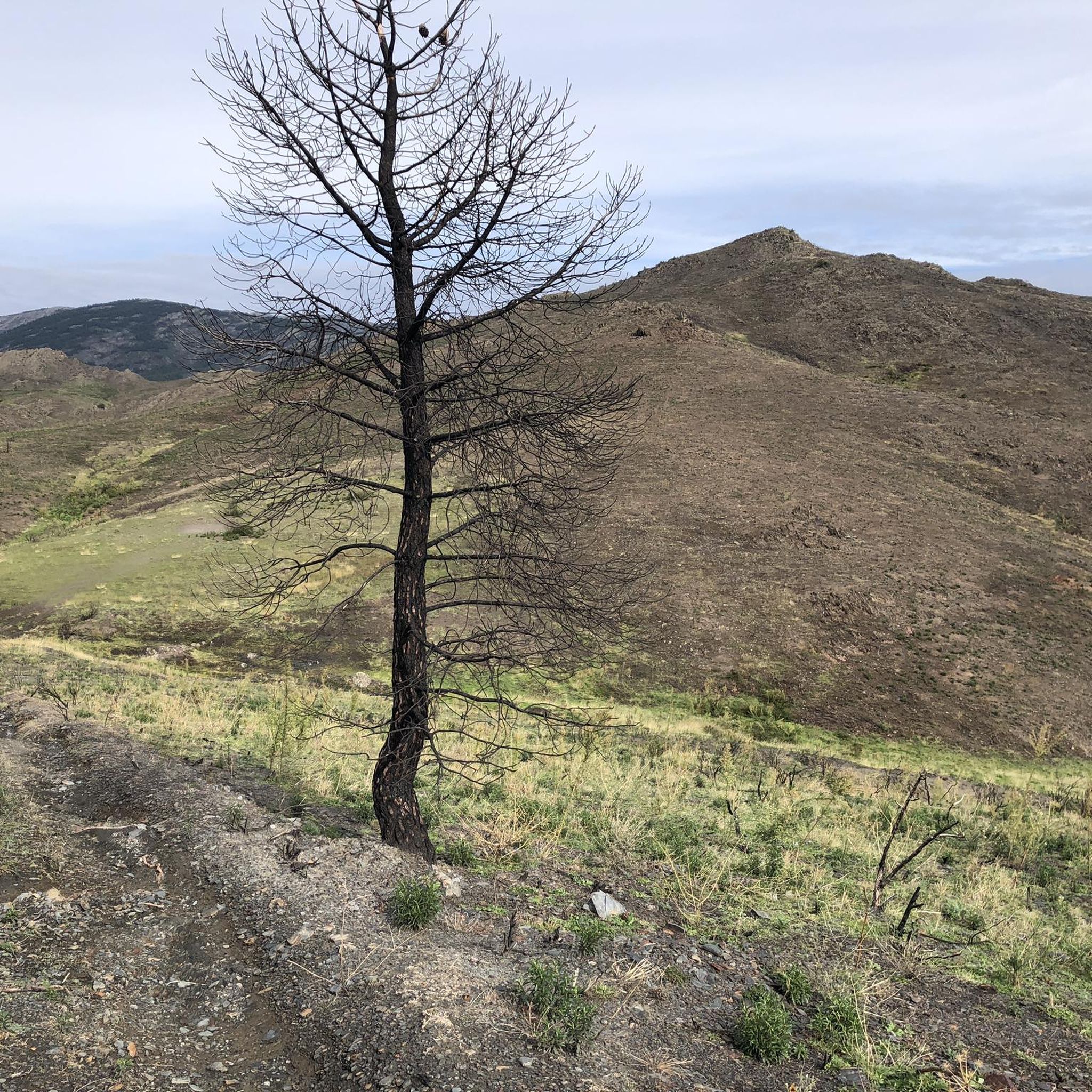
A very pleasant pass to climb up the Puebla de la Sierra side. To do this, you have to access it from Robledillo, with very steep ramps to warm up, and a few kilometers on a narrow and bumpy road. The views and the route are totally worth it. Avoid weekends, especially busy hours, as motorcycles, and especially cars, can spoil the party a bit, as I say, the road is very narrow. There is a fountain at the lowest point between Robledillo and Puebla, and another one when leaving Puebla de la Sierra. They are the only two points where you will be able to fill your bottles "for free".
0
0


start from the dam
1
0

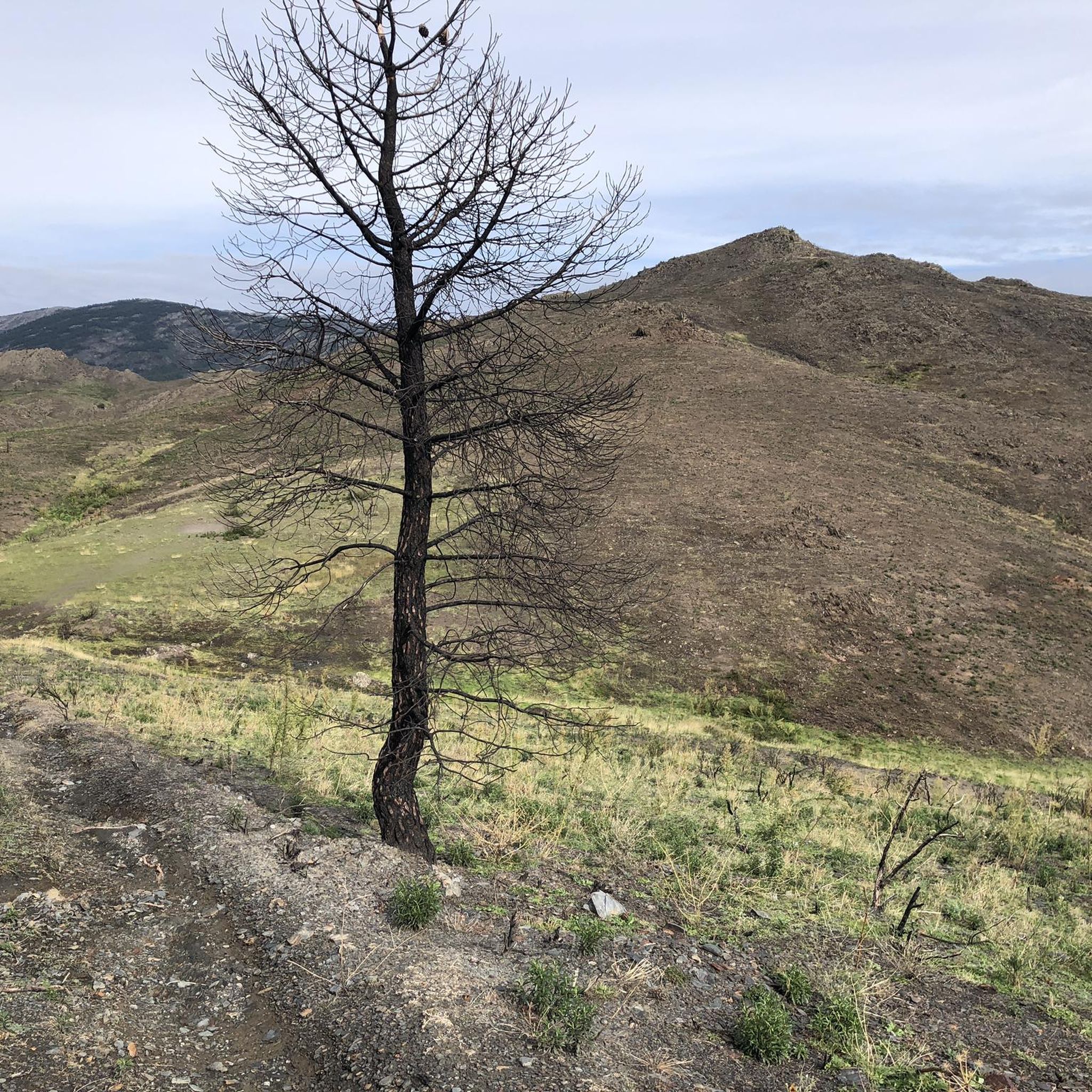
Beautiful place where people go for a walk or to climb.
1
0

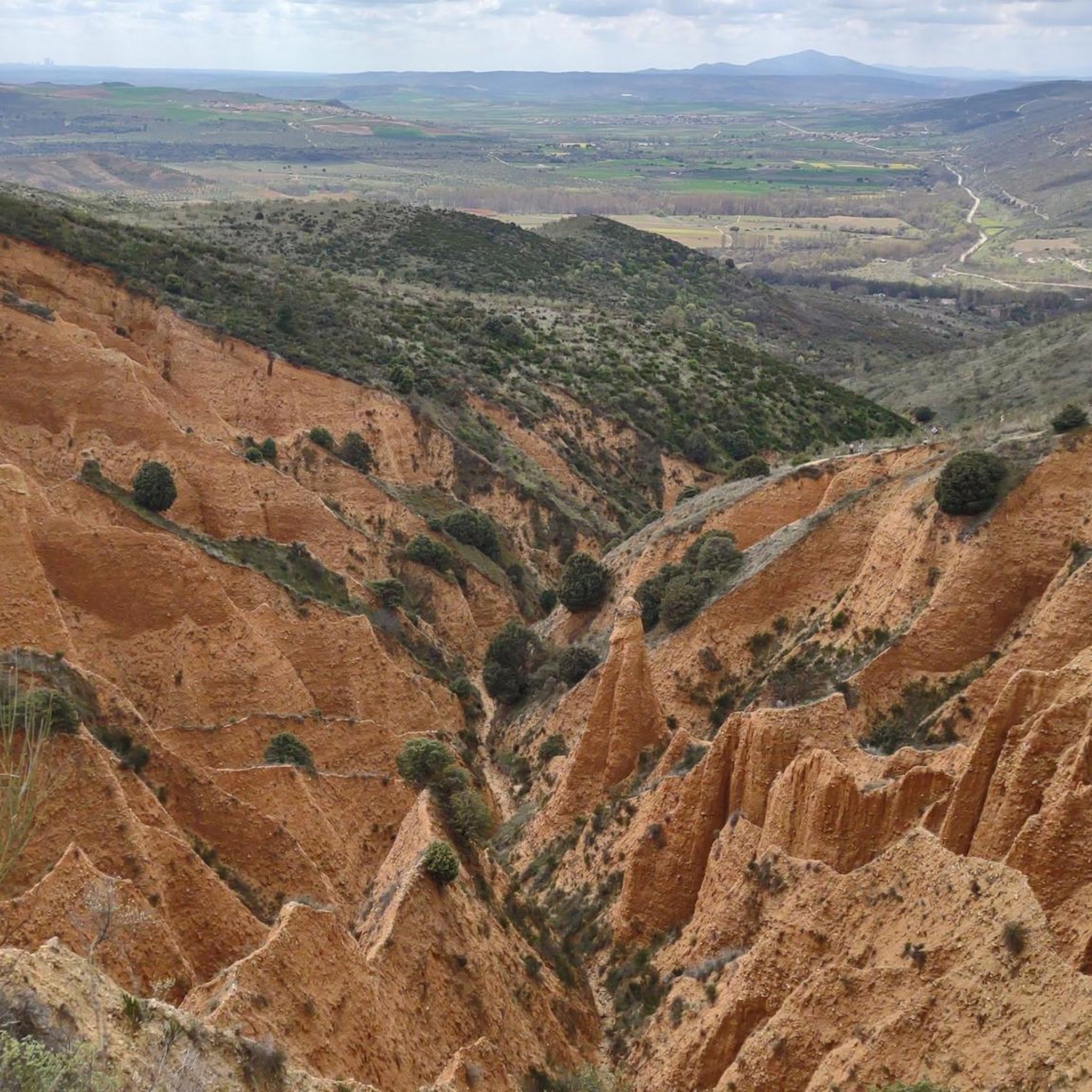
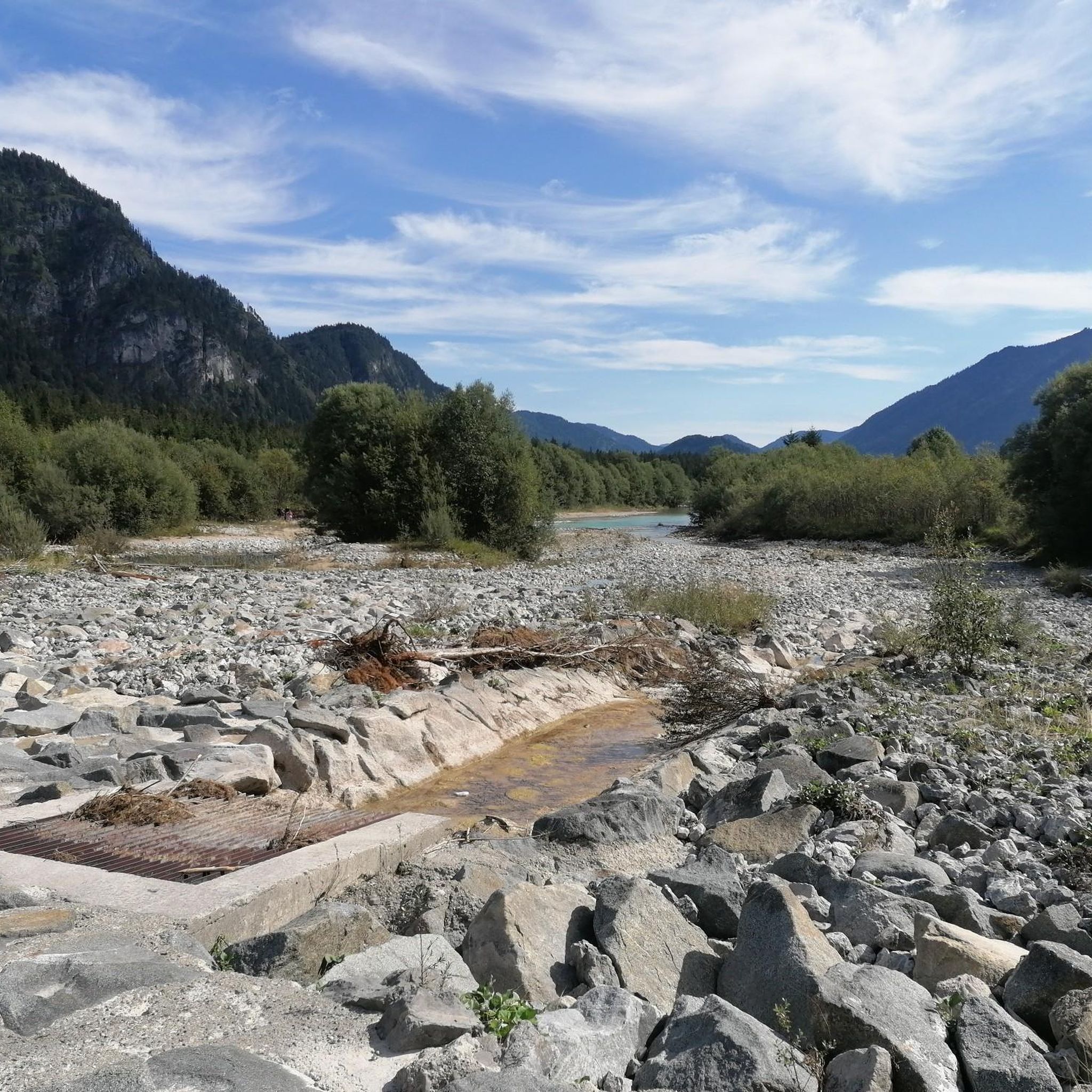
The Pontón de la Oliva is a Spanish dam located in the Ayllón mountain range, northeast of the Community of Madrid and northwest of the province of Guadalajara. It was built in 1857 and is currently disused. This dam is the sixth and last in the course of the Lozoya River, and is the oldest of the entire system of dams and canalizations of the Canal de Isabel II. This canal supplies drinking water to Madrid and a large part of the community. The height of the Pontón de la Oliva Dam is approximately 30 meters. If you are interested in exploring the area, there are routes that take you to the Cárcavas de Pontón de la Oliva, a curious geological formation in the Community of Madrid. In addition, you can enjoy a route along the Pontón de la Oliva to the Lozoya River, which offers impressive views. I hope you find this information interesting! 😊
5
0

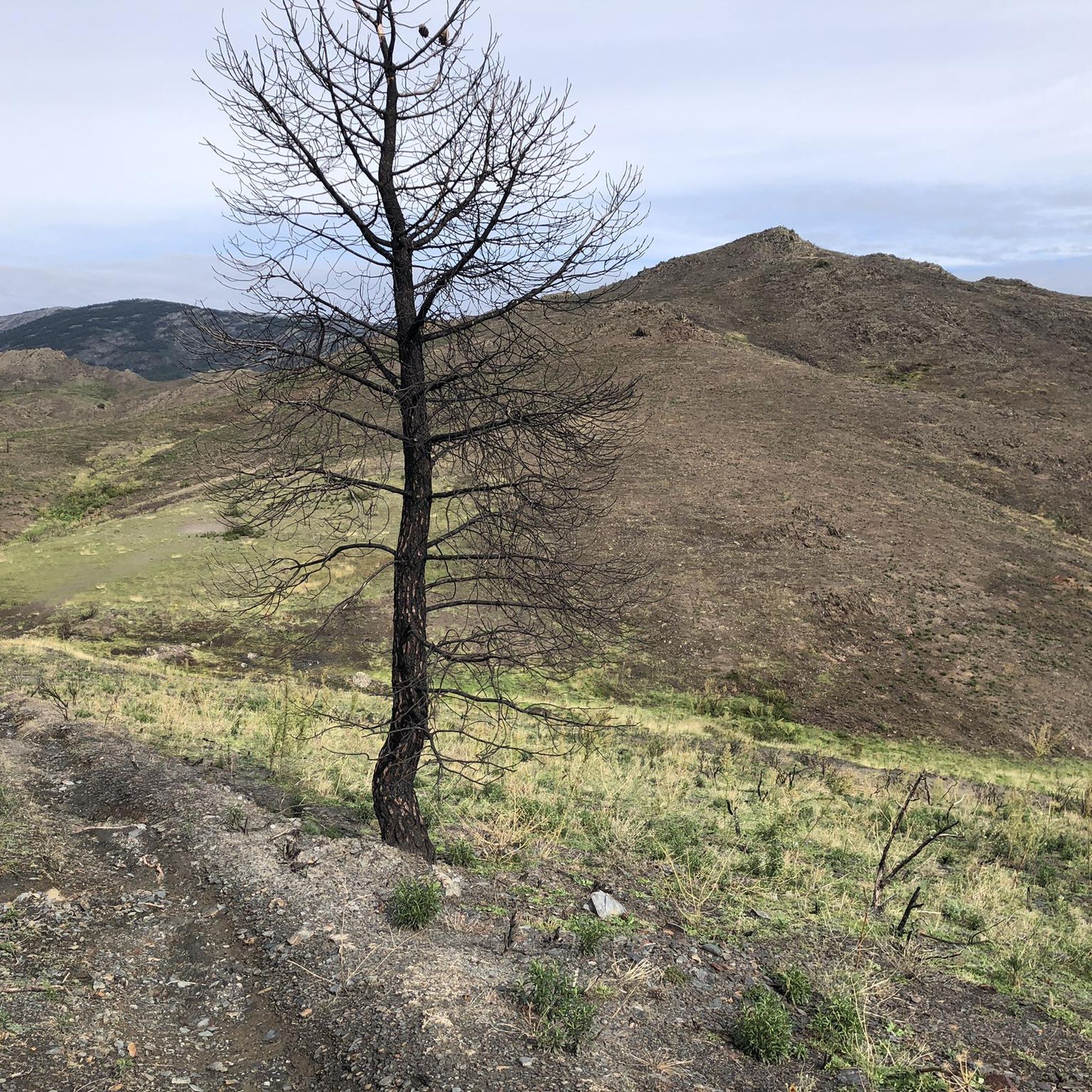
Spectacular views, generally good climb with some demanding sections before crossing the firebreak. the rest, quite bearable
1
0
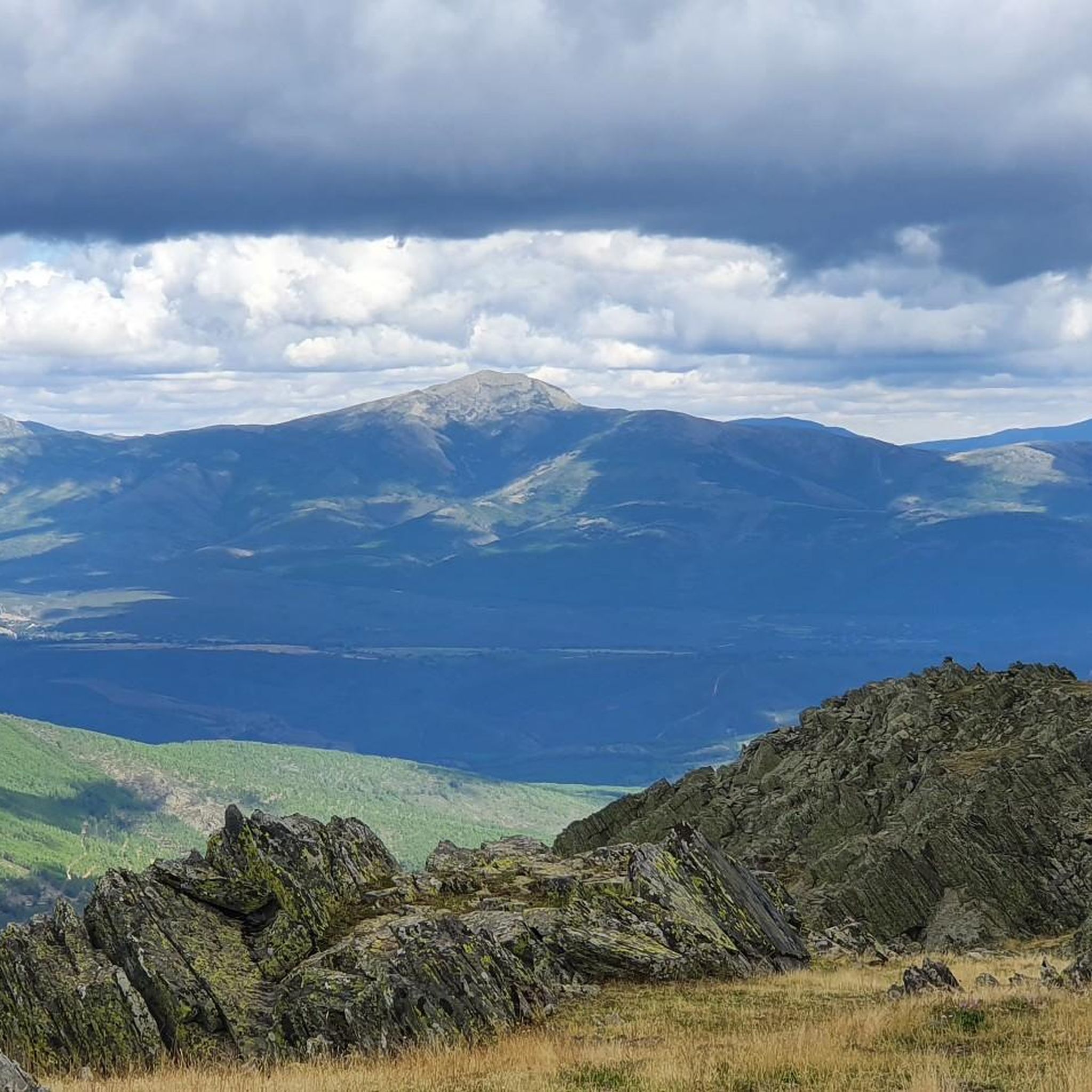
Cancho de la Cabeza, the highest peak in the municipality of Patones, rises majestically in the Sierra Norte region of Madrid. This beautiful natural viewpoint offers panoramic views of the El Atazar reservoir and, in the background, you can see the Peña de la Cabra, one of the numerous peaks of the Ayllón mountain range.
2
0
Cancho de la Cabeza, the highest peak in the municipality of Patones, rises majestically in the Sierra Norte region of Madrid. This beautiful natural viewpoint offers panoramic views of the El Atazar reservoir and, in the background, you can see the Peña de la Cabra, one of the numerous peaks of the Ayllón mountain range. Remember that Patones de Arriba is a small “kingdom” near Madrid, full of charm and tradition. Enjoy the natural beauty and stunning views that Cancho de la Cabeza offers! 🏞️🌄
1
0
Frequently Asked Questions
What natural features and viewpoints can I explore around Tortuero?
The region around Tortuero offers stunning natural viewpoints. The most prominent is Cancho de la Cabeza Summit, which provides spectacular 360º views of the Atazar reservoir, the Sierra de Ayllón, and the plain of Madrid. You can also find impressive views along the Lozoya River from the Pontón de la Oliva Dam and Cliffside Pathways.
Are there any historical sites or cultural landmarks to visit in the Tortuero area?
Yes, the area is rich in history. The Pontón de la Oliva Dam and Cliffside Pathways is a significant historical site, being the oldest dam in Madrid, built in the mid-19th century. You can also visit traditional settlements like La Hiruela and Roblelacasa, known for their unique 'black architecture' using local slate and traditional materials.
What kind of unique architecture can I see in the villages near Tortuero?
The villages of La Hiruela and Roblelacasa are prime examples of the region's distinctive 'black architecture'. This style uses local materials like stone, adobe, oak wood, and especially slate, giving the buildings a characteristic dark appearance. These well-preserved towns offer a glimpse into traditional rural life and construction.
Are there family-friendly attractions or activities around Tortuero?
For families, exploring the charming village of La Hiruela is a great option. It's recognized for its unique architectural identity and offers routes like the route of occupations and oak forests, which can be enjoyable for all ages. The natural viewpoints also provide accessible outdoor experiences.
What outdoor activities, like hiking or cycling, can I do near these attractions?
The area around Tortuero is excellent for outdoor activities. You can find numerous routes for road cycling, touring cycling, and running. For instance, there are road cycling routes like the 'Black Architecture Villages Loop' and touring bicycle routes around the El Atazar reservoir. Running enthusiasts can explore trails such as the 'Arcipreste de Hita Trail'. You can find detailed guides for these activities at Road Cycling Routes around Tortuero, Cycling around Tortuero, and Running Trails around Tortuero.
What do visitors enjoy most about the attractions around Tortuero?
Visitors particularly appreciate the panoramic views from spots like Cancho de la Cabeza Summit, which offers stunning vistas of the surrounding mountains and reservoirs. The unique architectural identity and well-preserved nature of villages like La Hiruela are also highly praised, as is the historical significance of the Pontón de la Oliva Dam.
Are there any bridges of historical interest in the region?
Yes, the Trillos Bridge over the Jarama River is a notable historical structure. It's known for its natural landscapes and traditional black architecture in the surrounding area, and the route passing through it is popular with hikers.
What is the best time of year to visit Tortuero for sightseeing and outdoor activities?
While specific seasonal data isn't provided, the region's mountainous and natural attractions, such as summits and hiking trails, are generally best enjoyed during spring and autumn when temperatures are milder. Summer can be warm, and winter might offer different scenic views but could present challenges for some trails.
Are there any easy walking trails or routes suitable for beginners near Tortuero?
While many trails in the region are rated intermediate or difficult, the accessibility of Cancho de la Cabeza Summit makes it a popular choice for various skill levels, offering rewarding views without extreme difficulty. Exploring the villages like La Hiruela also provides pleasant, easy walks through historic streets and nearby oak forests.
Can I find any hidden gems or less-known spots around Tortuero?
The entire region, often referred to as the 'Sierra Pobre' (though rich in landscape and nature), holds many charming, less-traveled spots. Beyond the main highlights, exploring the routes around the traditional black architecture villages like Roblelacasa can lead to discovering quiet corners and picturesque views away from more crowded areas.
What kind of terrain can I expect when hiking around Tortuero?
The hiking terrain around Tortuero varies, ranging from the accessible paths leading to viewpoints like Cancho de la Cabeza Summit to more challenging routes along river valleys and through mountainous areas. You can expect paths that traverse traditional settlements, cross historical bridges like Trillos Bridge, and offer views of geological formations and reservoirs.
Most popular routes around Tortuero
Most popular attractions around Tortuero

Get inspired with the komoot mobile app


Explore more
Still not found the Highlight you’re looking for? See guides of the top attractions in other regions:
