The best road cycling routes around San Pedro De Latarce
3.0
(2)
17
riders
5
rides
Road cycling routes around San Pedro De Latarce, located in the Tierra de Campos region of Valladolid province, traverse expansive, open plains. The terrain is characterized by gently undulating landscapes and cereal fields, providing a setting for steady, long-distance rides. Quiet, low-traffic roads crisscross this agricultural area, offering a peaceful cycling experience. The region is situated by the Sequillo river, contributing to its natural features.
Best road cycling routes around San Pedro De Latarce
- The most popular road cycling route…
Last updated: July 12, 2026
1
riders
105km
04:21
650m
650m
Moderate road ride. Good fitness required. Mostly well-paved surfaces and easy to ride.
147km
05:51
640m
640m
Hard road ride. Very good fitness required. Mostly well-paved surfaces and easy to ride.

Sign up for free
6
riders
67.1km
02:53
460m
460m
Moderate road ride. Good fitness required. Mostly well-paved surfaces and easy to ride.
3.0
(1)
6
riders
61.2km
02:53
330m
330m
Moderate road ride. Good fitness required. Some segments of this route may be unpaved and difficult to ride.
3.0
(1)
4
riders
Moderate road ride. Good fitness required. Mostly well-paved surfaces and easy to ride.
Our route recommendations are based on thousands of hikes, rides, and runs completed by other people on komoot.
Start today with a free account
Your next adventure awaits.
Login or Signup
Popular around San Pedro De Latarce
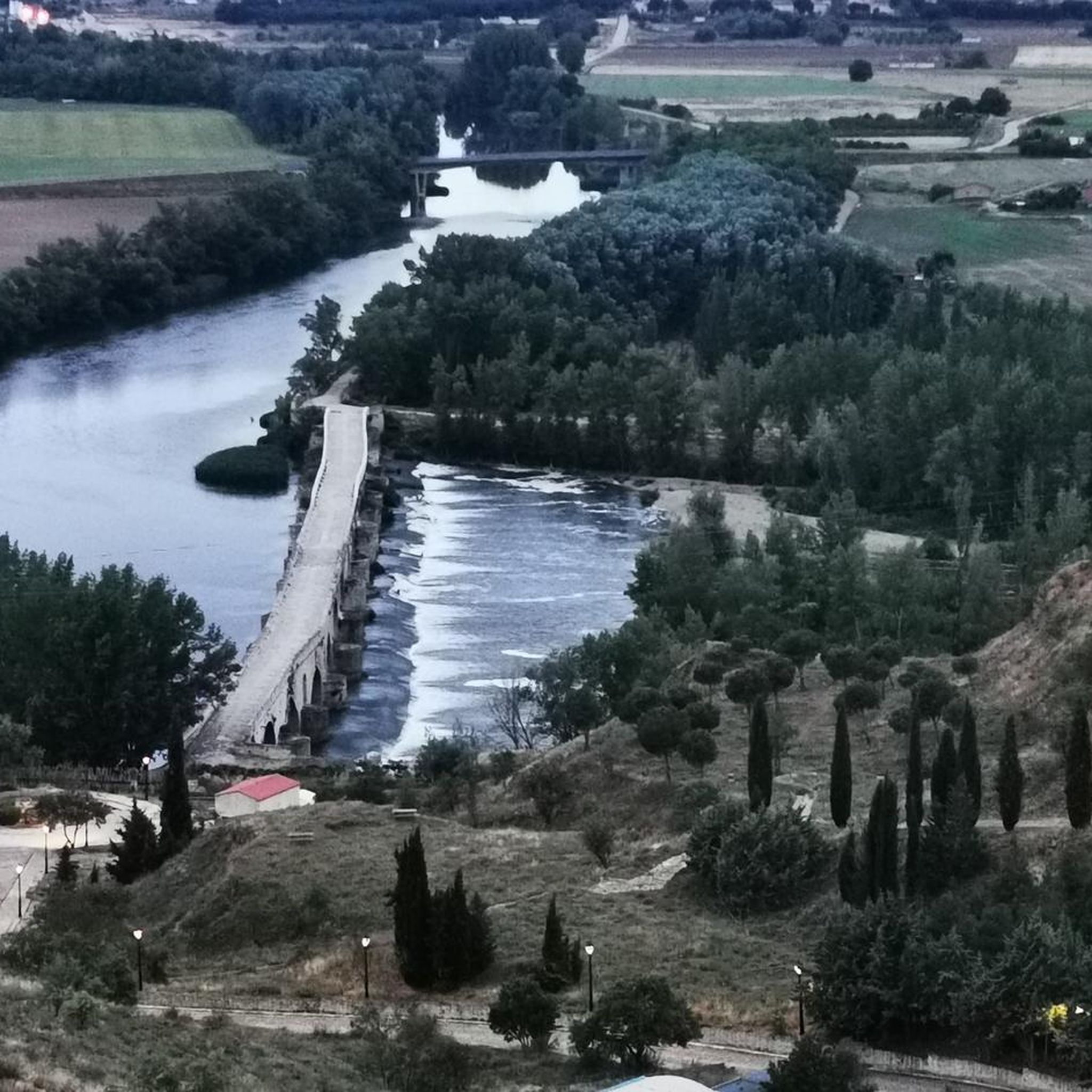
Tips from the Community

Located on a plain near the village of Villalonso (population approximately 75), 11 km from Toro and about 47 km from Zamora. It is a typical square-plan castle-palace with a high moat (now filled in), corner towers, crenellated walls, and a keep crowned by a machicolation.
1
0
The current castle was built in the 15th century on the site of an earlier 13th-century fortification, which belonged to the Order of Alcántara. In 1470, Juan de Ulloa and his wife, María de Sarmiento, rebuilt it in a palatial style, placing their coats of arms above the entrance. Juan supported the Portuguese cause in the War of the Castilian Succession and died defending the castle in 1476; his widow then defended it for a time.
1
0
The Alcázar of Toro is a historic fortification located in the town of Toro (Zamora, Castile and León), with great heritage and scenic value. It was built in the 10th century during the Christian repopulation, as part of the defensive system against Muslim incursions. It was reinforced in subsequent centuries, especially in the Middle Ages, when Toro acquired strategic importance in the Kingdom of León and later in Castile. It played a prominent role in the War of the Castilian Succession (1475), in the famous Battle of Toro between supporters of Isabella I of Castile and Joanna la Beltraneja.
2
0

High on a hill near Urueña stands this Romanesque hermitage of Mozarabic origin, one of the most unique in Castile and León. What few know is that beneath its floor were found Visigothic pottery fragments and a small well used to collect rainwater, considered blessed. Local shepherds said that this water cured eyesight if applied at dawn. Today, the well remains, covered by a slab, and the hermitage continues to hold its air of mystery among the golden stones of the moor.
0
0

Well-preserved castle, interesting visit, and beautiful views of the Castilian countryside, especially in spring. Good trails for mountain biking.
1
0
The Hermitage of Our Lady of the Annunciation is located in Urueña, in the province of Valladolid and is an outstanding example of Romanesque-Lombard art in Spain. Built in the 12th century by order of the Infanta Sancha Raimúndez, on the site of a previous Mozarabic church. It is the only complete example of Romanesque-Lombard art in Castile and León. The hermitage is located in a small valley a few kilometres from the town of Urueña, offering a magnificent view of the wall that surrounds the town.
4
0
Today, only the outer walls remain, and the various rooms that it may have had in the past have completely disappeared. It was built around the year 1060 by the Castilian monarch Ferdinand I the Great on the remains of an ancient Roman fortification.
5
0
Urueña Castle is an impressive fortress located in the municipality of Urueña, in the province of Valladolid, Spain. This medieval castle dates back to the 11th century and is one of the best preserved in the region. Originally built in the 11th century, the castle has witnessed numerous historical events and has undergone several renovations over the centuries.
7
0
Frequently Asked Questions
What is the typical terrain like for road cycling in San Pedro De Latarce?
Road cycling in San Pedro De Latarce, located within the Tierra de Campos region, is characterized by expansive, open plains. The terrain is generally gently undulating, offering steady, long-distance rides on quiet, low-traffic roads that crisscross agricultural fields. While major climbs are not prevalent directly in San Pedro De Latarce, some modest ascents can be found in the broader Tierra de Campos region, adding variety to longer routes.
How many road cycling routes are available around San Pedro De Latarce?
There are 5 road cycling routes available around San Pedro De Latarce. These routes offer a mix of moderate and difficult options, catering to various skill levels.
What are the difficulty levels of road cycling routes in this region?
The road cycling routes around San Pedro De Latarce are primarily moderate, with 4 routes falling into this category. There is also 1 difficult route for more experienced cyclists seeking a greater challenge.
What do other cyclists say about road cycling in San Pedro De Latarce?
The road cycling routes around San Pedro De Latarce are highly rated by the komoot community, with an average score of 3.0 stars from over 2 reviews. Cyclists often appreciate the peaceful, low-traffic roads and the unique landscapes of the Tierra de Campos region.
Are there any long-distance road cycling routes available?
Yes, the region offers several long-distance routes. For instance, the Villalpando – tour around Malva – Villafáfila Lakes Natural Reserve is a challenging 91.3-mile (146.9 km) path, and Urueña y Wamba desde Tiedra – circular por los castillos covers 65.0 miles (104.7 km).
Can I find circular road cycling routes in the area?
Yes, several routes are designed as loops. A notable example is the Urueña y Wamba desde Tiedra – circular por los castillos, which allows you to start and end in the same location after exploring historical sites. Another option is the Plaza de Santa Marina – Clock Tower of Toro loop from Toro.
What historical landmarks can I see while road cycling near San Pedro De Latarce?
You can integrate visits to several historical landmarks into your rides. The impressive Urueña Castle, dating back to the 11th century, is a significant sight. Also near Urueña is the 12th-century Hermitage of Our Lady of the Annunciation, a unique example of Romanesque-Lombard art. The route Urueña Castle – Villalonso Castle loop from La Posta del Llano specifically highlights these historical points.
Are there any scenic natural features to experience on a road bike?
Absolutely. The region is known for its vast cereal fields and the tranquil Sequillo river. During July, the Tiedra Lavender Fields burst into vibrant purple, offering a stunning and aromatic backdrop for cyclists. Additionally, the route Villalpando – tour around Malva – Villafáfila Lakes Natural Reserve provides views of the Villafáfila Lakes Natural Reserve.
When is the best time of year for road cycling in San Pedro De Latarce?
The region offers pleasant cycling conditions for much of the year. For a truly unique experience, consider cycling in July when the Tiedra Lavender Fields are in full bloom, providing a spectacular visual and aromatic journey.
Are there family-friendly road cycling options around San Pedro De Latarce?
While specific 'easy' routes are not listed, the generally gently undulating terrain and quiet, low-traffic roads of the Tierra de Campos region make it suitable for families looking for a relaxed cycling experience. Focus on shorter, flatter sections to ensure an enjoyable ride for all skill levels.
Can I find routes that pass through charming towns or villages?
Yes, cycling through the Tierra de Campos region allows you to explore numerous small towns and villages, offering glimpses into traditional Spanish architecture and local life. The Plaza de Santa Marina – Clock Tower of Toro loop from Toro, for example, leads through the historic town of Toro.
Are there any routes with notable viewpoints?
Many routes in the region offer panoramic views across the expansive plains of Tierra de Campos. The route Views of Pinilla de Toro – Monastery of La Santa Espina loop from Villardondiego specifically highlights scenic views, and the area around Urueña Castle also provides magnificent vistas of the surrounding countryside.
Most popular routes around San Pedro De Latarce
Most popular attractions around San Pedro De Latarce

Get inspired with the komoot mobile app


Explore more
Browse the best Road cycling routes in other regions.
