The best road cycling routes around Villazala
5.0
(2)
293
riders
46
rides
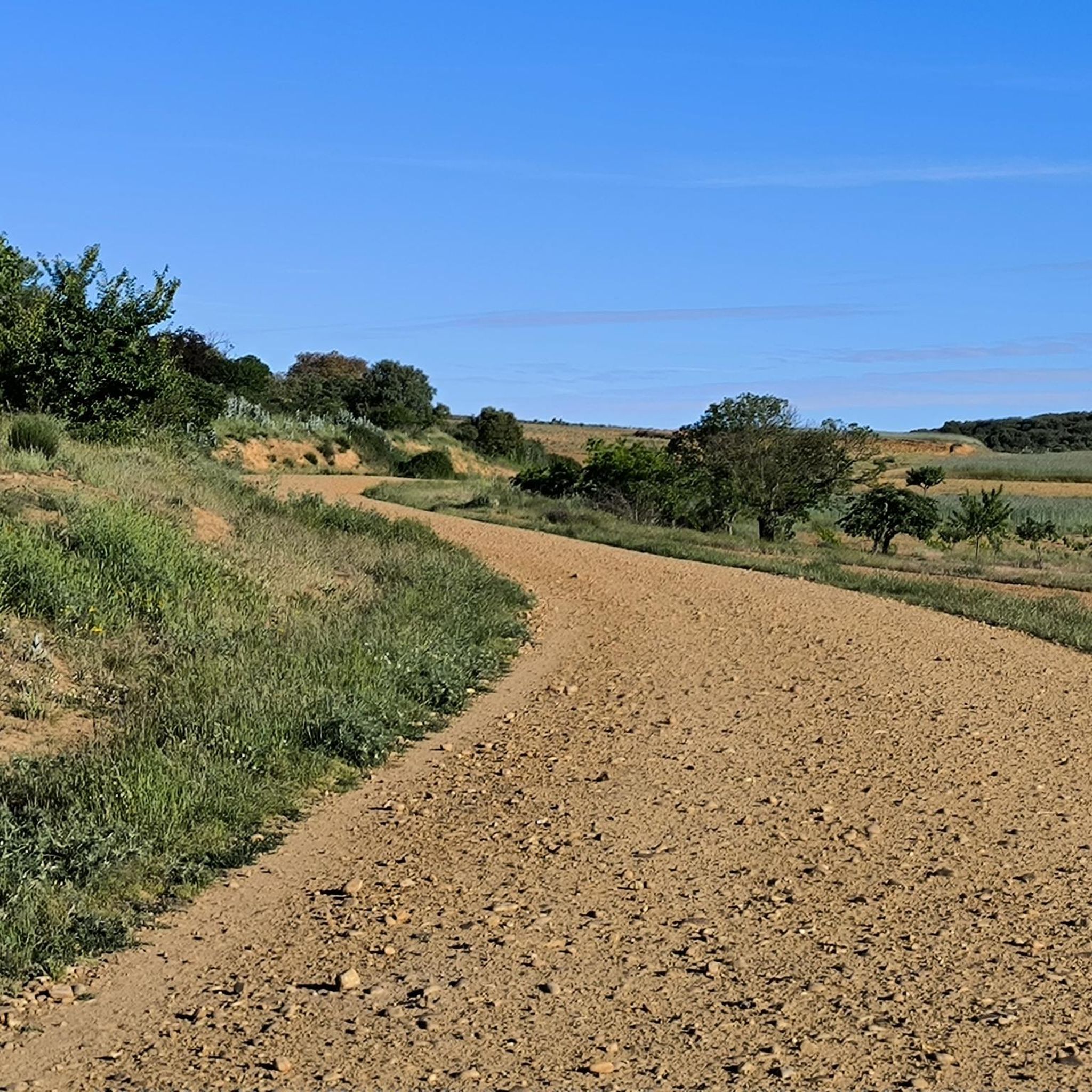
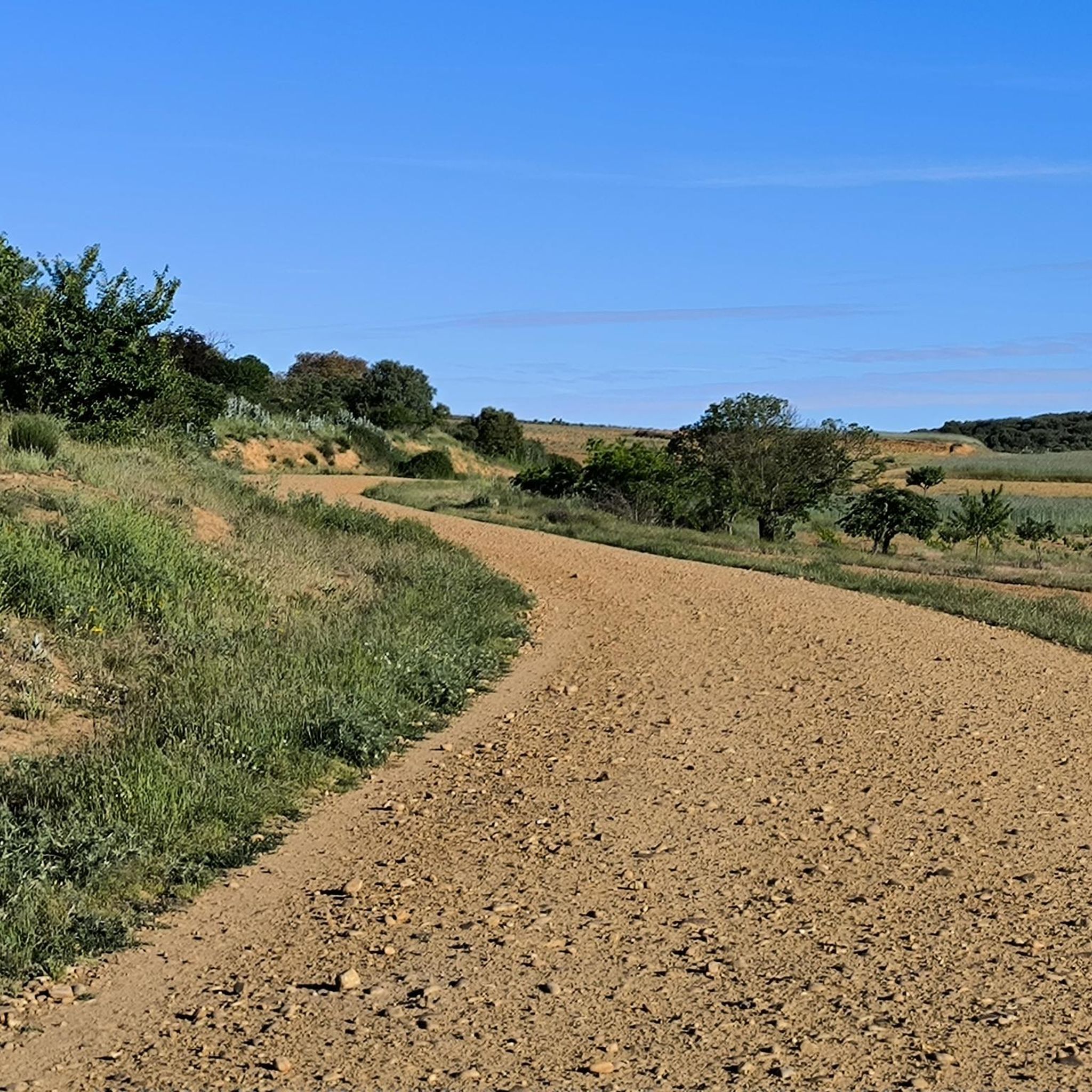
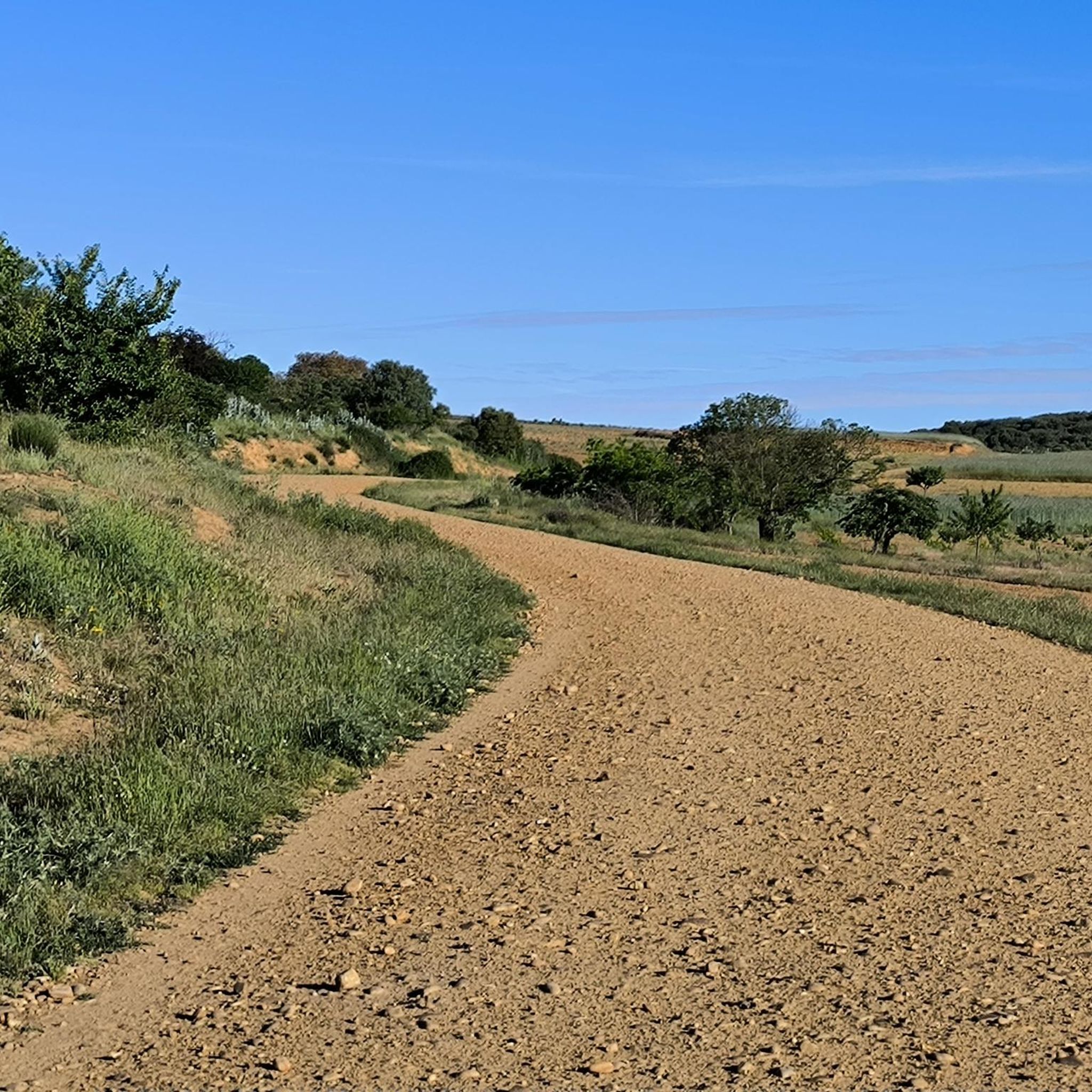
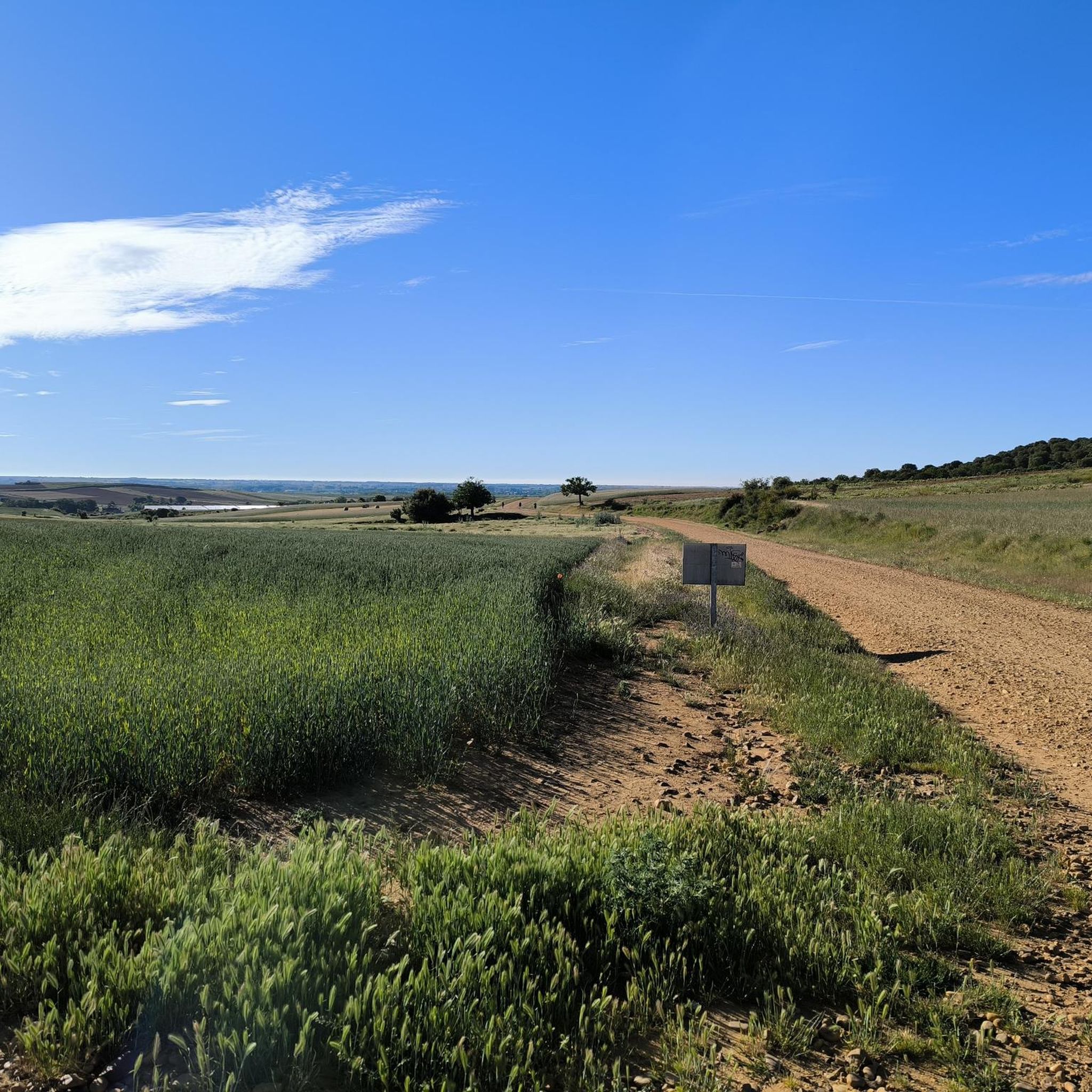
Road cycling routes around Villazala are characterized by accessible paths through rural landscapes within the Castilla y León region. The terrain primarily features gentle gradients suitable for road bikes, with well-paved surfaces connecting villages and historical sites. The area is defined by its agricultural fields and the proximity to the Órbigo River, offering scenic views without significant elevation changes. This region provides a network of routes that cater to various cycling preferences.
Best road cycling routes around Villazala
- The most…
Last updated: June 28, 2026
21
riders
Moderate road ride. Good fitness required. Mostly well-paved surfaces and easy to ride.
10
riders
61.3km
02:31
360m
360m
Cycle a moderate 38.1-mile (61.3 km) circular route from La Bañeza through rural Castilla y León, passing charming villages and the Old Iron

Sign up for free
10
riders
64.8km
02:35
260m
260m
This moderate 40.2-mile (64.8 km) road cycling route from La Bañeza loops via Hospital de Órbigo and Astorga, offering diverse landscapes.
4
riders
Moderate road ride. Good fitness required. Mostly well-paved surfaces and easy to ride.
19
riders
Moderate road ride. Good fitness required. Some segments of this route may be unpaved and difficult to ride.
Get access to more routes and recommendations from other explorers.
Sign up for free
Already have an account?
Our route recommendations are based on thousands of hikes, rides, and runs completed by other people on komoot.
Start today with a free account
Your next adventure awaits.
Login or Signup
Tips from the Community


The Bishop's Palace of Astorga is one of only three buildings that Antoni Gaudí built outside Catalonia.
3
0

In the heart of Astorga, right next to the cathedral, lies one of the most unusual bishop's residences on the Iberian Peninsula: the Palacio Gaudi. It was designed and built by the famous Spanish architect of the same name (Antonio Gaudi, 1852-1926). A visit to the museum housed here is worthwhile both for the exhibits on display and, of course, for the imaginative architecture of the building.
2
0

The Pilgrim Monument in Villavente is a sculpture dedicated to pilgrims who walk the Camino de Santiago. The sculpture represents a pilgrim with his staff and gourd, traditional elements of the attire of walkers on the Camino de Santiago. These types of monuments not only serve as reference and resting points for pilgrims, but also symbolize the hospitality and support of local communities to travelers.
3
0

On June 24, 1889, the prelate's name day, the first stone was laid. They had planned to complete the work on the palace in June 1894, but the bishop died in 1893, and this event radically changed the course of the work, paralyzed by the hostility between Gaudí and the Diocesan Council. Finally, Antonio Gaudí resigned from his post as chief architect, very upset by the treatment he received. In 1905, D. Julián de Diego y Alcolea ruled the diocese of Astorga and tried to convince Gaudí to return to the works of the palace, but he did not succeed. Ricardo García-Guereta, diocesan of León, was appointed architect and completed the work on October 12, 1913, as bishop D. Julián de Diego y Alcolea
4
0
The Passo Honroso Bridge in Hospital de Órbigo is an impressive medieval construction from the 13th century. This bridge is known for its large size and historical importance, as it was the scene of the famous Passo Honroso joust in 1434, where the knight Suero de Quiñones and his companions defended the bridge for a month. 🌉😎🚶♀️🚴
5
0
This hostel is known for its cozy and art-filled atmosphere, as it is a restored old farmhouse. The hostel offers an atmosphere of peace and harmony, ideal for pilgrims looking for a comfortable place full of history to rest.😊🚶♀️😎
2
0

The Iglesia de San Juan Bautista is located in Hospital de Órbigo, a medieval village in the province of León. The village is known to pilgrims who follow the French route of the Camino de Santiago. The church itself is a reminder of the presence of the Knights Hospitaller. It has a cross-shaped plan and has been rebuilt. The entrance facade has a cross of the Order. The church is very centrally located in the village, next to the town hall. It is perfectly preserved and the statue of San Juan Bautista that can be seen at the entrance through the triple portal is particularly striking. The construction of the church dates back to the mid-18th century. It belonged to the Military Order of the Knights of St. John of Jerusalem and its Prior was that of San Román El Antiguo of the same Order4. The altarpiece belongs to the Plateresque style4.
4
0
Frequently Asked Questions
How many road cycling routes are available around Villazala?
There are over 45 road cycling routes available around Villazala, offering a wide range of options for different preferences and skill levels.
What is the typical terrain like for road cycling in Villazala?
The terrain around Villazala is primarily characterized by accessible paths through rural landscapes within the Castilla y León region. You can expect well-paved surfaces and gentle gradients, making it suitable for road bikes. The area features agricultural fields and proximity to the Órbigo River, offering scenic views without significant elevation changes.
What are the difficulty levels of road cycling routes in Villazala?
Villazala offers a variety of routes catering to different abilities. You'll find approximately 10 easy routes, 32 moderate routes, and 3 more challenging routes, ensuring options for every cyclist.
Are there any historical landmarks or attractions to see along road cycling routes near Villazala?
Yes, the region is rich in history. Many routes pass near significant sites. For instance, the historic Passo Honroso Bridge in Hospital de Órbigo is a notable landmark. Longer excursions can also lead you to architectural marvels like the Palace of Gaudí and the Cathedral of Santa María in Astorga, which are approximately 19.7 km from Villazala.
What kind of natural features can I expect to see while cycling in Villazala?
While cycling in Villazala, you'll primarily encounter tranquil rural landscapes, vast agricultural fields, and scenic views along the Órbigo River. The routes offer a peaceful environment to enjoy the natural beauty of the Castilla y León region.
Are there loop road cycling routes available around Villazala?
Yes, many routes in the area are designed as loops, allowing you to start and finish in the same location. Examples include the Castrocontrigo from La Bañeza – circular through Castrocalbón and the Tabla Reservoir, and the Valduerna and Valdería Loop from La Bañeza.
What do other road cyclists appreciate about the routes in Villazala?
The road cycling routes in Villazala are highly rated by the komoot community, with an average score of 5.0 stars from over 2 reviews. Cyclists often praise the accessible paths, well-paved surfaces, and the consistent rural landscapes that provide a pleasant riding experience.
Are there longer road cycling routes for experienced riders?
Yes, for those seeking longer rides, routes like Castrocontrigo from La Bañeza – circular through Castrocalbón and the Tabla Reservoir cover approximately 89.8 km (55.8 miles) and include moderate climbs, offering a good challenge.
Can I find routes that pass through specific villages or towns?
Absolutely. Many routes connect various villages and towns, allowing you to experience the local culture. For example, the Astorga and La Bañeza Loop takes you through rural landscapes and near historical sites in these towns.
Are there routes with moderate climbs for a bit of a challenge?
Yes, while the region is generally known for gentle gradients, some routes do offer moderate climbs. The Castrocontrigo from La Bañeza – circular through Castrocalbón and the Tabla Reservoir route, for instance, features approximately 771 meters of elevation gain, providing a good workout.
Is parking available for cyclists in Villazala?
As a rural area, parking is generally accessible in and around Villazala, particularly in villages and near popular starting points for routes. It's advisable to check specific village amenities if you plan to park in a particular location.
Are there any family-friendly road cycling routes in Villazala?
Given the prevalence of easy routes and gentle gradients, Villazala offers several family-friendly road cycling options. These routes typically feature well-paved surfaces and minimal elevation changes, making them suitable for cyclists of all ages and abilities.
Most popular attractions around Villazala

Get inspired with the komoot mobile app


Explore more
Browse the best Road cycling routes in other regions.
