Top 14 Mountain Passes around Aria
Best mountain passes around Aria are found in a region historically known for its mountainous borders and strategic location. This ancient geographical area, centered around modern-day Herat, Afghanistan, is characterized by rugged landscapes and significant historical routes. The passes served as crucial pathways for trade, migration, and military movements across formidable mountain ranges. Exploring these passes offers insight into the region's rich history and diverse natural environment.
Best mountain passes around Aria
- The most popular mountain passes is Ibañeta Pass…
Last updated: June 26, 2026
Ibañeta Pass and the Roland Monument
Highlight • Mountain Pass
Translated by Google •
Tip by

Ibañeta Pass
Highlight • Mountain Pass
Tip by

Sign up now to discover places like this
Get recommendations on the best single tracks, peaks, & plenty of other exciting outdoor places.
Sign up for free
Tapla Pass
Highlight • Mountain Pass
Translated by Google •
Tip by

First climbs in the Camino Francés (Navarra)
Highlight (Segment) • Mountain Pass
Descending quickly and pleasantly down from the Ibañeta Pass towards Auritz-Burguete on the N-135 (beware of possible traffic), you have the illusion that …
Tip by
Col d'Arnosteguy
Highlight • Mountain Pass
The landscape is wild and wonderful. You can breathe …
Translated by Google •
Tip by

Sign up for free to discover even more mountain passes around Aria.
Sign up for free
Already have an account?
Start today with a free account
Your next adventure awaits.
Login or Signup
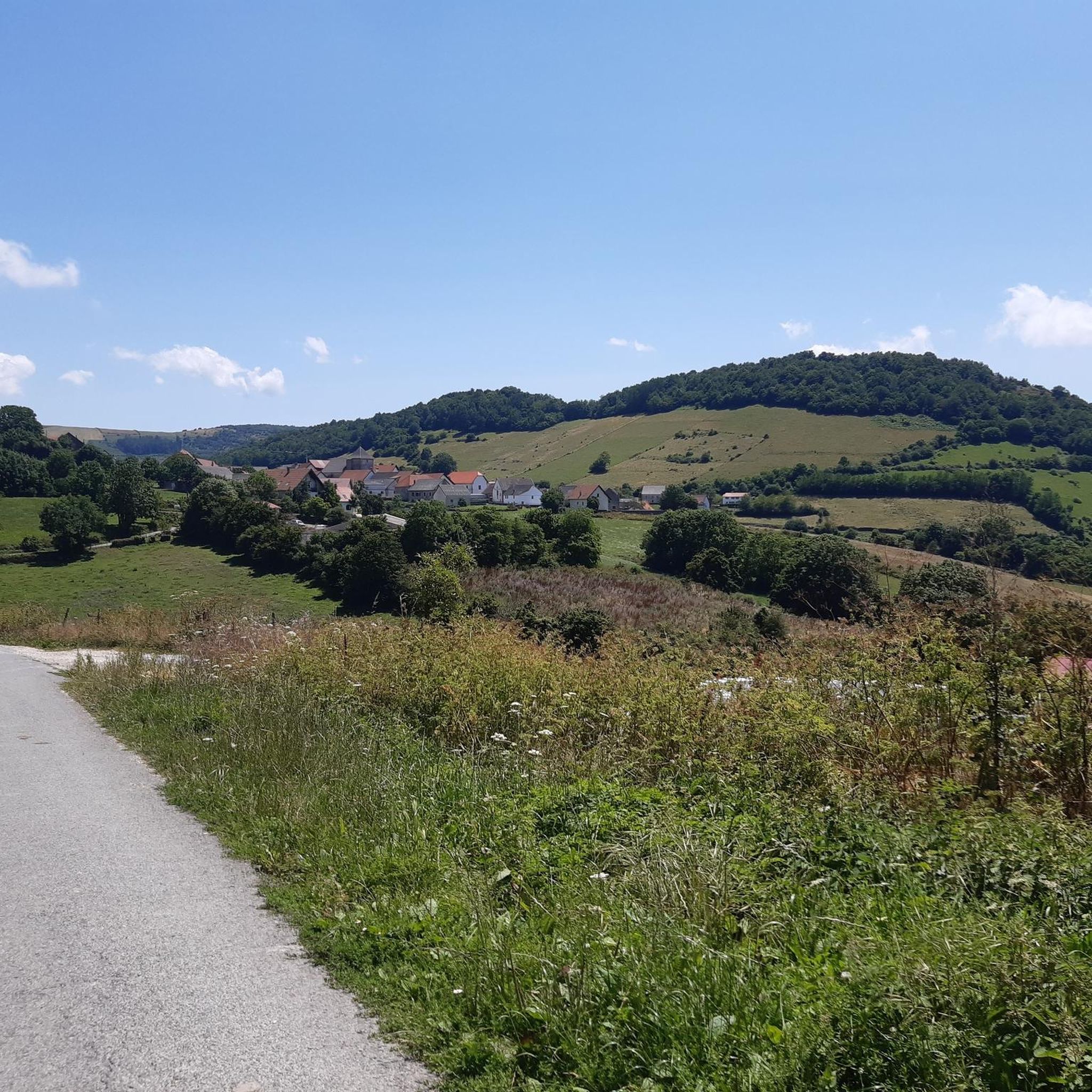
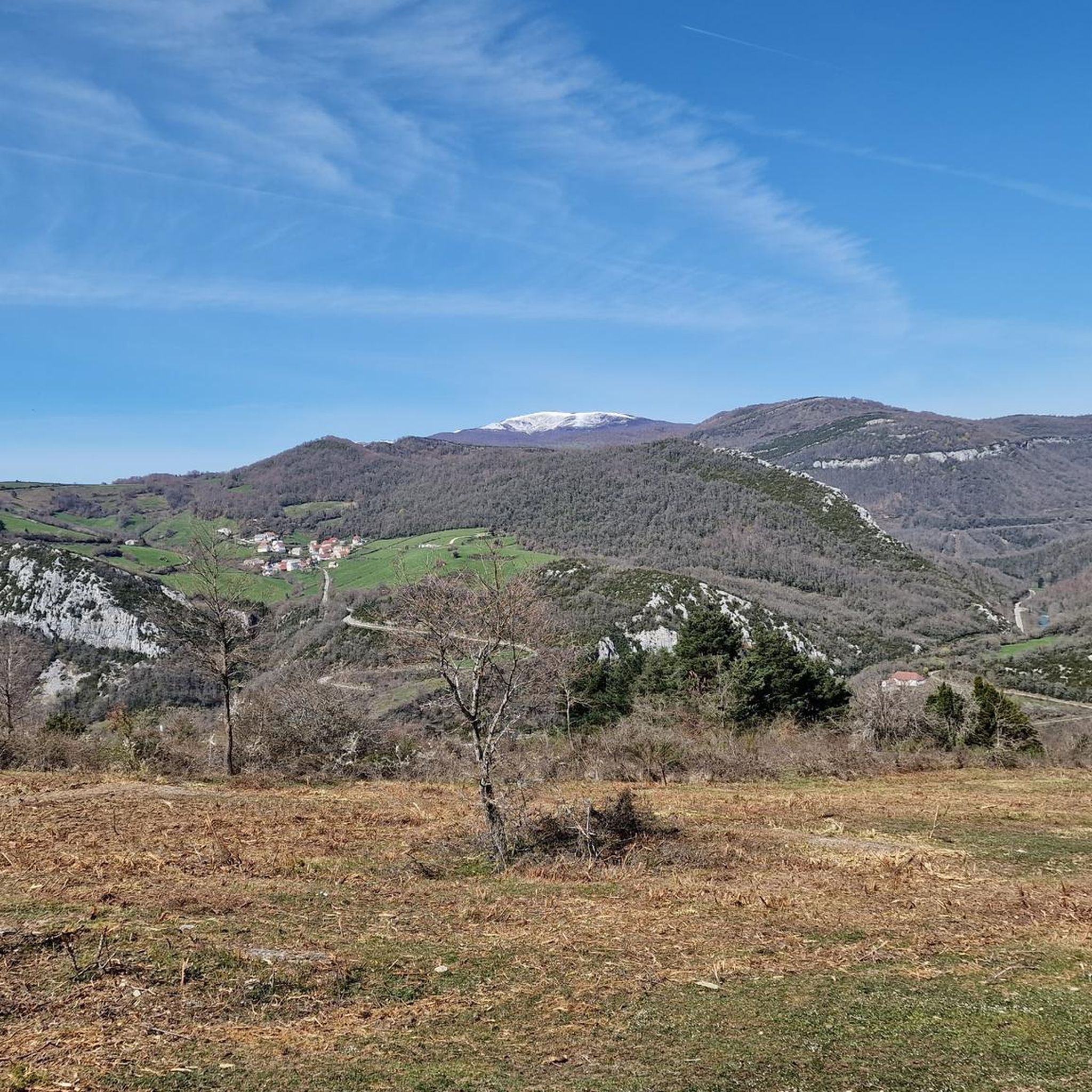
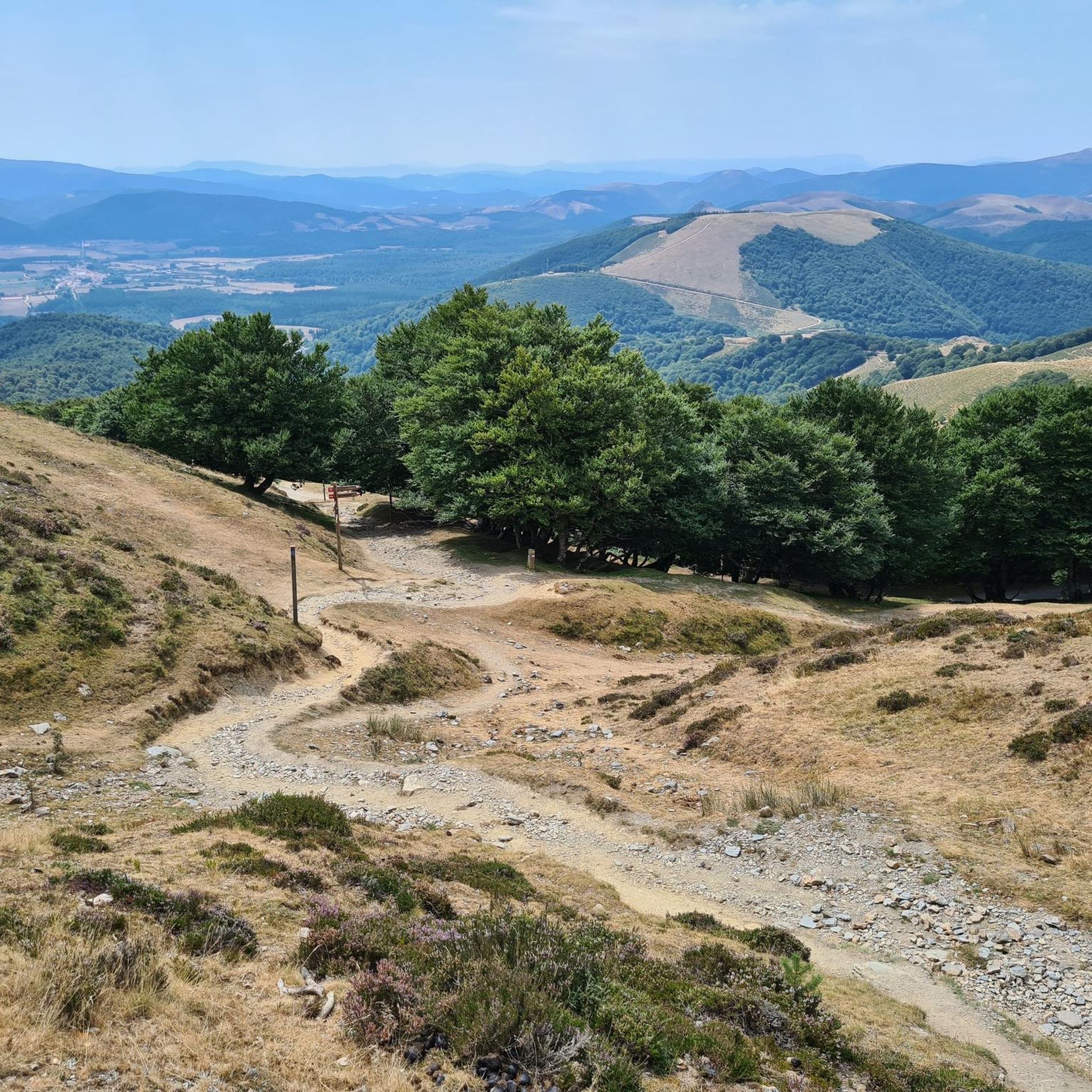
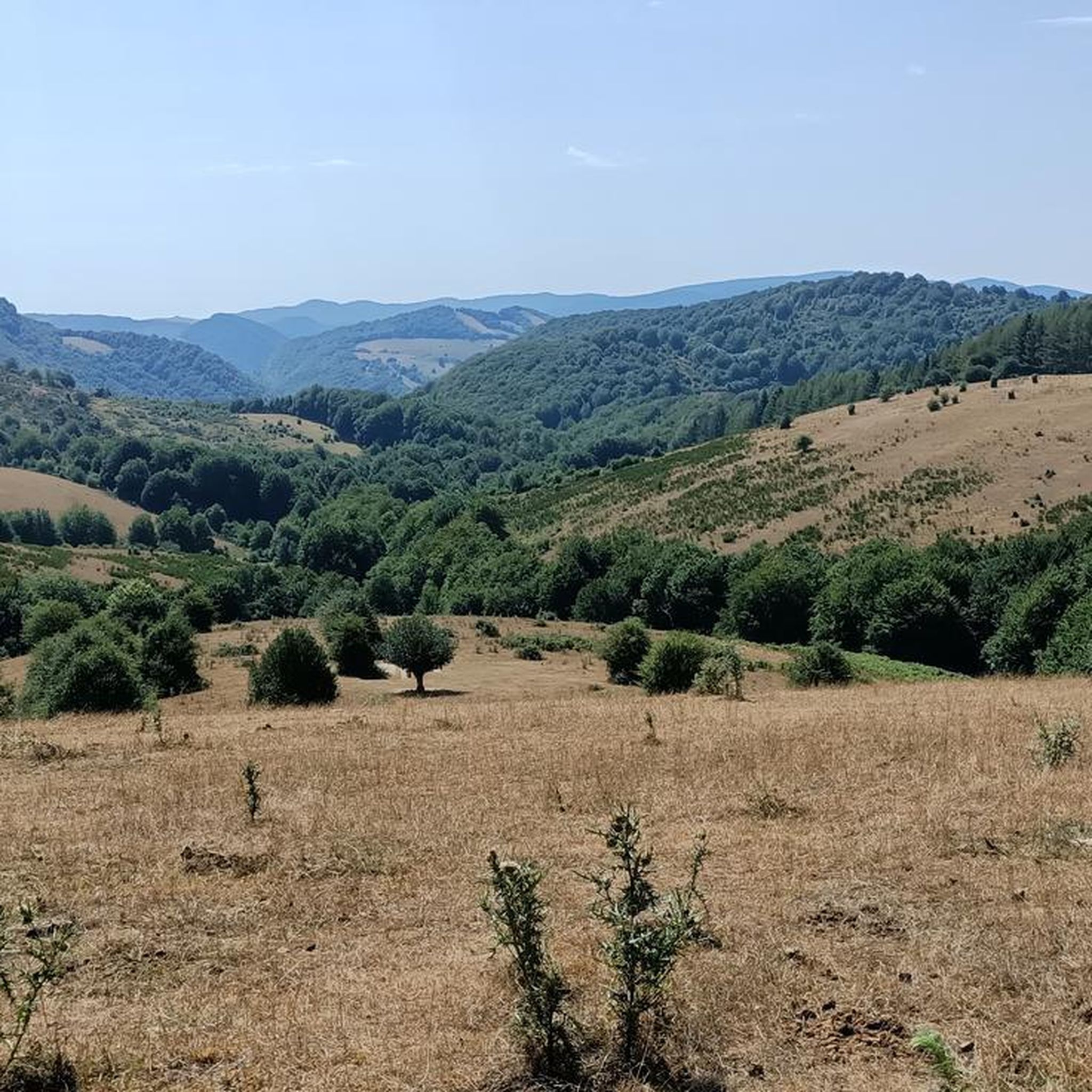

Tips from the Community

One of the most inhospitable and spectacular mountain passes in the eastern Pyrenees, with several slopes, all of them very difficult. The landscape is wild and wonderful. You can breathe absolute tranquility and you can dedicate yourself exclusively to enjoying the views, the horses, the sheep, the cows and the suffering on the bike. The summit is on the border with Spain, although there is no road that crosses the border, so the pass runs entirely in France. I have climbed it on 2 of its slopes. The first time I climbed it on the slope that crosses the Col d'Orgambide, on the D428 road, which starts from Estérençuby. The first 3 km are very easy, until you cross the detour to go up to Artaburu, where the road begins to have slopes of more than 10%. From there, to the summit, the climb is very hard, around 9%, on a very rough and bumpy road, with a lot of humidity and crossing a wonderful beech forest. Once you reach the top of the Col d'Orgambide, you turn right and continue climbing for another half kilometre with a gradient of 11%. There comes a small descent, to face the last 3 kms, the first 2 very hard with several 13% gradients. The last kilometre is very easy and has panoramic views that are simply wonderful. The second time I climbed it on the side that starts from Arneguy and Ondarolle. This side is harder than the previous one, with a central section that is hellish, being 6 kms at an average of 10%, and a very hard km at 12% and 18% gradients!!! The final part is more gentle. You cross the Croix de Thibault in the penultimate kilometre of the climb. The final kilometre is very gentle and with beautiful and exciting panoramic views.
1
0
It is a beautiful border pass between Spain and France, well known for being part of the most traditional route of the Camino de Santiago. Sportingly, the climb on both sides is easy, although on the French side it is much longer as it starts at a lower altitude. The Spanish side is just 6 km from Burguete, the last being the most difficult with an average gradient of 7%. On this side you pass the famous and well-known monastery of Roncesvalles. The French side is 18 km from Arnegui and an average gradient of 4%. The hardest part is 5 km from the summit, with one kilometre at 7%. The landscape on this side is of lush vegetation going up a very closed valley that hardly leaves room for views of the surrounding mountains. The road is very twisty. It is a port with very good asphalt and a lot of traffic in general... so, be careful!
1
0

The Ibañeta Pass, also known as the Roncesvalles Pass, is a scenic mountain pass in the Pyrenees, near the border between France and Spain. At an altitude of 1,057 metres, it offers breathtaking views and a rich historical background. The pass is best known for the Battle of Roncevaux in 778, a legendary event sung about in the epic poem “The Song of Roland”. A menhir marks the traditional site of this battle, emphasising the historical significance of the location.
2
0

A great climb up to the pass. Once you reach the top you get a great view. There is a small church at the top and also a monument. There has always been a hospital up here. However, only the foundations of it remain
2
0

Roland, who is commemorated here, died in 778 as part of the rear guard of Charlemagne's Frankish army. He himself was Margrave of Brittany and was the victim of a Basque revenge campaign against the Frankish conquerors who were retreating from a failed Saracen campaign. Those were complicated times, but things were not to become any less complicated in the Basque Country in the centuries that followed. An epic/song was later sung about Roland, which is part of world literature. The monument itself is simple and rough, exposed up here in the wind of the weather, and can therefore have an immediate effect, without pomp and splendor. Great! https://de.wikipedia.org/wiki/Schlacht_von_Roncesvalles
2
0
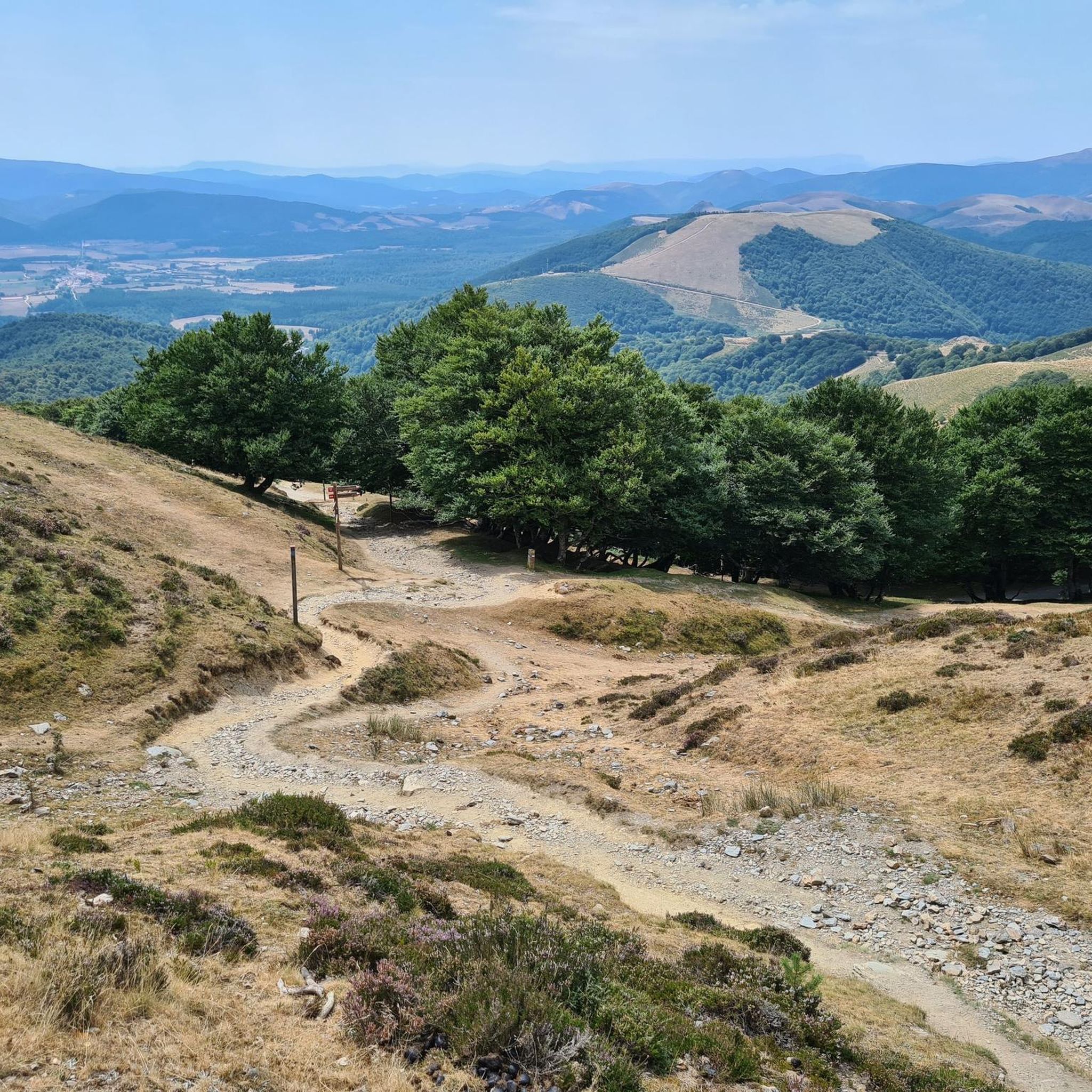
The views from the top are wonderful. You have to stand quietly to enjoy the beauty, especially on sunny spring and summer days.
0
0
It is a beautiful port of about 8 - 9 km for each of its slopes that connects Ochagavía with the sanctuary of Nuestra Señora de las Nieves in the Irati Jungle, one of the entrances to the forest. It is highly recommended to try both slopes because, although similar in length and hardness, they are very different in terms of landscape. The southern slope of Ochagavía is very open, with views of the valley and the surrounding mountains at all times, crossing mountain meadows. On the other hand, on its northern slope, the climb runs through the Irati Forest surrounded by beech trees. The final part of this slope is clear, although you are inside a very charming gorge. The views from the top are simply wonderful. It is worth stopping carefully, observing the views and taking some photos. It is usually windy, so a windbreaker is essential.
0
0

Before reaching Irati there is this hill with a magnificent viewpoint. If you're lucky you'll see the area's semi-wild horses up close. It is a port with a constant slope, it is long and it is beautiful
1
0
Frequently Asked Questions
What kind of historical significance do mountain passes around Aria hold?
The region of Aria, historically centered around modern-day Herat, Afghanistan, has always been defined by its mountainous borders. These passes were crucial pathways for trade, migration, and military movements for centuries, connecting different ancient civilizations. While the specific passes listed in this guide are located in the Pyrenees, they share a similar historical importance, such as Ibañeta Pass and the Roland Monument, which commemorates the Battle of Roncesvalles from 778 AD.
Are there challenging multi-day hikes or climbs available near these mountain passes?
Yes, several passes offer challenging climbs and are part of longer routes. For instance, the Col d'Arnosteguy is described as one of the most inhospitable and spectacular mountain passes in the eastern Pyrenees, with very difficult slopes. Cyclists tackling it can expect gradients of 10-18%. For hiking, you can explore routes like the 'Orreaga/Roncesvalles to Fuente de Roldan along the Camino de Santiago Francés' which is a difficult 16.8 km hike. You can find more challenging routes in the Hiking around Aria guide.
What are the best mountain passes around Aria for scenic views?
Many passes in the region offer breathtaking panoramic views. The Ibañeta Pass and the Roland Monument provides stunning vistas from its elevated position. Similarly, Tapla Pass is known for its spectacular views and serves as an access point to the Irati Forest. The Col d'Arnosteguy also boasts wonderful panoramic views, especially in its final kilometers.
What outdoor activities can I do near these mountain passes?
The mountain passes around Aria are excellent starting points for various outdoor activities. You can find numerous road cycling routes, including challenging climbs like 'Port de Larrau Climb', in the Road Cycling Routes around Aria guide. For mountain biking, trails like 'Irabia Reservoir – Irati Houses loop' are available, detailed in the MTB Trails around Aria guide. Hiking enthusiasts can explore routes such as 'Zamariain Viewpoint Trail' or sections of the Camino de Santiago, found in the Hiking around Aria guide.
Are there any family-friendly mountain passes or activities suitable for beginners?
While many passes offer challenging sections, there are also easier options and routes suitable for families. For instance, the 'Basajaunberro Forest - circular from Orreaga/Roncesvalles' is an easy 4.5 km hike. When planning, look for trails categorized as 'easy' or 'intermediate' in the nearby hiking guides. Always check the specific route details for elevation gain and terrain to ensure it matches your family's ability.
What is the best time of year to visit the mountain passes around Aria?
The best time to visit mountain passes generally depends on the activity. For cycling and hiking, late spring through early autumn (May to October) typically offers the most favorable weather conditions, with less snow and more stable temperatures. However, some passes, especially at higher altitudes, can experience challenging conditions even in summer. Always check local weather forecasts and road conditions before your trip, as winter can bring heavy snow and make many passes inaccessible or very difficult.
What natural features can I expect to see when visiting these passes?
Visitors to the mountain passes around Aria can expect to encounter diverse natural beauty. You'll find rugged landscapes, high peaks, and deep valleys. Passes like Tapla Pass offer access to dense forests like the Irati Forest, known for its natural beauty. The Col d'Arnosteguy is surrounded by a wonderful beech forest and provides views of wild, untamed scenery, often with horses, sheep, and cows grazing.
What do visitors enjoy most about the mountain passes around Aria?
Visitors frequently highlight the stunning panoramic views and the sense of accomplishment after conquering a challenging climb. The historical significance of places like Ibañeta Pass and the Roland Monument also adds a rich cultural layer to the experience. Many appreciate the tranquility and the opportunity to immerse themselves in wild, natural landscapes, as well as the rewarding descents for cyclists.
Are there any specific tips for cyclists tackling these mountain passes?
Cyclists should be prepared for significant elevation changes and varying road conditions. For example, the ascent to Ibañeta Pass from Arneguy is 18 kilometers long with an average gradient of 4.5%. The Col d'Arnosteguy features sections with gradients up to 18%. Always check the road surface, especially on less-trafficked routes, as some can be rough or bumpy. Ensure your bike is in good condition and carry appropriate gear for mountain conditions.
Can I find circular walks or loops around the mountain passes?
Yes, there are several options for circular walks. For instance, the 'Basajaunberro Forest - circular from Orreaga/Roncesvalles' is an easy loop. For a more challenging option, consider the 'Lepoeder Pass Viewpoint – Izandorre Emergency Shelter loop from Orreaga / Roncesvalles'. You can explore more circular routes in the Hiking around Aria guide.
What are the 'First climbs in the Camino Francés (Navarra)'?
The 'First climbs in the Camino Francés (Navarra)' refer to the initial ascents encountered by pilgrims on the Camino de Santiago after crossing the Pyrenees. These include the Alto de Mezkiritz and Alto de Erro. While not as long or steep as the Ibañeta Pass, they can still be challenging, especially if you're carrying heavy luggage or have already exerted yourself on previous climbs. They offer a taste of the mountainous terrain of the Camino.
Most popular attractions around Aria

Get inspired with the komoot mobile app


Explore more
See even more epic mountain passes by checking out these guides around Aria:
