Attractions and Places To See around Alesanco - Top 20
Best attractions and places to see around Alesanco offer a blend of historical significance and natural elements in La Rioja, Spain. The town is strategically located at the convergence of the Monastery Route, the Wine Route, and the French Way of Saint James. Visitors can explore cultural sites and enjoy the serene presence of the Tuerto River, along with various gardens and walks. This region provides a glimpse into local history and culture.
Best attractions and places to see around…
Last updated: June 22, 2026
Santo Domingo de la Calzada Cathedral
Highlight • Religious Site
Translated by Google •
Tip by

Poyo de Roldán Stone Hut
Highlight • Structure
Translated by Google •
Tip by

Sign up now to discover places like this
Get recommendations on the best single tracks, peaks, & plenty of other exciting outdoor places.
Sign up for free
Santo Domingo de la Calzada Bridge
Highlight • Bridge
At the entrance, on the banks of Santo Domingo de la Calzada, there …
Translated by Google •
Tip by
San Millán de la Cogolla Monastery
Highlight • Religious Site
Translated by Google •
Tip by

Bicigrino Statue
Highlight • Monument
Translated by Google •
Tip by

Sign up for free to discover even more attractions around Alesanco.
Sign up for free
Already have an account?
Start today with a free account
Your next adventure awaits.
Login or Signup

Tips from the Community

The pilgrimage route repeatedly involves crossing valleys and rivers like the Rio Oja – as here at Santo Domingo de la Calzada. The bridges are sometimes relatively modern, sometimes medieval, and sometimes even older.
1
0

It crosses the Oja River, connecting different parts of the city. Built in the 12th century by Saint Dominic de la Calzada to facilitate the passage of pilgrims on the Camino de Santiago. The stone bridge features several arches, a fine example of medieval engineering.
2
0
The Cathedral of Santo Domingo de la Calzada, also known as the Cathedral of El Salvador, is an impressive monument located in the town of Santo Domingo de la Calzada. The cathedral was built between the 12th and 13th centuries, combining Romanesque and Gothic styles. A unique feature is its free-standing tower, separated from the main body of the cathedral.
8
0

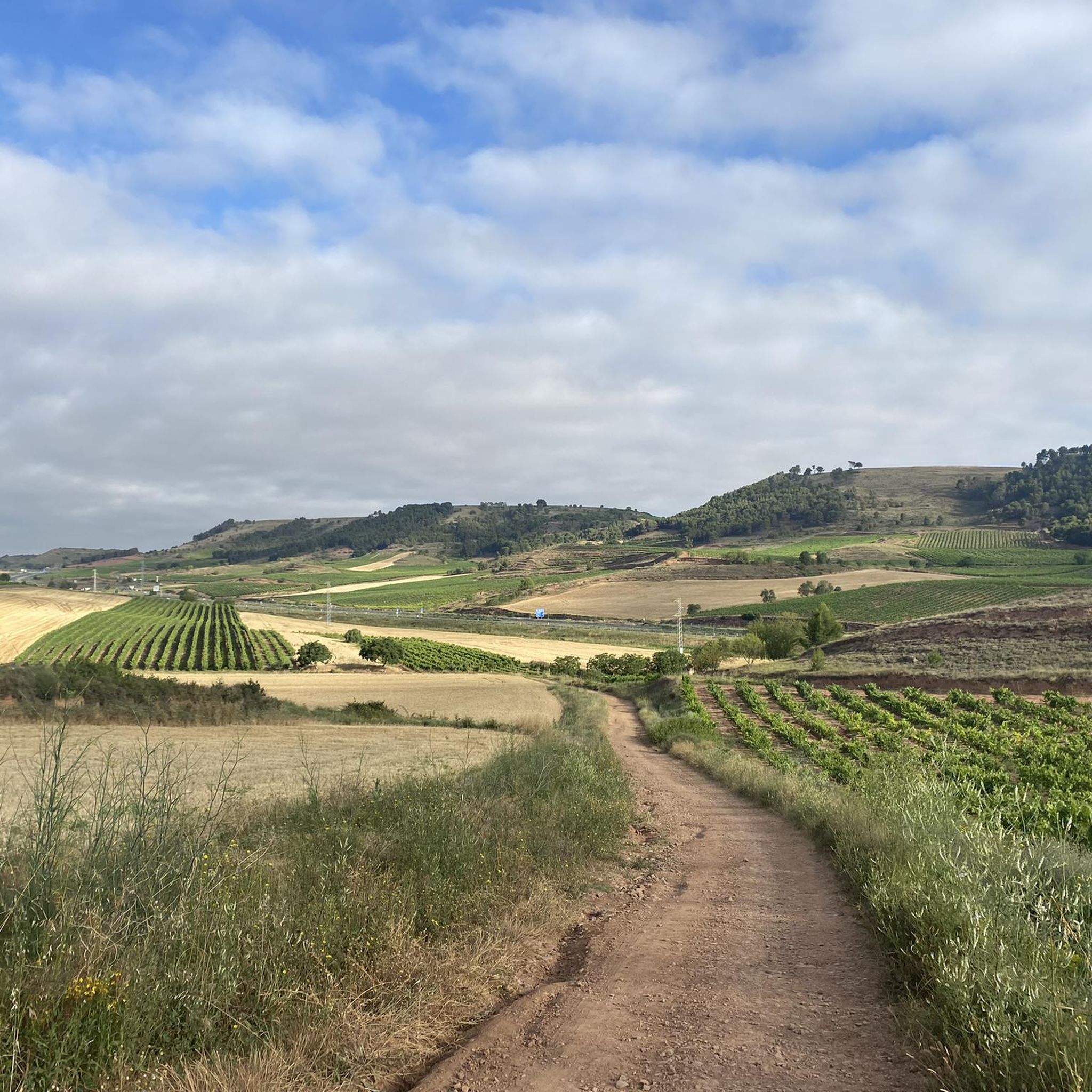
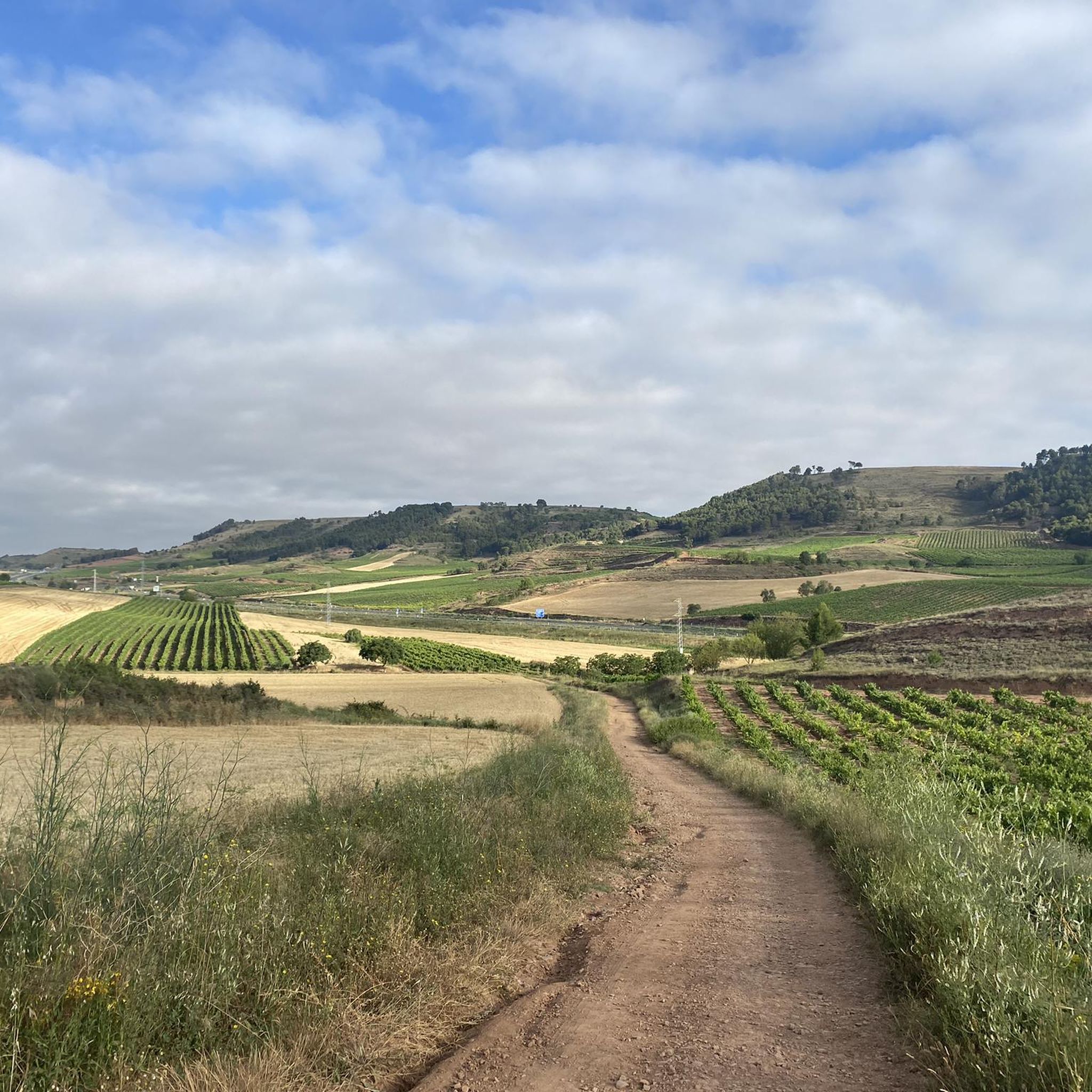
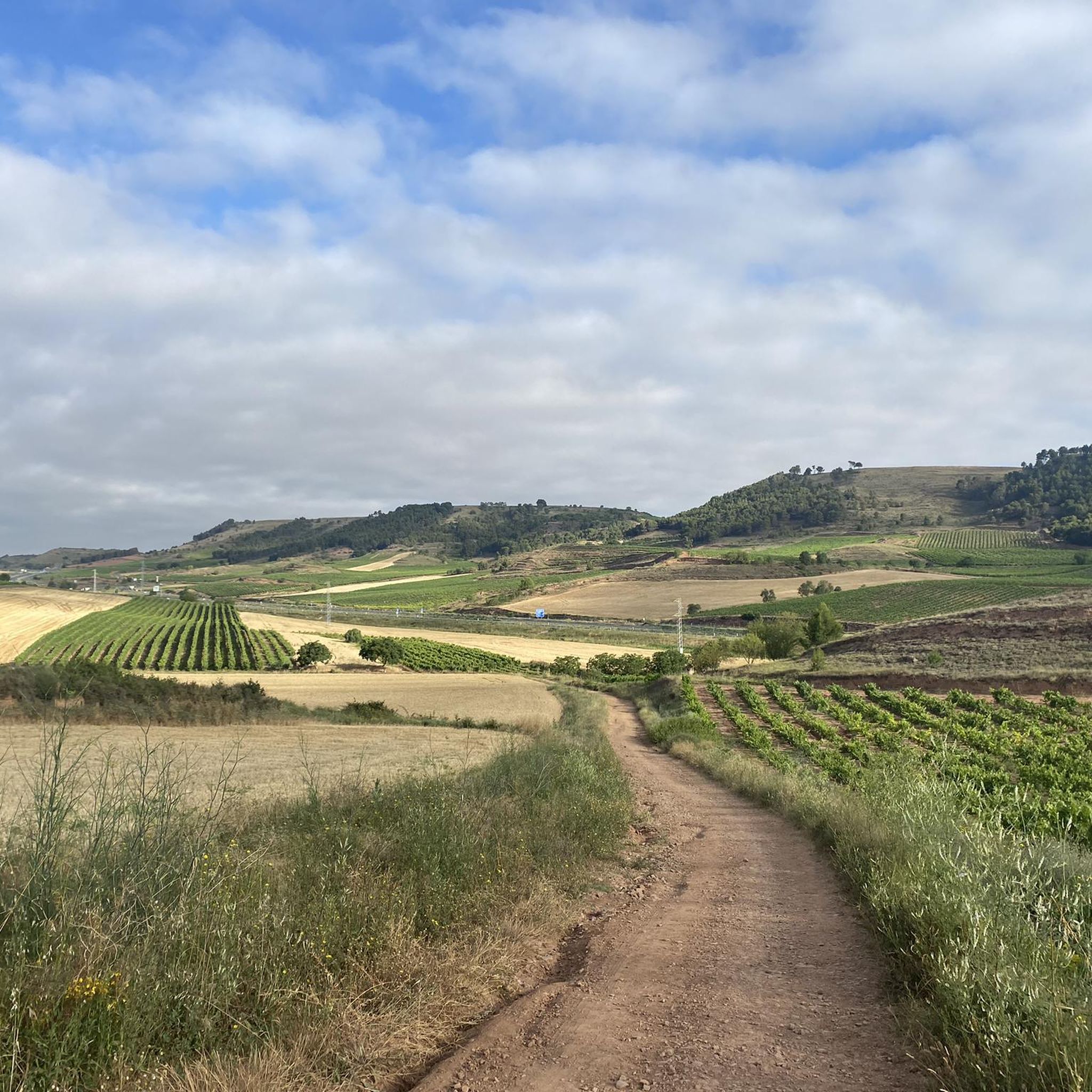
A hill that has its own legend: in the castle of Nájera lived Farragut or Ferragut, a Syrian giant descended from Goliath and stronger than him, who fought and defeated the best warriors of Charlemagne except Roldán, who one day from the poyo spotted the giant sitting at the door of his castle. Roldán picked up a round stone weighing two arrobas (~22kg) and threw it in the direction of the giant, whom he hit in the forehead, knocking him down. Since then the hill has been called Poyo de Roldán.The stone hut is likely a traditional stone vineyard shelter.
2
0

“Bicigrino” is a term used on the Camino de Santiago and is a combination of the Spanish words “bici”, meaning bicycle, and “peregrino”, meaning pilgrim1. A Bicigrino is therefore a pilgrim who covers the Camino de Santiago by bicycle21. To receive a Compostela certificate, a Bicigrino must complete at least the last 200 km of a Camino route, ending in Santiago de Compostela. It is a trend that has developed in recent years, with more and more pilgrims choosing to do the Camino de Santiago by bicycle. It's a great way to experience the beautiful landscapes and historic sites along the Camino. 😊
6
0
Again and again on the pilgrimage route - as here at Santo Domingo de la Calzada - valleys have to be crossed and rivers like the Rio Oja have to be crossed. The bridges are sometimes relatively modern, sometimes medieval and sometimes even older.
7
0
The typical features of almost every pilgrim figure: backpack, hat, walking stick and of course the clearly visible scallop shell; here, another object has been added, namely the bicycle.
8
0

Anyone who passes by here by bike along the Via de Compostela must stop for a photo.
8
0
Frequently Asked Questions
What historical sites can I explore around Alesanco?
Alesanco and its surroundings are rich in history. You can visit the 16th-century Parish Church of Virgen de la Asunción in Alesanco itself, or the 15th-century Hermitage of Our Lady of the Prado, believed to be built over Romanesque ruins. Further afield, don't miss the unique Santo Domingo de la Calzada Cathedral, famous for housing a live rooster and hen, or the UNESCO World Heritage site of San Millán de la Cogolla Monastery, where some of the earliest Spanish words were written.
Are there any family-friendly attractions near Alesanco?
Yes, several attractions are suitable for families. The Santo Domingo de la Calzada Cathedral offers a fascinating legend about a rooster and hen that children often find engaging. The San Millán de la Cogolla Monastery also welcomes families to explore its historical grounds. Additionally, the town of Alesanco itself has pleasant gardens and walks along the Tuerto River for a relaxed family outing.
What natural features can I see around Alesanco?
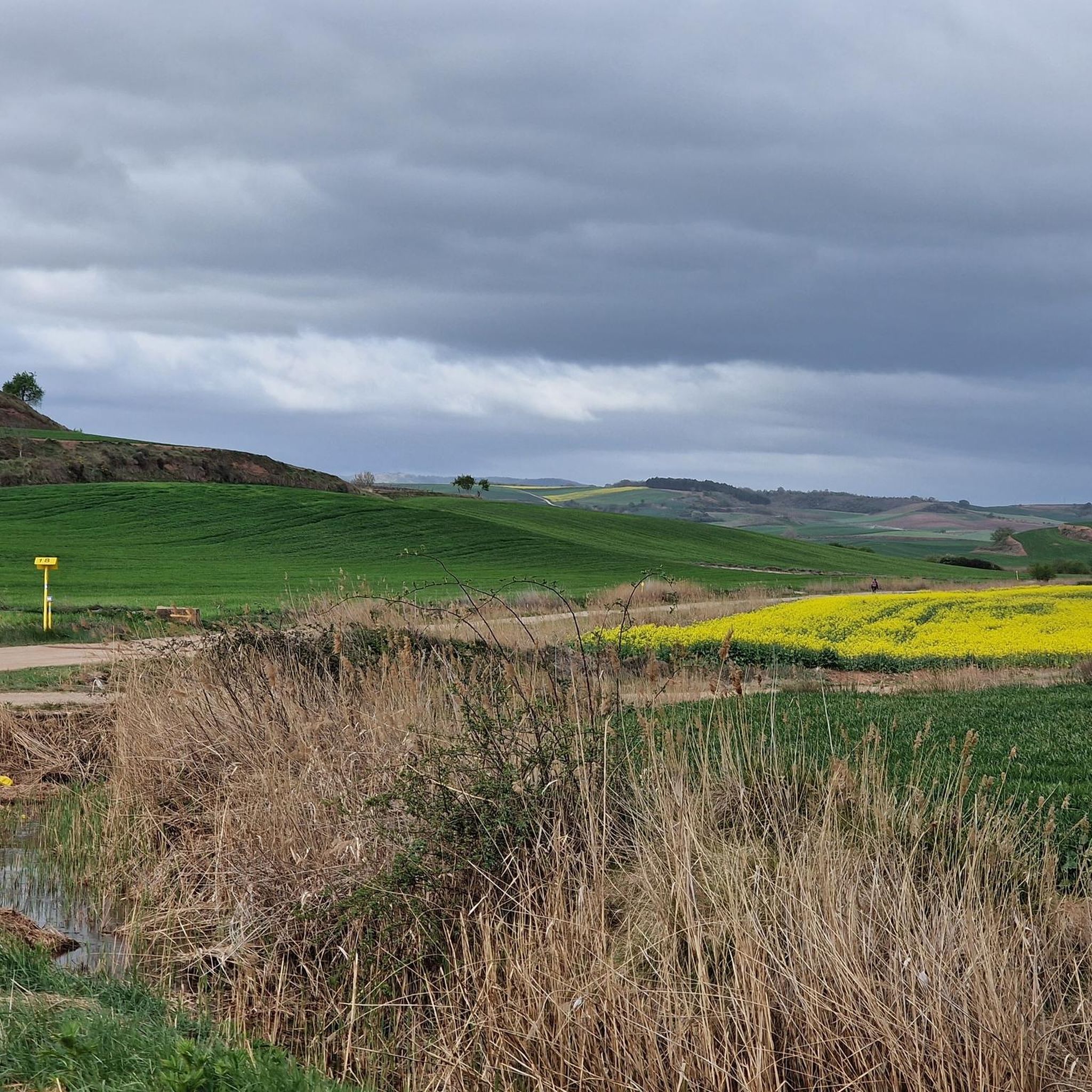
While Alesanco is known for its historical sites, it also offers natural beauty. The Tuerto River flows through the town, providing serene walks and gardens. For panoramic views, visit the Poyo de Roldán Stone Hut, which offers beautiful vistas of the surrounding landscape and features a traditional stone vineyard shelter.
Are there accessible attractions for visitors with mobility needs?
Yes, the Santo Domingo de la Calzada Bridge is noted as wheelchair accessible, making it a good option for visitors with mobility needs. The Bicigrino Statue, a monument dedicated to cycling pilgrims, is also listed as wheelchair accessible.
What outdoor activities can I do near Alesanco?
The region around Alesanco is excellent for outdoor enthusiasts. You can find various routes for hiking, cycling, and gravel biking. Popular hiking options include moderate loops like the 'Camino Francés: Nájera and Alesón Loop'. For cyclists, there are routes such as the 'Monastery of Suso – Badarán loop from Alesanco'.
What is the significance of Alesanco's location?
Alesanco holds a unique strategic position at the crossroads of several important routes: the Monastery Route, the Wine Route, and the French Way of Saint James. This convergence highlights its historical significance as a transit point for pilgrims and travelers, making it a culturally rich area to explore.
Can I find attractions related to the Camino de Santiago near Alesanco?
Absolutely. Alesanco is located along the French Way of Saint James. You can visit the historic Santo Domingo de la Calzada Bridge, originally built in the 11th century for pilgrims. The Bicigrino Statue also celebrates pilgrims who traverse the Camino by bicycle.
What is the legend behind the Poyo de Roldán Stone Hut?
The Poyo de Roldán Stone Hut is associated with a local legend involving the hero Roland. It is said that Roland, from this hill, threw a large stone at the giant Farragut, hitting him in the forehead and knocking him down. Since then, the hill has been known as Poyo de Roldán.
What do visitors enjoy most about the attractions around Alesanco?
Visitors frequently appreciate the blend of historical significance and unique cultural elements. The legend of the live rooster and hen at Santo Domingo de la Calzada Cathedral is a particular highlight. The historical depth of sites like the San Millán de la Cogolla Monastery and the scenic views from places like the Poyo de Roldán Stone Hut also receive high praise.
Are there any unique religious buildings to visit?
Beyond the local Parish Church of Virgen de la Asunción and the Hermitage of Our Lady of the Prado, the region boasts the extraordinary Santo Domingo de la Calzada Cathedral, which is unique for being the only church-fortress in La Rioja and for its living inhabitants. The UNESCO-listed San Millán de la Cogolla Monastery is also a must-see for its architectural and cultural importance.
Can I explore the region's wine heritage near Alesanco?
Yes, Alesanco is situated within the Rioja Alta region, renowned for its wine production. While specific wine attractions are not detailed in the immediate vicinity, the town's location on the Wine Route means that wine tourism is a popular activity in the broader area. You can find insights into the region's wine heritage at the Wine Culture Museum in Briones, a short drive away.

Get inspired with the komoot mobile app


Explore more
Still not found the Highlight you’re looking for? See guides of the top attractions in other regions:
