Top 19 Mountain Passes around Valle De Hecho
Best mountain passes around Valle De Hecho traverse the Aragonese Pyrenees, offering a blend of natural beauty and historical significance. This region, part of the Valles Occidentales Natural Park, features pristine landscapes, dense forests, and high peaks. The passes provide access to diverse mountainous terrain, from ancient Roman roads to challenging alpine routes. It is an ideal destination for various mountain activities, catering to different skill levels.
Best mountain passes around Valle De Hecho
- The most popular mountain pass is…
Last updated: September 29, 2026
Somport Pass
Highlight • Mountain Pass
Translated by Google •
Tip by

Collado de Argibiela
Highlight • Mountain Pass
Translated by Google •
Tip by

Sign up now to discover places like this
Get recommendations on the best single tracks, peaks, & plenty of other exciting outdoor places.
Puerto de Matamachos
Highlight • Mountain Pass
Translated by Google •
Tip by

Achar of Aguas Tuertas
Highlight • Viewpoint
Translated by Google •
Tip by

Petrechema Pass
Highlight • Mountain Pass
Here you will have the Sobarcal peak on our right, which you can climb in …
Translated by Google •
Tip by

Sign up for free to discover even more mountain passes around Valle De Hecho.
Already have an account?
Start today with a free account
Your next adventure awaits.
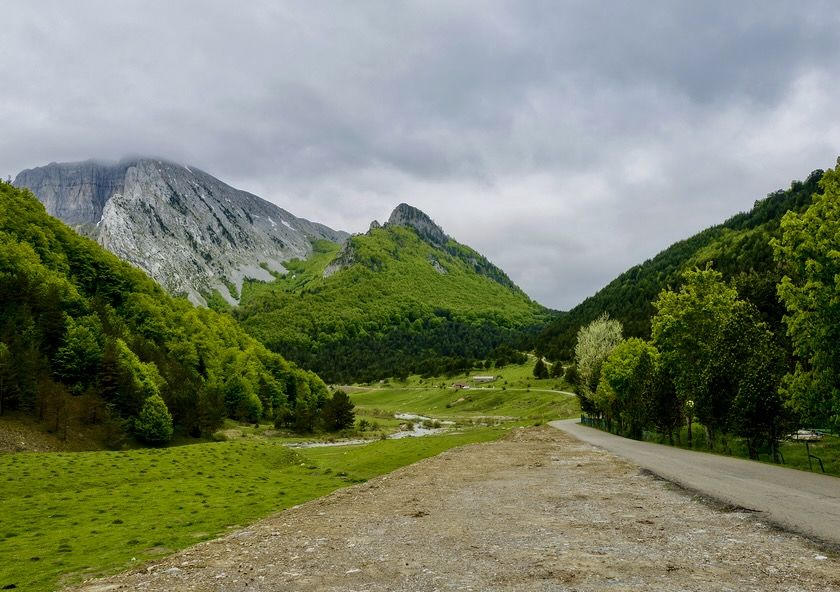
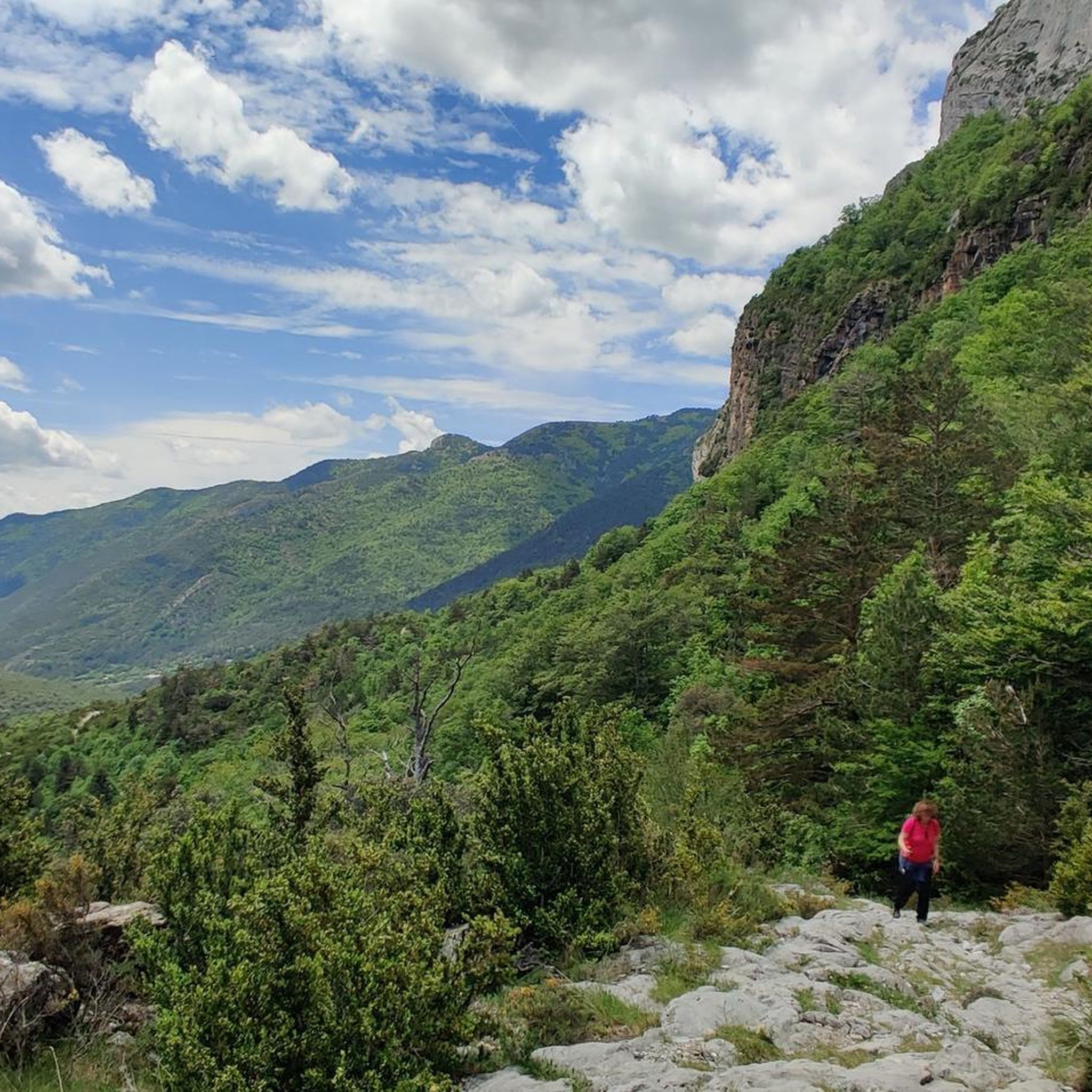
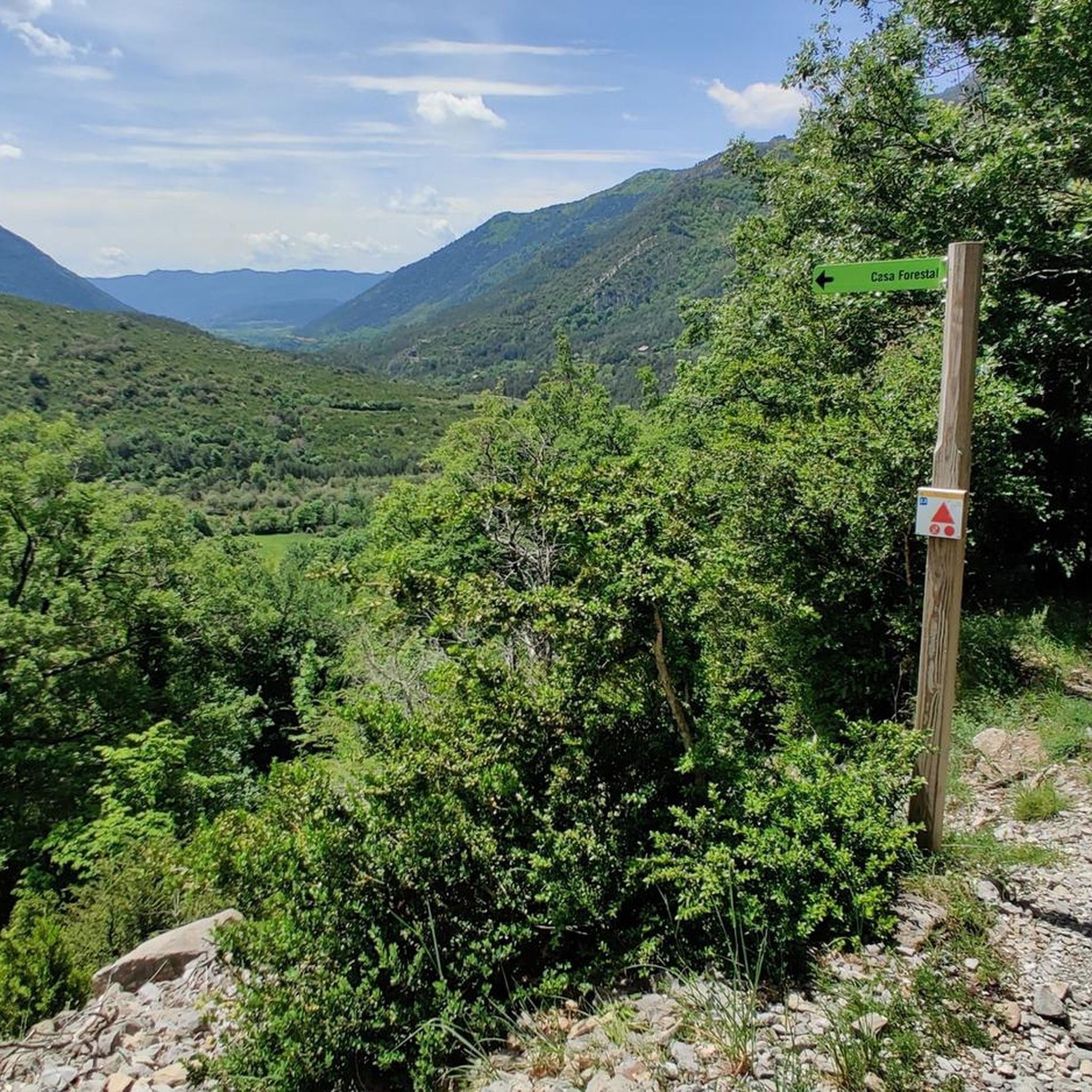
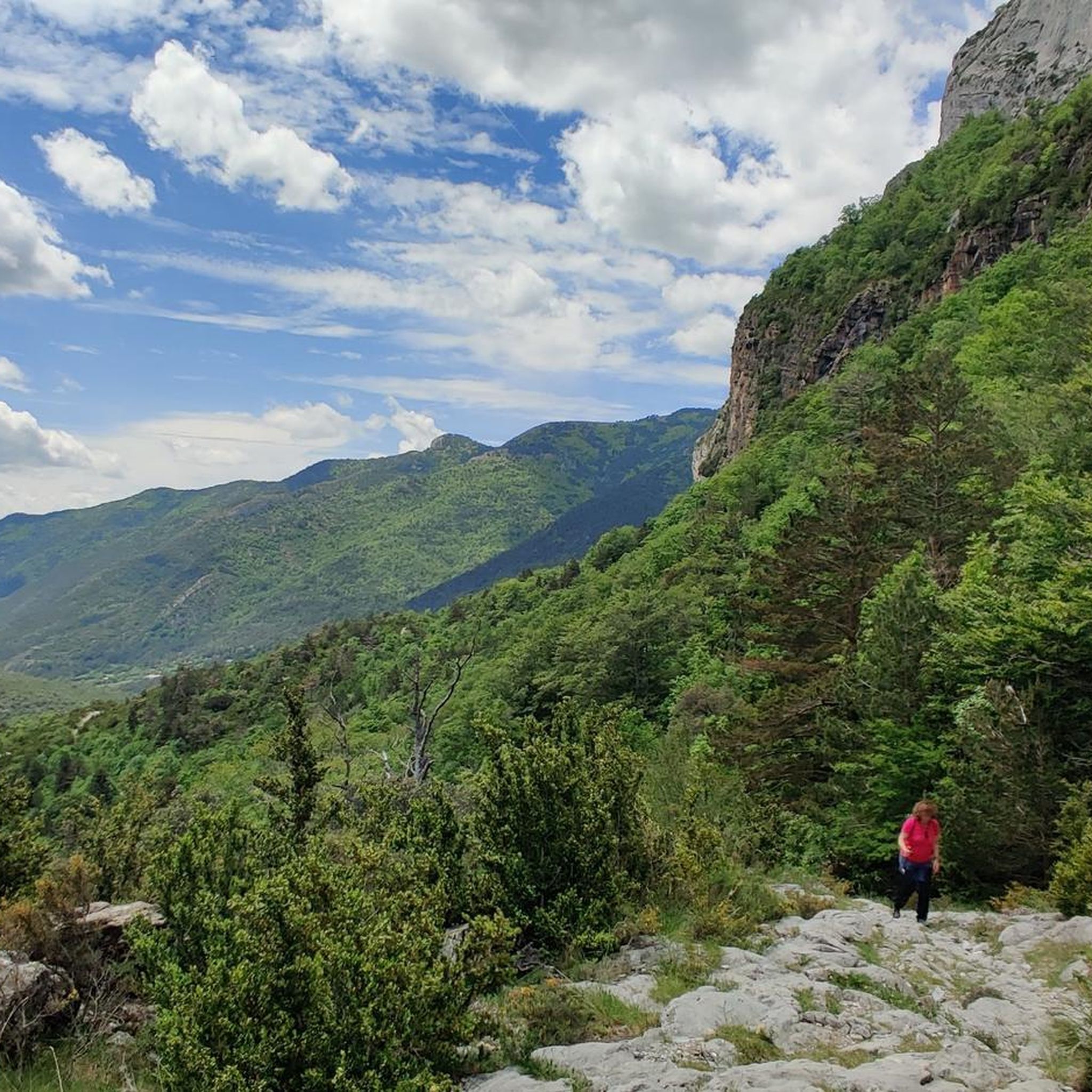

Other adventures around Valle De Hecho

Tips from the Community

Good introductory hike... only about 200 meters in elevation, beautiful scenery.
0
0


It is a beautiful mountain pass that links the Roncal Valley (Navarra) with the Ansó Valley (Aragon). It is a mountain pass that I am very fond of for several reasons: (i) the road is very winding, with many curves and hairpin bends, especially on the Navarre side (ii) it is a mountain pass with no steep slopes on either side (iii) there is hardly any car or motorcycle traffic. It is very peaceful and you can fully concentrate on the climb, on your pace, on your sensations. The asphalt on the Aragonese side is in very poor condition, although that also makes it attractive because you can imagine what the roads were like that professionals used in the 90s and before. It can be linked to other ports and is a beautiful gateway to the Pyrenees.
0
0
A beautiful port that unites the communities of Navarra and Aragón, specifically the towns of Ansó and Isaba. Specifically, it connects the Zuriza valley with the Roncal valley. It is a very affordable port and highly recommended because it allows you to travel through spectacular landscapes, on both sides. The Navarrese slope is shorter but more difficult than the Aragonese slope, which is very steep, except for the final kilometer which is 7 - 8%. What has been said, I reaffirm that it is a beautiful port that must be enjoyed.
0
0

Here the Camino Aragones begins at the top of the pass on the Spanish side of the pass. A great view down into the valley.
1
1
The Aragonese Way of St. James begins at the top of the Somport pass. From above you have a wonderful view down into the valley towards Jaca. A very good start to the Camino Aragones, which still remains really original.
1
0

This pass, both from the Ansó slope and the Isaba slope, presents the cyclist with a long climb (13 and 12 kilometres, respectively). On both slopes, the hardest part is at the end, highlighting the final kilometer of the ascent from Ansó, with an 8% unevenness. It is a quiet road with magnificent views of both the valleys and the nearby peaks.
1
0

The Col de Somport is on the border between France and Spain at 1,632 meters above sea level. It has the particularity of being above the tunnel of the same name which is one of the most important crossing points in the Pyrenees. The climb, on the French side, begins in the village of Accous. It is 28 kilometers long for an average of 4.3%. The road really begins to rise from the village of Urdos.
0
0
Frequently Asked Questions
What natural features and viewpoints can I discover around the Valle de Hecho mountain passes?
The Valle de Hecho region is rich in natural beauty. You can find dramatic landscapes at Achar of Aguas Tuertas, known for the meandering Aragón Subordán river and megalithic structures. The Boca del Infierno (Hell's Mouth) offers a deep gorge with dramatic rock formations and waterfalls. The Selva de Oza features dense forests and impressive peaks like Peñaforca and Castillo de Acher, providing numerous hiking routes and stunning views.
Are there any historically significant mountain passes in the Valle de Hecho region?
Yes, the region boasts passes with rich history. The Puerto de Palo, at 1,942 meters, is particularly notable for the ancient Roman road that traverses it. This road once connected Caesaraugusta (Zaragoza) with Gaul and also served as a medieval itinerary for the Aragonese Way of Saint James. Remnants of this Roman road are still visible today, offering a unique blend of history and nature.
What kind of hiking trails are available near the mountain passes in Valle de Hecho?
The Valle de Hecho area offers a wide range of hiking opportunities. You can explore routes that lead to passes like Puerto de Palo, offering panoramic views of the Pyrenees. Collado Añarón is another pass often encountered on hiking routes within the Selva de Oza. For more challenging treks, the Colláu de lo Foratón is a significant point on the mountaineering route to Punta Bisaurín. Many trails are part of the Valles Occidentales Natural Park, catering to various skill levels. For more detailed hiking options, check out the Running Trails around Valle De Hecho guide, which includes routes like the challenging Castillo d'Acher trail.
Are there cycling routes that incorporate the mountain passes of Valle de Hecho?
Absolutely. The region is popular with cyclists. Collado de Argibiela offers a long climb with magnificent views, connecting the Zuriza valley with the Roncal valley. Puerto de Matamachos links the Roncal Valley with the Ansó Valley, known for its winding roads and peaceful atmosphere. For a comprehensive list of routes, explore the Road Cycling Routes around Valle De Hecho guide.
Can I find mountain biking trails around the Valle de Hecho passes?
Yes, the Valle de Hecho region provides excellent mountain biking opportunities. You can find trails that traverse diverse terrain, including routes within the Valles Occidentales Natural Park. For specific mountain biking routes, refer to the MTB Trails around Valle De Hecho guide, which features routes like 'Parque Natural de los Valles Occidentales – Aguas Tuertas desde Selva de Oza'.
What is the best time of year to visit the mountain passes in Valle de Hecho?
The best time to visit the mountain passes in Valle de Hecho largely depends on your planned activities. Spring and autumn offer pleasant temperatures for hiking and cycling, with vibrant flora or stunning fall colors. Summer is ideal for high-mountain exploration, though some passes can be busy. Winter brings snow, transforming the landscape for snowshoeing and backcountry skiing, particularly in areas like Selva de Oza, but some passes may be inaccessible due to snow.
Are there any family-friendly mountain passes or areas suitable for easy walks in Valle de Hecho?
While many passes involve significant climbs, areas like the Valle de Aguas Tuertas offer more family-friendly options. This glacial valley is known for its unique landscape and megalithic structures, providing beautiful and relatively easy walks. The Selva de Oza also has numerous hiking routes, some of which are suitable for families looking for less strenuous options amidst dense forests.
What are some of the most popular mountain passes in the Valle de Hecho region?
Some of the most appreciated mountain passes by the komoot community include Somport Pass, which marks the border between France and Spain and is a starting point for the Aragonese Way. Another favorite is Collado de Argibiela, offering magnificent views and a challenging climb for cyclists. Petrechema Pass is also highly regarded, serving as the dividing line between Aragón and the French valley of Bearn, with views of the Sobarcal peak and Agujas de Ansabere.
What kind of wildlife can I expect to see around the mountain passes of Valle de Hecho?
The Valle de Hecho, being part of the Valles Occidentales Natural Park, is home to diverse flora and fauna. Visitors might spot various species, including brown bears and lammergeiers (bearded vultures), especially in the more remote high-mountain areas and forests like the Selva de Oza. Keep an eye out for chamois, marmots, and various bird species while exploring the trails.
Are there any specific permits required for hiking or accessing certain areas within the Valles Occidentales Natural Park?
Generally, permits are not required for standard hiking on marked trails within the Valles Occidentales Natural Park. However, for specific activities like mountaineering, camping in designated areas, or accessing certain protected zones, it's always advisable to check with the park authorities or local information centers for any specific regulations or permits that might be needed, especially during peak seasons or for larger groups.
What are the typical terrain and elevation challenges of the mountain passes in Valle de Hecho?
The mountain passes in Valle de Hecho present a variety of terrain and elevation challenges. Passes like Puerto de Palo reach elevations of 1,942 meters, while Collado Añarón is at 1,775 meters. For mountaineers, Colláu de lo Foratón is a high mountain pass leading to Punta Bisaurín (2,670 m), characterized by rugged, high-alpine scenery. The routes can range from well-marked trails to demanding, steep ascents, often involving rocky paths and significant elevation gains, especially when connecting to higher peaks.
What do visitors enjoy most about the mountain passes around Valle de Hecho?
Visitors frequently praise the stunning panoramic views of the Pyrenees, the blend of natural beauty with historical significance (like the Roman road at Puerto de Palo), and the peaceful, unspoiled nature of the region. Cyclists appreciate the challenging climbs and quiet roads, while hikers love the diverse trails leading through forests, glacial valleys, and high-alpine environments. The opportunity to connect with nature and experience the rich cultural heritage of the Aragonese Pyrenees is a major draw.
Most popular routes around Valle De Hecho
Most popular attractions around Valle De Hecho

Get inspired with the komoot mobile app


Explore more
See even more epic mountain passes by checking out these guides around Valle De Hecho:
