Attractions and Places To See around Aínsa-Sobrarbe - Top 20
Attractions and places to see around Aínsa-Sobrarbe include a medieval town set at the confluence of the Ara and Cinca rivers in the Huesca province of Aragon. This region is recognized as a Historic-Artistic Site and is part of the UNESCO World Geopark Sobrarbe-Pyrenees. It offers a combination of historical landmarks, cultural sites, and diverse natural landscapes, serving as a base for exploring the Pyrenees.
Best attractions and places to see around Aínsa-Sobrarbe
- The most popular attractions is Picamartillo Cave, a cave that is part of an excellent hiking route. It is noted for its scenic views even before reaching its interior.
- Another must-see spot is Aínsa Old Town, a historical site. This well-preserved medieval quarter features charming alleys and traditional houses, offering a glimpse into the Middle Ages.
- Visitors also love Samitier Castle, a castle complex. This site includes the remains of a hexagonal tower and a Romanesque hermitage, offering views of the Ordesa and Monte Perdido mountain range.
- Aínsa-Sobrarbe is known for its historical sites, natural features, and cultural points of interest. The region provides a variety of attractions to see and explore, from ancient castles and medieval towns to natural caves and geological parks.
- The attractions around Aínsa-Sobrarbe are appreciated by the komoot community, with over 60 upvotes and 30 photos shared.
Last updated: August 16, 2026
Cruz Cubierta Monument
Highlight • Monument
Translated by Google •
Tip by

Aínsa Old Town
Highlight • Historical Site
Showing Translation
Tip by

Sign up now to discover places like this
Get recommendations on the best single tracks, peaks, & plenty of other exciting outdoor places.
Sign up for free
Dolmen of Losa Mora
Highlight • Historical Site
Translated by Google •
Tip by

Puente de Villacantal
Highlight • Bridge
Translated by Google •
Tip by

Samitier Castle
Highlight • Castle
Translated by Google •
Tip by
Sign up for free to discover even more attractions around Aínsa-Sobrarbe.
Sign up for free
Already have an account?
Start today with a free account
Your next adventure awaits.
Login or Signup
Popular around Aínsa-Sobrarbe
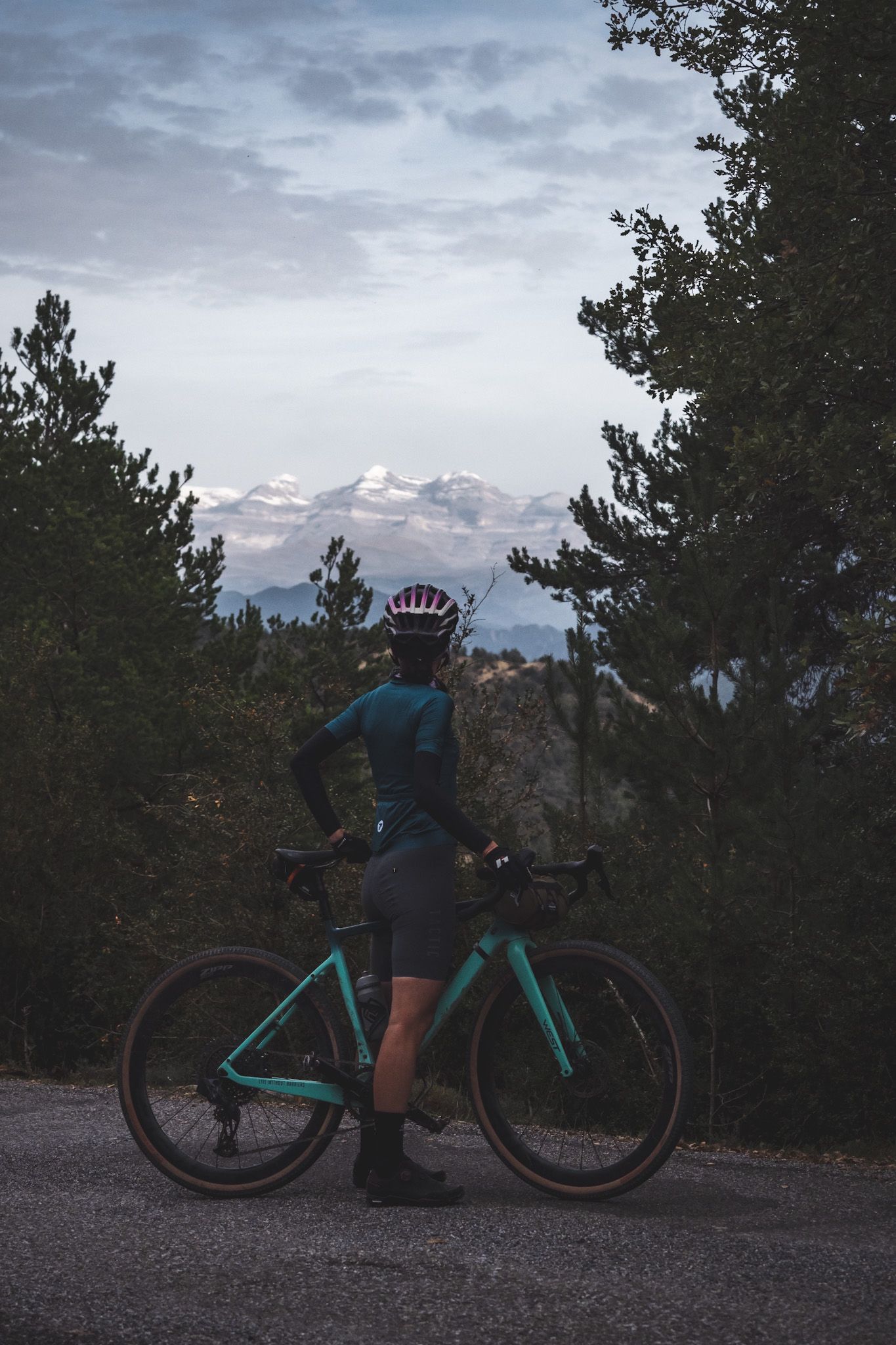
Where silence reigns - Grand Gravel Sobrarbe
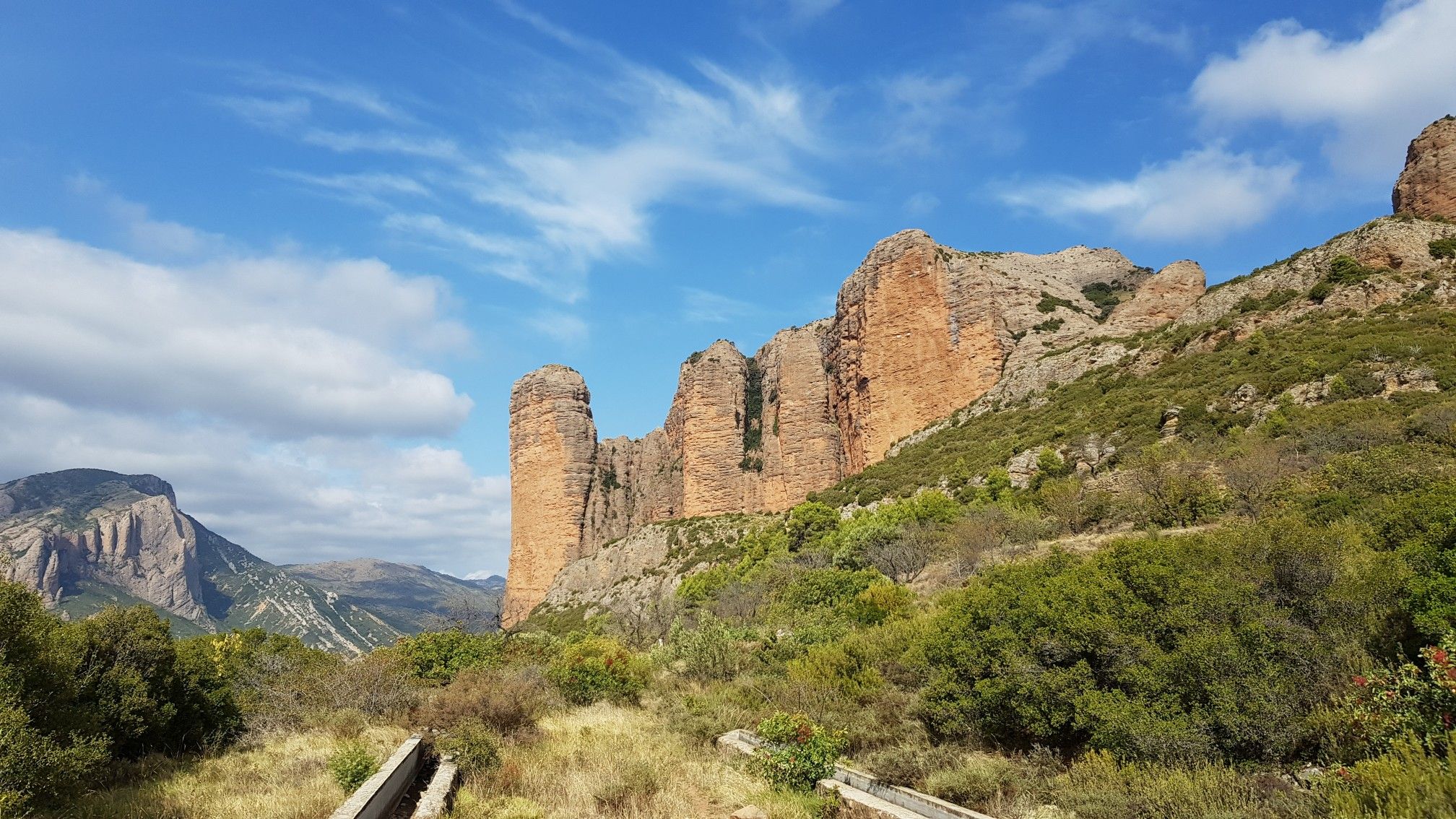
Monumental landscapes and culture — the Pre-Pyrenees by MTB
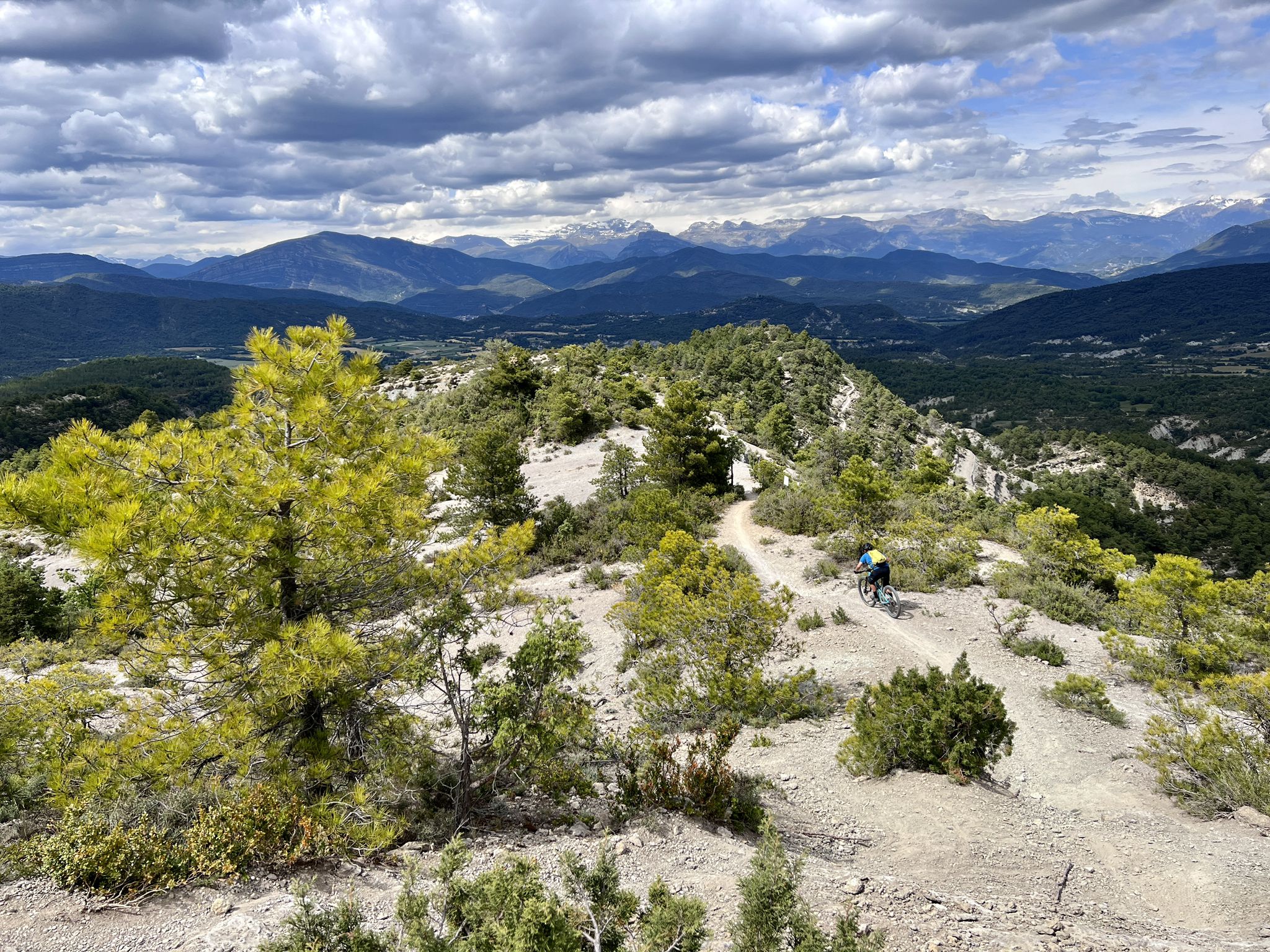
Zona Zero in Aínsa – Spain’s Eldorado for MTB enthusiasts
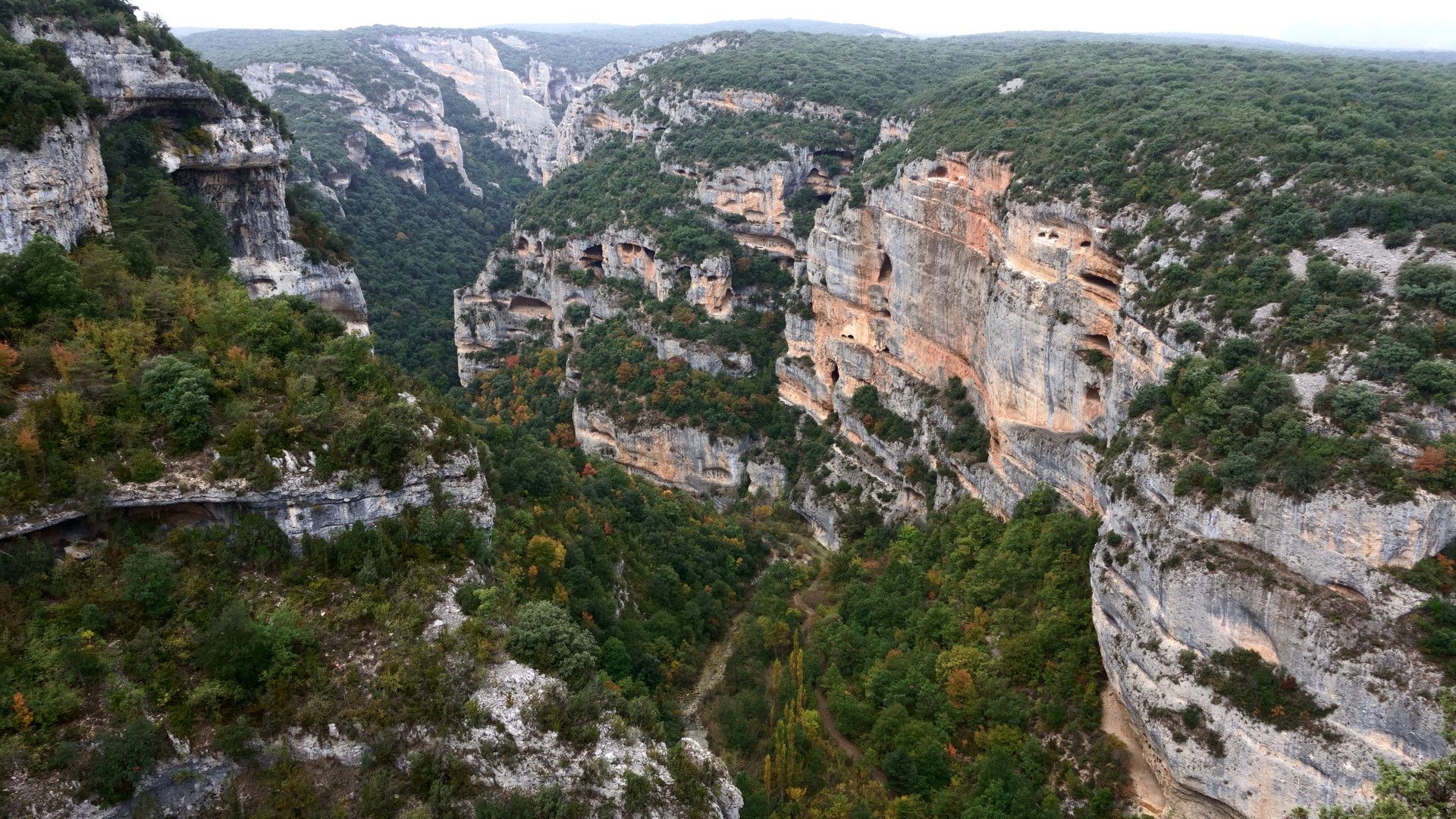
Trails and paths – Sierra de Guara and Biello Sobrarbe
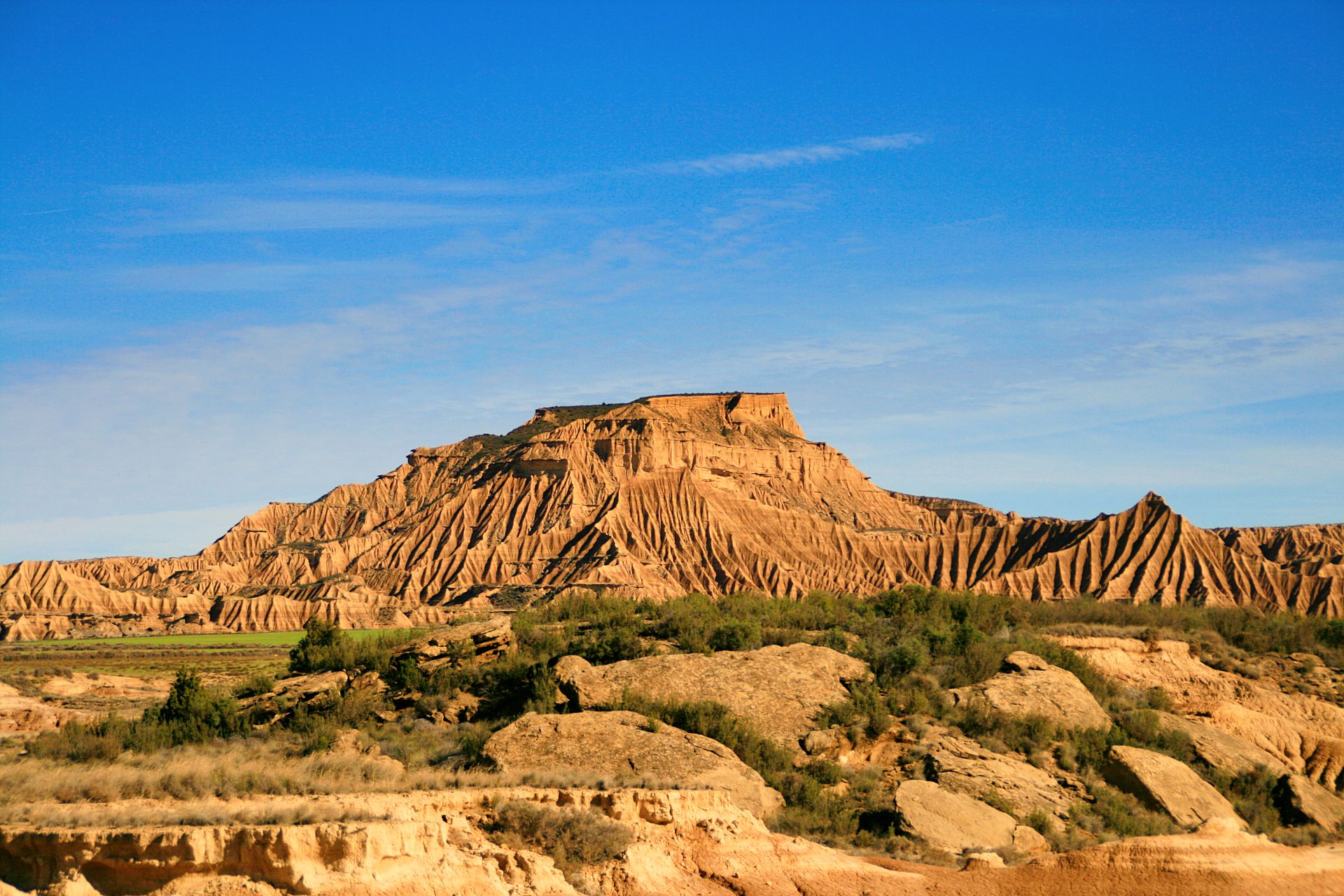
Spain’s Wild West – Sierra de Guara to the Bardenas
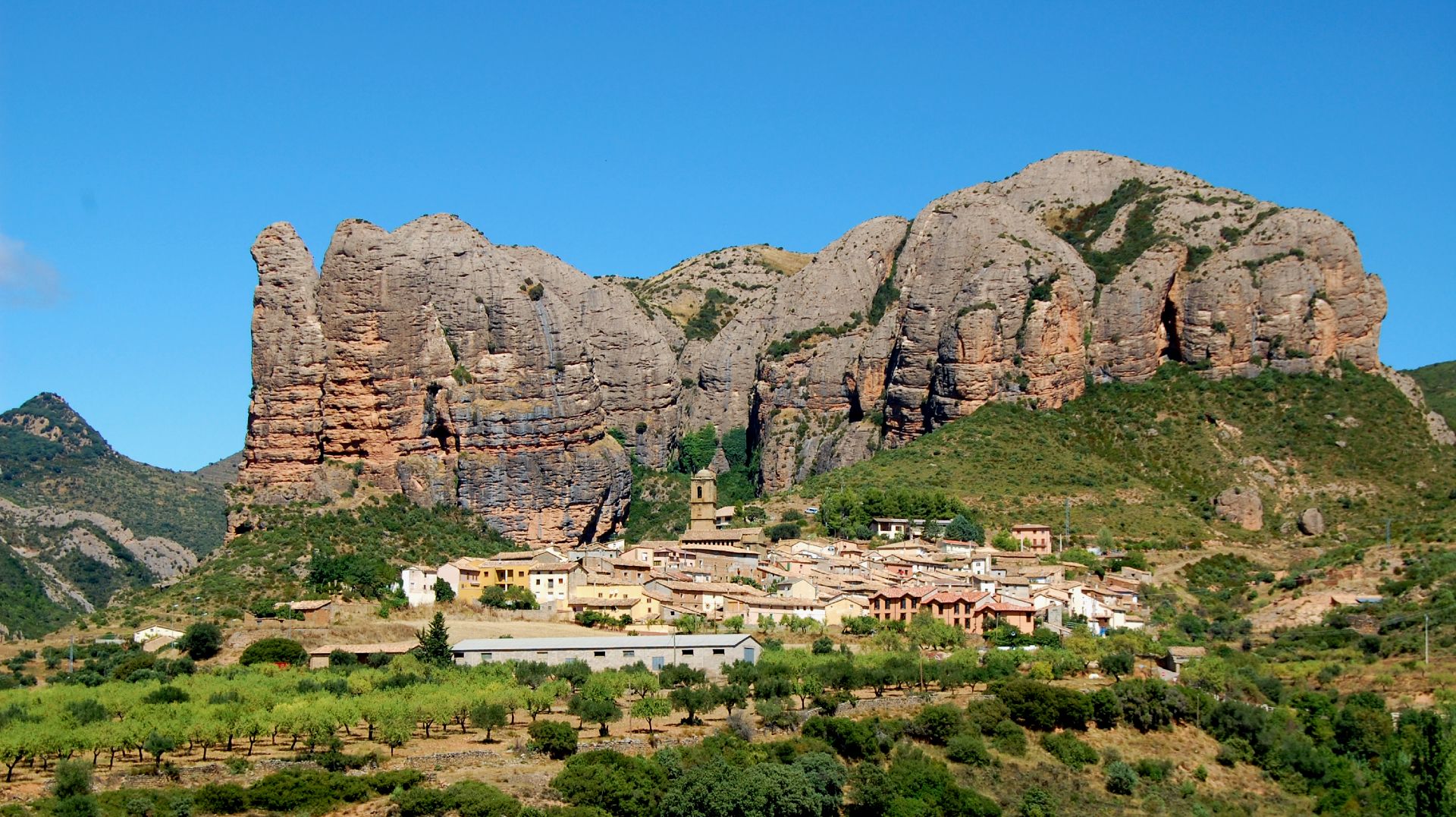
Land of rock and water – Sendero Histórico en Aragón
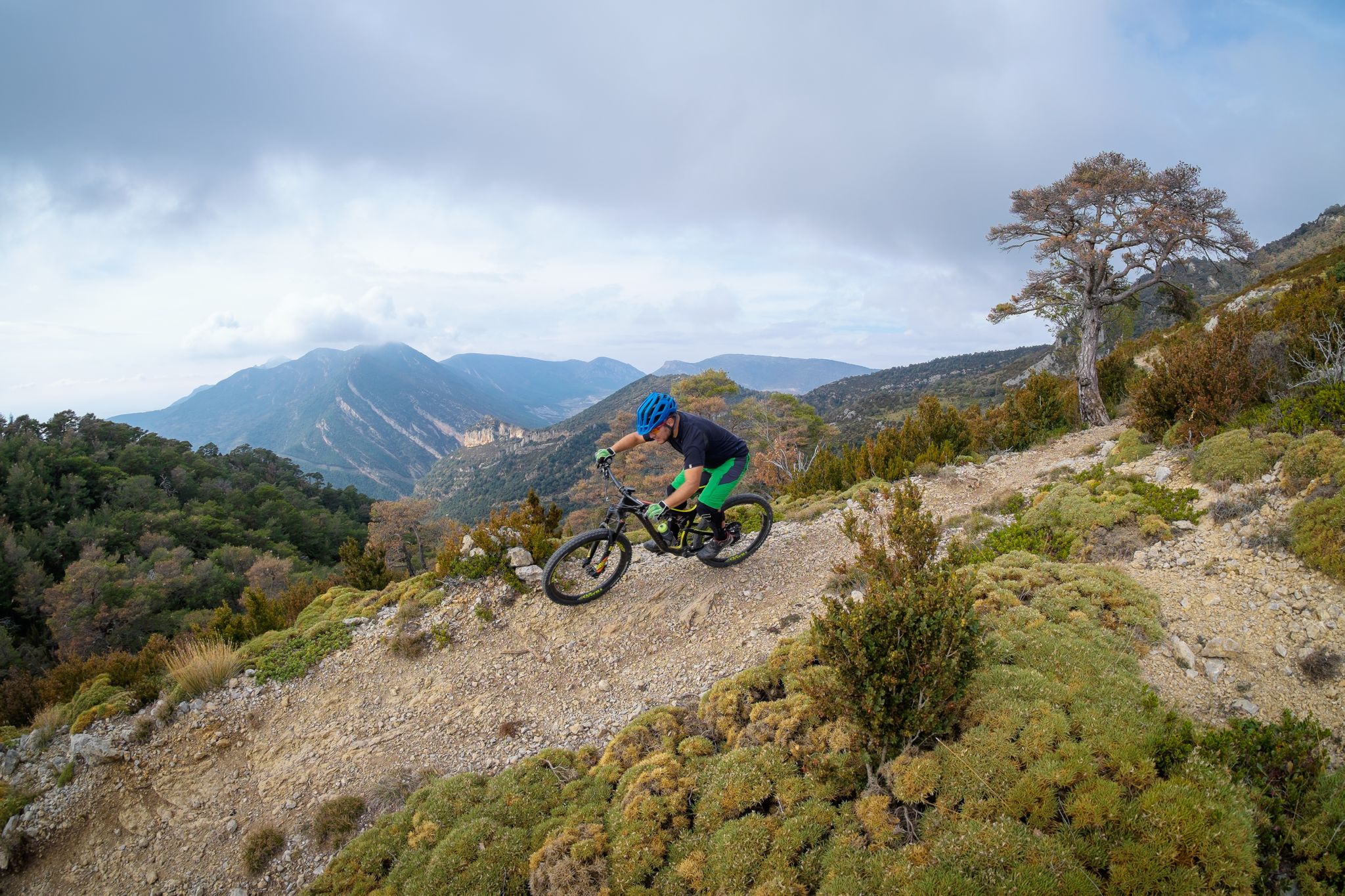
Aínsa, Benasque and Guara — Spain’s paradise for MTB (enduro)
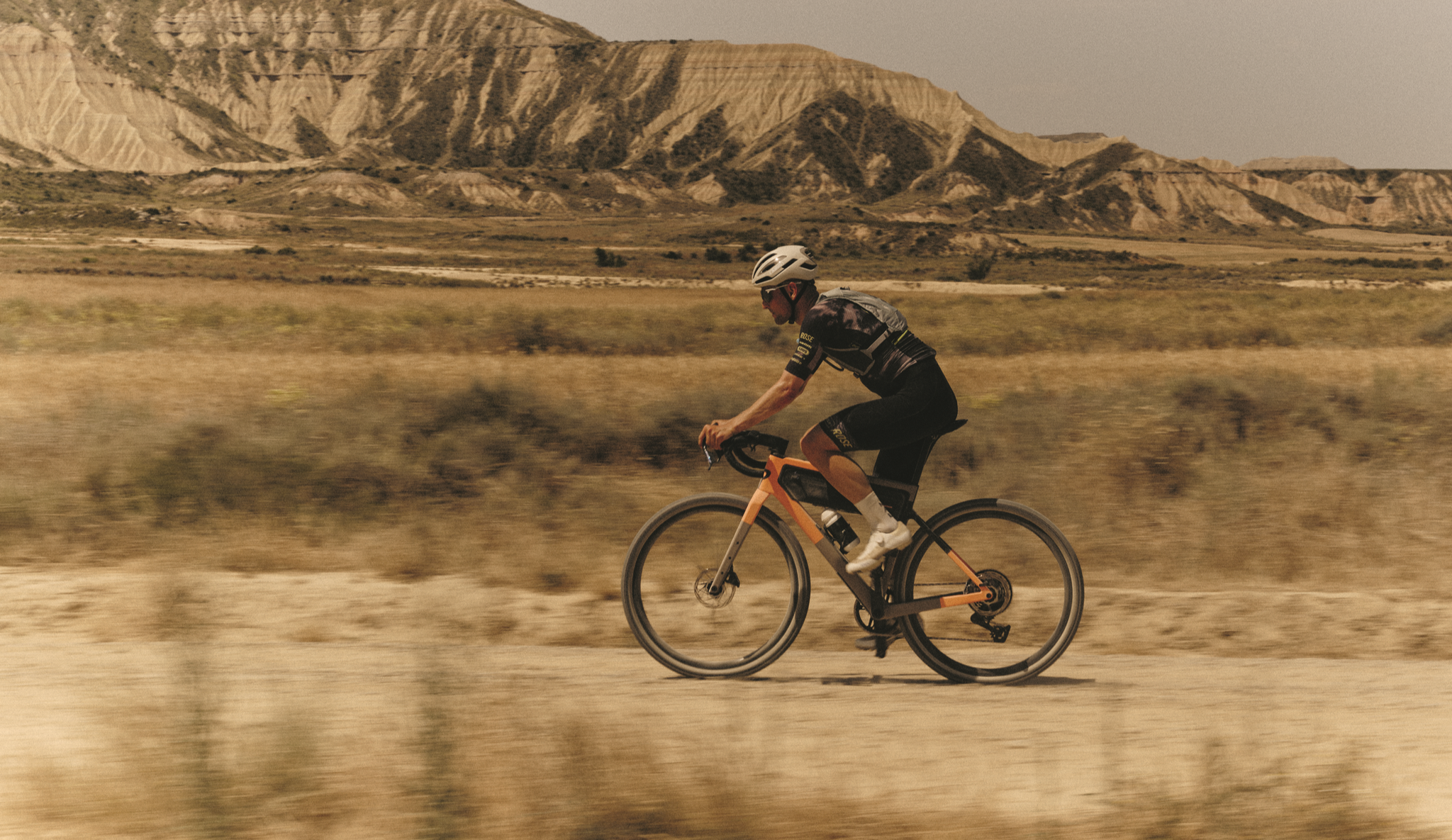
¡Qué bonito! – Mit dem ABUS Taipan durch Nordspanien
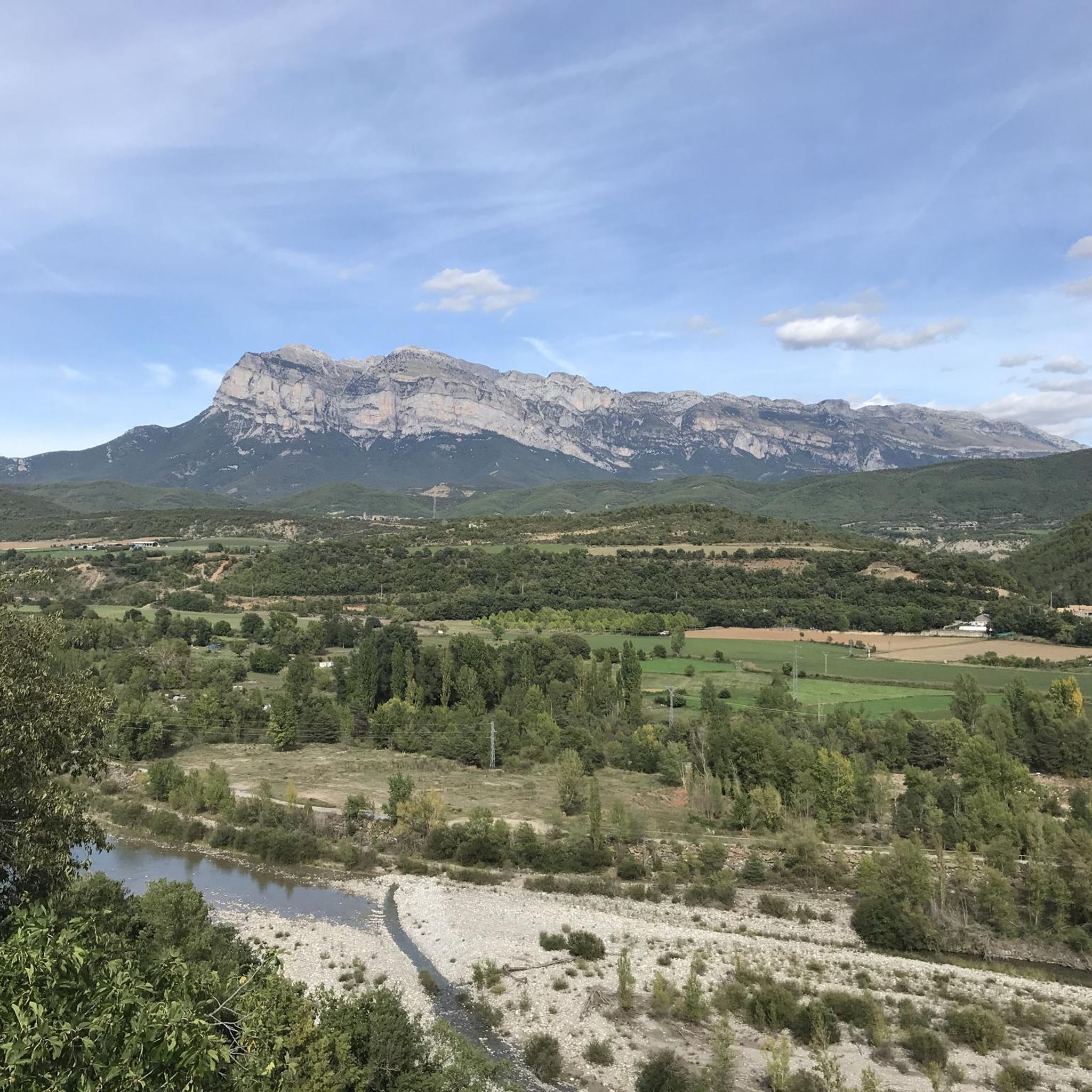
MTB Trails around Aínsa-Sobrarbe
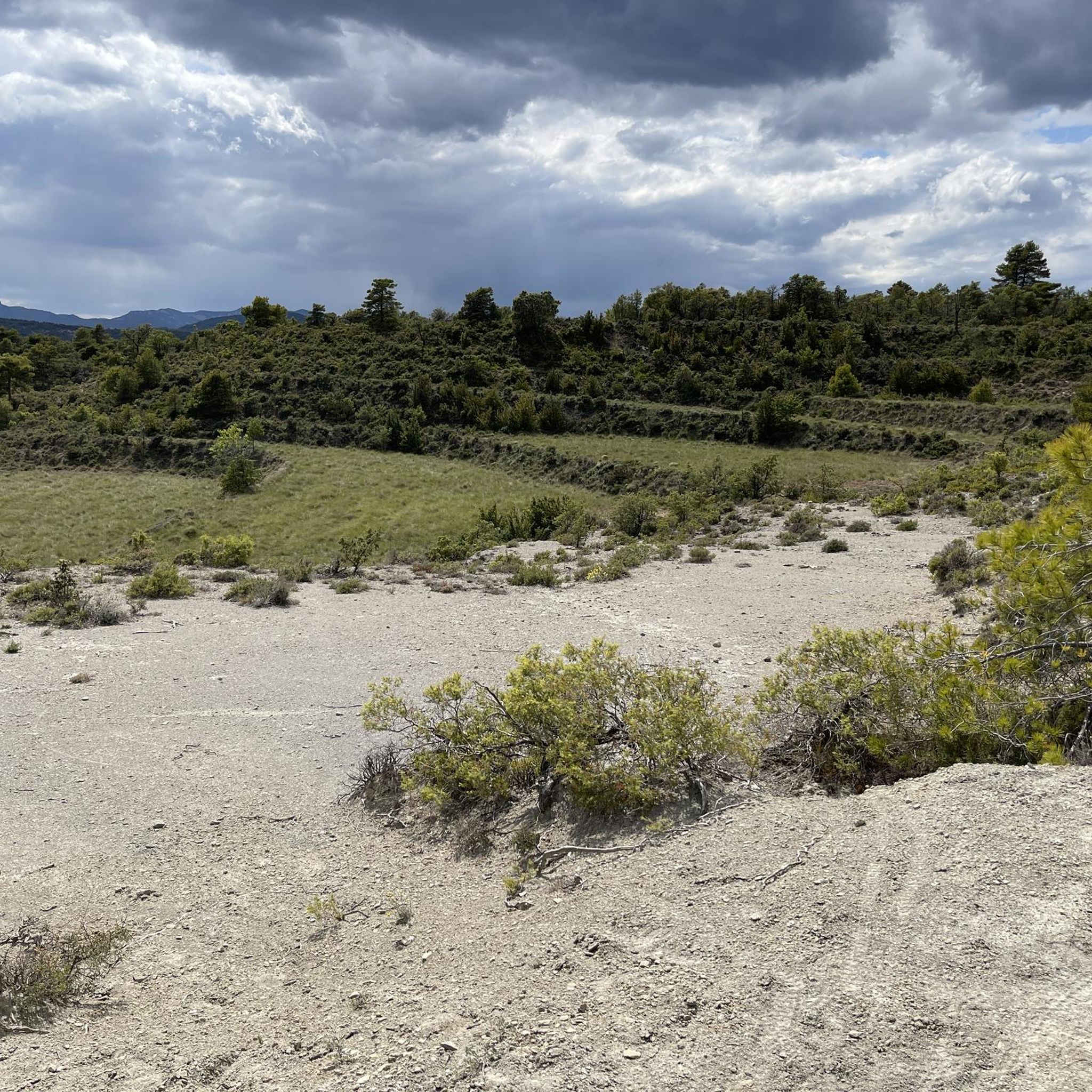
Road Cycling Routes around Aínsa-Sobrarbe
Other adventures around Aínsa-Sobrarbe


Tips from the Community

Even though this small sacred monument is not located on the famous Way of St. James through northern Spain, given the temple-like circular building with the cross standing here, perhaps some thoughts from Hape Kerkeling might be helpful as inspiration. The entertainer, famous primarily in Germany, walked the Camino Frances in 2001 and kept a diary, which was published under the title "Ich bin dann mal weg" (I'm Off Then). In it, he describes his personal encounter with God on the journey as follows: "Yesterday something struck a huge gong within me. And the sound will echo. Sooner or later, this path shakes everyone to their core. I know the sound will slowly fade, but if I prick up my ears, I will be able to perceive this echo for a very long time."
0
0

Great panoramic view from the Castillo!
0
0

This is not a Roman bridge, but a Roman bridge. Here for the translation AI to learn: Roman vs. Romanic, in English Roman vs. Romanic. The bridge is called Puente de Villacantal (with dots so the stupid AI doesn't translate it into, for example, "City Song Bridge": P.u.e.n.t.e d.e V.i.l.l.a.c.a.n.t.a.l The hike here is very beautiful, with an elevation gain of about 250 meters. You can take a refreshing swim.
0
1

Allow at least 20 minutes to appreciate the entire Ordesa and Monteperdido mountain range
0
0

The Losa Mora dolmen is located within the Sierra y Cañones de Guara natural park, near Rodellar and the Mascún canyon. This burial chamber dates from the Neolithic and consists of large slabs in a good state of preservation. Being on top of a hill, the visit to the dolmen also allows you to enjoy beautiful views of the mountains.
1
0

Also called Mondoto Castle, it is a religious-military complex that stands out for the remains of the hexagonal tower of the castle and the hermitage, good examples of Romanesque architecture. The hermitage is dedicated to San Emeterio and San Celedonio and curiously enough, it was actually designed as the first defense mechanism of the castle, since possible attackers had to first cross the place where the monks slept.
1
0
Small circular temple from the year 1665 that shelters the cross that commemorates the reconquest of Aínsa by the Christian warriors. Within the popular narrative of Muslim exile, this cross has its own legend.
2
0

Here you can travel back in time a bit. I had a lot of fun strolling through the narrow streets. The old town of Aínsa has an extraordinarily harmonious, uniform overall appearance of densely packed houses, from which the beautiful collegiate church tower and the huge castle complex stand out. The latter has almost the same dimensions as the rest of the town. The walls that surrounded the castle are still almost completely preserved, and the numerous monuments on the castle grounds transport the visitor back to the Middle Ages. https://www.spain.info/de/reiseziel/ainsa/ https://de.wikipedia.org/wiki/A%C3%ADnsa-Sobrarbe
21
0
Frequently Asked Questions
What historical landmarks can I explore in Aínsa-Sobrarbe?
Aínsa-Sobrarbe is rich in history. You can explore the well-preserved Aínsa Old Town, with its charming alleys and traditional houses. Don't miss the imposing Aínsa Castle, the magnificent Plaza Mayor, and the Romanesque Iglesia de Santa María. Further afield, the Samitier Castle offers remains of a hexagonal tower and a Romanesque hermitage with views of the Ordesa and Monte Perdido mountain range. The Real Monasterio de San Victorián, one of Spain's oldest monasteries, is also a significant historical site.
What natural attractions are there to see in Aínsa-Sobrarbe?
The region boasts diverse natural beauty. You can visit the Picamartillo Cave, which is part of an excellent hiking route and offers scenic views even before reaching its interior. Lake Mediano, just south of Aínsa, is ideal for water activities like canoeing. The area is also part of the UNESCO World Geopark Sobrarbe-Pyrenees, showcasing 500 million years of geological history. Additionally, Aínsa-Sobrarbe serves as a great base for exploring the breathtaking landscapes of Ordesa and Monte Perdido National Park.
Are there family-friendly attractions in Aínsa-Sobrarbe?
Yes, Aínsa-Sobrarbe offers several family-friendly options. The Aínsa Old Town is a delightful place for families to stroll through medieval streets. The Eco Museum-Visitors' Center of the Castle of Aínsa, located within the castle's Torre del Homenaje, focuses on Pyrenean fauna and flora, making it an engaging educational experience for children. Exploring the Sobrarbe Geopark Space also offers interactive ways to learn about the region's geology.
What hiking opportunities are available near Aínsa-Sobrarbe's attractions?
Aínsa-Sobrarbe is a fantastic area for hiking. You can find routes that lead to attractions like the Picamartillo Cave. For more extensive options, consider exploring the trails around Ordesa and Monte Perdido National Park. There are also moderate hikes like the 'Bearded Vulture Observatory – View of Aínsa loop' or the 'Aínsa Old Town – Aínsa Old Town loop'. You can find more details on these and other routes in the Hiking around Aínsa-Sobrarbe guide.
Can I go cycling near Aínsa-Sobrarbe's attractions?
Absolutely, Aínsa-Sobrarbe is well-suited for cycling. You can find various routes for gravel biking and road cycling. For gravel biking, options include the 'Cruz Cubierta Monument – Aínsa Old Town loop' or the 'Boltaña Monastery loop'. Road cyclists can tackle challenging routes like 'Ordesa y Monteperdido – circular via Bajo Peñas' or a moderate 'Aínsa and Monastery of San Victorián Loop'. Discover more cycling routes in the Gravel biking around Aínsa-Sobrarbe and Road Cycling Routes around Aínsa-Sobrarbe guides.
Where can I find the best viewpoints in Aínsa-Sobrarbe?
For stunning panoramic views, head to the Mirador del Cinca, which offers vistas of the historic castle and village. The bell tower of the Iglesia de Santa María in Aínsa also provides superb views of the town. From Samitier Castle, you can appreciate the entire Ordesa and Monte Perdido mountain range. The Dolmen of Losa Mora, situated on a hill, also provides beautiful mountain views.
Are there any unique or less-known attractions worth visiting?
Beyond the main highlights, consider visiting the Dolmen of Losa Mora, a Neolithic burial chamber located within the Sierra y Cañones de Guara natural park, offering both historical intrigue and beautiful views. The Puente de Villacantal, a 16th-century bridge over the Vero river, is another picturesque spot that contributes to the beauty of the Vero canyon.
When is the best time to visit Aínsa-Sobrarbe?
Aínsa-Sobrarbe is enjoyable throughout much of the year, but the best time often depends on your planned activities. Spring and autumn offer pleasant temperatures for hiking and exploring the historical sites without the intense summer heat. Summer (July-August) is popular, especially for cultural events like the Castillo de Ainsa International Music Festival in July, but can be warmer. The region's natural beauty, including the Pyrenees, is stunning in all seasons.
What cultural experiences does Aínsa-Sobrarbe offer?
Aínsa-Sobrarbe is rich in cultural experiences. The Aínsa Old Town itself is a living museum, with its medieval architecture and the Plaza Mayor. You can visit the Museum of Traditional Arts and Crafts in Casa Latorre to learn about the region's heritage. The biennial street theater pageant 'La Morisma' in September commemorates a historic Christian victory, and the Castillo de Ainsa International Music Festival in July brings music to the castle grounds. Don't forget to savor the local Aragonese gastronomy in the old town's restaurants.
What can I learn about the geology of the region?
The Aínsa-Sobrarbe region is part of the UNESCO World Geopark Sobrarbe-Pyrenees, a diverse territory showcasing the geological history of the Pyrenees over 500 million years. The Interpretation Center for the Geopark is conveniently located within the Aínsa Castle, offering an excellent starting point to understand the unique geological formations and landscapes of the area.
Are there dog-friendly places or trails around Aínsa-Sobrarbe?
Many natural areas and trails around Aínsa-Sobrarbe are suitable for walks with dogs, provided they are kept on a leash and you follow local regulations. While specific attractions may have restrictions, the numerous hiking routes, such as those found in the Hiking around Aínsa-Sobrarbe guide, often offer opportunities for dog-friendly outings in nature.
Where can I find good food or local gastronomy in Aínsa-Sobrarbe?
Aínsa offers numerous restaurants, particularly in the Aínsa Old Town, where visitors can enjoy traditional Aragonese dishes and local specialties. You'll find a variety of establishments serving regional cuisine, providing a taste of the local culture after a day of exploring.
Most popular routes around Aínsa-Sobrarbe
Most popular attractions around Aínsa-Sobrarbe

Get inspired with the komoot mobile app


Explore more
Still not found the Highlight you’re looking for? See guides of the top attractions in other regions:
