Attractions and Places To See around Quintanilla Vivar - Top 20
Best attractions and places to see around Quintanilla Vivar, a municipality in the province of Burgos, Spain, offers a blend of historical, cultural, and natural attractions. Many sites are closely tied to the legendary figure of El Cid Campeador, particularly in Vivar del Cid, which is part of the broader area. The region provides opportunities to explore significant landmarks and natural landscapes.
Best attractions and places to see around Quintanilla Vivar
- The most popular attractions is Burgos Cathedral, a…
Last updated: August 30, 2026
Burgos Cathedral
Highlight • Religious Site
Translated by Google •
Tip by

Arch of Santa María
Highlight • Monument
Translated by Google •
Tip by
Sign up now to discover places like this
Get recommendations on the best single tracks, peaks, & plenty of other exciting outdoor places.
Sign up for free
Plaza Mayor of Burgos
Highlight • Settlement
Translated by Google •
Tip by
Statue of El Cid, the Campeador (Plaza del Mio Cid, Burgos)
Highlight • Monument
The bronze equestrian statue of the Cid was made by Juan Cristóbal …
Translated by Google •
Tip by
Statue of the Seated Pilgrim
Highlight • Monument
Translated by Google •
Tip by

Sign up for free to discover even more attractions around Quintanilla Vivar.
Sign up for free
Already have an account?
Start today with a free account
Your next adventure awaits.
Login or Signup
Popular around Quintanilla Vivar
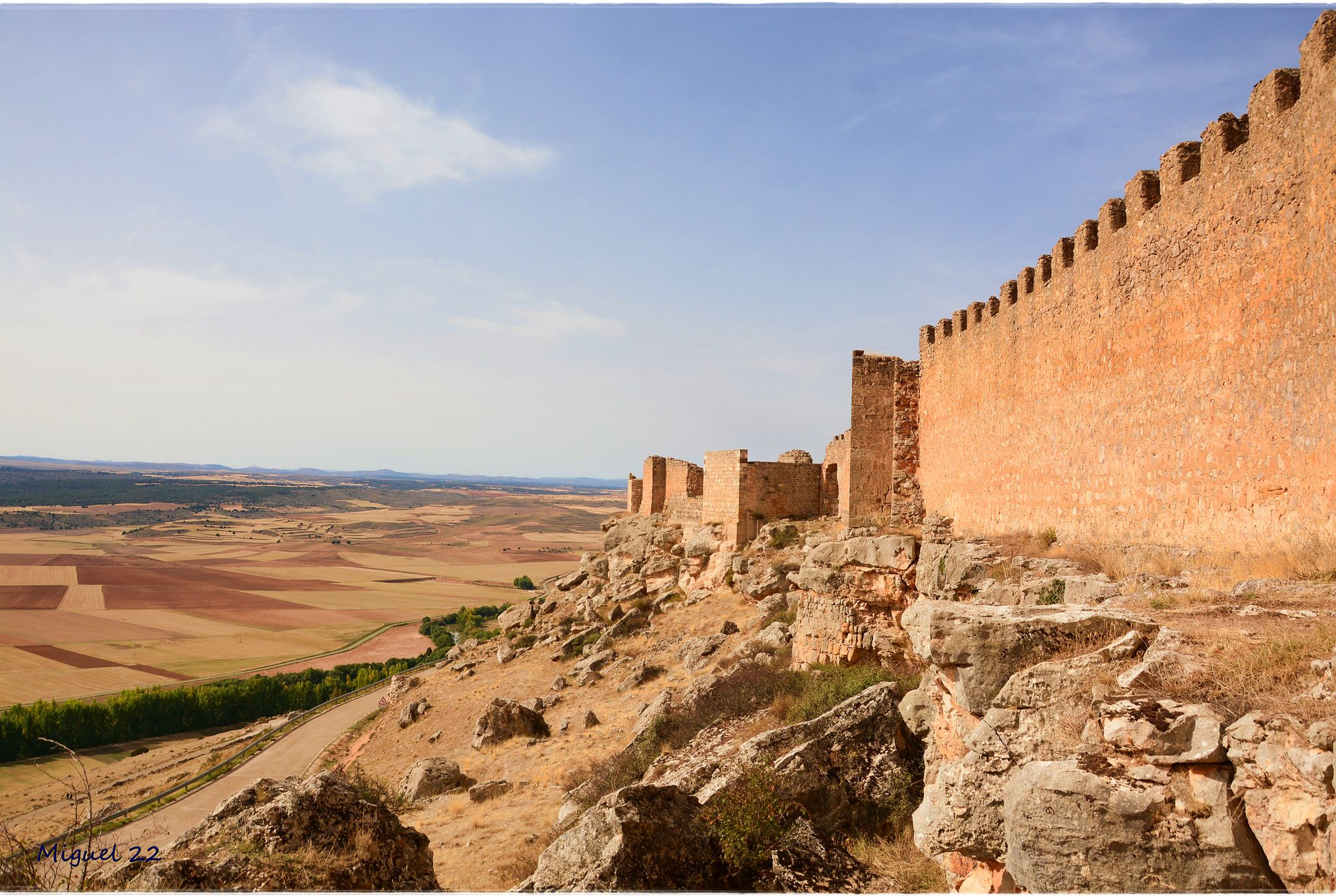
A journey through mediaeval Spain – El Camino del Cid (GR 160)
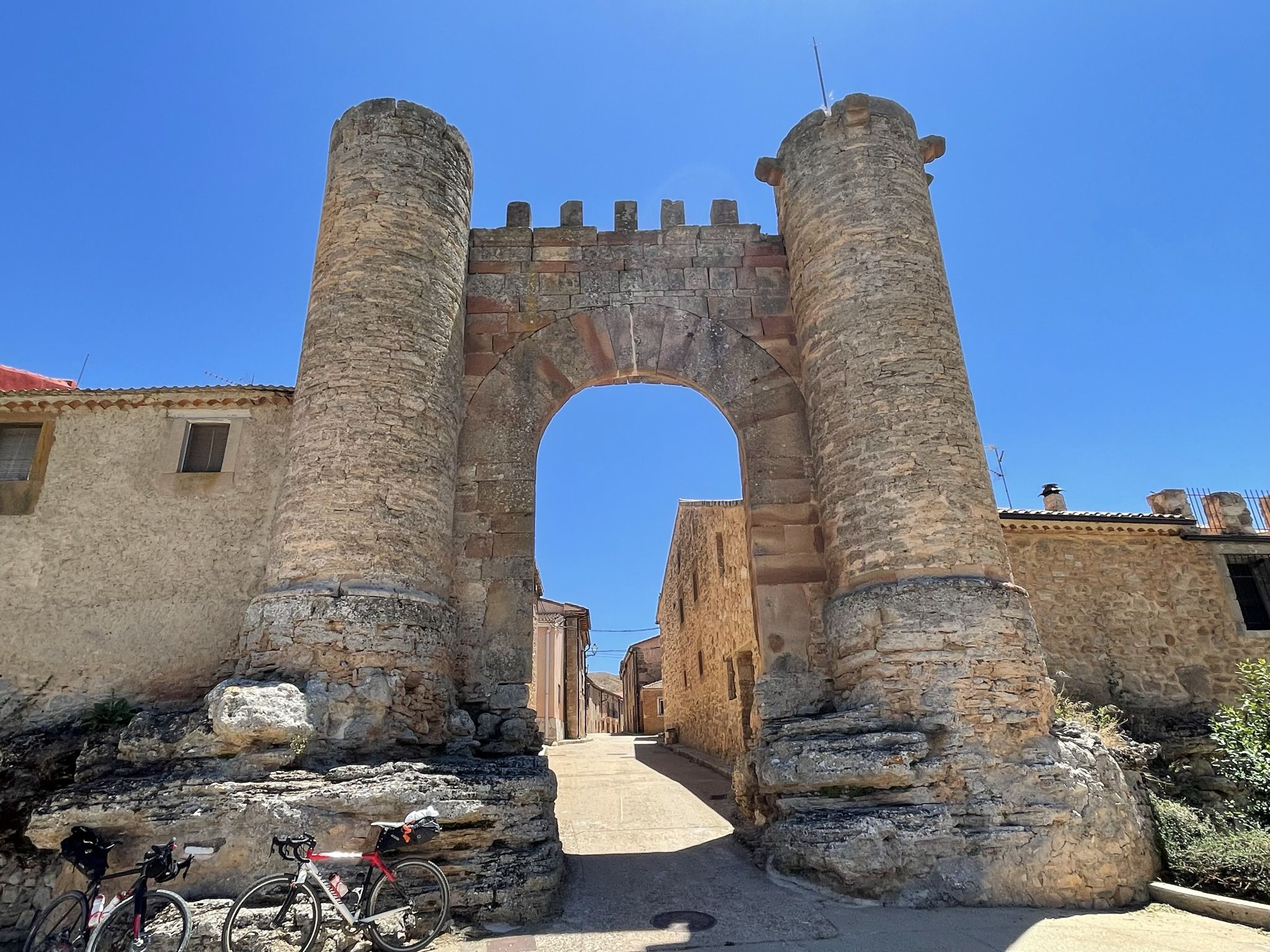
El Camino del Cid – El Destierro by gravel bike
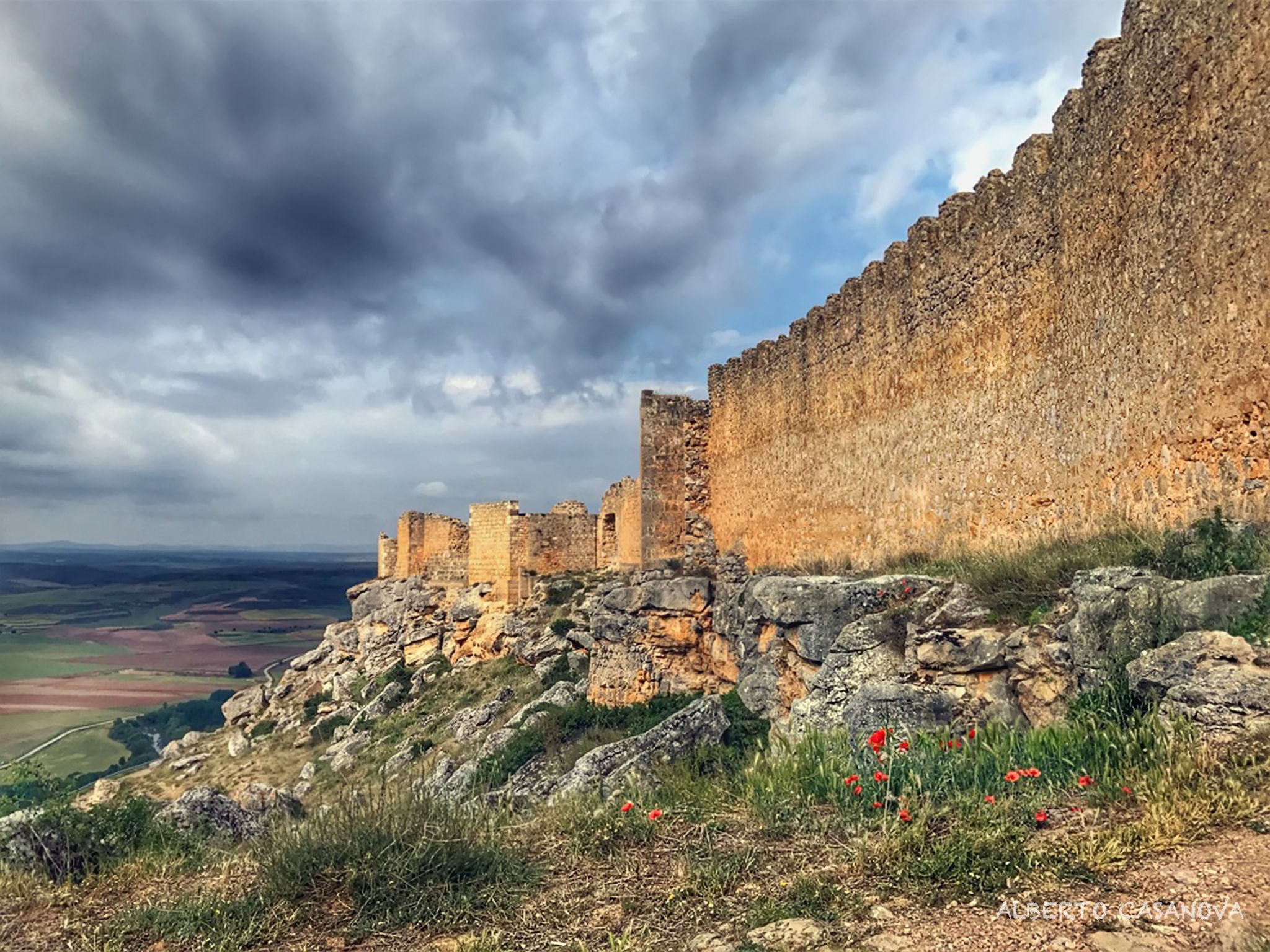
Camino del Cid on MTB – El Destierro
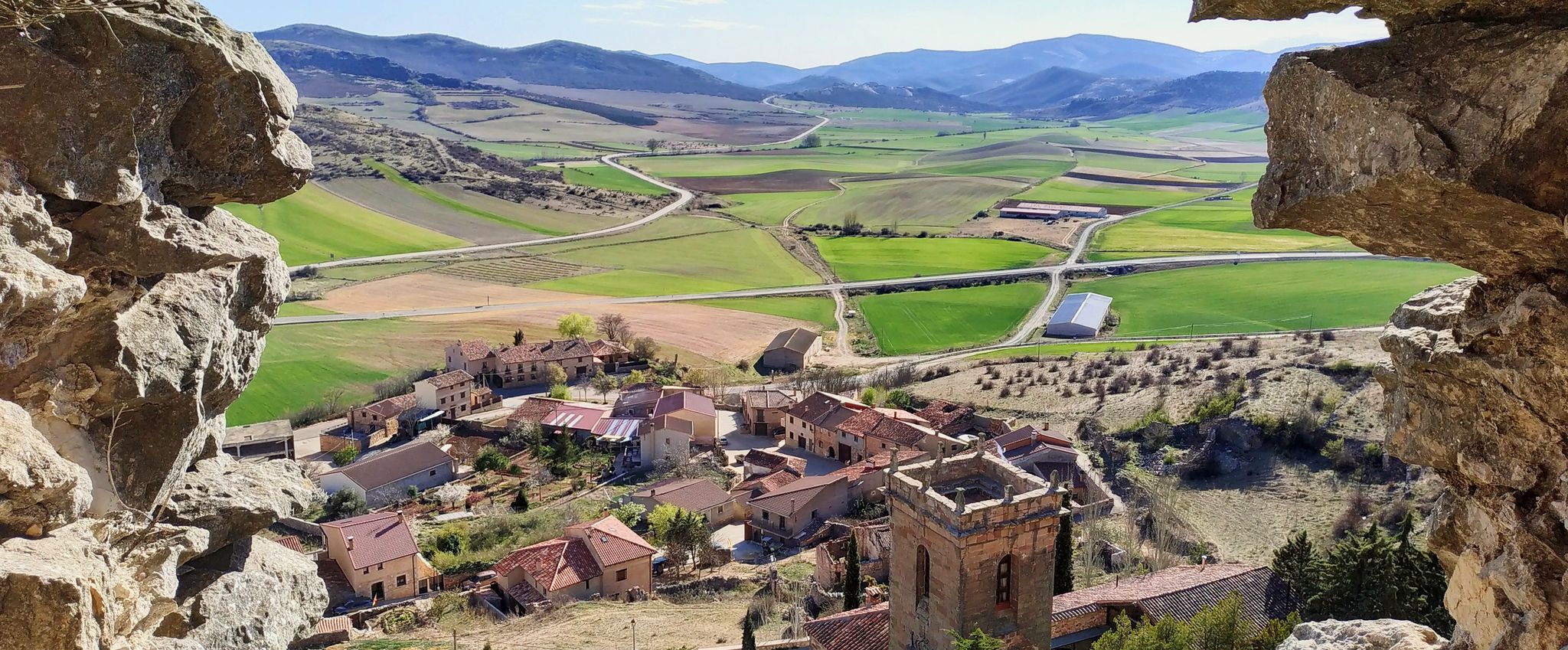
Spain’s Camino del Cid by bicycle — El Destierro
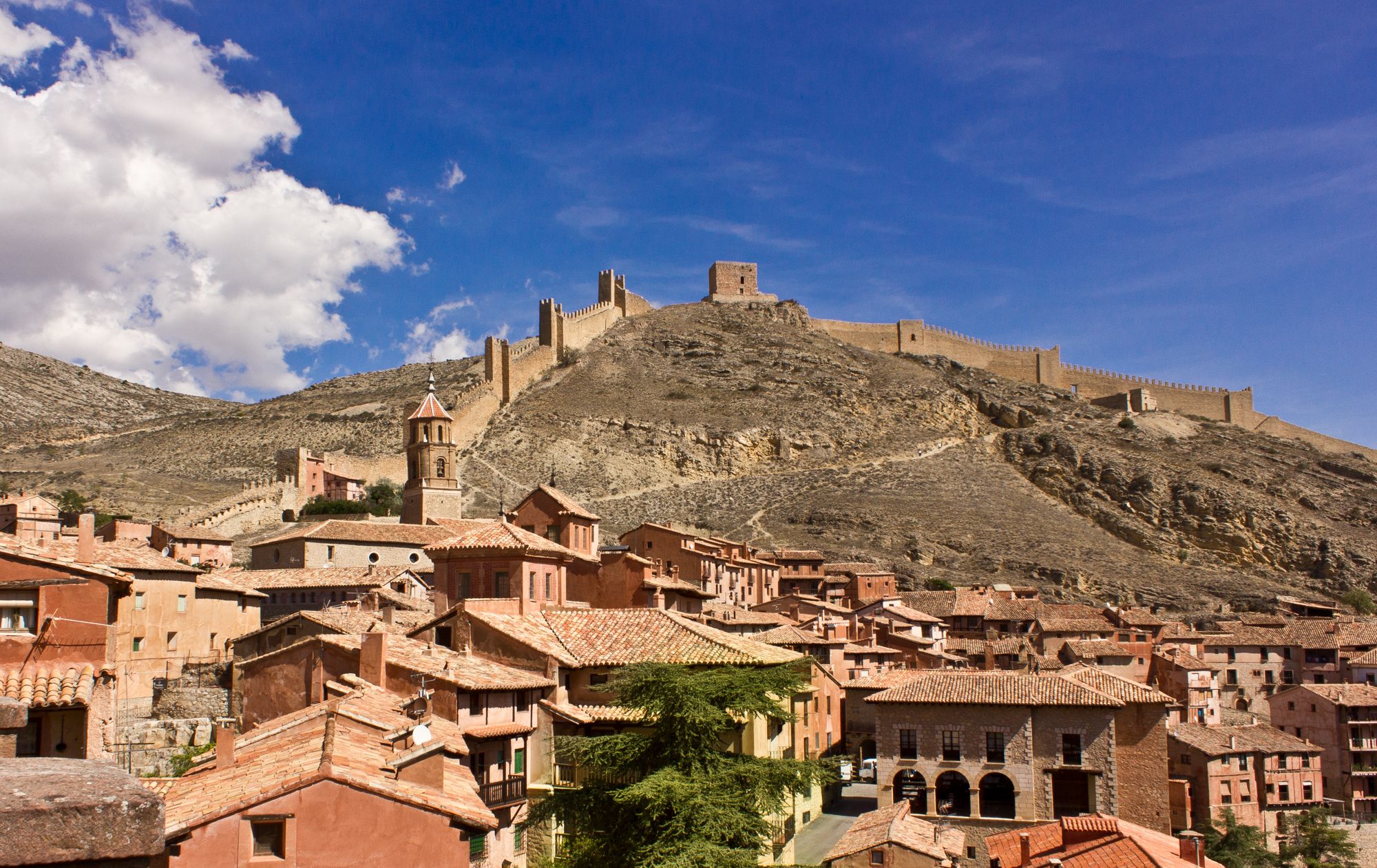
Bike tour into the Spanish Middle Ages - the Camino del Cid
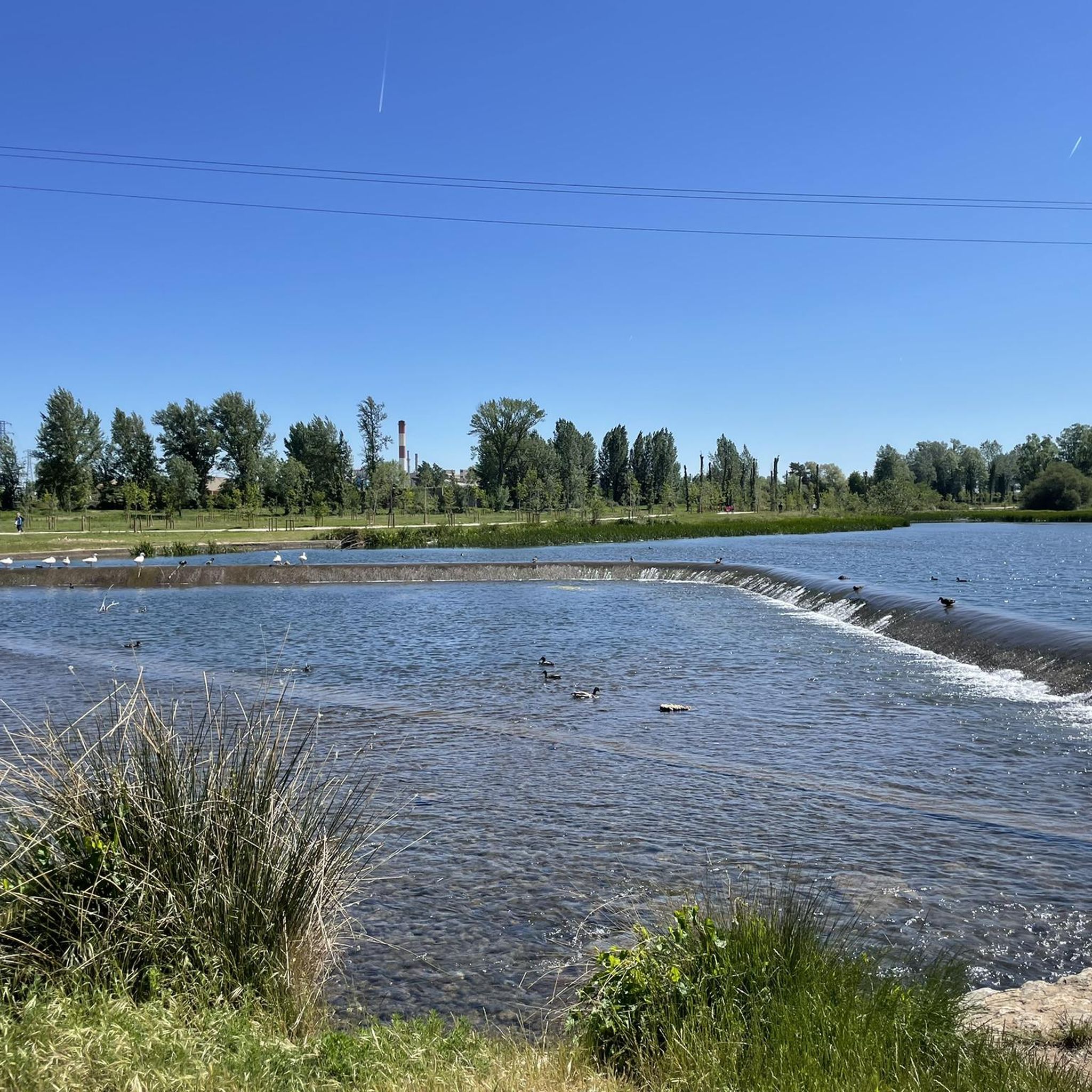
Cycling around Quintanilla Vivar
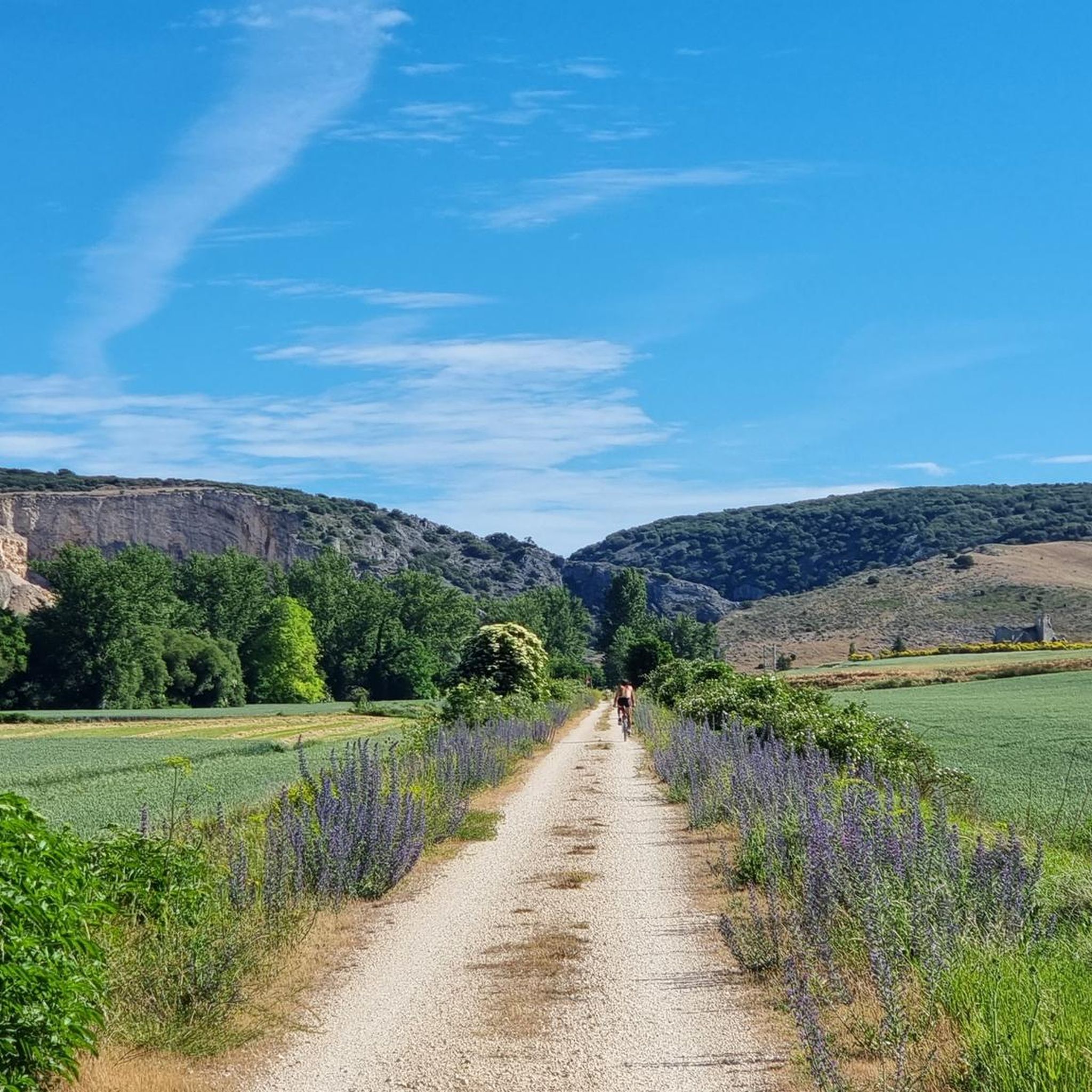
Road Cycling Routes around Quintanilla Vivar
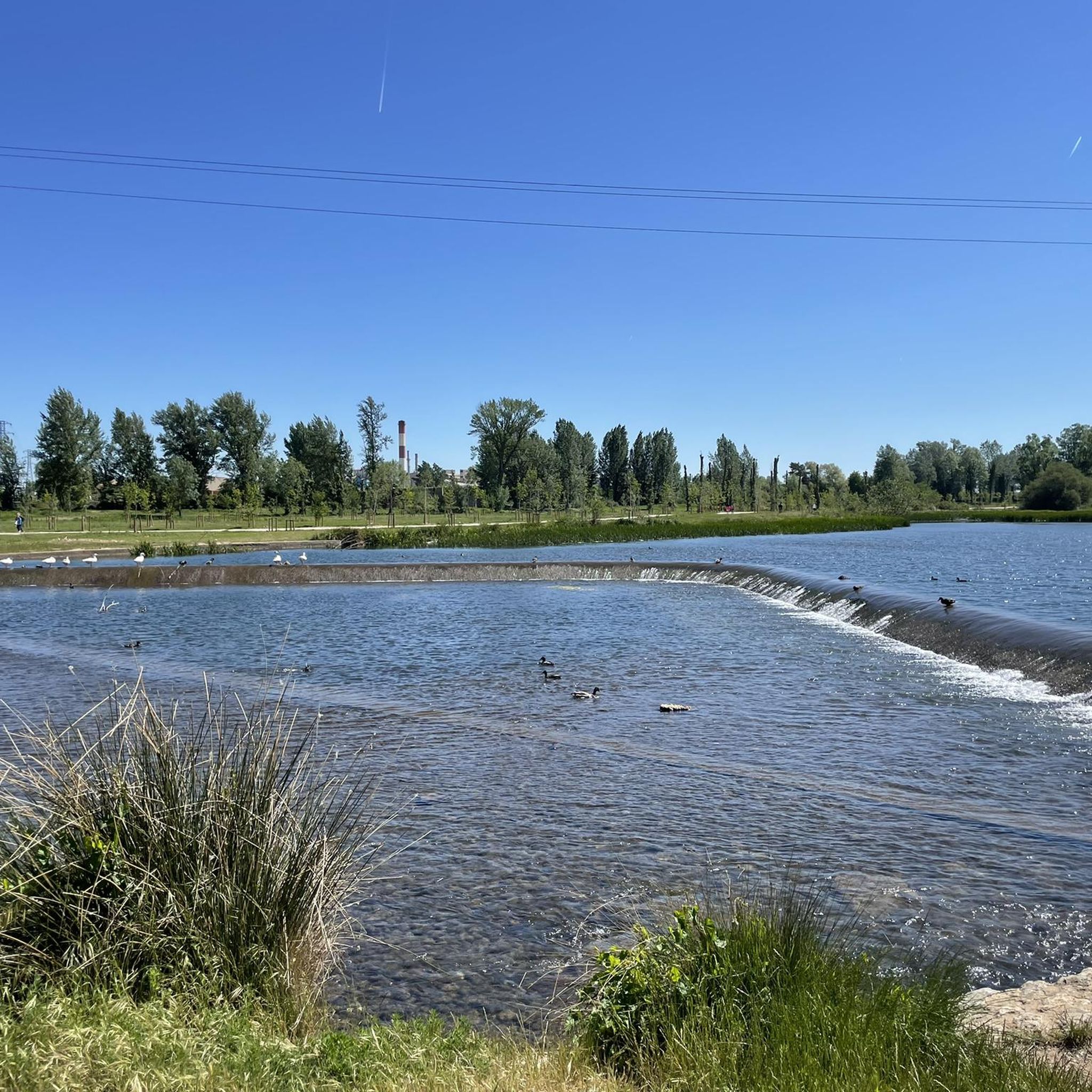
MTB Trails around Quintanilla Vivar
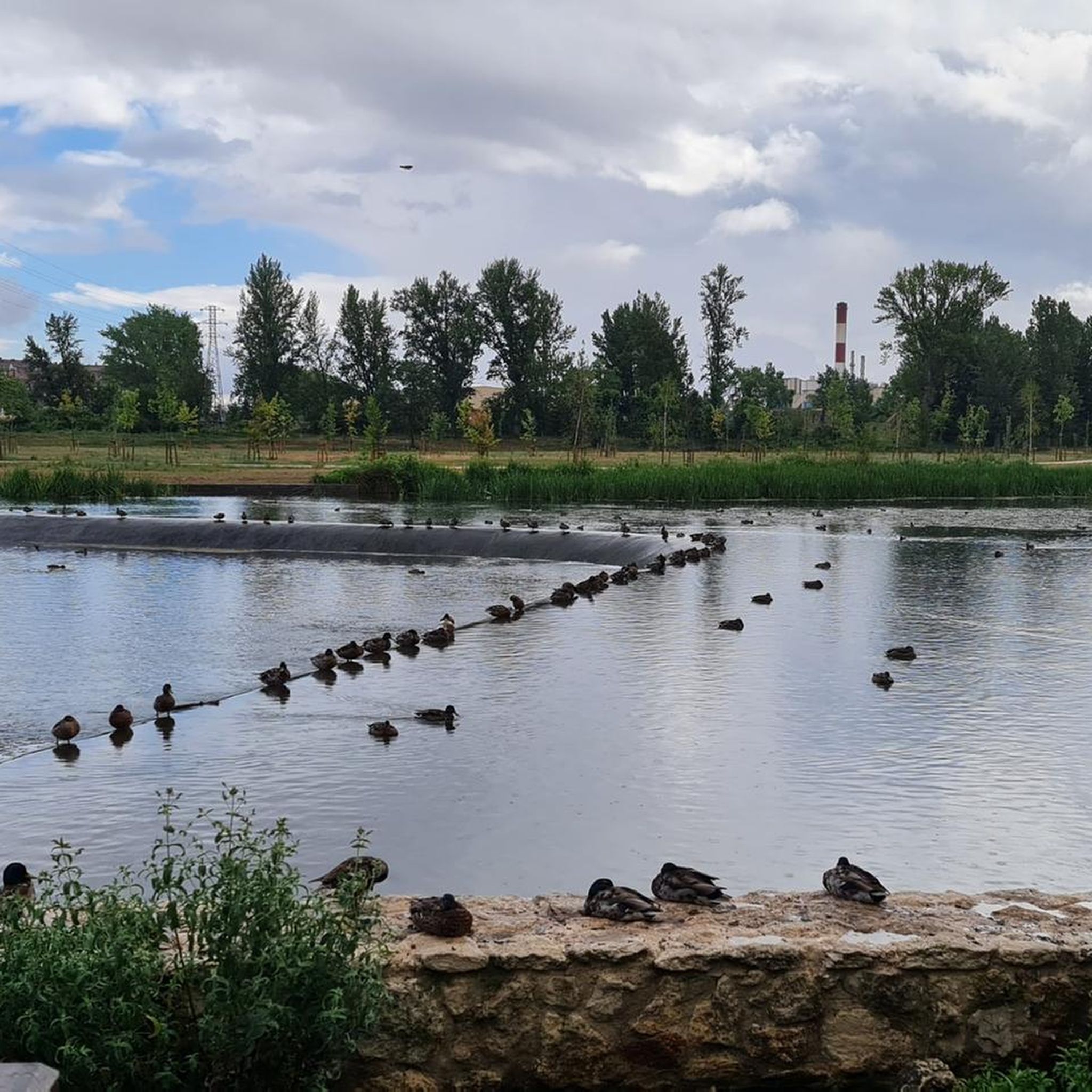
Running Trails around Quintanilla Vivar
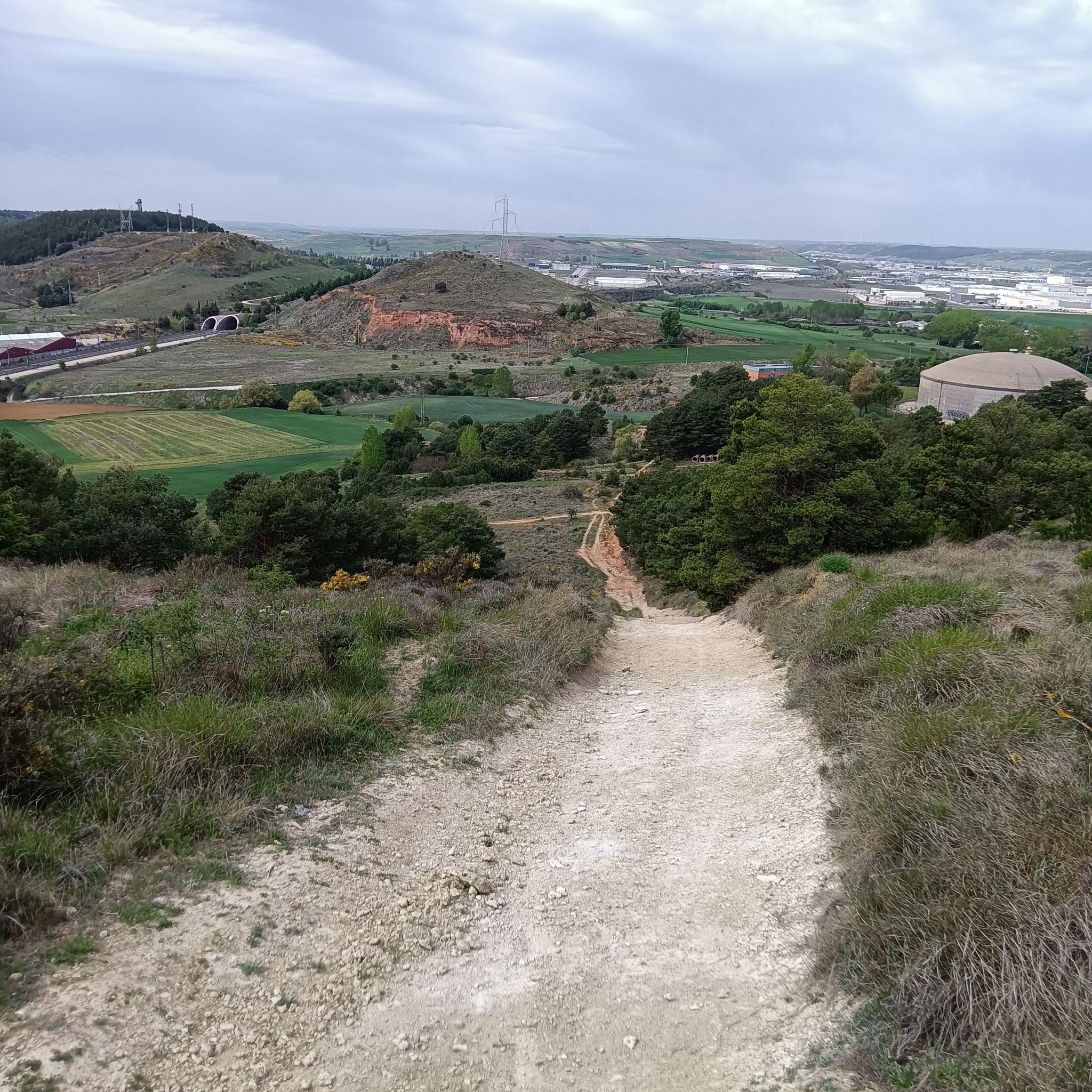
Hiking around Quintanilla Vivar
Other adventures around Quintanilla Vivar


Tips from the Community

An unusual but beautiful depiction of a pilgrim.
2
0

The Statue of the Seated Pilgrim in Burgos is a bronze sculpture depicting a pilgrim resting, seated on a bench with his walking stick. It is located in the Plaza del Rey San Fernando, just behind Burgos Cathedral, making it a popular photographic spot for visitors on the Camino de Santiago.
3
1

There is a poem that sings the greatness of "Mio Cid"
2
0

It's not like the one in Salamanca, but it's also worth it.
3
2
A statue with a lot of movement.
3
1

With one of the most beautiful Gothic churches on the Way of St. James, it's definitely worth a visit.
8
0

The Arch of Santa Maria is one of the twelve medieval gates that the city had during the Middle Ages. It was rebuilt by the Holy Roman Emperor, Charles V, during the 16th century after the local rulers of the city supported him during the Revolt of the Comuneros.
11
0
The Church of San Nicolás de Bari in Burgos is a gem of Castilian Gothic architecture, located right on the Camino de Santiago, next to the Cathedral. It was built in 1408 on the site of an earlier Romanesque church.
32
0
Frequently Asked Questions
What historical sites can I explore in Quintanilla Vivar and its surroundings?
The area is rich in history, particularly tied to El Cid Campeador. You can visit the Burgos Cathedral, a UNESCO World Heritage site, and the Arch of Santa María, a historic triumphal arch. In Vivar del Cid, which is part of the broader Quintanilla Vivar area, you'll find the Iglesia Parroquial de San Miguel and the Convento de La Virgen del Espino, which once safeguarded the Poem of El Mio Cid.
Are there any natural attractions or scenic areas near Quintanilla Vivar?
Yes, the Río Ubierna and Las Navas offer picturesque landscapes perfect for enjoying the countryside. The area around Sotragero, a nearby village, is also known for its natural beauty and rural tranquility. For more extensive exploration, the Camino Natural Santander-Mediterráneo provides scenic routes.
What outdoor activities, like hiking or cycling, are available around Quintanilla Vivar?
Quintanilla Vivar is a great starting point for various outdoor activities. You can explore sections of the Camino del Cid, the Camino Natural Santander-Mediterráneo, or the PR-BU 28 "Sendero de Carlos V." For specific routes, you can find many options for hiking and cycling, including easy loops like 'Burgos: El Cid and Arlanzón River Loop' or more challenging rides like 'Altotero Pass – Quintanartuño Tower loop'.
Is Quintanilla Vivar suitable for family visits?
Absolutely. Many attractions in the area are family-friendly, including the Burgos Cathedral and the Arch of Santa María. Exploring the natural trails like the Camino Natural Santander-Mediterráneo can also be a fun activity for families. The Statue of El Cid, the Campeador is also a popular spot for all ages.
Can I follow the Camino del Cid through Quintanilla Vivar?
Yes, Quintanilla Vivar is a significant point along the Camino del Cid, a themed tourist and cultural route that traces the footsteps of Rodrigo Díaz de Vivar. You can explore sections of this historic path in the area, particularly around Vivar del Cid.
What is the Camino Natural Santander-Mediterráneo, and can I access it from Quintanilla Vivar?
The Camino Natural Santander-Mediterráneo is a natural trail that follows the path of an old railway, offering excellent opportunities for hiking and cycling. Quintanilla Vivar serves as the starting point for the "Vía Verde del antiguo Ferrocarril Santander-Mediterráneo," making it easily accessible from the municipality.
Are there any religious buildings of note in the area?
The most prominent religious building is the Burgos Cathedral, a stunning example of Gothic architecture and a UNESCO World Heritage Site. In Vivar del Cid, you can also visit the Iglesia Parroquial de San Miguel, known for its Flamboyant Gothic style, and the historic Convento de La Virgen del Espino.
What monuments dedicated to El Cid Campeador can I see?
In the broader area, you can find the Statue of El Cid, the Campeador in Plaza del Mio Cid, Burgos, a life-sized bronze statue paying homage to Rodrigo Díaz de Vivar. Vivar del Cid, closely associated with Quintanilla Vivar, also features its own Monumento al Cid Campeador.
Are there any wheelchair-accessible attractions in the area?
Yes, several key attractions in the nearby city of Burgos are noted as wheelchair-accessible. These include the Plaza Mayor of Burgos, the Statue of El Cid, the Campeador, and the Statue of the Seated Pilgrim.
What is the best time of year to visit Quintanilla Vivar?
While specific seasonal details are not provided, the region's blend of historical, cultural, and natural attractions suggests that spring and autumn would be ideal for comfortable exploration of outdoor trails and historical sites. Summer can also be pleasant, especially for enjoying the natural landscapes.
Where can I find places to eat or stay near the attractions?
While Quintanilla Vivar offers rural tranquility, the nearby provincial capital of Burgos provides a wide array of options for dining and accommodation. The Plaza Mayor of Burgos, for instance, is known for its many small restaurants and vibrant atmosphere.
Are there dog-friendly trails or areas around Quintanilla Vivar?
Many of the natural trails and outdoor areas, such as those along the Río Ubierna and sections of the Camino Natural Santander-Mediterráneo, are generally suitable for walks with dogs. Always ensure to keep your dog on a leash and clean up after them to respect the local environment and other visitors.
What makes the Burgos Cathedral a significant attraction?
The Burgos Cathedral is a true masterpiece of Gothic architecture, declared a UNESCO World Heritage Site. It stands out as the only Spanish cathedral to receive this distinction independently. Its interior blends Gothic, Renaissance, and Baroque elements, offering a spectacular experience with intricate details and beautiful light filtering through its rose windows and stained glass.
Most popular routes around Quintanilla Vivar
Most popular attractions around Quintanilla Vivar

Get inspired with the komoot mobile app


Explore more
Still not found the Highlight you’re looking for? See guides of the top attractions in other regions:
