Attractions and Places To See around Pradilla De Ebro - Top 5
Best attractions and places to see around Pradilla De Ebro include cultural heritage sites, natural features, and historical points of interest. Situated on the left bank of the Ebro River, approximately 46 kilometers from Zaragoza, the town is defined by its riverine landscape. The Ebro River and its meanders offer scenic trails and dense groves with typical riverside vegetation. The region provides a blend of historical landmarks and natural beauty for exploration.
Best attractions and places to see around Pradilla…
Last updated: July 8, 2026
Alcalá de Ebro Viewpoint
Highlight • Viewpoint
Translated by Google •
Tip by

View of the Ebro River in Cabañas de Ebro
Highlight • River
Translated by Google •
Tip by

Sign up now to discover places like this
Get recommendations on the best single tracks, peaks, & plenty of other exciting outdoor places.
Sign up for free
Luceni
Highlight • Settlement
Translated by Google •
Tip by
Church of Santa María de Tauste
Highlight • Religious Site
Translated by Google •
Tip by

Gallur
Highlight • Settlement
Translated by Google •
Tip by
Start today with a free account
Your next adventure awaits.
Login or Signup


Tips from the Community

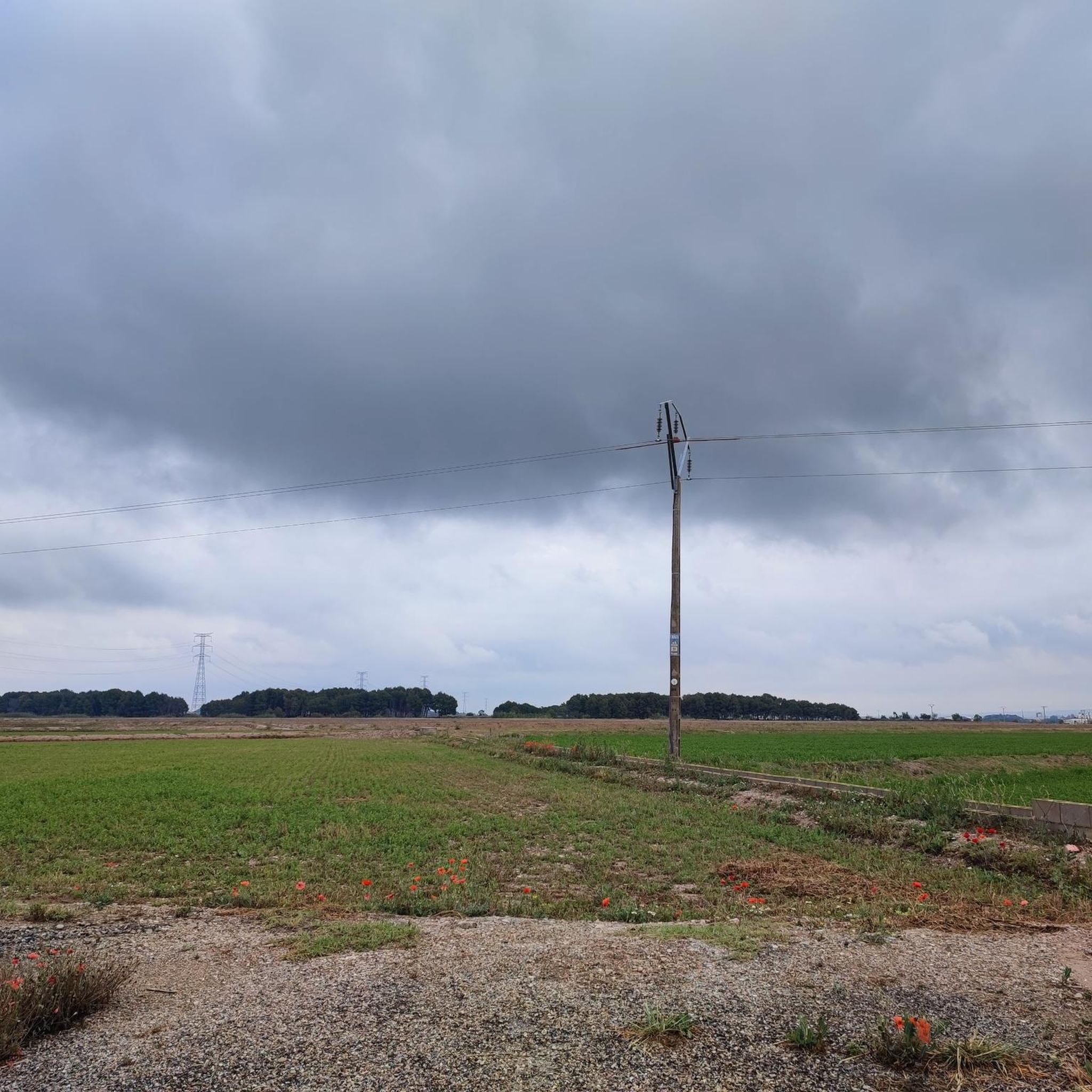
As it passes through Cabañas el Ebro, the river appears powerful and spreading. On the banks grow reeds that dance to the sway of the wind.
0
0
Luceni is a town in the province of Zaragoza that benefits from the imperial channel of Aragon and the waters of the Ebro. In its surroundings barley, cereals, corn and vegetables are grown. It is also an ideal place for a stopover due to its range of services.
0
0
Gallur is an agricultural enclave in Zaragoza on the banks of the Ebro and the imperial channel of Aragon. As it passes through the town, the river appears imposing. Its surroundings are extensively cultivated with corn and cereals.
0
0

We are in Tauste, in the Cinco Villas region of the province of Zaragoza. We highlight the pre-Roman site of Valdetaus, which is located on the outskirts of Tauste or the religious heritage of the Aragonese town, such as the Mudejar church of Santa María located on a hill at the top of the town, the church of San Antón Abad or the Monastery of Saint George.
1
0

On the walk between the town and the river there is a sculpture of Sancho Panza. It is commonly accepted that the promised "Insula Barataria" that appears in the second part of Don Quixote referred to Alcalá de Ebro. However, I believe that the pilaster found in the middle of the Ebro tells an even more interesting and recent story. Until 1964 in Alcalá de Ebro there was a salt factory that was supplied from the Remolinos mines, on the other side of the river. The mineral reached Alcalá by an aerial system of baskets guided by cables that were held by pilasters, of which the one in Alcalá is the last standing.
1
0

Viewpoint overlooking the Ebro River from the town of Alcalá de Ebro.
0
0
Frequently Asked Questions
What natural attractions can I explore around Pradilla de Ebro?
The Ebro River and its meanders are central to the region's natural appeal, offering scenic trails with dense groves of poplars, ash trees, and willows. You can also visit View of the Ebro River in Cabañas de Ebro, where the river appears powerful and reeds dance in the wind. Another significant natural area is the Galacho de Los Fornazos, an oxbow lake important for its biodiversity and as a refuge for migratory birds.
Are there any historical or cultural sites to visit in Pradilla de Ebro?
Yes, Pradilla de Ebro boasts rich cultural heritage. The 16th-century Church of Nuestra Señora del Rosario, with its Mudéjar tower, is a UNESCO World Heritage site. Inside, you'll find the 16th-century carving of the Santo Cristo de Gracia. The Embarcadero de la Barca Carladero, a historic jetty, now houses a museum detailing traditional river trades and Ebro navigation history. You can also see the Monolith of River Levels near the Ebro, which records significant historical floods.
What family-friendly activities are available in the area?
Families can enjoy Parque Bellavista, a green space by the Ebro equipped with picnic tables, barbecue facilities, and playgrounds. Many of the viewpoints, such as Alcalá de Ebro Viewpoint and View of the Ebro River in Cabañas de Ebro, are also considered family-friendly. The nearby settlement of Gallur also offers family-friendly options.
Where can I find scenic viewpoints of the Ebro River?
For stunning views of the Ebro River, visit Alcalá de Ebro Viewpoint, which offers a panoramic perspective from the town of Alcalá de Ebro. Another popular spot is the View of the Ebro River in Cabañas de Ebro, where you can observe the river's powerful flow and the surrounding reeds.
Are there hiking trails near Pradilla de Ebro?
Yes, Pradilla de Ebro offers several hiking opportunities, including sections of the Camino Natural del Ebro (GR-99), which allows you to explore the river and its natural surroundings. You can find more detailed information and routes for running in the area on the Running Trails around Pradilla De Ebro guide.
What cycling routes are available around Pradilla de Ebro?
The region around Pradilla de Ebro is suitable for cycling. You can explore various routes for touring bicycles and road bikes. For specific routes and their difficulties, refer to the Cycling around Pradilla De Ebro guide and the Road Cycling Routes around Pradilla De Ebro guide.
What is the Church of Santa María de Tauste known for?
The Church of Santa María de Tauste is a significant religious and historical site in the Cinco Villas region. It is a Mudéjar church located on a hill, part of the rich religious heritage of the Aragonese town, which also includes the pre-Roman site of Valdetaus.
What is Luceni, and what does it offer visitors?
Luceni is a settlement in the province of Zaragoza that benefits from the Imperial Channel of Aragon and the Ebro River. Its surroundings are extensively cultivated with barley, cereals, corn, and vegetables. It's an ideal place for a stopover, offering a range of services and being wheelchair accessible.
What is the best time to visit Pradilla de Ebro for outdoor activities?
The Ebro River region generally offers pleasant conditions for outdoor activities during spring and autumn, when temperatures are milder. These seasons are ideal for exploring trails along the river, visiting cultural sites, and enjoying the natural beauty without the extreme heat of summer or the chill of winter.
Are there any unique local traditions or events in Pradilla de Ebro?
Yes, Pradilla de Ebro has unique cultural practices. During local festivals, residents perform a traditional dance called "La Soldadesca del Moro." Additionally, on the first Sunday of May, a pilgrimage takes place to the Ermita de San Isidro (also known as Santa Ana), where locals share a traditional sweet called "coscoranas."
What do visitors enjoy most about the attractions around Pradilla de Ebro?
Visitors particularly appreciate the scenic river landscapes and the historical significance of the area. Highlights like the View of the Ebro River in Cabañas de Ebro are praised for the powerful appearance of the Ebro, while the Alcalá de Ebro Viewpoint offers insights into the region's industrial past with its pilaster remnant.
Most popular routes around Pradilla De Ebro

Get inspired with the komoot mobile app


Explore more
Still not found the Highlight you’re looking for? See guides of the top attractions in other regions:
