Attractions and Places To See around Lladurs - Top 20
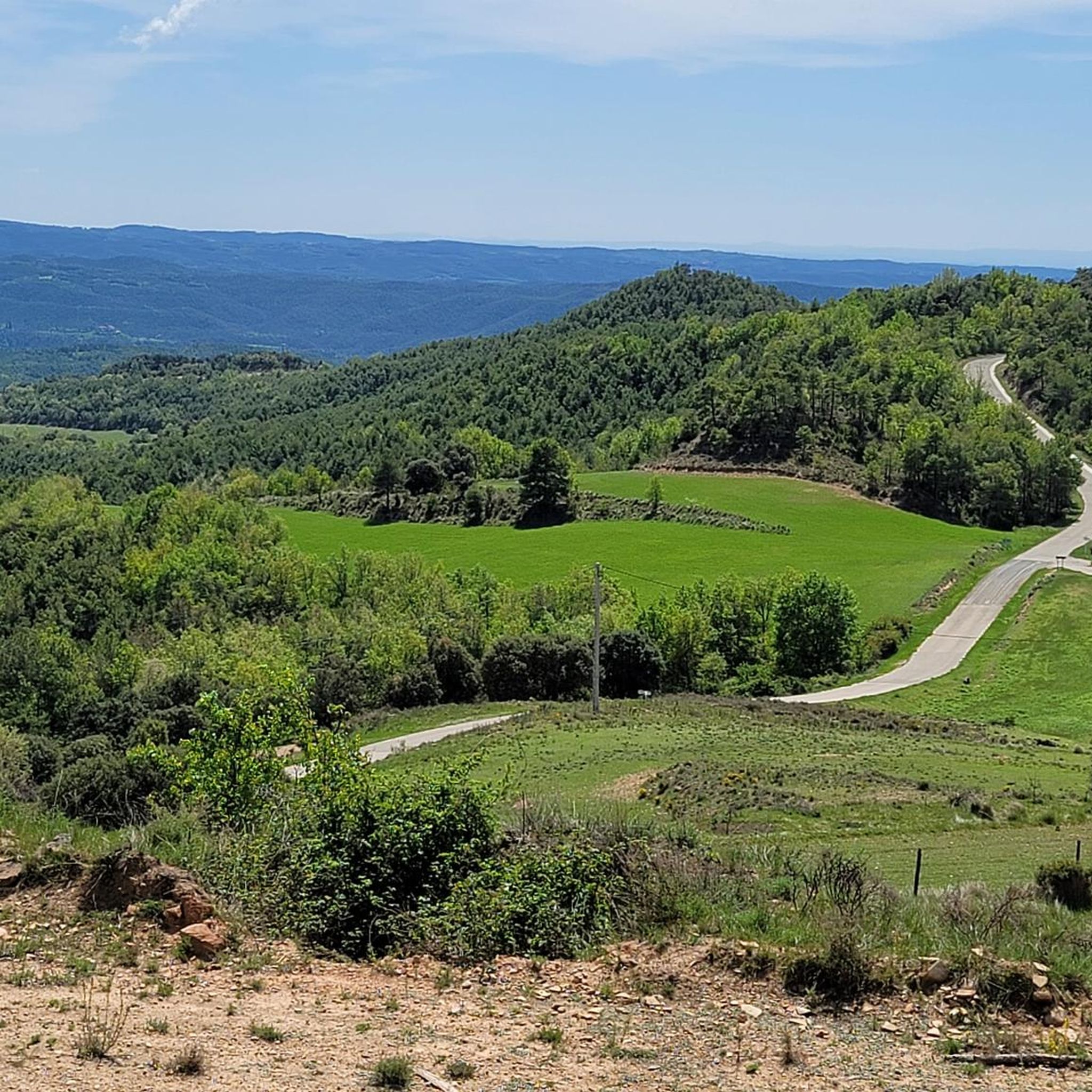
Best attractions and places to see around Lladurs, a municipality in the Solsonès region of Catalonia, Spain, offers a blend of historical landmarks, natural landscapes, and cultural heritage. Its rugged terrain, characterized by forests, mountains, and rivers, makes it a destination for nature enthusiasts and history buffs. The area features a rich religious architectural heritage and prehistoric archaeological sites.
Best attractions and places to see around Lladurs
- The most popular attraction is Castellvell de Olius, a castle located at…
Last updated: June 23, 2026
Sanctuary of Lord
Highlight • Religious Site
Translated by Google •
Tip by

The Capolatell (Busa Prison)
Highlight • Natural Monument
Translated by Google •
Tip by
Sign up now to discover places like this
Get recommendations on the best single tracks, peaks, & plenty of other exciting outdoor places.
Sign up for free
Castellvell de Olius
Highlight • Castle
Translated by Google •
Tip by
Sant Llorenç de Morunys
Highlight • Settlement
Translated by Google •
Tip by

Afrau Bridge
Highlight • Bridge
Translated by Google •
Tip by
Sign up for free to discover even more attractions around Lladurs.
Sign up for free
Already have an account?
Start today with a free account
Your next adventure awaits.
Login or Signup

Tips from the Community

An impressive 18th-century aqueduct that rises above a deep ravine between forests and rocks. Built with stone ashlars, it is a work of engineering that still surprises with its elegance and balance. The passage underneath conveys a feeling of grandeur and calm at the same time. By mountain bike, you can reach it by an easy track from Olius, with a narrower and stonier final section. Tip: cross it with caution and stop in the middle — the views of the ravine are spectacular, especially in the low afternoon light.
0
0
Remains of an old medieval castle located on a hill with magnificent views over the Cardener valley and the Sant Ponç reservoir. The stones preserve the shape of the walls and evoke the strength of a feudal past. The surroundings are peaceful and full of charm, ideal for a short stop. By mountain bike, you can get there by a track with a gentle slope but with some eroded sections; on the way down, the loose soil can be a problem. Tip: lower the tire pressure and take advantage of the viewpoint to take a photo - the panoramic views are great.
0
0
Sant Llorenç de Morunys is a town in the Solsonès region located at 925 metres above sea level, surrounded by the Port del Comte, Busa and Verd mountain ranges. It has a well-preserved medieval centre, with walls, cobbled streets and the 11th-century Romanesque church of Sant Llorenç, as the centre of the complex. It is a key point of passage and stop for mountain routes, cycle tours and crossings through the Pre-Pyrenees. The entrance and exit of the town can be done via roads with demanding slopes or forest tracks depending on the itinerary, but it is always worth stopping there to recover energy, fill up water bottles or take a quality break. A good place to charge batteries, both physical and e-bike.
1
0


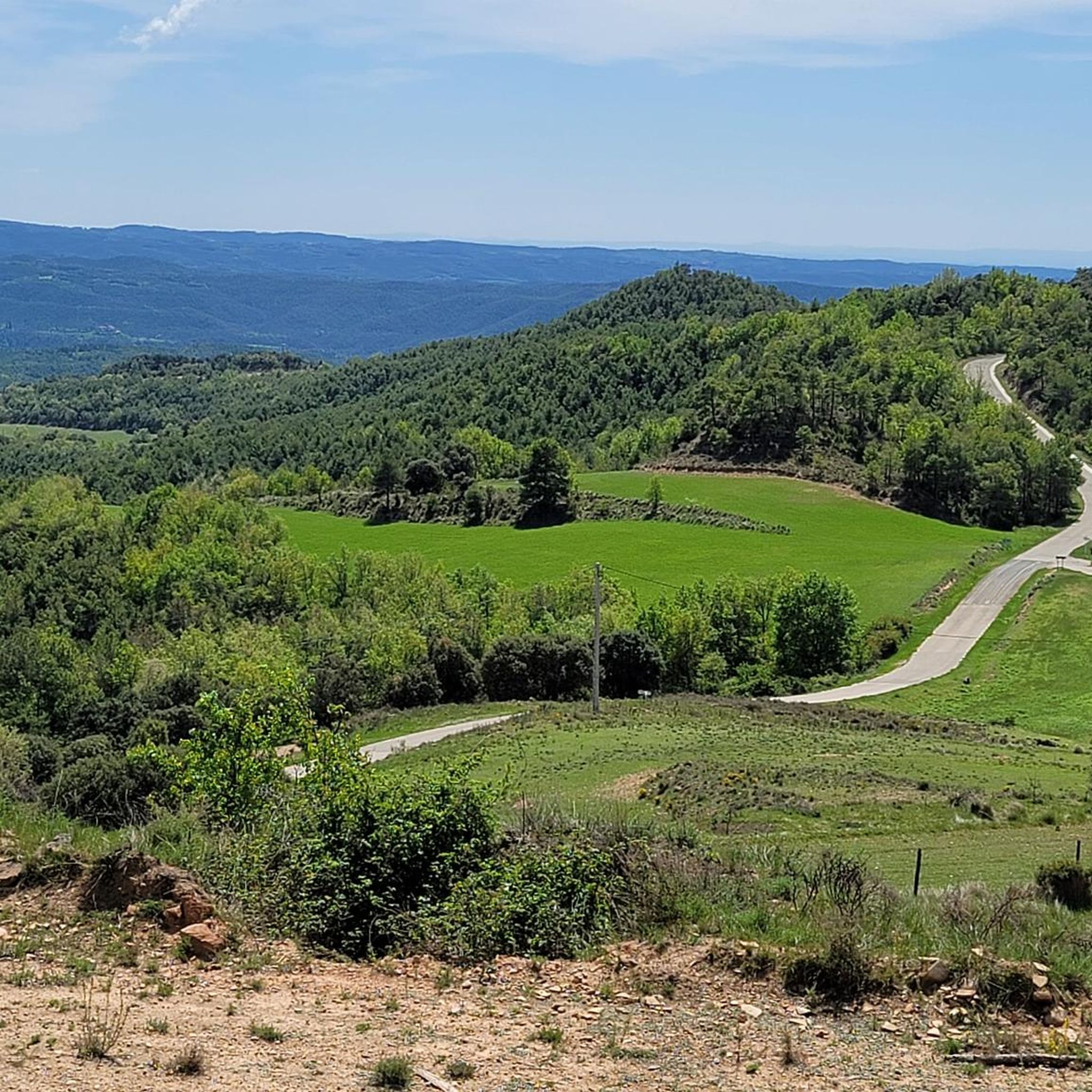
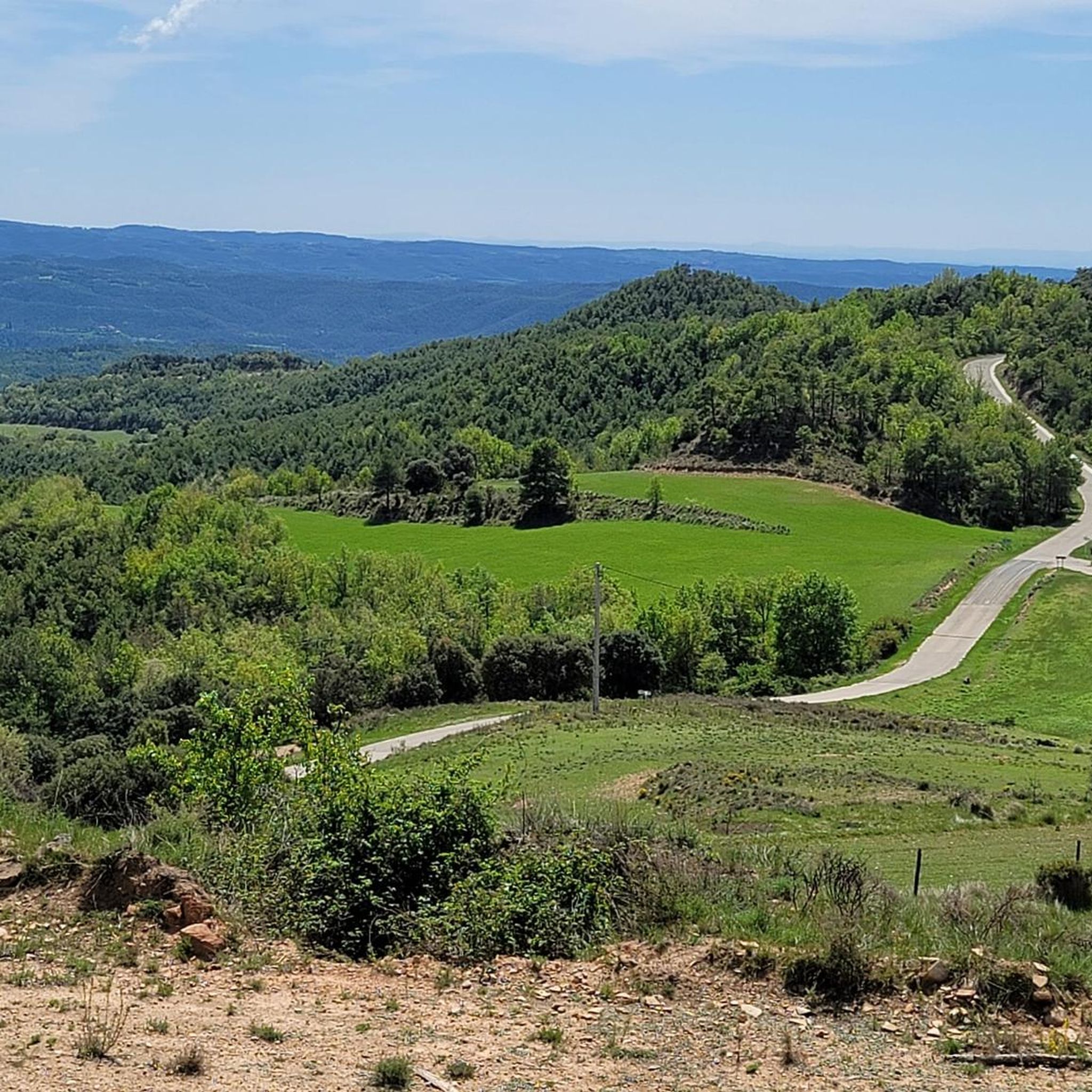
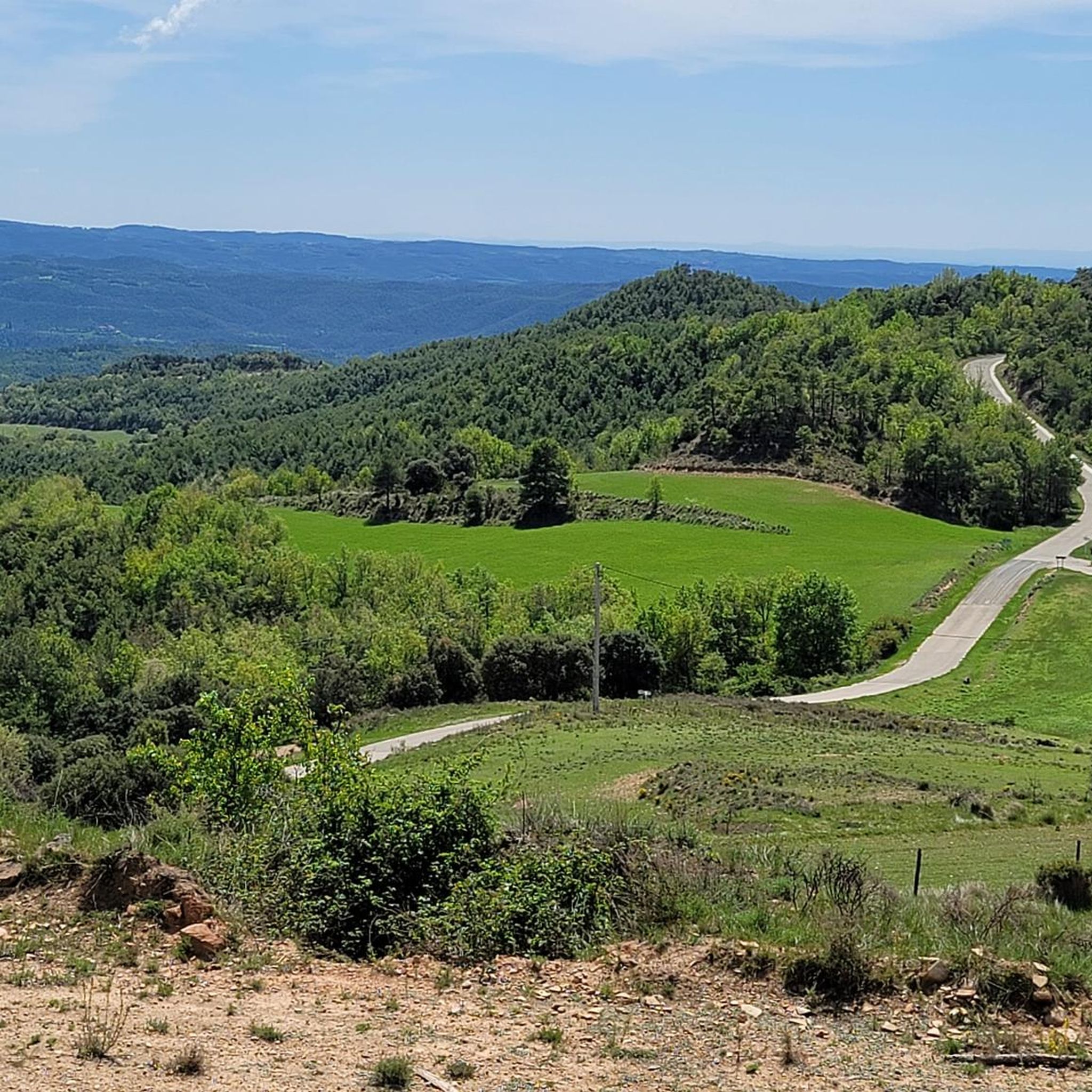
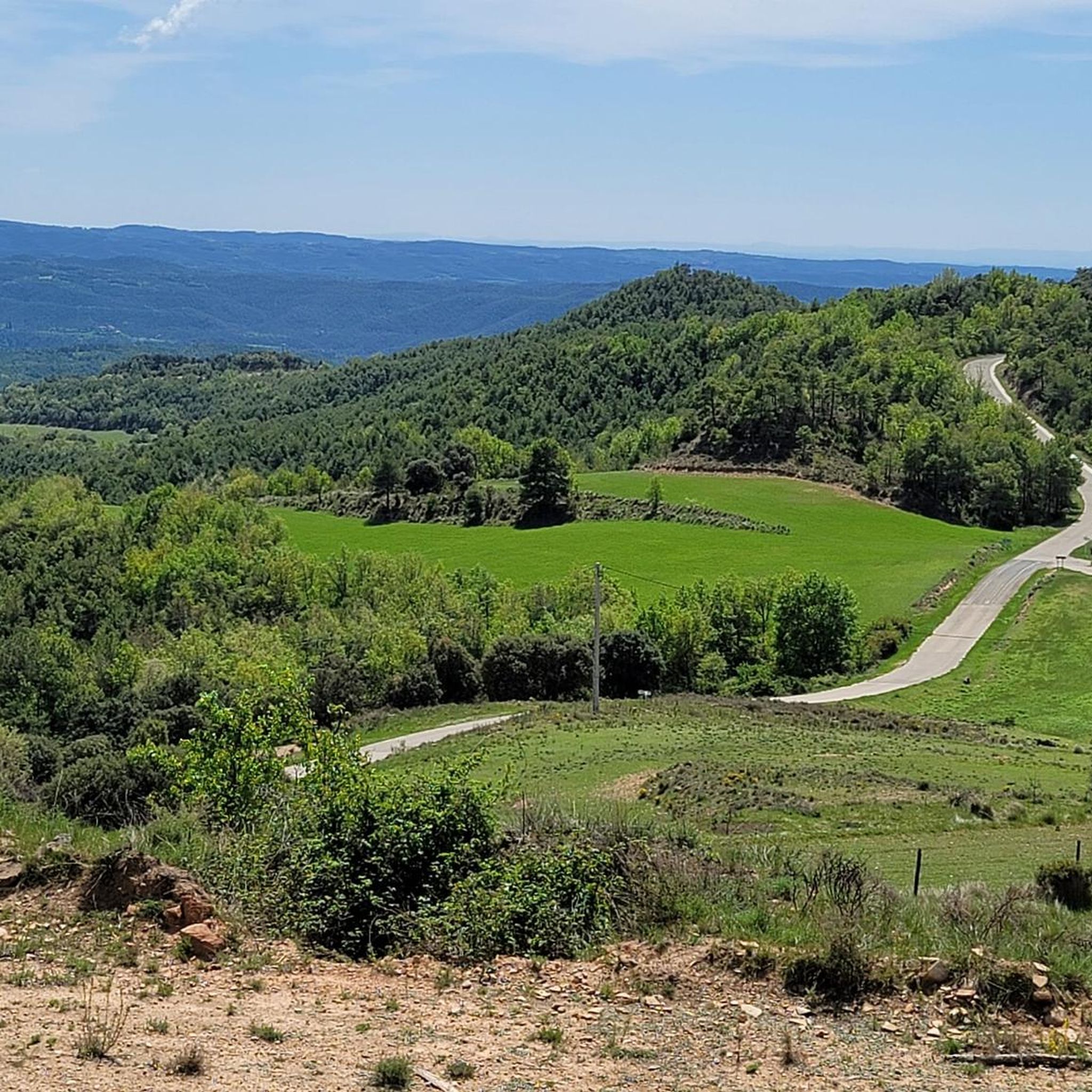
Beautiful view of the Solsona Valley and the Pyrenees
1
0
Amazing aqueduct bridge that I won't cross by bike!
1
0

Sant Llorenç de Morunys is a curious mountain town in the Solsonés region. If you are on the road here, do not hesitate to make a stop and recharge your batteries at any of its establishments.
1
0

Documented since the end of the 10th century as an ancient hermitage center, in the 11th century it became dependent on the monastery of Sant Llorenç de Morunys. A church was built there in the fifteenth century, and between 1582 and 1634 a community of Dominican friars was established there. The increase in his patrimonial assets led to the construction of a new temple between 1774 and 1785, which came to serve, in 1812, as a depot for French prisoners and was devastated in 1836 during the Carline War; a cannon from that time is preserved there, located at the entrance to the sanctuary. The current building was built on the initiative of the industrialist Esteve Monegal between 1867 and 1870, and was inaugurated on August 19 of this year. In 1896 a great fire, perhaps caused by lightning, completely destroyed the high altar and the paintings representing the legend. The image of the Virgin Mary was rescued and the temple was repaired. In 1901, a new high altar was inaugurated, this time financed by José Monegal. In 1929, the two Masriera canvases were installed there, replacing the previous two, burned in the 1896 fire. After the family that lived in the Sanctuary left at the end of the sixties of the 20th century, in 1971 Father Jordana, coming from the Monastery of Poblet, who had been Prior-President of Poblet and of the Spanish Cistercian Order, arrived in La Mola to reside there and lead a retired life. In 1975, a new reconstruction of the Sanctuary began and in the following years, electric light and running water were added. In 2008, the Hostatgeria del Santuari was inaugurated there, a "eucharistic, biblical place, a place to transmit the peace of God
1
0
Frequently Asked Questions
What historical landmarks can I explore in Lladurs?
Lladurs is rich in history. You can visit the ruins of Lladurs Castle, a significant medieval fortress dating back to at least the year 1000, offering panoramic views. Another notable site is the Afrau Bridge, an impressive 14th-century aqueduct built to transport water to Solsona. Additionally, the nearby Castellvell de Olius features remains of a medieval castle and an Iberian town.
Are there any unique natural formations or viewpoints in the Lladurs area?
Yes, Lladurs boasts several unique natural features. The most prominent is The Capolatell (Busa Prison), a natural monument that is a plateau surrounded by cliffs, historically used as a prison. It offers breathtaking views. The region is also surrounded by the majestic mountain ranges of Port del Comte, Busa, and Verd, providing numerous scenic viewpoints.
What outdoor activities are popular around Lladurs?
The rugged terrain of Lladurs, with its forests, mountains, and rivers, is ideal for outdoor activities. Hiking is very popular, with trails leading to historical sites and natural wonders. Cycling is also a great way to explore the area. You can find various routes for different skill levels. For more detailed information on routes, check out the hiking guide and cycling guide for Lladurs.
Where can I find family-friendly attractions or activities in Lladurs?
For families, the area around Lladurs offers several engaging options. The Sanctuary of Lord is considered family-friendly and provides magnificent views. The nearby town of Sant Llorenç de Morunys, with its well-preserved medieval center, cobbled streets, and Romanesque church, is also a great spot for families to explore. The Ribera Salada river near Pont del Clop offers calm waters suitable for swimming in summer.
Are there any Romanesque churches or other cultural sites to visit?
Lladurs has a rich religious architectural heritage. Notable Romanesque churches include Santa Eulàlia de Timoneda and Sant Sadurní de Llena, both dating back to the 12th century. The Church of Sant Martí, located next to Lladurs Castle, is also part of the historical complex. The Sanctuary of Lord, near Sant Llorenç de Morunys, is another significant religious site.
What is the Ribera Salada river known for in Lladurs?
The Ribera Salada river flows through Lladurs and is known for shaping the local topography. Near the Pont del Clop (Clop Bridge), there's an area with transparent and calm waters, making it a popular spot for swimming, especially during the summer months. The river and its surroundings are also highly recommended for hiking.
What is the best time of year to visit Lladurs for outdoor activities?
Lladurs is characterized by its rugged terrain, making it enjoyable for outdoor activities across various seasons. Spring and autumn generally offer pleasant temperatures for hiking and cycling. Summer is ideal for swimming in the Ribera Salada river. The surrounding mountain ranges also provide a beautiful backdrop year-round.
Can I find prehistoric archaeological sites in Lladurs?
Yes, Lladurs is home to several prehistoric archaeological sites. These include numerous tombs and one of the few habitat sites in the Solsonès region, the Cova de les Portes (Cave of the Doors). These sites provide valuable insights into the ancient history and potential transhumance routes of the area.
What is the nearby town of Sant Llorenç de Morunys like?
Sant Llorenç de Morunys is a charming town in the Solsonès region, known for its well-preserved medieval center. It features ancient walls, cobbled streets, and the 11th-century Romanesque church of Sant Llorenç. It serves as a key stop for mountain routes, cycling tours, and crossings through the Pre-Pyrenees, offering places to rest and recharge.
Are there hiking trails suitable for beginners around Lladurs?
While some trails in the Lladurs area can be challenging, there are options for various skill levels. For specific beginner-friendly routes, it's best to consult the Hiking around Lladurs guide, which often includes details on difficulty and elevation gain for different paths.
What kind of rural charm does Lladurs offer?
Lladurs is characterized by its dispersed farmhouses (masías) set within an extensive territory of forests, pastures, fields, and rivers. This rural setting, often called the 'land of a thousand farmhouses,' provides tranquil surroundings and infinite landscapes. It's perfect for those seeking to connect with nature and experience local culture, with spots like the Fountain of Lladurs offering popular picnic areas.
Is parking available at major attractions like Lladurs Castle or Afrau Bridge?
Parking availability can vary. For sites like Lladurs Castle, access might involve walking from a nearby parking area. The Afrau Bridge is primarily accessible on foot or by bicycle, suggesting parking would be at a distance. It's advisable to check local signage or specific route information for parking details when planning your visit to individual attractions.
Most popular routes around Lladurs
Most popular attractions around Lladurs

Get inspired with the komoot mobile app


Explore more
Still not found the Highlight you’re looking for? See guides of the top attractions in other regions:
