The best cycling routes around Fuentemolinos
14
riders
5
rides
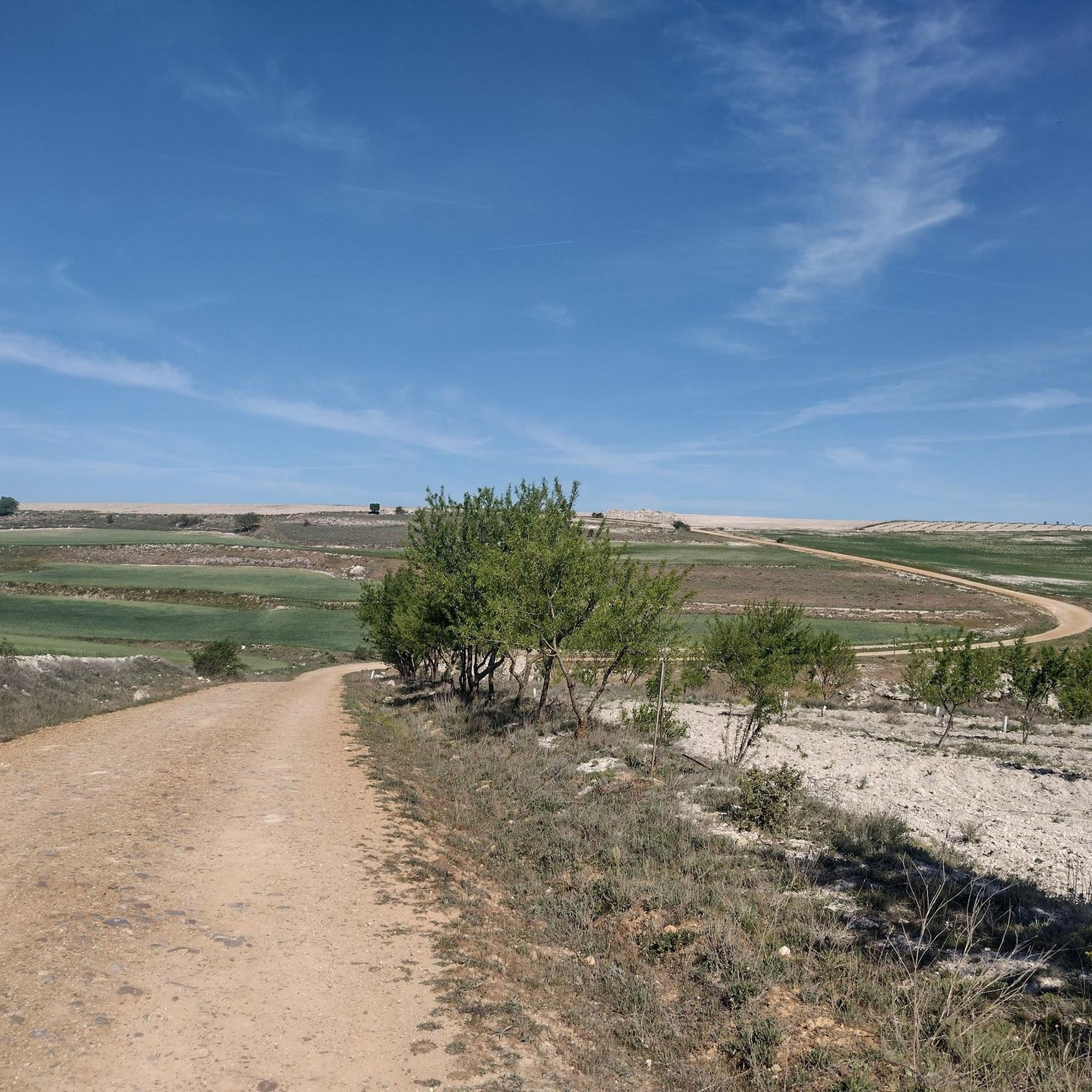
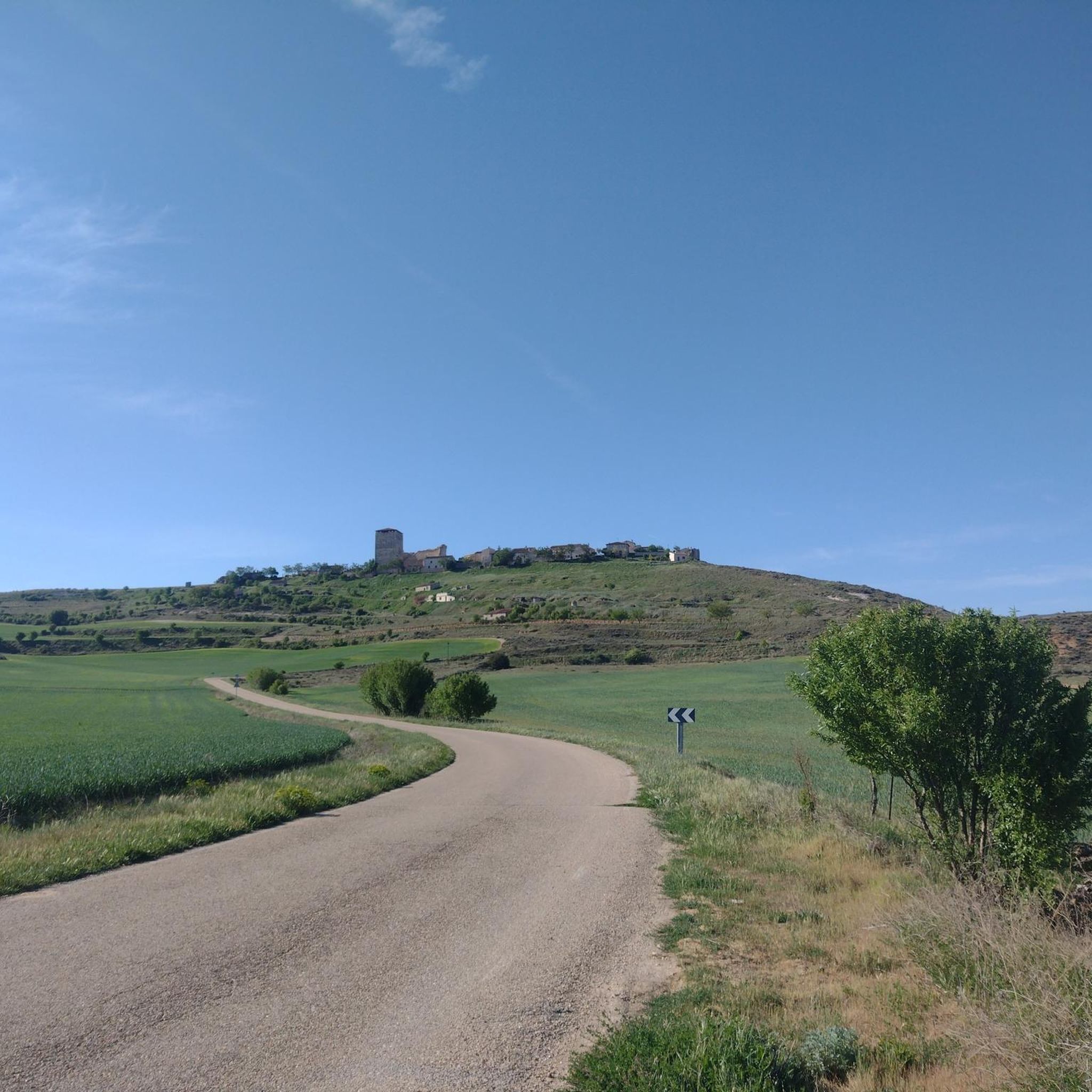
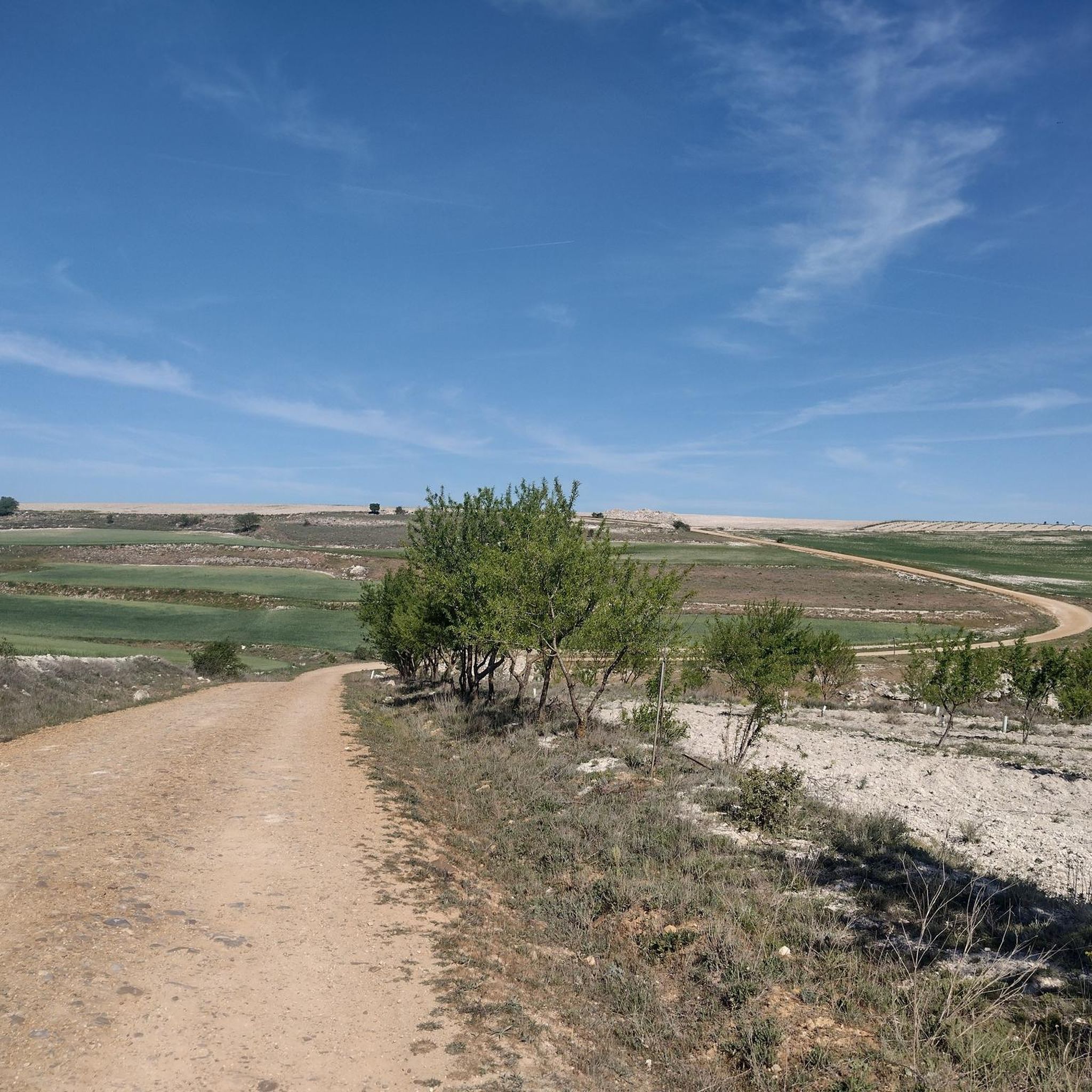
Touring cycling routes around Fuentemolinos are set within the varied landscapes of the Burgos province, part of the larger Castilla y León region in Spain. The area is characterized by rolling hills and rural settings, offering a mix of picturesque paths, roads, and trails. Cyclists can expect to traverse diverse terrain, from open countryside to areas influenced by the nearby Sierra de la Demanda and Montes de Oca mountain ranges. The region provides an extensive network of routes suitable for…
Last updated: June 28, 2026
5
riders
94.7km
06:57
470m
470m
Hard bike ride. Very good fitness required. Mostly paved surfaces. Suitable for all skill levels.
3
riders
42.4km
02:34
340m
340m
Moderate bike ride. Good fitness required. Mostly paved surfaces. Suitable for all skill levels.

Sign up for free
1
riders
31.3km
02:15
290m
290m
Moderate bike ride. Good fitness required. Mostly paved surfaces. Suitable for all skill levels.
3
riders
52.1km
04:36
460m
460m
Hard bike ride. Very good fitness required. Mostly paved surfaces. Suitable for all skill levels.
2
riders
41.6km
02:54
350m
350m
Hard bike ride. Good fitness required. You may need to push your bike for some segments of this route.
Our route recommendations are based on thousands of hikes, rides, and runs completed by other people on komoot.
Start today with a free account
Your next adventure awaits.
Login or Signup

Tips from the Community

The bridge is built of stone and is characterized by its semicircular arches; it originally had four, although today it retains three due to later renovations. Over the centuries it has undergone numerous restorations, especially due to the floods of the Duero, one of the most important being the expansion and widening in the 19th century. In addition to its architectural value, it has been a strategic point for the passage of people, goods and herds, and today it is a symbol of the city and a very pleasant place to walk and enjoy the views of the river and Aranda de Duero. [iglesiaslocales.com], [edadesdelh...ogspot.com]
2
0
The Aranda de Duero Bridge, also known as Puente Mayor, is one of the city's most important historical elements, as it crosses the Duero River and has been key to its development. Although often called "Roman", it is actually a bridge of medieval origin, with references from the 12th-14th centuries, when it served as a fundamental crossing point on trade routes and the old Royal Road that connected the center and north of Spain.
2
0
Castrillo de la Vega, in the heart of Ribera del Duero and very close to Aranda de Duero, is a charming small town ideal for a tranquil getaway, highlighting its wine tradition and medieval past; the most interesting aspects are strolling through its old town and Plaza Mayor, visiting the church of Santiago Apóstol and the hermitage of the Virgen de la Vega, and exploring the winery and cellar district, with numerous underground caves where wine was produced, one of the municipality's great attractions. It is also worth seeing historical remains such as the old Roque bridge and the Torre del Monte, and enjoying the natural environment along the Duero river and vineyards, with options for routes and tastings at nearby wineries, thus combining history, nature, and typical local gastronomy.
2
0

The Aranda de Duero Bridge, also known as the Puente Mayor, is a medieval stone bridge over the Duero River. It is a symbol of the city and its heritage, connecting the old town with the modern areas. Although it has been renovated over time, it retains its historic essence.
4
1
The Church of Santa María la Real is a prominent Gothic monument in Aranda de Duero, Spain. Its most notable feature is its main façade, a masterpiece of the 15th-century Isabelline Gothic style, richly decorated with detailed sculptures. It is a cultural and architectural landmark in the city.
4
0


The most used bridge to connect both areas of the river.
1
1
The Plaza del Coso in Peñafiel is a fascinating place with a rich history. This medieval square, declared a Site of Cultural Interest in 1999, is known for its rectangular shape and its 48 two- and three-storey buildings built from adobe, stone and wood. The wooden balconies decorated with motifs such as leaves, flowers and fruits are a distinctive feature.
2
0
Frequently Asked Questions
How many touring cycling routes are available around Fuentemolinos?
There are currently 5 touring cycling routes listed on komoot for the Fuentemolinos area. These routes offer a variety of experiences through the region's diverse landscapes.
Are there any easy touring cycling routes suitable for beginners or families?
While Fuentemolinos offers routes of moderate to difficult grades, the area's rolling hills and rural settings provide a good foundation for developing cycling skills. For a moderate ride, consider the Moradillo de Roa – Moradillo de Roa loop from Castrillo de la Vega, which offers a balanced ride through rural landscapes.
What kind of landscapes will I encounter on touring cycling routes around Fuentemolinos?
The touring cycling routes around Fuentemolinos traverse the varied landscapes of the Burgos province. You can expect rolling hills, extensive rural settings, and picturesque paths that wind through agricultural areas and small villages. The region is also influenced by the nearby Sierra de la Demanda and Montes de Oca mountain ranges, offering diverse terrain.
Are there any challenging touring cycling routes for experienced riders?
Yes, for experienced touring cyclists seeking a challenge, routes like the Fuentespina – Fuentespina loop from Castrillo de la Vega offer significant elevation gain over 47.3 km. Another difficult option is the Fuentespina – Eroded Cliff with Vegetation loop from Aranda de Duero, which covers over 54 km with substantial climbing.
Can I find circular touring cycling routes near Fuentemolinos?
Yes, many of the touring cycling routes in the Fuentemolinos area are designed as loops. Examples include the Castrillo de la Vega – Campillo de Aranda loop from Castrillo de la Vega, which takes you through agricultural areas, and the Castillo de Haza loop from Fuentenebro.
What attractions or landmarks can I see along the touring cycling routes?
While cycling, you can explore several historical and cultural landmarks. The Castillo de Haza loop from Fuentenebro, for instance, passes near the historic Haza and its castle and the Haza Walled Village. You might also encounter the Fuentecén Church or the settlement of Moradillo de Roa, depending on your chosen route.
Is Fuentemolinos a good base for exploring larger cycling networks like the Camino de Santiago or EuroVelo 3?
Yes, Fuentemolinos's location within the Burgos province makes it an excellent base. Nearby Belorado, approximately 7 kilometers from Puras de Villafranca, serves as a starting point for sections of prominent cycling routes, including stages of the EuroVelo 3 (Pilgrims Route) and portions of the historic Camino de Santiago. These routes offer extensive journeys through the region's beauty and cultural heritage.
What is the best time of year for touring cycling in Fuentemolinos?
The region generally experiences pleasant weather for cycling during spring and autumn, when temperatures are milder. Summer can be warm, but early mornings or late afternoons are often suitable. Winter cycling is possible, but be prepared for cooler temperatures and potentially wet conditions.
Are there any dog-friendly touring cycling routes in the area?
While specific routes are not designated as 'dog-friendly' for cycling, the rural roads and paths around Fuentemolinos often allow for cycling with dogs, provided they are well-behaved and on a leash where necessary. Always ensure your dog is comfortable with the distance and terrain, and carry enough water for both of you.
What are the options for parking when cycling around Fuentemolinos?
As Fuentemolinos is a small locality, parking is generally available in the village itself or in nearby towns like Puras de Villafranca or Belorado. Look for designated parking areas or suitable roadside spots, always respecting local regulations and private property.
How can I reach the touring cycling routes around Fuentemolinos using public transport?
Public transport options directly to Fuentemolinos might be limited. It's often more practical to reach larger nearby towns like Belorado or Aranda de Duero by bus, and then cycle from there. Check regional bus schedules for connections to these towns, as they are better served by public transport networks.
Are there any places to eat or drink near the touring cycling routes?
The routes often pass through or near small villages where you may find local cafes or restaurants. Towns like Puras de Villafranca, Belorado, or Aranda de Duero (depending on your chosen route's proximity) will offer more options for refreshments and meals. It's always a good idea to carry some snacks and water, especially on longer rides.
Most popular routes around Fuentemolinos
Most popular attractions around Fuentemolinos

Get inspired with the komoot mobile app


Explore more
Browse the best Cycling routes in other regions.
