The best cycling routes around Fuentelcésped
4.6
(39)
324
riders
93
rides
Touring cycling around Fuentelcésped features undulating terrain characterized by expansive vineyards, cereal fields, and forests of juniper and oak. This region in the Ribera del Duero offers diverse landscapes, from gentle rolls to more demanding inclines. Cyclists can explore river valleys and the scenic surroundings of the Linares Reservoir, providing varied backdrops for routes.
Best touring cycling routes around Fuentelcésped
- The most popular touring cycling route is Fuentespina – Aranda Bridge loop from Fresnillo de las Dueñas, a 17.6…
Last updated: July 4, 2026
9
riders
28.3km
02:24
240m
240m
Moderate bike ride. Good fitness required. Mostly paved surfaces. Suitable for all skill levels.
5.0
(1)
9
riders
22.8km
02:11
270m
270m
Hard bike ride. Good fitness required. You may need to push your bike for some segments of this route.

Sign up for free
5.0
(2)
8
riders
23.6km
02:00
180m
180m
Hard bike ride. Good fitness required. You may need to push your bike for some segments of this route.
3
riders
63.3km
03:51
390m
390m
Moderate bike ride. Good fitness required. Mostly paved surfaces. Suitable for all skill levels.
6
riders
35.9km
02:11
310m
310m
Moderate bike ride. Good fitness required. Mostly paved surfaces. Suitable for all skill levels.
Get access to more routes and recommendations from other explorers.
Sign up for free
Already have an account?
Our route recommendations are based on thousands of hikes, rides, and runs completed by other people on komoot.
Start today with a free account
Your next adventure awaits.
Login or Signup



Tips from the Community

The bridge is built of stone and is characterized by its semicircular arches; it originally had four, although today it retains three due to later renovations. Over the centuries it has undergone numerous restorations, especially due to the floods of the Duero, one of the most important being the expansion and widening in the 19th century. In addition to its architectural value, it has been a strategic point for the passage of people, goods and herds, and today it is a symbol of the city and a very pleasant place to walk and enjoy the views of the river and Aranda de Duero. [iglesiaslocales.com], [edadesdelh...ogspot.com]
2
0
The Aranda de Duero Bridge, also known as Puente Mayor, is one of the city's most important historical elements, as it crosses the Duero River and has been key to its development. Although often called "Roman", it is actually a bridge of medieval origin, with references from the 12th-14th centuries, when it served as a fundamental crossing point on trade routes and the old Royal Road that connected the center and north of Spain.
2
0
Fuentespina, a small town in the province of Burgos in the Ribera del Duero, is a tranquil destination ideal for enjoying the rural environment and wine culture; the most interesting thing is to stroll through its traditional old town, visit the church of San Miguel, and above all explore its underground cellars and vineyards, as it is part of one of the most important wine regions in Spain. Additionally, from there you can take routes along the Duero River or visit Aranda de Duero, famous for its gastronomy (especially roast suckling lamb), making the visit a very complete experience combining nature, history, and wine tourism.
2
0

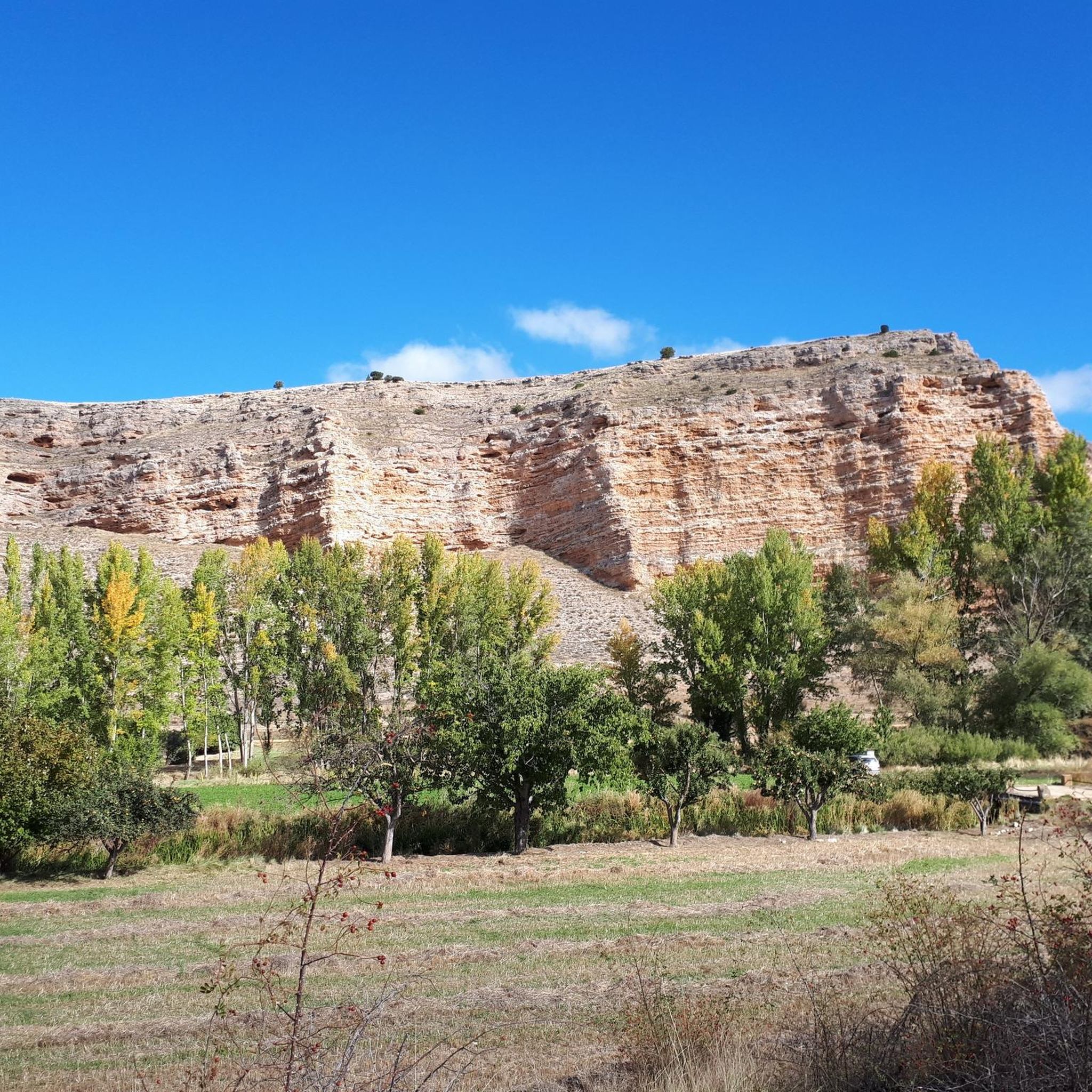
Spectacular area for hiking routes
0
0

Peñaranda de Duero is a municipality in Burgos, in the Ribera del Duero region, known for its rich historical heritage. Its old town, declared a Historic Site, is notable for the Peñaranda de Duero Castle, the Palace of the Counts of Miranda, its arcaded Plaza Mayor, and its provincial roll. In addition to its architecture, the town is part of the Ribera del Duero Designation of Origin and has a strong winemaking tradition.
4
0
Peñaranda de Duero is a municipality in Burgos, in the Ribera del Duero region, known for its rich historical heritage. Its old town, declared a Historic Site, is notable for the Peñaranda de Duero Castle, the Palace of the Counts of Miranda, its arcaded Plaza Mayor, and its provincial roll. In addition to its architecture, the town is part of the Ribera del Duero Designation of Origin and has a strong winemaking tradition.
3
0
The Plaza Mayor of Peñaranda de Duero is a medieval square located in the province of Burgos. It represents the heart of a town declared a Historic-Artistic Site. It is a clear example of traditional Castilian architecture, surrounded by arcades and buildings such as the Palace of the Counts of Miranda and a 16th-century jurisdictional roll that stands in its center. This square is not only a point of great architectural and historical interest, but has also been, over the centuries, the main center of the town's social and cultural life.
4
0
The Church of Saint Andrew the Apostle in Zazuar is a large church built between the 16th and 19th centuries. Its interior combines Gothic and Renaissance styles and is notable for its altars with 15th-century Castilian panels, a Gothic monstrance, and a processional cross. The masonry and stone tower was completed in 1802.
4
0
Frequently Asked Questions
How many touring cycling routes are available around Fuentelcésped?
There are over 125 touring cycling routes available around Fuentelcésped, offering a wide variety of options for different skill levels and preferences.
What is the general difficulty level of touring cycling routes in Fuentelcésped?
The routes around Fuentelcésped cater to various abilities. You'll find approximately 20 easy routes, 47 moderate routes, and 58 difficult routes, ensuring options for beginners to experienced touring cyclists.
What kind of landscapes can I expect to see while touring cycling near Fuentelcésped?
Touring cycling around Fuentelcésped features picturesque, undulating terrain typical of the Ribera del Duero. You'll cycle through expansive vineyards, cereal fields, and forests of juniper and oak. The region also offers scenic river valleys and views around the Linares Reservoir.
What do other cyclists say about touring cycling in Fuentelcésped?
The touring cycling routes in Fuentelcésped are highly rated by the komoot community, with an average score of 4.6 stars from over 40 reviews. More than 500 touring cyclists have used komoot to explore the varied terrain, often praising the scenic agricultural landscapes and diverse routes.
Are there any circular touring cycling routes around Fuentelcésped?
Yes, many routes around Fuentelcésped are designed as loops. For example, you could try the Fuentespina – Aranda Bridge loop from Fresnillo de las Dueñas, a moderate 28.3 km ride, or the more challenging Fuentespina – Fuentespina loop from Fuentespina, which covers 22.8 km.
What natural attractions can I explore by bike near Fuentelcésped?
Near Fuentelcésped, you can explore the dramatic Cliffs of the Hoces del Río Riaza within the Hoces del Río Riaza Nature Reserve, known for its river canyon and griffon vultures. The Linares Reservoir Dam also offers tranquil waterside views. Within Fuentelcésped itself, the Navas de la Dehesa Wetlands are a haven for birdwatching.
Are there family-friendly touring cycling options in the Fuentelcésped area?
While specific family-friendly routes are not detailed, the broader Burgos province features 'Vías Verdes' (Greenways), which are older railway lines converted into safe and scenic routes ideal for cyclists of all ages and skill levels. These often pass through natural reserves and agricultural landscapes, providing a gentle cycling experience.
Can I find routes that are part of larger thematic cycling networks like the Camino del Cid?
Yes, Fuentelcésped's location within the Burgos province means you can access segments of larger thematic routes. The 'Camino del Cid' offers over 2000 km of road cycling tourism routes across Spain, with various segments suitable for different touring cyclists, blending cultural and historical exploration with scenic rides.
What is the best time of year for touring cycling in Fuentelcésped?
The Ribera del Duero region, where Fuentelcésped is located, generally offers pleasant cycling conditions during spring and autumn. These seasons provide milder temperatures, which are ideal for exploring the vineyards and rural landscapes without the intense heat of summer or the colder conditions of winter.
Are there any historical landmarks or cultural sites to visit along the touring cycling routes?
Absolutely. The region is rich in history. You can find routes that are part of the 'Route of the castles' or 'In the footsteps of El Cid'. Within Fuentelcésped itself, you can visit the San Miguel Arcángel Parish Church, the Nuestra Señora de Nava hermitage, and traditional bodegas (wineries).
Where can I find parking for bike trails near Fuentelcésped?
While specific parking areas for individual trails are not detailed, Fuentelcésped and nearby towns like Aranda de Duero are accustomed to visitors. Look for public parking facilities in the villages where routes typically start or pass through. It's advisable to check local signage upon arrival.
Are there any longer touring cycling routes for advanced cyclists?
Yes, for more advanced touring cyclists seeking longer distances, routes like the Fuentelcésped Church – Peñaranda de Duero loop from Milagros offer a substantial challenge, covering over 62 km with significant elevation changes. The region's undulating terrain ensures plenty of demanding inclines.
Most popular routes around Fuentelcésped
Most popular attractions around Fuentelcésped

Get inspired with the komoot mobile app


Explore more
Browse the best Cycling routes in other regions.
