The best road cycling routes around Maqueda
4.2
(22)
537
riders
24
rides
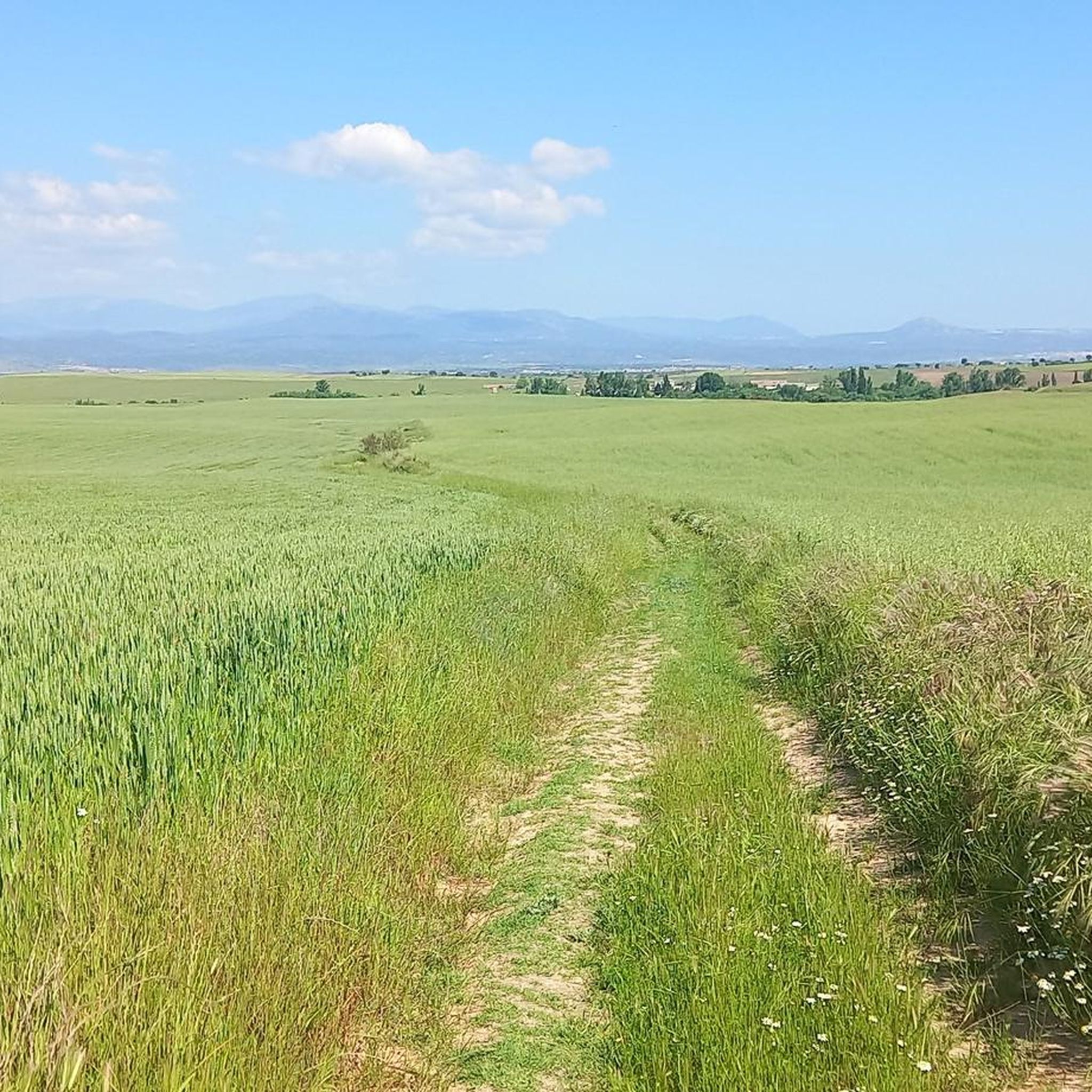
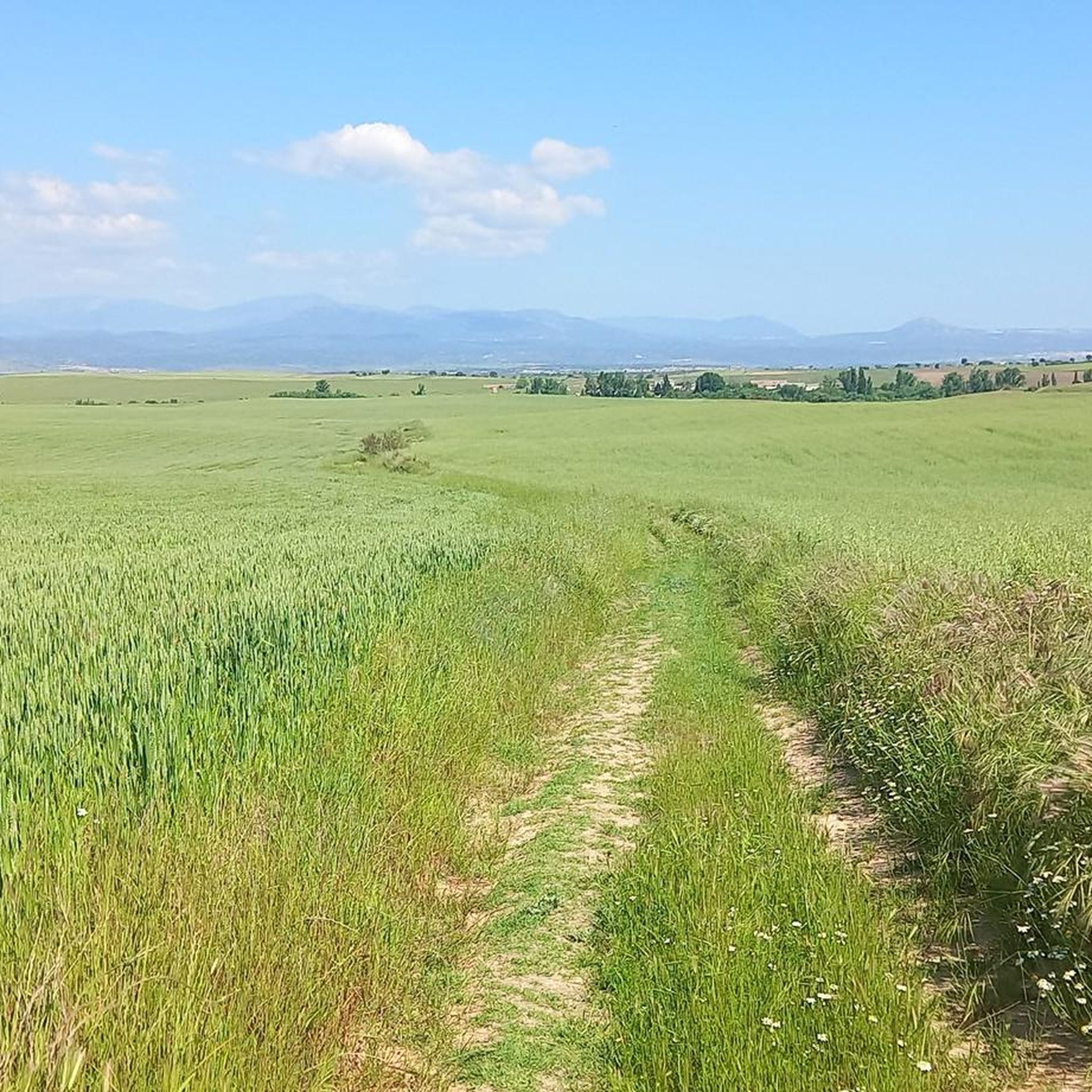
Road cycling around Maqueda offers routes through the plains and countryside of Castilla-La Mancha. The terrain primarily features gentle gradients across agricultural lands, with some routes extending towards the Tagus River basin. While the immediate vicinity of Maqueda is characterized by its historical town and surrounding flatlands, longer routes may encounter varied topography. The region provides opportunities for road cyclists to explore the rural landscape of Toledo province.
Best road cycling routes around Maqueda
- The most popular road cycling route…
Last updated: May 18, 2026
36
riders
58.5km
02:28
410m
410m
Moderate road ride. Good fitness required. Mostly well-paved surfaces and easy to ride.
16
riders
46.8km
02:15
660m
660m
Moderate road ride. Good fitness required. Mostly well-paved surfaces and easy to ride.

Sign up for free
14
riders
35.3km
01:27
180m
180m
This easy 21.9-mile (35.3 km) road cycling route loops through rural Spanish landscapes, connecting Fuensalida, Huecas, and Villamiel.
5.0
(1)
9
riders
102km
04:25
940m
940m
Hard road ride. Very good fitness required. Mostly well-paved surfaces and easy to ride.
5.0
(1)
4
riders
Hard road ride. Very good fitness required. Mostly well-paved surfaces and easy to ride.
Get access to more routes and recommendations from other explorers.
Sign up for free
Already have an account?
Our route recommendations are based on thousands of hikes, rides, and runs completed by other people on komoot.
Start today with a free account
Your next adventure awaits.
Login or Signup

Tips from the Community

The place name Pelahustán seems to derive from the activity related to looms and the sale of linen that the population had in the past. In documents from the 18th century, it appears as Pelafustan. According to the dictionary of the Royal Spanish Academy, the concept of pelafustán is equated with that of pelagatos, which in turn means “insignificant or mediocre person, without social or economic position.” The town also had several water mills worked by Salamancan teleworkers. Pelahustán is located at an altitude of 673 meters above sea level and borders the terms of Higuera de las Dueñas in the province of Ávila, Nombela, Nuño Gómez, Garciotum and El Real de San Vicente in the province of Toledo, and Ceniientos in the Community of Madrid 😊
2
0

Cadalso de los Vidrios acquired fame in the 16th and 17th centuries thanks to the fact that its glass factory supplied the royal pharmacy of the monastery of San Lorenzo de El Escorial. In the municipality there are important historical buildings, such as the Renaissance palace of Villena. This town is located at the top of the hillside, which allows you to contemplate the Alberche valley majestically.
1
0

Beyond the ruins of the castle that gives the town its name, don't leave without visiting the church decorated with Talavera ceramics and the curious "boars", large zoomorphic sculptures made of granite stone from the area.
2
0
Pelahustán is one of those places whose name has several possible origins, and each of the theories tells a part of the history of the town. The most accepted relates the name to the fustan fabric that was produced here, either with linen or with a mixture of silk and cotton. This cloth was coarse and rough and was used by hunters as protection, and the expression "pelar el fustán" existed as a synonym for hunting, but there was also a theory that the town was called Pelafustán with a derogatory character, like where the pelafustanes live ( rascals). On the other hand, a simpler theory is that there was a settler of these lands called Pela Hustán. Nothing to see.
2
0
This fortress of Roman origin was also used by the Arabs and finally taken over by Alfonso VI of Castile. Located at a strategic point next to the Alberche river between Ávila and Toledo, it contains an imposing 22-meter-high keep and a Mudejar palace inside.
0
0
Cozy town whose old town has been declared a Historic Site, so you can get an idea of how beautiful some of its houses are, which coexist next to the imposing church of San Sebastián. Méntrida also has its own Designation of Origin wines, so if you make a slightly longer stop, don't leave without trying them.
2
0
Fuensalida has had several moments of splendor, being in the 16th century when it reached its peak and most of the emblematic buildings of the town were built. In the middle of the 20th century, a footwear industry started that ended up becoming the largest in the province of Toledo, a rank that it still holds today.
2
0
Huecas is a small and quiet place, whose only bar, however, is capable of feeding a whole platoon. Perhaps because it is one of those places that is usually passed by, it is even more worth taking a walk through its streets.
2
0
Frequently Asked Questions
How many road cycling routes are available around Maqueda?
There are over 20 road cycling routes available around Maqueda, catering to various skill levels. You'll find options ranging from easy loops to more challenging rides with significant elevation gain.
What is the typical terrain like for road cycling near Maqueda?
The terrain around Maqueda is primarily characterized by the plains and countryside of Castilla-La Mancha. You can expect gentle gradients across agricultural lands, with some routes extending towards the Tagus River basin. While the immediate vicinity is flatter, longer routes may encounter more varied topography.
Are there road cycling routes suitable for beginners in Maqueda?
Yes, there are several routes suitable for beginner road cyclists. For instance, the Comarca de Torrijos – circular entre Fuensalida, Huecas y Villamiel is an easy 21.9-mile (35.3 km) trail through agricultural plains, perfect for those starting out.
Where can I find more challenging road cycling routes near Maqueda?
For more challenging rides, consider routes with greater elevation. The Sierra de San Vicente – circular from Escalona via Castillo de Bayuela and Pelahustán offers a difficult 55-mile (88.4 km) journey with nearly 1,000 meters of ascent. Another challenging option is Mentrida, Aldea del Fresno y Escalona – circular from Maqueda, a 63.2-mile (101.7 km) route with similar elevation.
Are there any long-distance road cycling routes from Maqueda?
Yes, for longer distances, the Mentrida, Aldea del Fresno y Escalona – circular from Maqueda route covers over 63 miles (101 km), offering an extensive ride through the region.
What historical landmarks can I see along road cycling routes near Maqueda?
While cycling, you can explore several historical landmarks. Maqueda itself is home to the impressive Castillo de la Vela. Other routes might pass near the Escalona Castle Palace or the Barcience Castle, offering glimpses into the region's rich history.
What do other road cyclists enjoy most about road cycling in Maqueda?
The area is highly rated by the komoot community, with an average score of 4.2 stars from over 20 reviews. Cyclists often praise the varied terrain, from agricultural plains to routes with greater elevation, and the opportunity to explore the rural landscape of Toledo province.
What is the best time of year for road cycling in Maqueda?
The best time for road cycling in Maqueda is generally during the spring (April-May) and autumn (September-October) months. Temperatures are milder and more comfortable for longer rides, avoiding the intense heat of summer and the cooler, sometimes wetter, conditions of winter.
Are there any circular road cycling routes in the Maqueda area?
Yes, many of the routes around Maqueda are circular, allowing you to start and end in the same location. Examples include Méntrida and Valmojado - circular from Fuensalida and Cenicientos, Cadalso de los Vidrios y Almorox – circular from Escalona.
Can I find scenic viewpoints along road cycling routes near Maqueda?
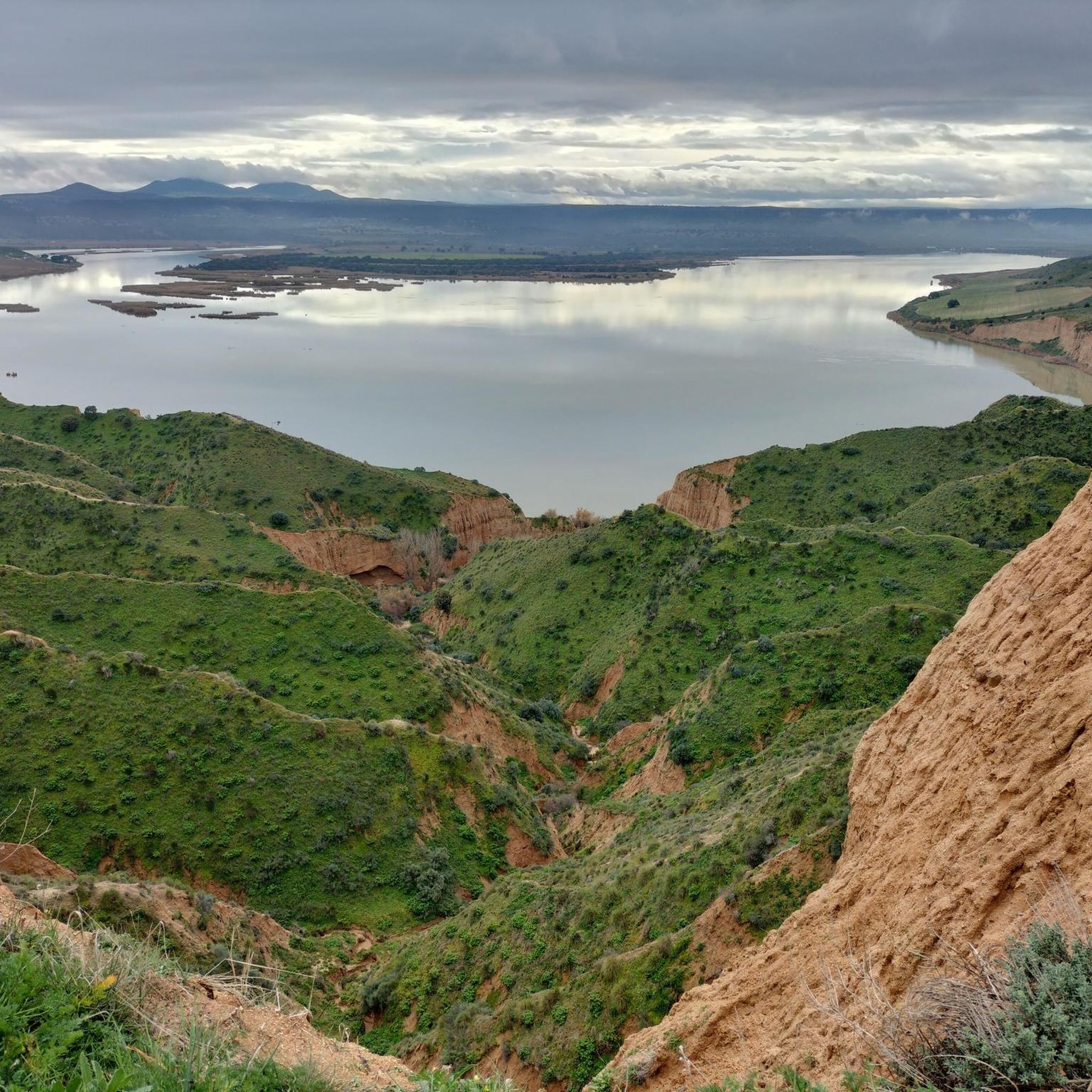
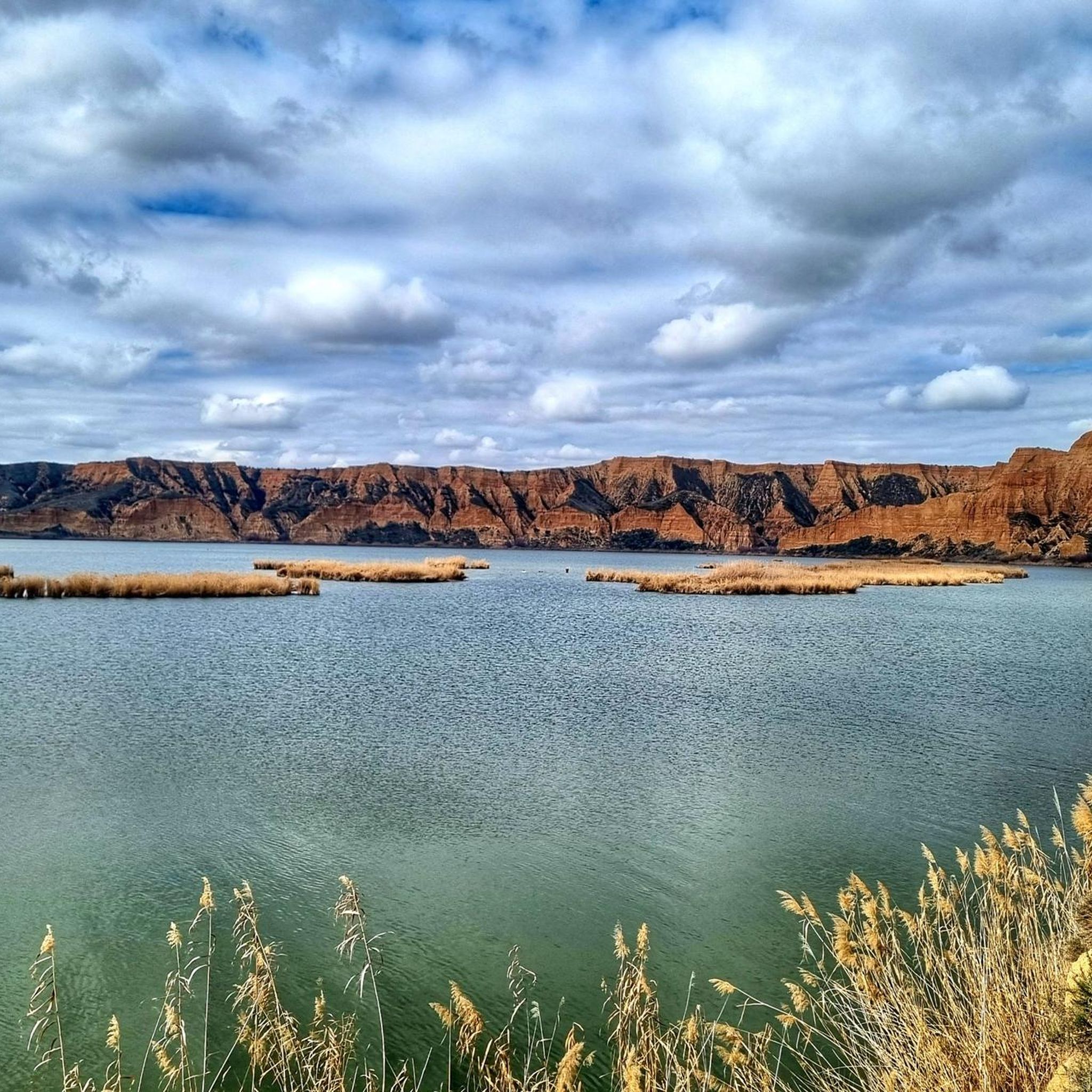
While Maqueda is primarily known for its historical sites and agricultural plains, some routes, particularly those extending towards the Tagus River basin or into areas with more varied topography, may offer scenic views of the countryside. The broader Toledo province is known for natural areas like the Barrancas de Burujón, though these are further afield.
Are there any specific attractions or towns to visit while road cycling near Maqueda?
Beyond Maqueda's own Castillo de la Vela, routes may take you through charming towns. For example, the Méntrida and Valmojado - circular from Fuensalida route navigates through rural areas and towns like Méntrida and Valmojado, offering a chance to experience local life.
Most popular attractions around Maqueda

Get inspired with the komoot mobile app


Explore more
Browse the best Road cycling routes in other regions.
