Attractions and Places To See around Murillo El Fruto - Top 16
Best attractions and places to see around Murillo El Fruto include a blend of historical architecture, cultural heritage, and natural beauty. Situated on the banks of the Aragón River and near the Sierra de Ujué, the town offers access to varied landscapes. Visitors can explore ancient drovers' roads, protected wetlands, and the semi-desert natural park of Bardenas Reales. The area also features historical landmarks and cultural sites.
Best attractions and places to see around Murillo El Fruto
- The most popular…
Last updated: June 29, 2026
Monument to the Bardenas Shepherd
Highlight • Monument
Translated by Google •
Tip by

Ujué
Highlight • Settlement
Translated by Google •
Tip by

Sign up now to discover places like this
Get recommendations on the best single tracks, peaks, & plenty of other exciting outdoor places.
Sign up for free
Church of Santa María
Highlight • Religious Site
Translated by Google •
Tip by

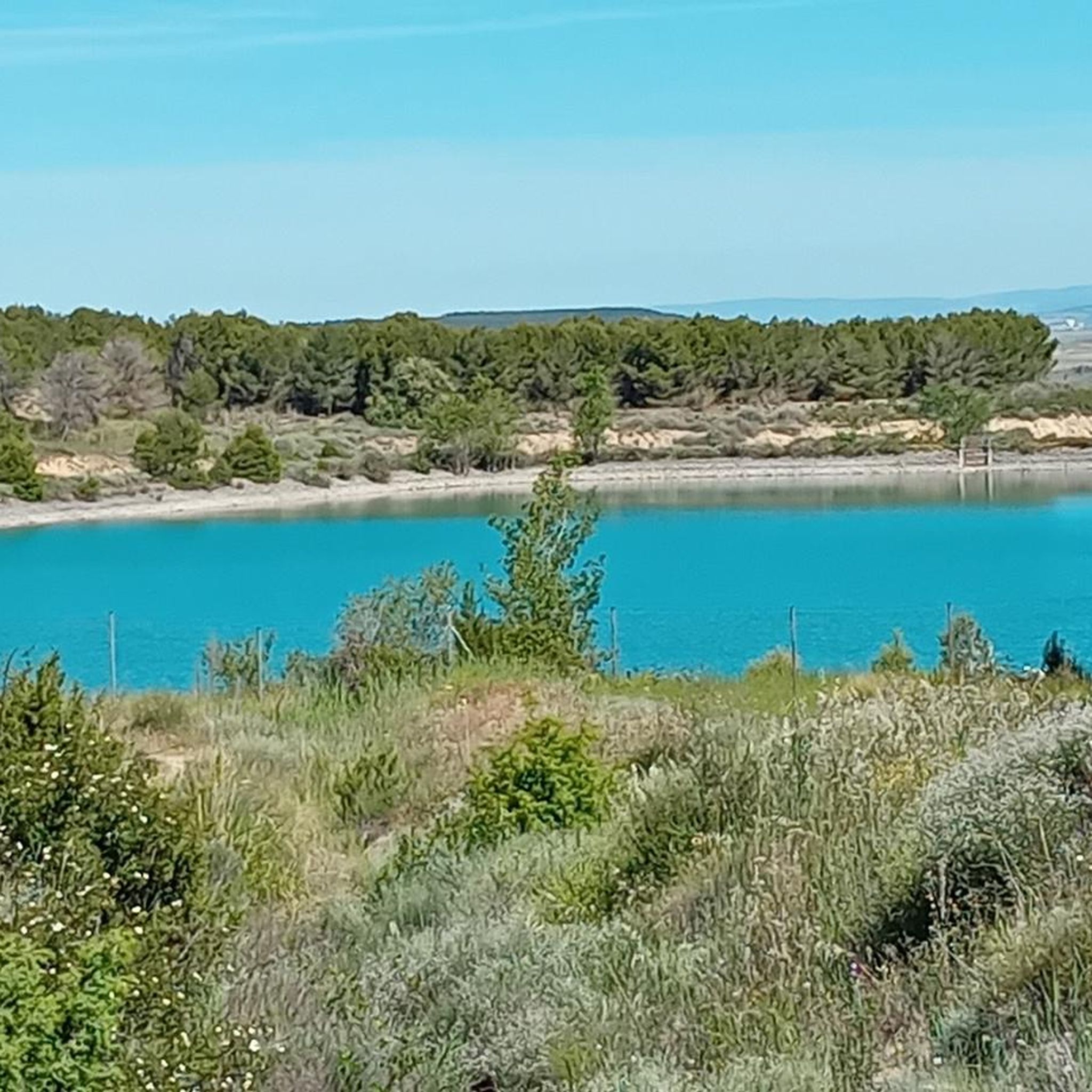
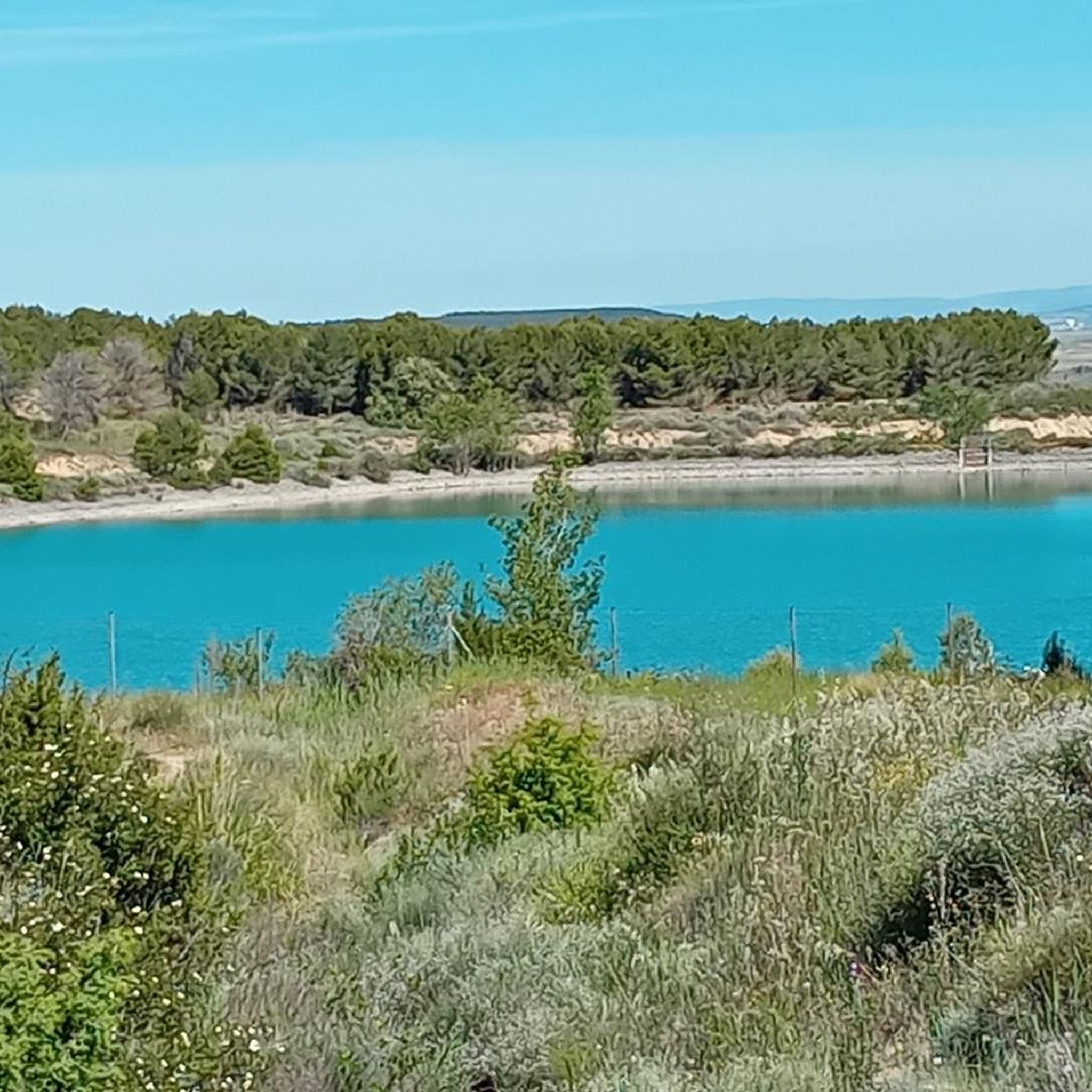
Laguna de Pitillas Nature Reserve
Highlight • Lake
Translated by Google •
Tip by
Roman City of Cara
Highlight • Historical Site
Translated by Google •
Tip by
Sign up for free to discover even more attractions around Murillo El Fruto.
Sign up for free
Already have an account?
Start today with a free account
Your next adventure awaits.
Login or Signup

Tips from the Community

Very cool to go up to the church, the town is beautiful!
0
0

Carved out of a mountain, Ujué has only 300 inhabitants and is a remarkable example of a medieval village. Above the village towers an 11th century church
0
0

From Ujué there is a beautiful view towards the south down to the Ribera de Navarra, the wide valley of the river Ebro. In between there are mountains on whose slopes wine is grown. The small town is a stop on the Ruta del Vino, which leads through the wine-growing regions of Navarre.
1
0
The Sanctuary of Santa María de Ujué was built on the site of an 11th-century Romanesque church, although written evidence from the 10th century was found of the previous existence of a pre-Romanesque temple on the same site. The church was declared a National Monument by ministerial decree of 26 June 1936.
0
0

The ruins of the ancient Roman city of Cara (Santacara) that can be visited today were built on an ancient Iron Age town estimated to date back to the 2nd century BC, making it one of the oldest ruins discovered in the area and that since 1993 have been protected under the figure of Asset of Cultural Interest.
1
0

Wonderful town in the interior of Navarre with incredible views as well as an interesting history and monuments to visit, among which the Church of Santa María stands out, an example of Navarran medieval architecture and declared a National Monument.
1
0
The ruins of the ancient Roman city of Cara (Santacara) that can be visited today were built on an ancient Iron Age town estimated to date back to the 2nd century BC, making it one of the oldest ruins discovered in the area and that since 1993 have been protected under the figure of Asset of Cultural Interest.
1
0
Wonderful town in the interior of Navarre with incredible views as well as an interesting history and monuments to visit, among which the Church of Santa María stands out, an example of Navarre medieval architecture.
3
0
Frequently Asked Questions
What historical landmarks can I explore in Murillo El Fruto?
Murillo El Fruto offers several historical landmarks. You can visit the Church of Santa María, a Renaissance building from 1528 with a significant altarpiece. The impressive Baroque-style Casa Consistorial (Casagrande) from the 18th century and the Casa-Palacio de los Rada, founded in the 15th century, are also notable. Don't miss the Roman City of Cara, an ancient Iron Age town and Roman settlement protected as an Asset of Cultural Interest.
Are there any natural reserves or unique natural features near Murillo El Fruto?
Yes, Murillo El Fruto is close to several natural features. The Laguna de Pitillas Nature Reserve, a protected wetland just 3 km from Pitillas, is excellent for birdwatching. The town is also situated on the banks of the Aragón River, and the ancient Cañada Real drovers' road passes through, offering an ecologically rich trail. Additionally, Murillo El Fruto is near the northern part of the Bardenas Reales, a distinctive semi-desert natural park.
What cultural points of interest are there in Murillo El Fruto?
Murillo El Fruto is known as the birthplace of Raimundo Lanas, "El Ruiseñor Navarro," a renowned jotero who refined the traditional Navarrese jota. You can also see the Old Public Wash House (Lavadero), dating back to 1903, and historical records mention an Ice Well (Pozo de Hielo) from as early as 1675, offering glimpses into the town's past communal life.
What outdoor activities can I do around Murillo El Fruto?
The area around Murillo El Fruto is great for outdoor activities. You can find various hiking routes, including those leading to the Sierra de Ujué and the Cañada Real. For more specific routes, explore the hiking guide around Murillo El Fruto. There are also options for cycling and gravel biking, with routes exploring the Bardenas Reales and surrounding areas. Check out the cycling guide and gravel biking guide for detailed tours.
Are there any family-friendly attractions near Murillo El Fruto?
Yes, several attractions are suitable for families. The Monument to the Bardenas Shepherd is a family-friendly man-made monument marking the entrance to the Bardenas Reales. The Laguna de Pitillas Nature Reserve offers a chance for families to enjoy birdwatching in a natural setting. Exploring the ruins of the Roman City of Cara can also be an educational and engaging experience for all ages.
Where can I find impressive views or viewpoints in the region?
For impressive views, visit Ujué, a settlement with incredible panoramas of the Navarrese interior and towards the Ribera de Navarra. From the Church of Santa María in Ujué, you can also get a wonderful view of the Pyrenees. The Monument to the Bardenas Shepherd also offers a viewpoint into the unique Bardenas Reales desert landscape.
What is the Church of Santa María in Murillo El Fruto known for?
The Church of Santa María in Murillo El Fruto, built in 1528, is a significant Renaissance building. It houses an important altarpiece from 1588 by Pedro de Acéiz, representing Navarrese Romanism. The church was constructed on the site of an earlier 13th-century edifice, with remnants of the older structure still visible in the chapel beneath the tower. Inside, you can also admire a large Mannerist canvas of Saint Michael and Baroque choir stalls.
Can I visit the Bardenas Reales from Murillo El Fruto?
Yes, Murillo El Fruto is strategically located near the northern part of the Bardenas Reales, a semi-desert natural park. You can start your exploration of this unique landscape from here, with the Monument to the Bardenas Shepherd serving as a northern entrance and a key landmark within the park.
Are there any ancient ruins or archaeological sites to see?
Absolutely. The Roman City of Cara (Santacara) is a significant archaeological site. These ruins were built on an ancient Iron Age town dating back to the 2nd century BC, making it one of the oldest discovered ruins in the area. Additionally, in Murillo El Fruto itself, you can see the remnants of the Medieval Castle, largely demolished in 1516, which offer a glimpse into the town's historical past defenses.
What kind of architecture can I expect to see in Murillo El Fruto?
Murillo El Fruto showcases a rich architectural heritage. Beyond the main landmarks like the Renaissance Church of Santa María and the Baroque Casa Consistorial (Casagrande), the town features numerous houses from the 16th century. You'll also find palatial, blazoned homes from the 16th, 17th, and 18th centuries, contributing to the town's distinctive character.
What do visitors enjoy most about the attractions around Murillo El Fruto?
Visitors particularly enjoy the blend of historical significance and natural beauty. The unique landscapes of the Bardenas Reales, accessible via the Monument to the Bardenas Shepherd, are highly appreciated. The birdwatching opportunities at Laguna de Pitillas and the historical charm and incredible views from Ujué, including its medieval architecture, are also frequently praised.
Most popular routes around Murillo El Fruto

Get inspired with the komoot mobile app


Explore more
Still not found the Highlight you’re looking for? See guides of the top attractions in other regions:
