The best road cycling routes around La Vid De Ojeda
4.3
(3)
129
riders
13
rides
Road cycling routes around La Vid De Ojeda traverse a landscape characterized by river valleys, historical routes, and agricultural plains. The region features routes along the Canal del Castilla and the Río Pisuerga, offering varied terrain for road cyclists. Elevation gains are generally moderate, with some routes featuring gentle climbs. The area provides a network of roads suitable for exploring the cultural and natural features of Palencia.
Best road cycling routes around La Vid De Ojeda
- The most popular road…
Last updated: July 1, 2026
10
riders
82.2km
03:28
620m
620m
This moderate 51.1-mile road cycling route in Montaña Palentina offers varied terrain and historical sights, taking about 3 hours and 27 min
4.3
(3)
9
riders
Moderate road ride. Good fitness required. Mostly well-paved surfaces and easy to ride.

Sign up for free
2
riders
Easy road ride. Great for any fitness level. Mostly well-paved surfaces and easy to ride.
1
riders
23.0km
00:57
90m
90m
Easy road ride. Great for any fitness level. Mostly well-paved surfaces and easy to ride.
30
riders
65.5km
02:44
440m
440m
Moderate road ride. Good fitness required. Mostly well-paved surfaces and easy to ride.
Get access to more routes and recommendations from other explorers.
Sign up for free
Already have an account?
Our route recommendations are based on thousands of hikes, rides, and runs completed by other people on komoot.
Start today with a free account
Your next adventure awaits.
Login or Signup
Popular around La Vid De Ojeda

Tips from the Community

The San Andrés Lock, located in Herrera de Pisuerga (Palencia), is part of the historic Canal de Castilla, one of the most important hydraulic engineering works in Spain in the 18th and 19th centuries.
1
0

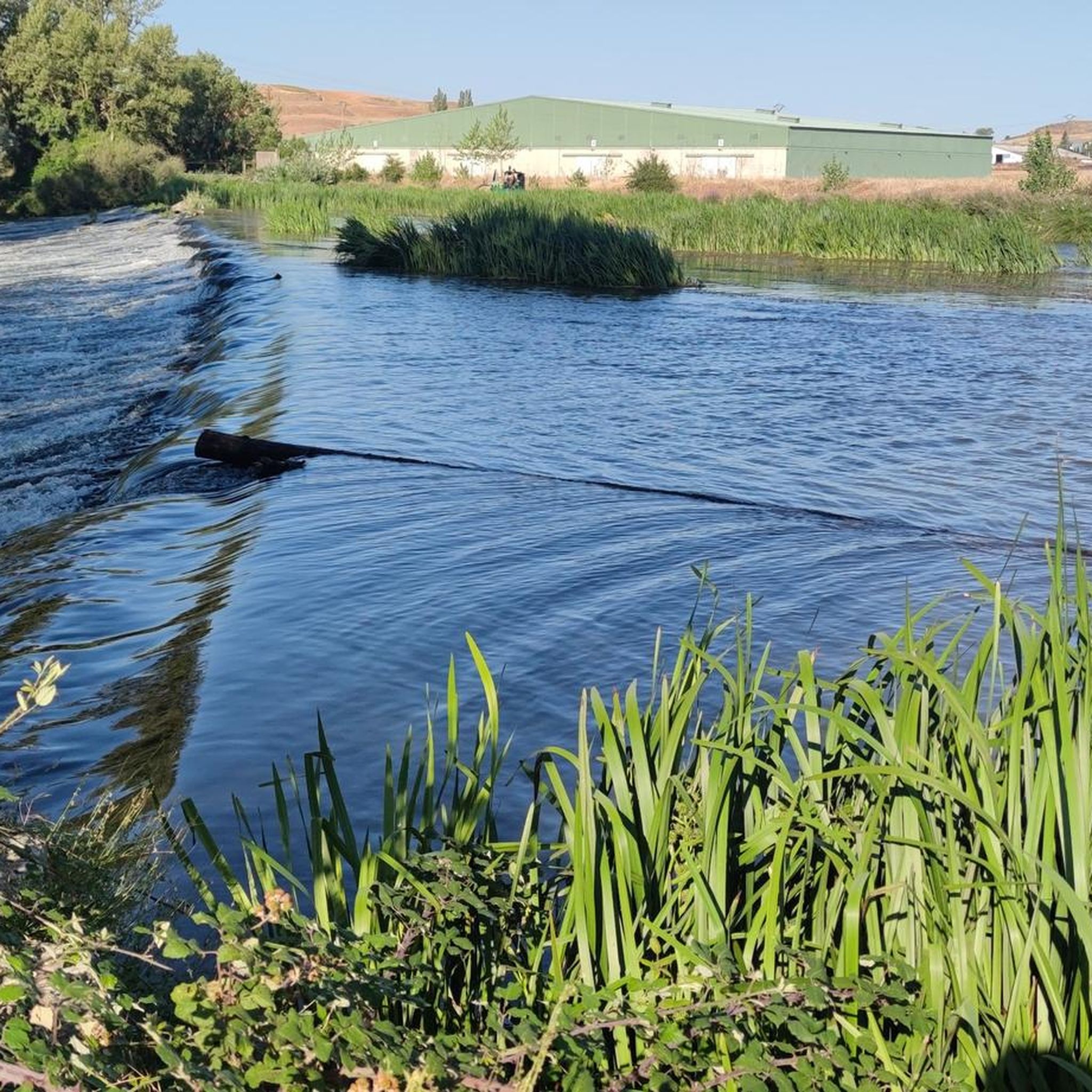
The amount of water this river carries is always surprising.
1
0

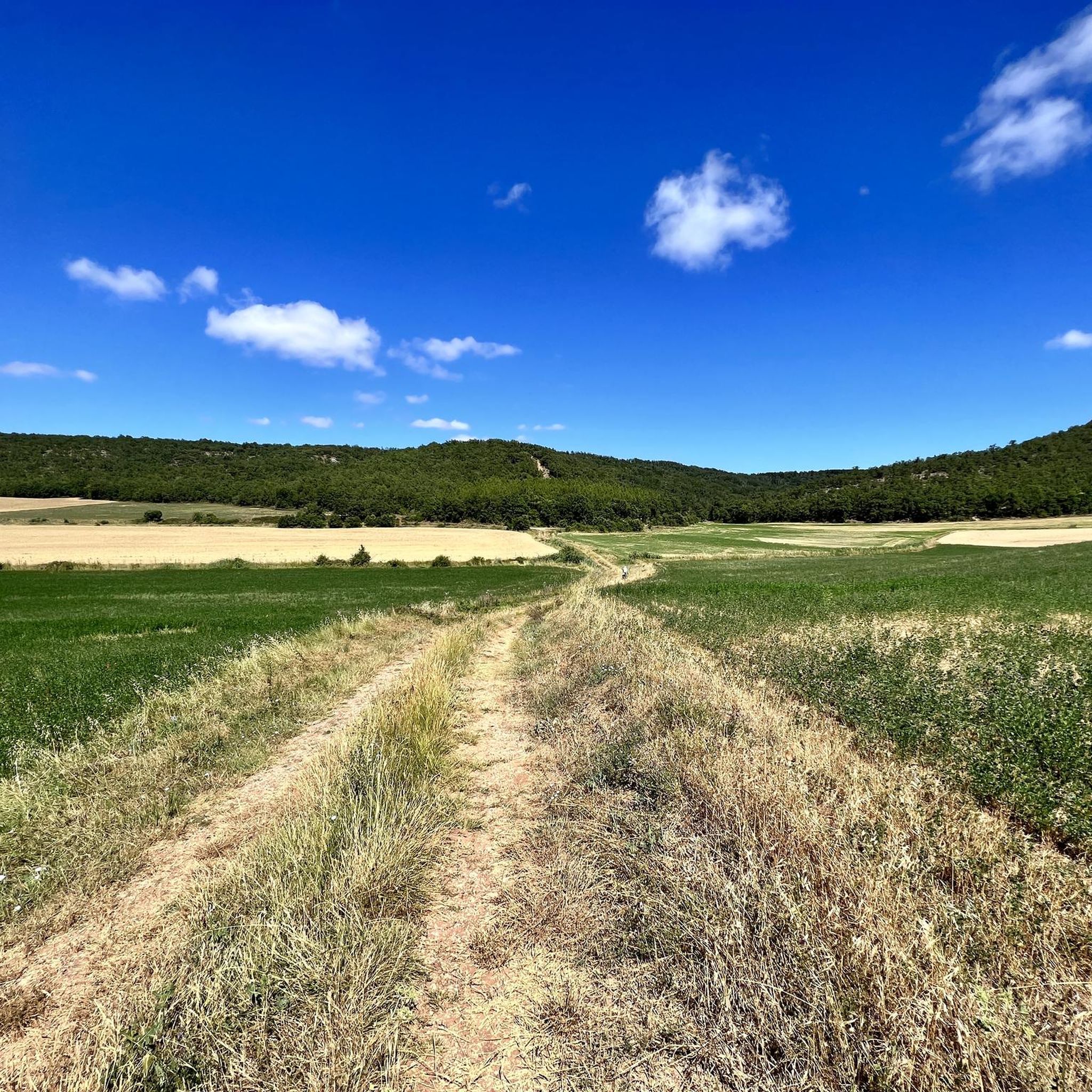
Stage 1. Alar del Rey/Cervera de Pisuerga 87 kilometers. 1,850 positive meters. The Canal de Castilla begins in Alar del Rey, an illustrious work of 18th century hydraulic engineering that was an important vein of communication, commerce and prosperity in much of the Castilian lands for a century. In 1860 the railway monopolized the trade in cereals, goods and minerals in the north of Castile and transport barges stopped using the canal, which continued in use until the mid-20th century, exploiting the hydraulic energy of the locks and irrigation systems. . The starting point is the dock of the old piers of the Canal de Castilla, a very pleasant place to start a gravel trip of a couple of days of bikepacking along the Palentino Romanesque Natural Path, which largely coincides with the Ruta del Coke charcoal. “Cok” or coke is a high-quality hard coal with good heat capacity that is highly appreciated in the metallurgical industry. The best coke deposits were in exclusive mines in Fuentes Carrionas and Montaña Palentina, mainly in the valleys of Mudá, Castillería and Santullán. The extracted mineral was transported by horse and cart to the piers of the Canal de Castilla bound for Valladolid and Palencia, where distribution began. The cycle tour follows the old mining road to the mountains of northern Palencia, visiting a few rural Romanesque jewels. Before leaving we passed by the milestone where the Canal de Castilla takes its water from the Pisuerga River. I discovered this beautiful river spot thirty years ago, when I cycled along the canal towpaths for the first time. Now we leave in the opposite direction following the red posts of the Nature Trail. The roads are good for gravel cycling, the relief is a bit leg-breaking and there are several hard slopes that warm up the muscles with the gravel single chainring but the surface is great. The first town is Prádanos de Ojeda, on a rural hill above extensive cereal fields that are very good for warming up the legs before the first slopes, it is the end of summer and the stubble is full of large balls of packed straw. The path crosses the Pradera de las Tortas mountain and Santibáñez de Ecla appears hidden among some hills of holm oaks and holm oaks. The church of San Juan can be seen now or in the second stage because the return track connects here. The path runs through hills populated by dense holm oak forests and passes through Villaescusa de Ecla, which has the Romanesque church of Santa Elena and in a nearby ravine the Cervigona Waterfall. The silhouette of the Palentina Mountain and the Curavacas peak draw attention on the horizon. The path jumps small hills of holm oaks and holm oaks and at the heights the view takes in the mountains of the Cantabrian Mountains of Palencia. The surface is excellent and the bikes descend at full speed to the town of Cozuelos de Ojeda. The church is monumental, Renaissance with star-crossed vaults and a Herrerian tower. Outside the church there are remains of an ancient cloud conjurer, a popular place of prayer during harvest time to keep storms and clouds or clouds away from the sky. The route leaves the urban complex of Cozuelos de Ojeda on the left and continues through some steppe hills to a plateau with good views of the mountains, from Valdecebollas to Espigüete. In the moor is the crossing of the Perazancas de Ojeda variant on the return route. The next town is Vallespinoso de Aguilar. The hermitage of Santa Cecilia, immediately standing out on a castle hill, is dated to the 12th century and was declared a historical-artistic monument in 1951. The portico has well-carved capitals and the location conveys the atmosphere of a fortress sanctuary. The path goes up a somewhat rocky slope and enters new slides in the land of Aguilar de Campoo. At the foot of Monte de la Ruya, when the hardest slope of the stage appears in front of you, the detour to Barrio de San Pedro and Barrio de Santa María, two districts of Aguilar de Campoo, comes out on the right. The descent is fantastic with views of the large lake of the Aguilar reservoir. First is Barrio de San Pedro, with a very welcoming ambushed entrance and the church of San Pedro, Romanesque from the 13th century with many later additions. And then the hermitage of Santa Eulalia, solitary next to the road, another well-preserved historical-artistic monument of the rural Romanesque of Palencia. In the town, the church of the Assumption also preserves parts of Romanesque origin.
0
0

Puente Mayor over the Pisuerga River is of medieval origin. We can see the small islands in the river and the castle hill.
2
0

The next town is Vallespinoso de Aguilar. The hermitage of Santa Cecilia, immediately standing out on a castle hill, is dated to the 12th century and was declared a historical-artistic monument in 1951. The portico has well-carved capitals and the location conveys the atmosphere of a fortress sanctuary.
0
0

Herrera de Pisuerga is a city with an outstanding history. From the Roman settlement of Pisoraca to the Visigothic occupation, its past is present in the necropolis and the archaeological remains. In the Middle Ages, it became a walled town with gates and a parish church dedicated to Santa Ana. The old town has a Plaza Mayor with arcades and emblazoned buildings.
1
0
Alar del Rey was founded in the 15th century and stands out for its parish church of Nuestra Señora del Carmen, in neo-Romanesque style with a modernist tower. The town offers an impressive landscape environment thanks to the Canal de Castilla and the Pisuerga River. In addition, it is close to places of interest such as Peña Amaya, the Palencia Mountain and the Unesco World Geopark las Loras.
1
0
The hermitage of Santa Cecilia de Vallespinoso de Aguilar, declared a Historic-Artistic Monument, combines nature, landscape and art. Its construction in the 12th century presents a rectangular nave with a cannon cover and a semicircular apse. Its exterior stands out with well-worked ashlars, a peculiar tower and an imposing cover. The interior impresses with its verticality and a beautiful staircase that joins the nave and head. Sculptures such as the Samson capital and the acanthus leaf capital accentuate its beauty.
2
0
Frequently Asked Questions
How many road cycling routes are available in La Vid De Ojeda?
There are over 10 road cycling routes around La Vid De Ojeda, offering a variety of distances and difficulty levels to explore the region's river valleys, historical sites, and agricultural plains.
What are the difficulty levels of road cycling routes in La Vid De Ojeda?
The routes in La Vid De Ojeda cater to various skill levels. You'll find 4 easy routes, 7 moderate routes, and 2 more challenging routes, ensuring options for beginners and experienced cyclists alike.
What interesting sights can I see along road cycling routes in La Vid De Ojeda?
Many routes in the area offer glimpses of historical and natural landmarks. You can explore sites like the Dock and Locks of the Canal de Castilla in Alar del Rey, the San Andrés Sluice, or the Source of the Canal de Castilla. The region is rich in cultural and natural features.
What do other road cyclists enjoy about the routes in La Vid De Ojeda?
The road cycling routes in La Vid De Ojeda are highly rated by the komoot community, with an average score of 4.3 stars. Cyclists often praise the varied terrain, which includes river paths, canal routes, and historical landscapes, providing a diverse and engaging experience.
Are there easy road cycling routes suitable for beginners in La Vid De Ojeda?
Yes, there are several easy routes perfect for beginners. A great option is the Herrera de Pisuerga – circular by the Canal del Castilla, which is 14.3 miles (23.0 km) long with minimal elevation gain, offering a gentle ride along the canal.
Can I find long-distance road cycling routes in La Vid De Ojeda?
Absolutely. For longer rides, consider the Palencian Romanesque Route, which spans 51.1 miles (82.2 km) and explores historical sites and the rural landscape. Another excellent choice is the Castrillo de Villavega from Herrera de Pisuerga – circular via Osorno la Mayor, a moderate 48.7 miles (78.4 km) path.
Are there circular road cycling routes available in La Vid De Ojeda?
Yes, many routes in the region are circular, allowing you to start and end in the same location. Examples include the From Castrillo de Riopisuerga to Sotresgudo — circular by the Río Pisuegra and the Herrera de Pisuerga – circular by the Canal del Castilla.
What kind of views can I expect on road cycling routes in La Vid De Ojeda?
Road cycling in La Vid De Ojeda offers diverse scenery. You'll encounter picturesque river valleys, agricultural plains, and historical landscapes, often with views of charming villages and the tranquil waters of the Canal del Castilla and Río Pisuerga.
What are some advanced road cycling challenges in La Vid De Ojeda?
For more advanced cyclists seeking a challenge, there are routes with greater elevation gains and longer distances. While specific 'difficult' routes are fewer, options like the Palencian Romanesque Route offer over 600 meters of climbing, providing a good workout.
Are there family-friendly road cycling routes in La Vid De Ojeda?
Yes, the region has easy routes with gentle terrain that are suitable for families. The routes along the Canal del Castilla, such as the Herrera de Pisuerga – circular by the Canal del Castilla, are particularly good for a relaxed family outing due to their flat profile.
What is the best time of year for road cycling in La Vid De Ojeda?
The best time for road cycling in La Vid De Ojeda is generally during spring and autumn when temperatures are mild and the weather is pleasant. Summer can also be enjoyable, but it's advisable to ride in the mornings or late afternoons to avoid the midday heat.
Are there road cycling routes in La Vid De Ojeda that pass by cafes or places to stop?
Many routes pass through or near villages where you can find local cafes and establishments to refuel or take a break. The region's focus on cultural features means you're often close to amenities in towns like Alar del Rey, which even features a Canal Museum with a cafe.
Most popular routes around La Vid De Ojeda
Most popular attractions around La Vid De Ojeda

Get inspired with the komoot mobile app


Explore more
Browse the best Road cycling routes in other regions.
