Attractions and Places To See around Cabañas De Ebro - Top 17
Best attractions and places to see around Cabañas De Ebro include a blend of historical sites, cultural heritage, and natural features. The municipality is situated in the province of Zaragoza, Spain, with its urban core embraced by a meander of the Ebro River. This area offers insights into Roman history, with archaeological vestiges and preserved ashlar stones along the riverbanks. The landscape is characterized by the Ebro River and its riparian environment, featuring poplar forests and diverse wildlife.
Best attractions…
Last updated: June 23, 2026
Jalón River Aqueduct (El Caracol)
Highlight • Bridge
Translated by Google •
Tip by

Clavería Bridge over the Imperial Canal of Aragon
Highlight • Bridge
Translated by Google •
Tip by

Sign up now to discover places like this
Get recommendations on the best single tracks, peaks, & plenty of other exciting outdoor places.
Sign up for free
Mouth of the Jalón River
Highlight • River
Translated by Google •
Tip by
Jubo Bridge
Highlight • Bridge
Originally, its construction began in the 18th century, but due to the War of …
Translated by Google •
Tip by

Torres Bridge
Highlight • Bridge
Translated by Google •
Tip by

Sign up for free to discover even more attractions around Cabañas De Ebro.
Sign up for free
Already have an account?
Start today with a free account
Your next adventure awaits.
Login or Signup


Tips from the Community

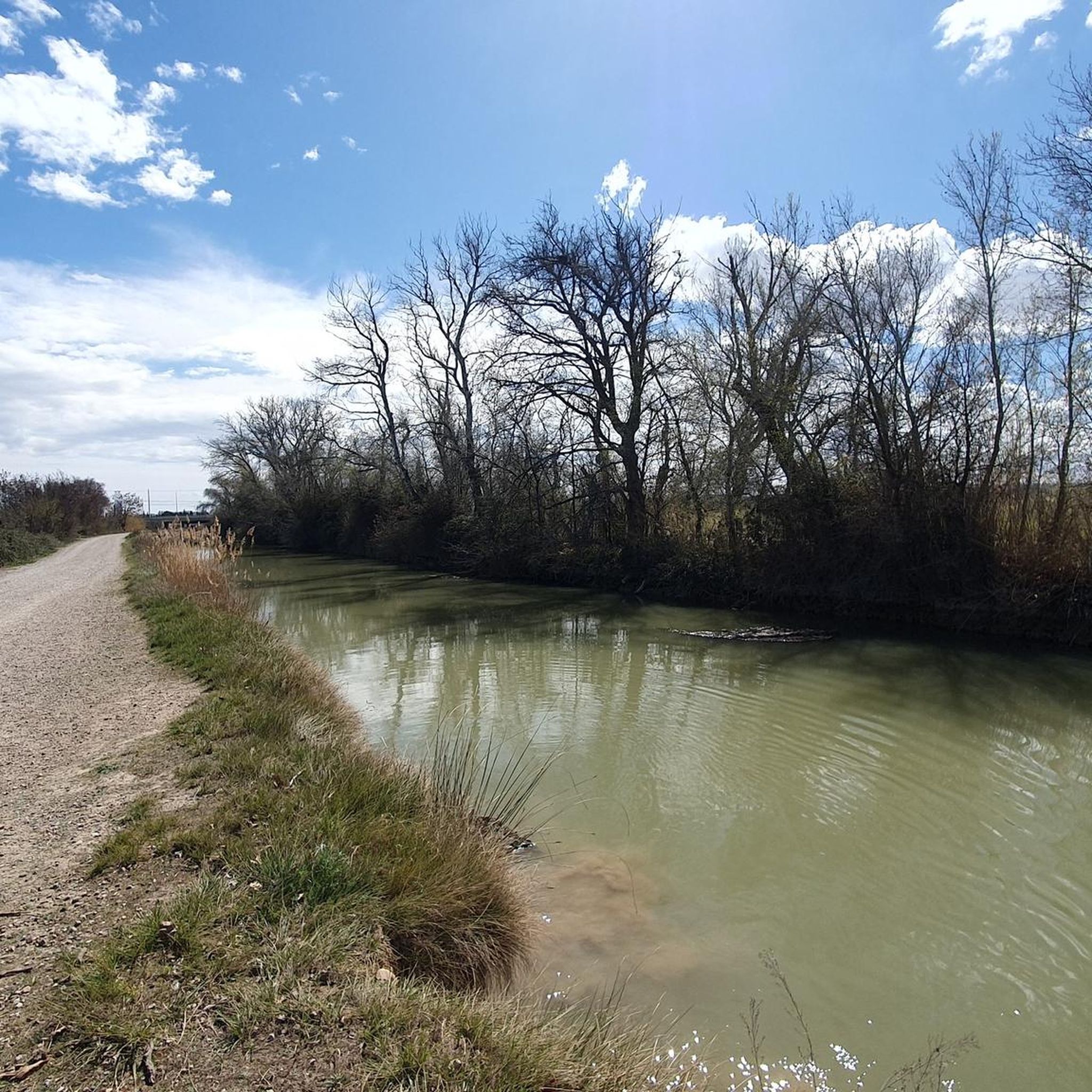
Architecturally, it's stunning, but we couldn't find a way to follow the canal without getting our feet wet. In the end, we crossed the Jalón River under the canal and then rejoined it. The question remains whether we could have crossed the canal walls on foot. On the left side, there was an open metal gate (we were already on the right side), but on the other side of the Jalón River, we saw another metal gate locked with a padlock.
0
0

Wikipedia The Jalón River Aqueduct, also known as the Grisén or Jalón Walls or El Caracol, is the most representative work of the construction of the Imperial Canal of Aragon, built in the 18th century. This aqueduct is located in the natural setting of El Caracol, between the municipalities of Alagón and Grisén, about 25 kilometers from the city of Zaragoza. The objective of this work was to cross the greatest obstacle found in the layout of the canal, the Jalón River. Initially, the creation of a large siphon beneath the waters of the Jalón was proposed, but finally the layout of the canal twists towards the Jalón Valley to face the river perpendicularly. A route of more than 2 kilometers in total length begins, of which 1,380 meters run between stone walls.
0
0

The Jubo Bridge has a fascinating history spanning from the 18th century to the 21st century. Originally, its construction began in the 18th century, but due to the War of Independence, it remained unfinished for many years. Finally, in more recent times, it was completed with a wooden and steel walkway. This bridge is a pedestrian crossing over the Imperial Canal of Aragon, located near the town of Pinseque and a few meters from the Santa Emilia beacon.
2
0

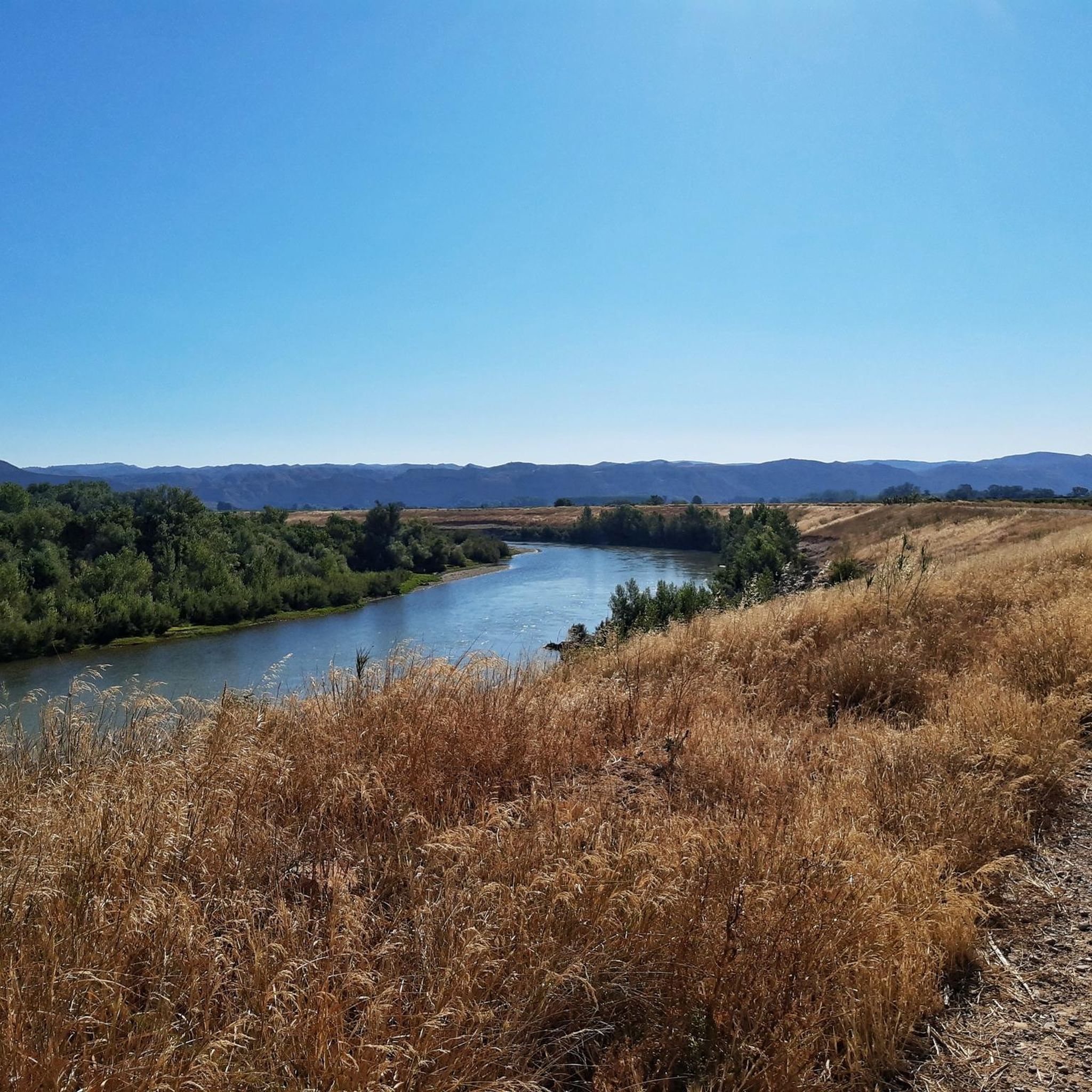
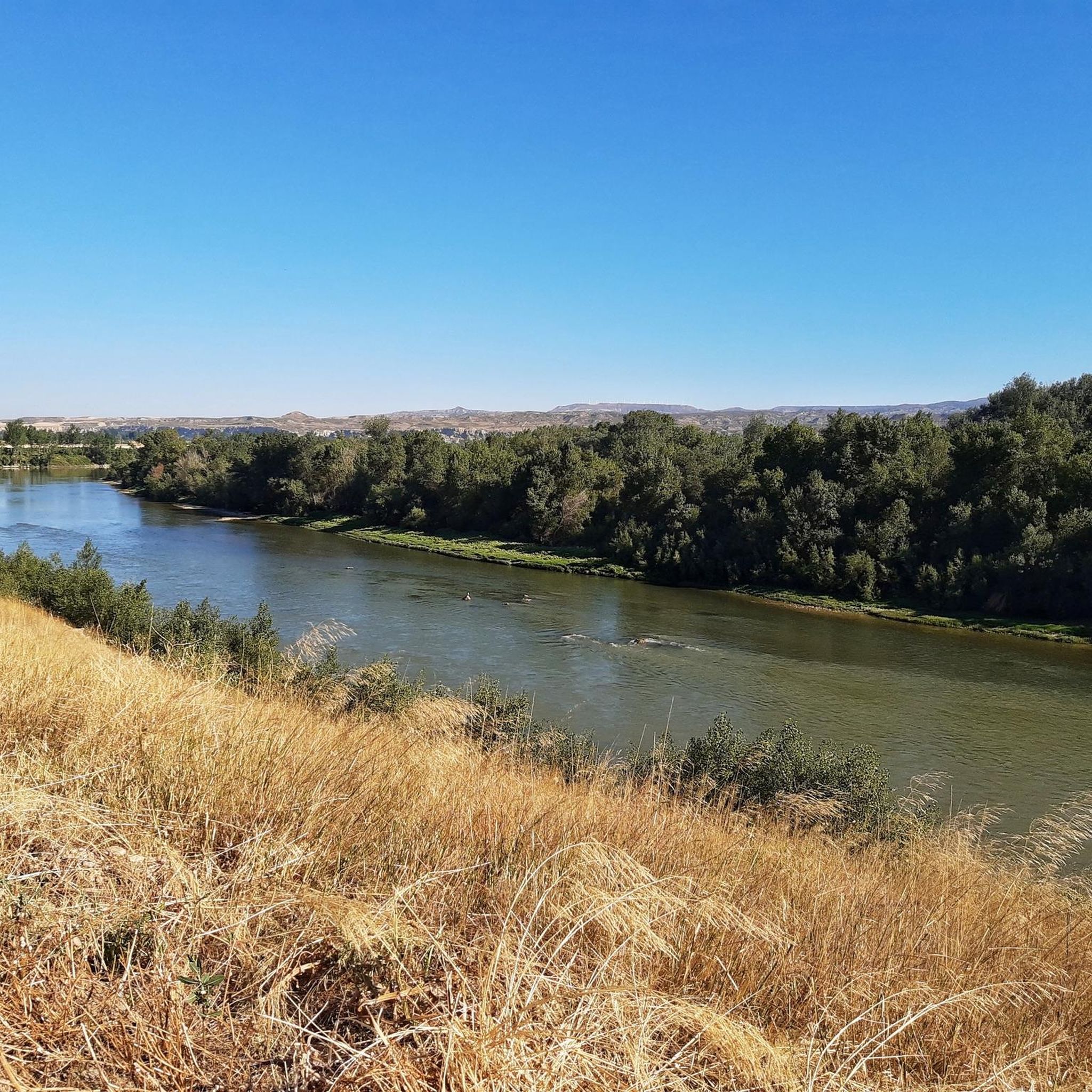
A magical place where in a few meters the current mouth of the river Jalón joins the Ebro, the hundred-year-old boat passing between the banks and the remains of the Muslim castle and old Christian town of Castellar. Be careful in summer with mosquitoes.
0
0

This infrastructure dates back to the end of the 18th century and there are some legends about this unfinished passage of the Imperial Canal of Aragon. One of them says that it sank when a car passed by, and that it was no longer repaired, and others say that they started it at the Canal works and it remained unfinished. The Aragonese section of the Imperial Canal of Aragon was inaugurated on September 20, 2000 as a Site of Cultural Interest and Site of Cultural Interest in the category of Historic Site. To enjoy this great work and to understand it is to understand a part of our best history that seems to be latent in our memory.
1
0

Historic arch bridge built in the 18th century to cross the Imperial Canal of Aragon. Nice picture to photograph!
2
0
This infrastructure dates from the end of the 18th century and there are some legends about this unfinished passage of the Imperial Canal of Aragon. One of them says that it sank when a car passed by, and that it was no longer repaired and others assure that it was started during the Canal works and it was left unfinished. The Aragonese section of the Imperial Channel of Aragon was opened on September 20, 2000 as an Asset of Cultural Interest and a Site of Cultural Interest in the category of Historic Site. Enjoying this great work and understanding it is understanding a part of our best history that seems to be latent in memory.
0
0

You can go up or down, very well preserved :)
0
0
Frequently Asked Questions
What historical attractions can I explore in Cabañas de Ebro?
Cabañas de Ebro offers a rich historical tapestry. You can visit the 17th-century Iglesia de San Ildefonso, built on an older Mudejar temple. Explore the Roman vestiges at Camino de los Moros, where you'll find remains of a Roman castellum and a rustic villa. Along the Ebro River, you can also see preserved Roman Ashlar Stones, believed to be part of an ancient fluvial port.
Are there any notable engineering marvels or bridges to see in the area?
Yes, the region is home to several impressive structures. A must-see is the Jalón River Aqueduct (El Caracol), an approximately 1 km long aqueduct built around 1790, known for its unique spiral staircase. You can also visit the Clavería Bridge over the Imperial Canal of Aragon, an 18th-century arch bridge, and the Jubo Bridge, a pedestrian crossing with a fascinating history of its own.
What natural features can I explore around Cabañas de Ebro?
The Ebro River is central to the region's natural beauty. You can explore its riparian landscape, characterized by poplar forests and diverse wildlife. There are designated walking paths and viewpoints offering picturesque views of the river's meanders and the surrounding nature. The Mouth of the Jalón River, where it joins the Ebro, is another significant natural spot.
What outdoor activities can I do near these attractions?
The area around Cabañas de Ebro is excellent for outdoor enthusiasts. You can find numerous routes for hiking, cycling, and mountain biking. For hiking, explore options like the 'Pinseque and Imperial Canal of Aragón Loop'. Cyclists might enjoy the 'Soto Trail. – Third Millennium Bridge loop', while mountain bikers can tackle routes such as the 'Solar Labyrinth – Third Millennium Bridge loop'. You can find more details on these activities in the hiking, cycling, and MTB guides for the region.
Are there family-friendly attractions or activities in Cabañas de Ebro?
Yes, several attractions are suitable for families. The Jalón River Aqueduct (El Caracol) features picnic facilities with tables and barbecue areas shaded by large trees, perfect for a family outing. The Clavería Bridge and Jubo Bridge are also accessible for family visits, offering interesting historical insights and pleasant walks.
Where can I find picnic areas or places to rest near the attractions?
The Jalón River Aqueduct (El Caracol) has a dedicated picnic area with tables and barbecue facilities, offering ample shade. Additionally, the Torres Bridge also provides several picnic tables, making it a good spot to pause and rest during your exploration.
What is the significance of the Ebro River to Cabañas de Ebro?
The Ebro River is fundamental to Cabañas de Ebro. The town's urban core is embraced by a meander of the river, which has profoundly shaped its life and economy throughout history. The river's importance is also evident in the ancient Roman fluvial port remains and the preserved Roman ashlar stones found along its banks, highlighting its historical role as a navigable route.
Can I find any viewpoints to appreciate the landscape?
Yes, there are designated walking paths that lead to viewpoints integrated into the natural environment. These spots offer picturesque views of the Ebro River's meanders, the surrounding poplar woods, and the rich fauna typical of the riverbank. The Mouth of the Jalón River also serves as a viewpoint where you can observe the confluence of the two rivers.
Are there any easy walking trails suitable for all abilities?
Yes, for easier walks, consider routes like the 'Hermitage of the Virgin of the Wave loop from Grisén' or the 'Jubo Bridge loop from Pinseque', both categorized as easy hiking trails. These paths allow you to enjoy the natural surroundings and historical sites without significant difficulty. You can find more details in the hiking guide.
What is the best time to visit Cabañas de Ebro for outdoor activities?
The region generally offers pleasant conditions for outdoor activities during spring and autumn, when temperatures are milder. Summer can be quite warm, but the shaded areas around the Ebro River and attractions like the Jalón River Aqueduct (El Caracol) with its large trees can provide relief. Always check local weather forecasts before your visit.
What do visitors enjoy most about the attractions in Cabañas de Ebro?
Visitors particularly appreciate the blend of history and nature. The well-preserved historical bridges like the Clavería Bridge offer great photographic opportunities. The Jalón River Aqueduct (El Caracol) is admired for its architectural beauty and the pleasant picnic facilities. The serene riparian landscapes of the Ebro and Jalón rivers also provide a tranquil experience for those seeking to connect with nature.
Most popular routes around Cabañas De Ebro

Get inspired with the komoot mobile app


Explore more
Still not found the Highlight you’re looking for? See guides of the top attractions in other regions:
