Attractions and Places To See around Las Mesas - Top 20
Best attractions and places to see around Las Mesas, a region in the province of Cuenca, Spain, offer a blend of historical sites and natural landscapes. This area is characterized by its cultural heritage, including significant religious architecture, and its unique natural features like lagoons. Visitors can explore a variety of attractions, from historical settlements to protected natural reserves. The region presents 20 hidden gems for exploration.
Best attractions and places to see around Las Mesas
- The most popular attractions…
Last updated: May 20, 2026
Manjavacas Lagoon
Highlight • Lake
Translated by Google •
Tip by

San Blas Church (Villarrobledo)
Highlight • Religious Site
Translated by Google •
Tip by
Sign up now to discover places like this
Get recommendations on the best single tracks, peaks, & plenty of other exciting outdoor places.
Sign up for free
Hermitage of Our Lady of Manjavacas
Highlight • Religious Site
Translated by Google •
Tip by
Villarrobledo
Highlight • Settlement
Translated by Google •
Tip by
Casa de los Tellez
Highlight • Historical Site
Translated by Google •
Tip by
Sign up for free to discover even more attractions around Las Mesas.
Sign up for free
Already have an account?
Start today with a free account
Your next adventure awaits.
Login or Signup



Tips from the Community

This complex is made up of four lagoons: Manjavacas, Sánchez Gómez, La Dehesilla (in Mota del Cuervo), and Alcahozo (in Pedro Muñoz). It is a key point on the migratory routes of birds between Europe and Africa, which gives it international importance.
2
0
The Manjavacas Lagoon, located in the municipality of Mota del Cuervo (Cuenca), is part of the Manjavacas Lagoon Complex, a nature reserve of great ecological and scenic value.
2
0
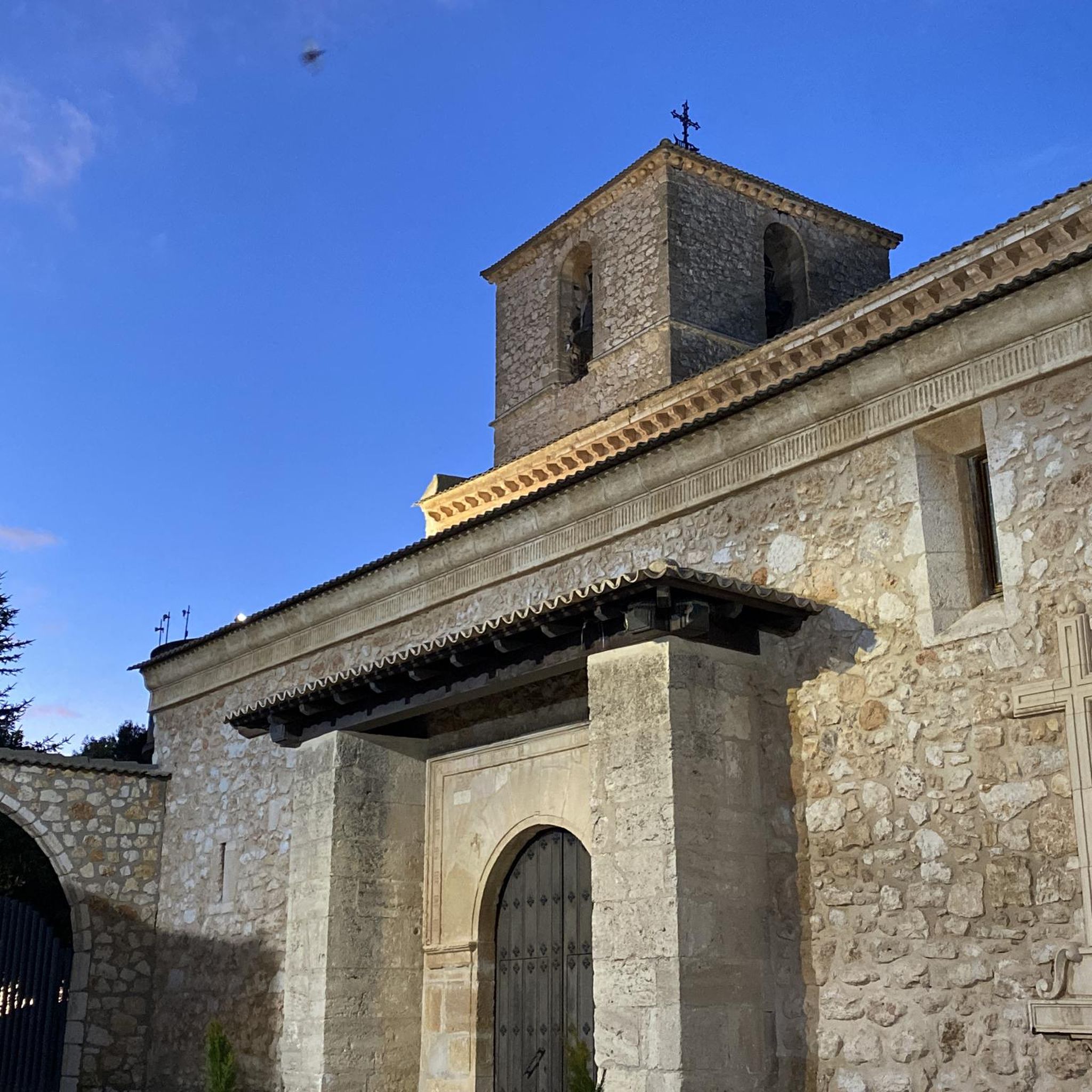
The sanctuary is a construction made of masonry with a hipped tile roof. Inside, it has a rectangular plan with a flat head. The nave is divided into four sections by barely hinted transverse arches that rest on Tuscan ilasters, with a barrel vault and lunettes.
9
0
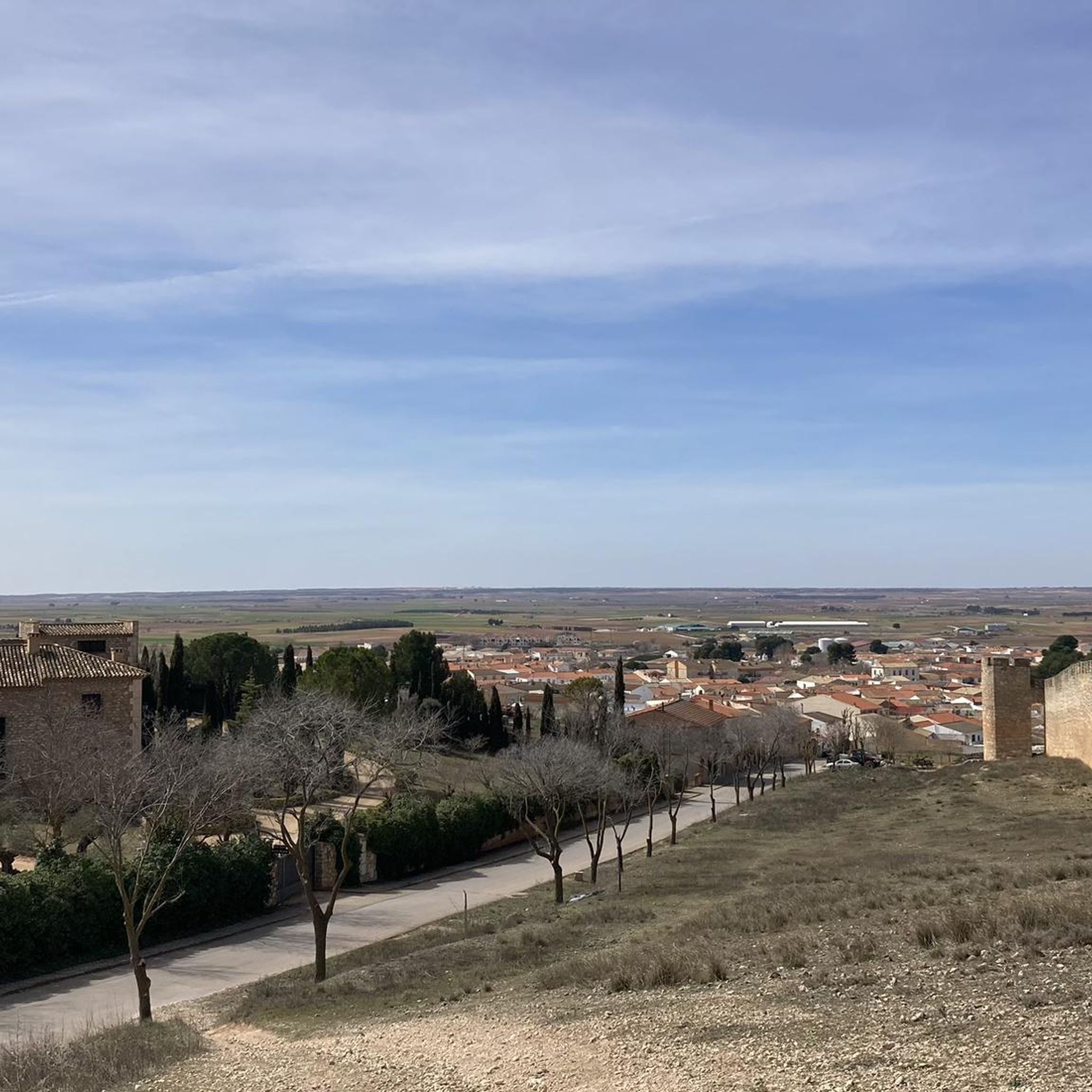
Villarrobledo, 86 km from the capital, is one of the largest towns in La Mancha, Albacete. It collects in its municipal term the districts of Moharras and Casa de Peñas. It was the 16th century that of its economic and social splendor, as demonstrated by several of the constructions that were made during this century such as the current church of San Blas, several convents and even the Town Hall. All of them are visits of interest. But in addition, it offers an urban complex of wide streets and whitewashed walls in the style of other towns in La Mancha, characteristic of the winery industry that prevails in the area. Its Carnivals deserve special mention, one of the most important in Spain, declared of national tourist interest.
13
0

Villarrobledo is a beautiful town. It is famous for its collection of historical heritage in the form of convents, churches, hermitages and cobbled streets. Its carnival attracts more and more visitors. And the Plaza de Ramón y Cajal is the perfect place to have a drink and rest, if you are passing through with your bicycle.
2
0
The church of San Blas, from the 15th and 16th centuries, is a beautiful example of Gothic, Renaissance and Baroque architecture, which has earned it the declaration of a National Monument, a title obtained in 1977. The oldest part of the building is in the Flamboyant Gothic style, executed with great mastery. The rest was built in the purest Renaissance style and with the stamp of Vandelvira. The current temple of San Blas stands on a primitive Gothic church from the mid-15th century, at the end of this century it began to be replaced by a new factory. At the foot are remains of the primitive church, of which its western portal stands out, with a magnificent structure made in the Flamboyant Gothic style and made up of an elegant opening with a pointed arch and very slender shapes.
36
0
Building declared an Asset of Cultural Interest with a monumental façade, which is the most outstanding example of Baroque in civil architecture. It is linteled and framed by two superb Corinthian columns that support a beautiful front, very projecting and topped by pinnacles. Above the distil door there is no coat of arms, but an oval stone border or medallion that centers the front and contains a Latin inscription dated 1797. This oval is finished off by a vase topknot. The Téllez House is surrounded by other buildings also declared of Cultural Interest, which make Enrique Arce Street the most monumental in Villarrobledo. At number 3 of this street we find another house with a doorway with outstanding characteristics: lintelled stone, equipped with thick columns and an upper body. In the lower part, its attached pilasters stand out. The upper part rises on a cornice and is flanked by two Doric columns that end in a small triangular pediment. On both sides of the doorway we can find two stone coats of arms and in the center a typical grill.
33
0

Lagunar de Manjavacas is made up of 4 lagoons - a space protected by the Natura 2000 network. It is a stopping point for migratory birds on their route between Europe and North Africa.
3
0
Frequently Asked Questions
What natural attractions can I explore around Las Mesas?
The most prominent natural attraction is the Manjavacas Lagoon, a significant lake complex protected by the Natura 2000 network. It serves as a crucial stopping point for migratory birds traveling between Europe and North Africa. The broader Cuenca region also features the iconic Hanging Houses overlooking the Huécar river gorge and the unique rock formations of Ciudad Encantada.
Are there historical or cultural sites to visit in the Las Mesas area?
Yes, the region is rich in history and culture. You can visit the San Blas Church (Villarrobledo), a declared National Monument showcasing Gothic, Renaissance, and Baroque architecture. The settlement of Villarrobledo itself is known for its historical heritage, including convents, churches, and cobbled streets. Additionally, the Casa de los Tellez is a notable example of Baroque civil architecture.
What kind of outdoor activities can I do near Las Mesas?
The area around Las Mesas offers various outdoor activities. You can find numerous routes for hiking, mountain biking, and cycling. For specific trails, explore the Hiking around Las Mesas guide, the MTB Trails around Las Mesas guide, and the Cycling around Las Mesas guide.
Are there hiking trails suitable for different skill levels around Las Mesas?
Yes, there are hiking trails for various skill levels. For example, the 'Lagunar de Manjavacas – circular by the Camino Natural de los Humedales de La Mancha' is a moderate 16.9 km route, while the 'Santa Maria de los Llanos – circular via the Cerro Agudo trail (PR-CU 68)' is an 11.4 km moderate option. You can find more details and options in the Hiking around Las Mesas guide.
Can I find family-friendly attractions in Las Mesas?
Yes, several attractions are considered family-friendly. The Manjavacas Lagoon is a great spot for families to observe migratory birds and enjoy nature. The settlement of Villarrobledo, with its historical streets and carnival, also offers engaging experiences for families. The Hermitage of Our Lady of Manjavacas provides a peaceful and scenic stop suitable for all ages.
What is the <a href="https://www.komoot.com/highlight/5413917" target="_blank" rel="noopener">Manjavacas Lagoon</a> known for?
The Manjavacas Lagoon is renowned as a Nature Reserve and a protected area within the Natura 2000 network. It's a vital ecological site, particularly famous as a resting and feeding ground for migratory birds on their journey between Europe and North Africa. The complex consists of four lagoons, offering a calm and picturesque environment for nature observation.
What is special about <a href="https://www.komoot.com/highlight/5934218" target="_blank" rel="noopener">San Blas Church (Villarrobledo)</a>?
The San Blas Church (Villarrobledo) is a significant historical and architectural landmark, declared a National Monument. It stands out for its blend of Gothic, Renaissance, and Baroque architectural styles, with its oldest parts dating back to the 15th century. Its imposing structure and intricate details make it a must-see for those interested in religious architecture.
What is there to see in the settlement of <a href="https://www.komoot.com/highlight/5977336" target="_blank" rel="noopener">Villarrobledo</a>?
Villarrobledo is a large town in La Mancha, known for its rich historical heritage. Visitors can explore numerous convents, churches, hermitages, and charming cobbled streets. The town's carnival is also a major attraction, recognized as being of national tourist interest. The Plaza de Ramón y Cajal is a pleasant spot to relax.
Are there any notable examples of Baroque architecture in the region?
Yes, the Casa de los Tellez in Villarrobledo is considered the most outstanding example of Baroque civil architecture in the area. Its monumental façade features Corinthian columns, a projecting front, and an oval medallion with a Latin inscription. The San Blas Church (Villarrobledo) also incorporates Baroque elements alongside Gothic and Renaissance styles.
What is the best time of year to visit Las Mesas for outdoor activities?
While specific seasonal tips for Las Mesas are not provided, generally, spring (April-May) and autumn (September-October) offer pleasant temperatures for outdoor activities like hiking, cycling, and birdwatching at the lagoons in the Cuenca region. Summers can be hot, and winters can be chilly, so checking local weather conditions is always recommended.
Where can I go mountain biking around Las Mesas?
There are several mountain biking routes available. You can try the 'Circuito de los Humedales de la Mancha desde Las Mesas,' an easy 24.5 km route, or the more challenging 'Villarrobledo and Socuéllamos — return through the fields of La Mancha,' a moderate 52.6 km trail. For more options, consult the MTB Trails around Las Mesas guide.
What do visitors enjoy the most about the attractions around Las Mesas?
Visitors appreciate the blend of historical depth and natural beauty. The architectural grandeur of sites like San Blas Church and the historical charm of Villarrobledo are highly rated. The tranquility and ecological significance of the Manjavacas Lagoon, especially for birdwatching, are also popular highlights. The area is seen as offering a variety of attractions to explore.
Are there any hidden gems or less-known spots worth visiting?
Beyond the main highlights, the Hermitage of Our Lady of Manjavacas is a beautifully located, secluded, and quiet spot that offers a peaceful break. The Casa de los Tellez, with its impressive Baroque façade, is another architectural gem often overlooked by general tourists but highly valued for its historical significance.

Get inspired with the komoot mobile app


Explore more
Still not found the Highlight you’re looking for? See guides of the top attractions in other regions:
