The best cycling routes around Mesegar De Corneja
5.0
(2)
42
riders
18
rides
Touring cycling routes around Mesegar De Corneja traverse a varied landscape within the Corneja Valley, offering diverse experiences. The region features fluvial plains along the Corneja River, providing flatter routes, alongside mountainous dehesas of holm oaks to the east. Cyclists encounter granite and slate formations, with terrain ranging from gentle valley paths to more challenging climbs towards areas like the Peña Negra Pass. This combination creates a range of cycling opportunities across different elevations and surfaces.
Best touring cycling routes…
Last updated: June 28, 2026
25
riders
35.7km
02:47
930m
930m
Hard bike ride. Very good fitness required. Mostly paved surfaces. Suitable for all skill levels.
5
riders
41.3km
03:55
600m
590m
Hard bike ride. Very good fitness required. Mostly paved surfaces. Suitable for all skill levels.

Sign up for free
5.0
(1)
3
riders
40.9km
03:04
600m
600m
Hard bike ride. Very good fitness required. Mostly paved surfaces. Suitable for all skill levels.
5.0
(1)
3
riders
39.3km
02:56
630m
640m
Hard bike ride. Very good fitness required. Mostly paved surfaces. Suitable for all skill levels.
3
riders
Moderate bike ride. Good fitness required. Mostly paved surfaces. Suitable for all skill levels.
Get access to more routes and recommendations from other explorers.
Sign up for free
Already have an account?
Our route recommendations are based on thousands of hikes, rides, and runs completed by other people on komoot.
Start today with a free account
Your next adventure awaits.
Login or Signup
Popular around Mesegar De Corneja

Tips from the Community

Also known as the Dávila Castle, it is one of the most important constructions found along the route of the Cañada Real Soriana Occidental. The Castle cannot be understood without the medieval bridge over the river Tormes. Together, they functioned as a control point for the passage of people and goods. According to documentation, Queen Isabella I and Emperor Charles V stayed overnight in the fortress.
0
0

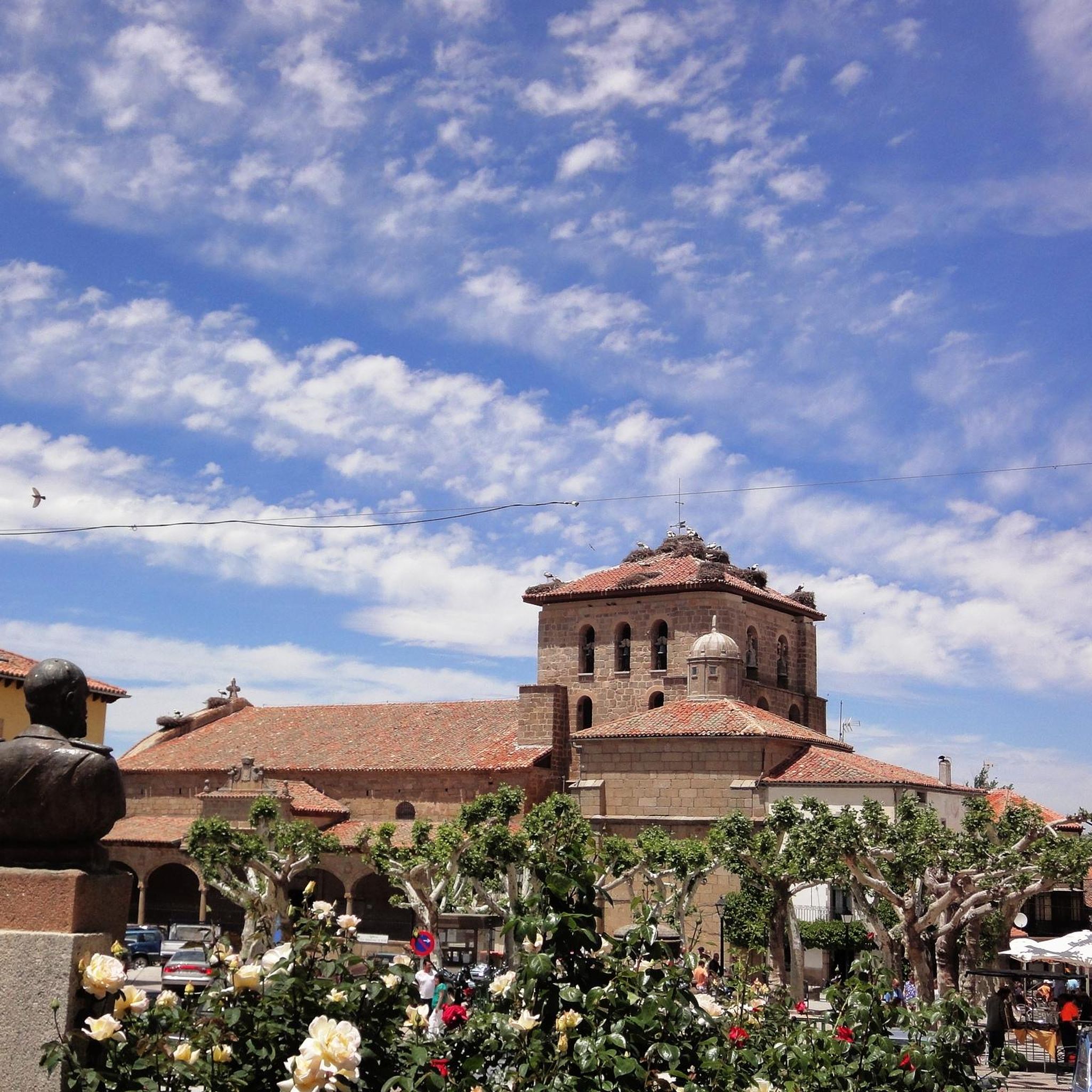
The Church of Our Lady of the Assumption was built in the 14th century on the site of the old fortress and rebuilt in the 16th century. Of considerable size, its polygonal sanctuary and transept stand out, towering above the rest of the church and displaying magnificent ashlar masonry and stepped prismatic buttresses. The apse and the central section of the transept are covered with star-shaped ribbed vaults. They are the work of Lucas Giraldo and Juan Gutiérrez, two of the finest architects of the 16th century. The body of the church, with three naves formed by wide semicircular arches rising from octagonal pillars, resembles a large hall. It is entered through two doorways with pointed and splayed arches on pilasters, sheltered by simple alfices. The very simple, rectangular tower features ashlar masonry in the lower section, granite ashlar in the upper section, and balls in the cornice. Inside, the main altarpiece, dating from the early 18th century, is Churrigueresque in the main section and Rococo in the shell to match the shape of the apse vault, the sacristy altarpiece, and other altarpieces distributed throughout the naves of the church.
1
0

Beautiful views, on a good day you can see people taking off on paragliders.
0
0
La Horcajada is located in the southwest triangle of the province of Ávila. It is practically the space between the foothills of Gredos and the mountain ranges of Malpartida and Collado del Mirón, on the one hand, and the port of Villatoro and the confluence of the Corneja and Tormes rivers, on the other. This surface has been called "Valdecorneja" for centuries. The Cancionero de Baeza, from 1445, for example, records this. The four most important towns in the Valley are, possibly since Vetton times or before, El Mirón, Piedrahíta, La Horcajada and El Barco de Ávila. La Horcajada is located about 75 kilometers southwest of the provincial capital, Ávila, about 82 kilometers from Salamanca and 185 kilometers from Madrid. The town is located at 1033 m above sea level. n. m. between the towns of Piedrahíta and Barco de Ávila on the slopes of the Sierra de la Horcajada.
1
0
A large port, 15 km long if we start from Piedrahita, and with a constant slope of 6% except for a couple of short sections that are less and some sections that reach 9%, but very punctual. The condition of the asphalt is good, it is one of the few ports in the area with a surface in good condition. Upstairs it has very good views and there are usually people doing paragliding (if the weather conditions allow it)
0
0
Well-preserved castle and medieval bridge
0
0
Old bridge, currently misnamed La Fonseca, its real historical name is La Ponseca. It belongs to the municipality of La Horcajada, which has also recently been rehabilitated because its rock was detaching and its stability was beginning to be endangered. It crosses the river Corneja and as a curiosity, Emperor Carlos V passed over this bridge on his retirement journey to the Yuste monastery.
2
0

Huge park that is located in front of the palace of the Dukes of Alba. A large palace surrounded by walls and which is difficult not to see as it is one of the important points of the town.
0
0
Frequently Asked Questions
How many touring cycling routes are available around Mesegar De Corneja?
There are 14 touring cycling routes around Mesegar De Corneja, offering a variety of experiences from moderate rides to more challenging climbs.
What is the best time of year for touring cycling in Mesegar De Corneja?
The region offers pleasant cycling conditions for much of the year. Spring and autumn are ideal, with milder temperatures. Summer can be warm, but routes along the Corneja River Valley provide cooler options. Winter cycling is possible, but some trails, like "El Sendero que se vuelve Río," may become impassable due to rain.
What kind of terrain and landscapes can I expect on touring cycling routes here?
Touring cyclists will encounter diverse landscapes, from the flat, cultivated fluvial plains along the Corneja River to the mountainous dehesas of holm oaks to the east. The terrain features granite and slate formations, offering both gentle valley paths and more challenging ascents towards areas like the Peña Negra Pass.
Are there routes suitable for experienced touring cyclists looking for a challenge?
Yes, experienced touring cyclists will find challenging routes, particularly those heading towards the Peña Negra Pass. For example, the Palace of the Dukes of Alba – Peña Negra Pass loop from Piedrahíta is a difficult 35.7 km route known for its consistent gradients, typically around 5-6%.
Are there any easier touring cycling routes for beginners or those seeking a more relaxed ride?
While many routes are rated difficult, there are moderate options available. The Castle of Bonilla de la Sierra loop from Piedrahíta, for instance, is a moderate 35.2 km trail with gentle ascents and descents, suitable for a less strenuous ride.
What interesting landmarks or historical sites can I see along the touring cycling routes?
The area is rich in history and natural beauty. You can cycle past the historic Castle of Bonilla de la Sierra, explore the ruins of the abandoned village of Nabarveja, or enjoy panoramic views from El Mirón Castle. The Peña Negra Pass itself is a significant natural landmark.
Are there any circular touring cycling routes in the area?
Yes, many of the touring cycling routes around Mesegar De Corneja are designed as loops, allowing you to start and end in the same location. Examples include the Castle of Bonilla de la Sierra loop from Tórtoles and the Casas de Sebastián Pérez – Castle of Bonilla de la Sierra loop from Piedrahíta.
What kind of road surfaces can I expect on the touring cycling routes?
Most routes in the broader area feature paved surfaces, making them suitable for road touring. However, some segments, particularly around San Bartolomé de Corneja, may be unpaved, offering options for gravel or mountain biking enthusiasts. It's advisable to check individual route details for specific surface information.
What do other touring cyclists enjoy the most about touring cycling in Mesegar De Corneja?
The area is highly rated by the komoot community, with an average score of 5.0 stars. Cyclists often praise the tranquility, the diverse scenery ranging from river valleys to mountainous dehesas, and the opportunity to explore historical sites while enjoying varied terrain.
Is public transport available to Mesegar De Corneja for cyclists?
Mesegar de Corneja is a smaller, tranquil town. While local bus services might connect it to larger towns in the province of Ávila, direct public transport options specifically catering to cyclists with bikes may be limited. It's recommended to check regional bus schedules or consider driving to the area.
Where can I find parking for my bike when visiting Mesegar De Corneja?
As a quiet rural town, Mesegar de Corneja generally offers accessible parking. You can typically find parking spaces within the village itself, especially near the Santa Ana parish church or other central areas, from where you can easily start your cycling tours.
Are there any cafes or places to stop for refreshments along the routes?
While Mesegar de Corneja itself offers local charm and potentially small establishments, many of the routes traverse rural landscapes. It's advisable to carry sufficient water and snacks, especially on longer tours. Larger towns like Piedrahíta, which serve as starting points for some routes, will have more options for cafes and restaurants.
Most popular routes around Mesegar De Corneja
Most popular attractions around Mesegar De Corneja

Get inspired with the komoot mobile app


Explore more
Browse the best Cycling routes in other regions.
