Attractions and Places To See around Nalec - Top 20
Best attractions and places to see around Nalec, a municipality in Lleida, Catalonia, Spain, offer a range of historical and cultural sites. The region serves as a gateway to medieval villages and significant religious architecture. Visitors can explore a blend of Romanesque and Gothic architectural styles in the surrounding area. The landscape features historical sites and settlements, providing insights into the area's past.
Best attractions and places to see around Nalec
- The most popular attractions is Monastery of Santa María…
Last updated: May 9, 2026
Monastery of Santa María de Vallbona
Highlight • Religious Site
Translated by Google •
Tip by

Santuario del Tallat
Highlight • Religious Site
Translated by Google •
Tip by

Sign up now to discover places like this
Get recommendations on the best single tracks, peaks, & plenty of other exciting outdoor places.
Sign up for free
Historic Center of Tàrrega
Highlight • Historical Site
Translated by Google •
Tip by

Guimerà
Highlight • Settlement
Translated by Google •
Tip by

Church of Sant Martí de Maldà
Highlight • Religious Site
Translated by Google •
Tip by
Sign up for free to discover even more attractions around Nalec.
Sign up for free
Already have an account?
Start today with a free account
Your next adventure awaits.
Login or Signup

Tips from the Community


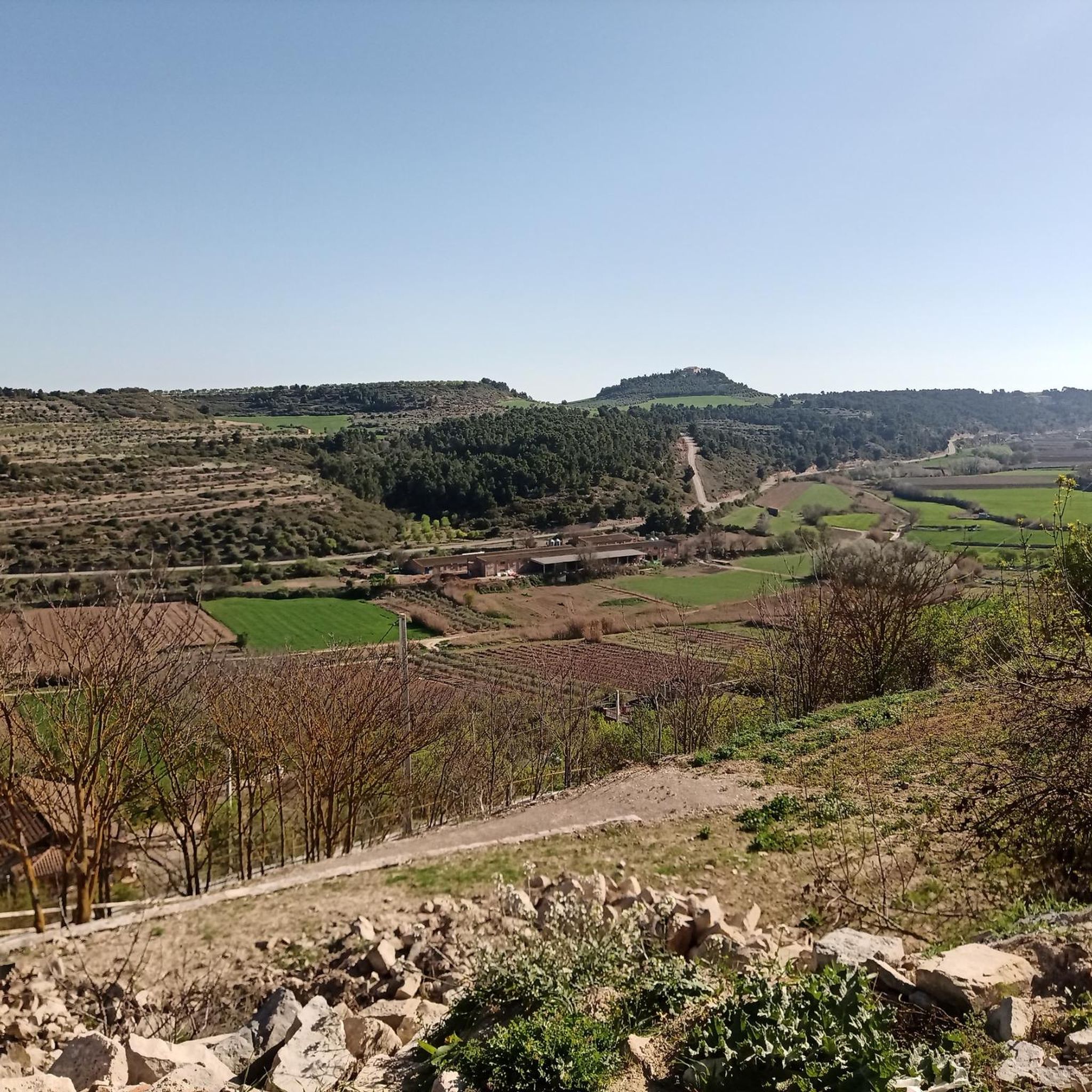
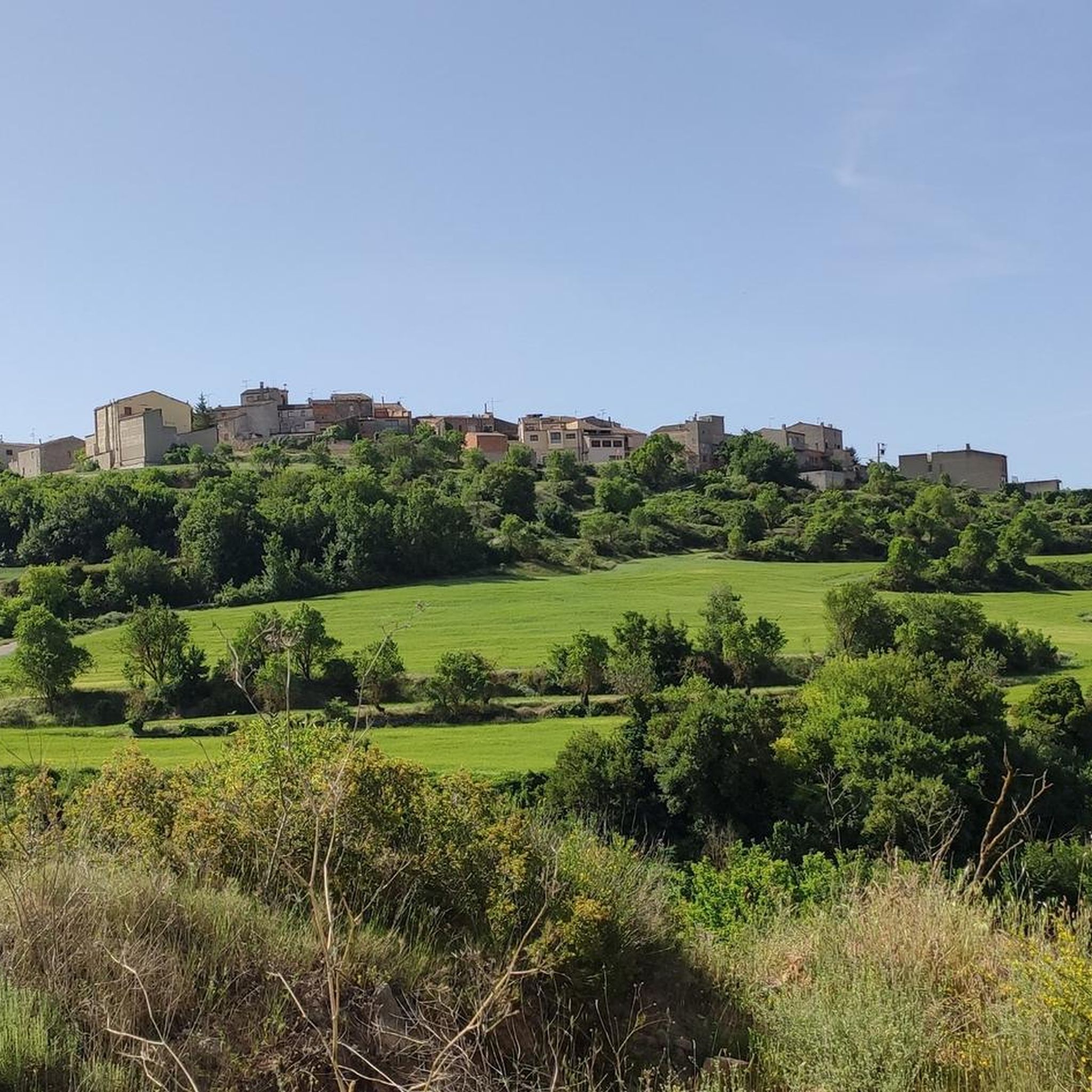
town with medieval charm to reach or from which to depart on the multiple routes, around "la Vall del Corb". Climatic refuge between L'Urgell and La Segarra and from there you can connect with Conca de Barberá
0
0

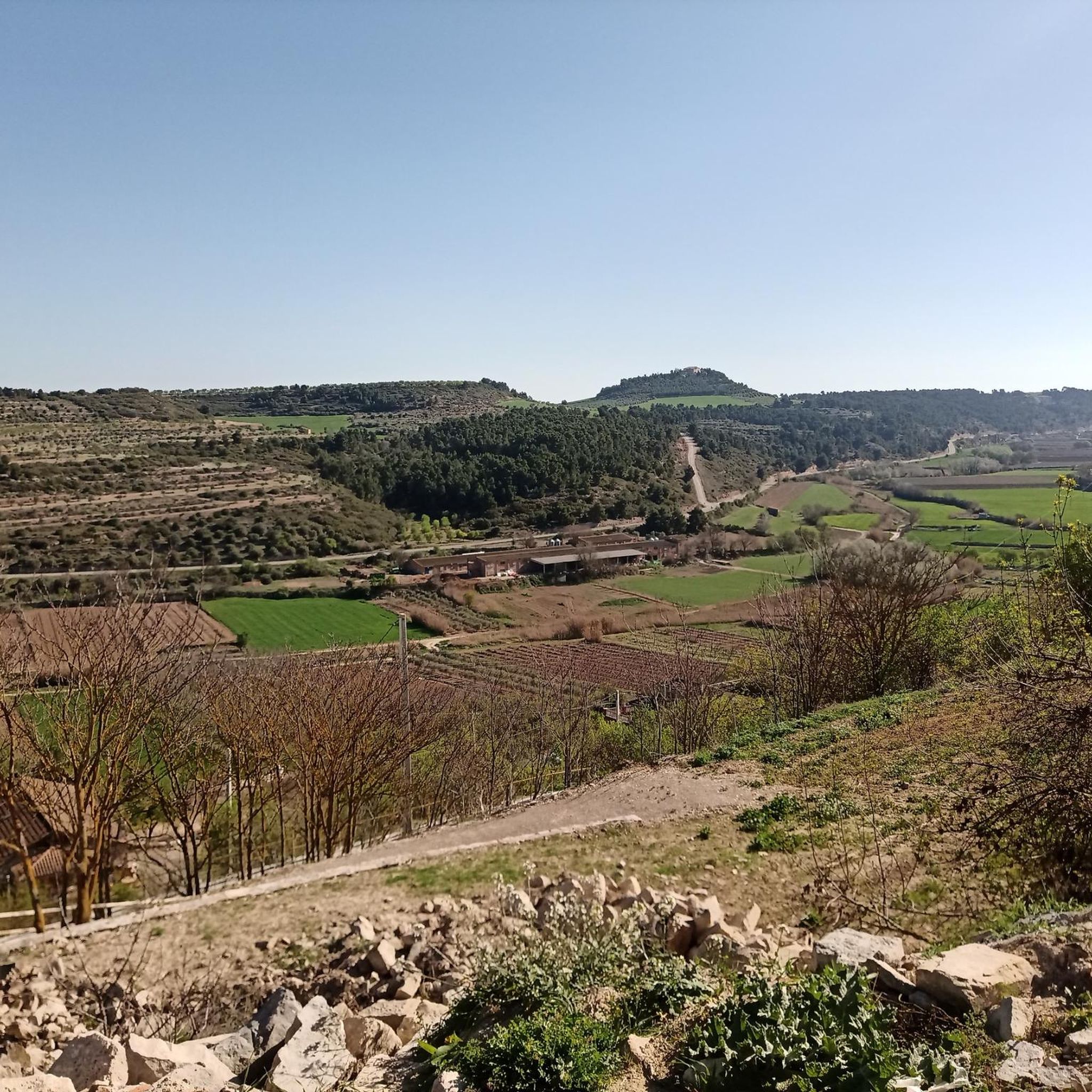
Beautiful medieval monastery from the Cistercian era, still inhabited by nuns.
0
0

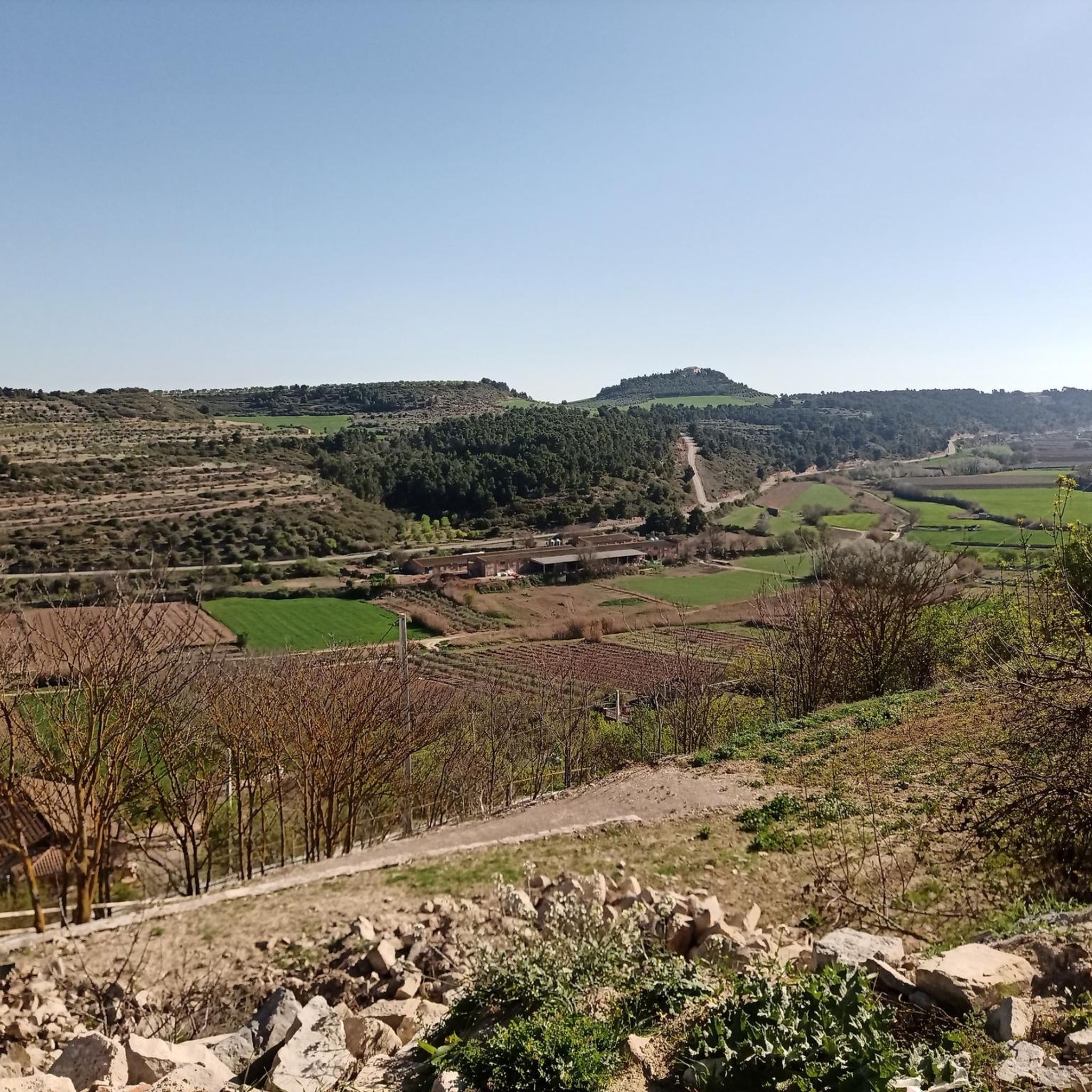
Tàrrega is the capital of the Urgel region and has historically been a point of great interest since the construction of its castle and medieval Arab walls. In its old town, the church of Santa María de l'Alba, from the 17th century, and other buildings of heritage interest stand out. Its proximity to numerous communication routes makes it an ideal service center for travelers.
0
0

The monastery of Santa María de Vallbona is a female Cistercian abbey founded in the 11th century and built in a mixture of Romanesque and Gothic styles. Together with the Poblet and Santes Creus monasteries, it forms the Cistercian Route.
0
0

The Tallat sanctuary appears in records as early as the 11th century, where a defense tower was located that took advantage of the magnificent views over the l'Urgell, Sagarra and Conca de Barberà regions. In the middle of the 14th century, a church was established as a result of the popular initiative of the residents of Rocallaura, and in 1475 it is said that a wooden carving of a Virgin Mary appeared to a shepherd. Legend has it that despite repeated attempts to move the carving, it returned to the place where the sanctuary is now, so they decided to leave it here. Then began a period of splendor for the sanctuary, with numerous reforms during the 15th and 16th centuries, some promoted by Fernando el Católico himself, who is said to have spent the night with Queen Isabella la Católica in 1493. By order of the king, it became in the priory of nearby Poblet, and a group of monks from the Cistercian order settled there. With the confiscation of Mendizabal in the first half of the 19th century, the monks abandoned the priory, and after the subsequent looting and destruction of the enclosure, the sanctuary remained abandoned until 1970 when a private association acquired the remains and took charge of their restoration and custody.
1
0
The monastery of Santa María de Vallbona is the most important female Cistercian monastery in Catalonia. It has maintained its monastic activity uninterruptedly for more than 800 years. Its beginnings, at the beginning of the 12th century, were as a mixed group of hermits who followed the Rule of Sant Benet, later converted into monastics, under the pastoral staff of its founder, Ramón de Vallbona. In 1175 the monks moved to Montsant, leaving the female monastic community in Vallbona, which joined the Cistercian order. The monastery is made up of the temple, presided over by the Mare de Déu del cor, in the usual sober and slightly ornamented style of the order, and by the trapezoidal-shaped cloister, and the other dependencies (chapter house, the archive and the old pharmacy).
1
0

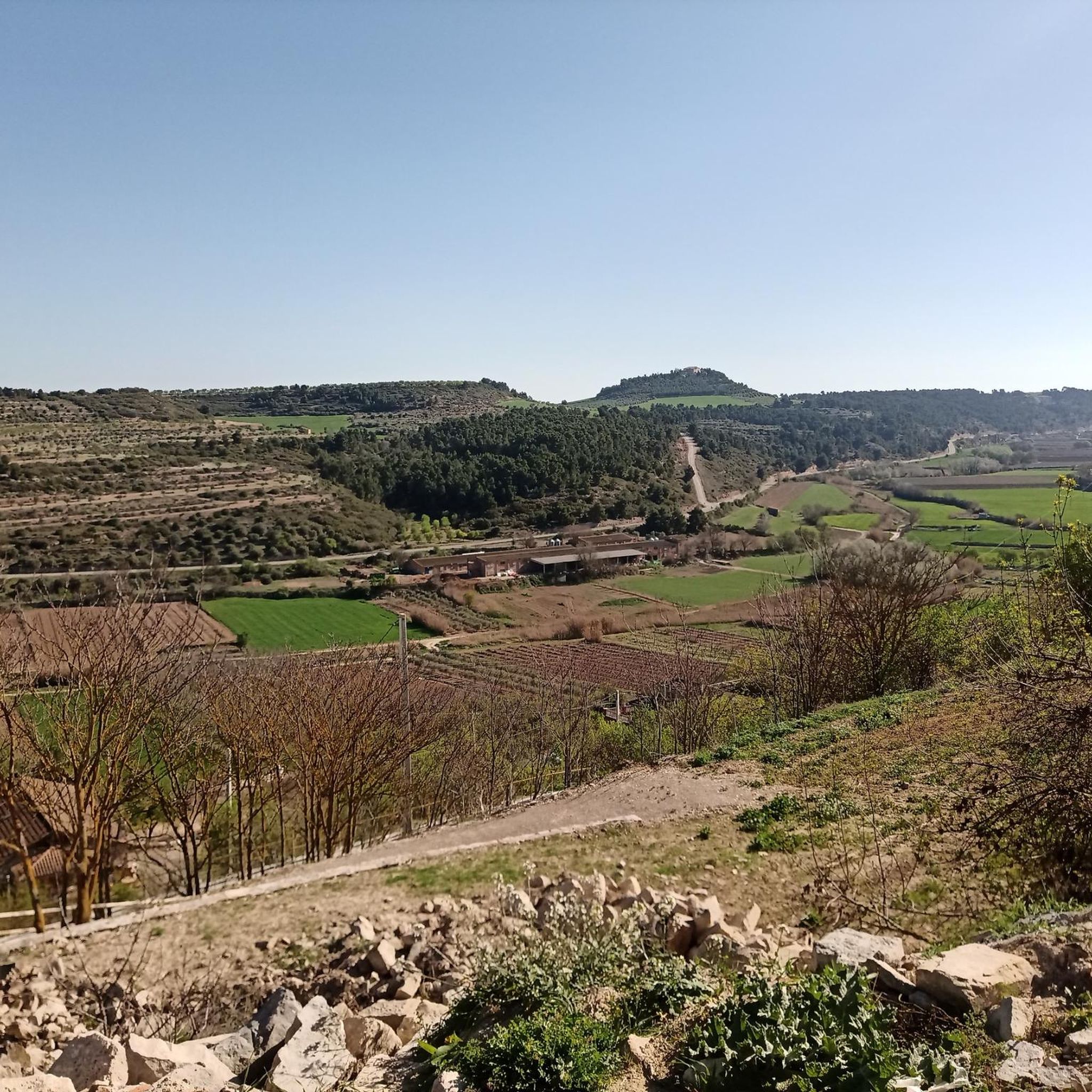
All the paths are very wide and not very rocky.
0
0
Frequently Asked Questions
What historical sites can I visit near Nalec?
The area around Nalec is rich in history. You can explore the Historic Center of Tàrrega, which features the 17th-century Church of Santa María de l'Alba and remnants of its historical castle and medieval Arab walls. Another significant site is the Santuario del Tallat, a Gothic sanctuary from the 13th century with a history tied to the Civil War, located atop a 788-meter-high hill.
Are there any significant religious buildings in the area?
Yes, the region is home to several important religious sites. The most prominent is the Monastery of Santa María de Vallbona, a female Cistercian abbey founded in the 11th century, showcasing a blend of Romanesque and Gothic styles. It has maintained continuous monastic activity for over 800 years. You can also visit the Church of Sant Martí de Maldà, a 16th-17th century Baroque-style religious building.
Can I explore medieval villages around Nalec?
Absolutely. The village of Guimerà is particularly renowned for its medieval charm, offering a picturesque setting with narrow streets climbing up the mountain in the "Vall del Corb." It's an excellent example of the historical settlements in the area.
What is the Cistercian Route and are there parts of it near Nalec?
The Cistercian Route is a cultural itinerary connecting three major Cistercian monasteries in Catalonia. The Monastery of Santa María de Vallbona, located near Nalec, is a key part of this route, alongside the Poblet and Santes Creus monasteries. It offers a deep dive into medieval monastic life and architecture.
What outdoor activities can I do near Nalec's attractions?
The area around Nalec is great for cycling. You can find various routes for different types of bikes. For example, there are challenging touring bicycle routes like the "Guimerà – Guimerà Historic Village loop from Sant Martí de Maldà" (54.6 km) or gravel biking options such as the "Verdú Castle – Verdú Historic Center loop from Verdú" (29.1 km). Road cycling enthusiasts can enjoy routes like the "Guimerà Historic Village – Church of Sant Martí de Maldà loop from Maldà" (74.4 km). You can find more details on these and other routes on the cycling, gravel biking, and road cycling guide pages.
Are there good viewpoints to enjoy the landscape?
Yes, the Santuario del Tallat, situated on a 788-meter-high hill, offers magnificent views over the l'Urgell, Sagarra, and Conca de Barberà regions. The medieval village of Guimerà, perched on a hillside, also provides picturesque vistas of the Riu Corb valley.
Are there family-friendly attractions around Nalec?
Many of the historical and cultural sites are suitable for families. The Monastery of Santa María de Vallbona and the Historic Center of Tàrrega are categorized as family-friendly, offering educational and engaging experiences for all ages as you explore their rich history and architecture.
Are any attractions wheelchair accessible?
Yes, the Church of Sant Martí de Maldà is noted as being wheelchair accessible. Its location in the main square of Sant Martí de Maldà and the wide, less rocky paths in the vicinity make it a more accessible option for visitors.
What is the best time to visit the attractions around Nalec?
While specific seasonal advice isn't provided, the region's historical sites and medieval villages can generally be enjoyed year-round. For outdoor activities like cycling, spring and autumn typically offer the most pleasant weather with milder temperatures, ideal for exploring the landscape and historical sites comfortably.
What do visitors appreciate most about the attractions near Nalec?
Visitors particularly enjoy the blend of Romanesque and Gothic architectural styles, the continuous historical activity of sites like the Monastery of Santa María de Vallbona, and the picturesque, medieval charm of villages such as Guimerà. The historical significance and the tranquil atmosphere of these sites are frequently highlighted.
What is the significance of Tàrrega in the region?
Tàrrega serves as the capital of the Urgell region and has historically been a point of great interest due to its castle and medieval Arab walls. Its Historic Center, with the 17th-century Church of Santa María de l'Alba and other heritage buildings, stands out. Its strategic location near communication routes makes it an important service center for travelers.
Most popular attractions around Nalec

Get inspired with the komoot mobile app


Explore more
Still not found the Highlight you’re looking for? See guides of the top attractions in other regions:
