Attractions and Places To See around Aguilar Del Río Alhama - Top 20
Attractions and places to see around Aguilar Del Río Alhama are found within a low-altitude mountainous area, nestled in the foothills of the Iberian System. The region is shaped by the Alhama River Valley and bordered by the Sierra de Alcarama, offering a scenic natural backdrop. This area is rich in historical and cultural significance, featuring ancient Celtiberian settlements and medieval remnants. Visitors can explore a blend of archaeological sites, unique geological formations, and panoramic viewpoints.
Best attractions and places…
Last updated: July 7, 2026
Peña del Tío Fresquito
Highlight • Viewpoint
Translated by Google •
Tip by

Church of San Miguel Arcángel of Ágreda
Highlight • Religious Site
Of the latter, the Romanesque temples of San Miguel …
Translated by Google •
Tip by

Sign up now to discover places like this
Get recommendations on the best single tracks, peaks, & plenty of other exciting outdoor places.
Sign up for free
Celtiberian Archaeological Site of Contrebia Leucade
Highlight • Historical Site
The pelendones, a Celtiberian people, settled in Contrebia Leukade in the Iron …
Translated by Google •
Tip by

Church of Nuestra Señora de la Blanca, Montenegro de Ágreda
Highlight • Religious Site
Translated by Google •
Tip by
Pozo de las Truchas Waterfall
Highlight • Waterfall
Translated by Google •
Tip by
Sign up for free to discover even more attractions around Aguilar Del Río Alhama.
Sign up for free
Already have an account?
Start today with a free account
Your next adventure awaits.
Login or Signup
Tips from the Community

Montenegro de Ágreda is a town belonging to the municipality of Matalebreras, in the province of Soria, region of Moncayo, in the community of Castilla y León. It stands out for the church of Nuestra Señora de la Blanca, a proto-Gothic fortified church from the 13th century that took advantage of the structure of an old Berber tower in its construction.
0
0

In Montenegro de Ágreda, the ancient fortified church of Nuestra Señora de la Blanca remains standing, built at the end of the 12th century, attached to a Berber defensive tower, from the 10th century. Another jewel of the Romanesque style that spread throughout the medieval border lands .
1
0
Ágreda lies at the foot of Moncayo and enjoys an enormous historical heritage of cultures: Celtiberian, Roman, Muslim, Jewish and Christian. Of the latter, the Romanesque temples of San Miguel Arcángel, Virgen de la Peña and San Juan Bautista stand out especially.
2
0

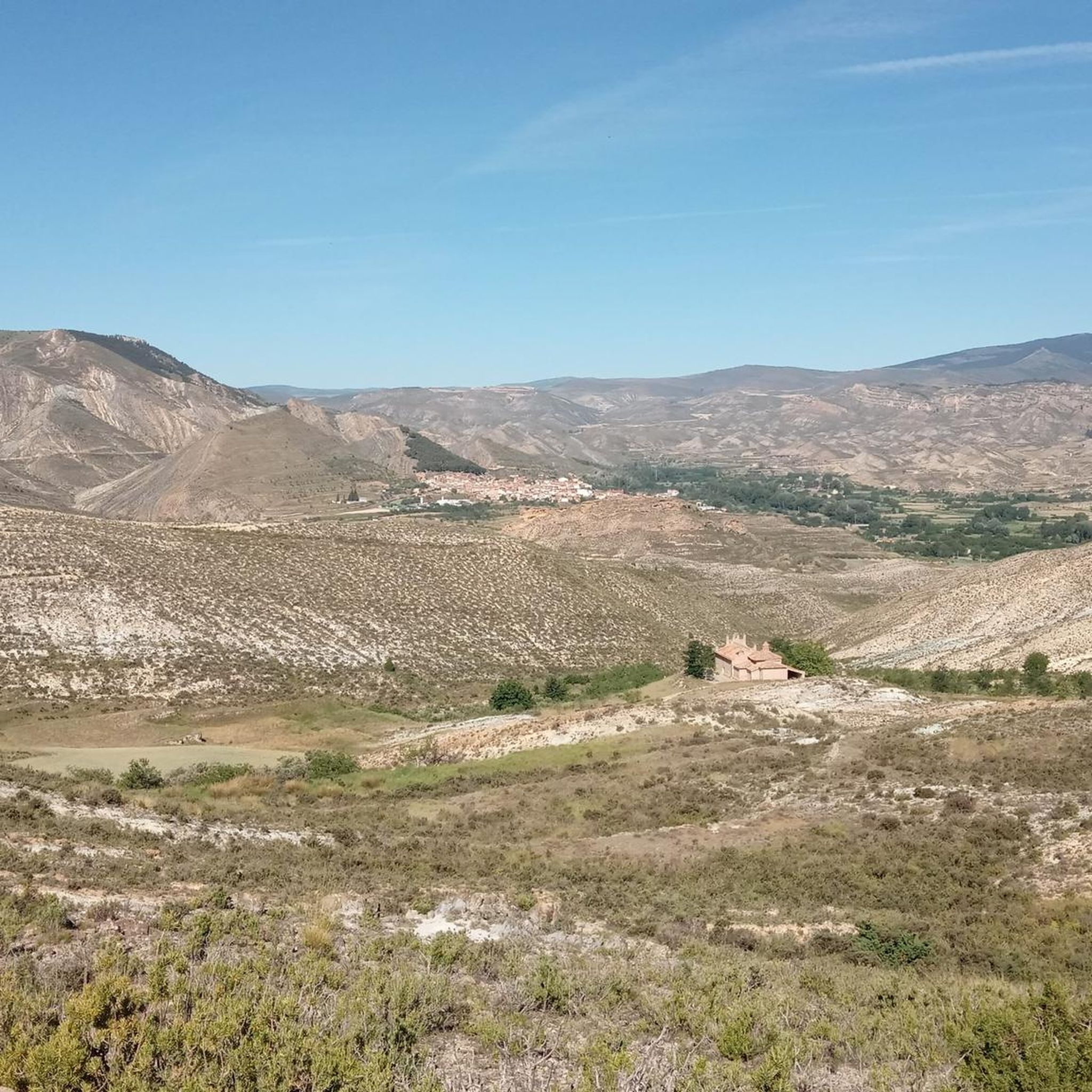
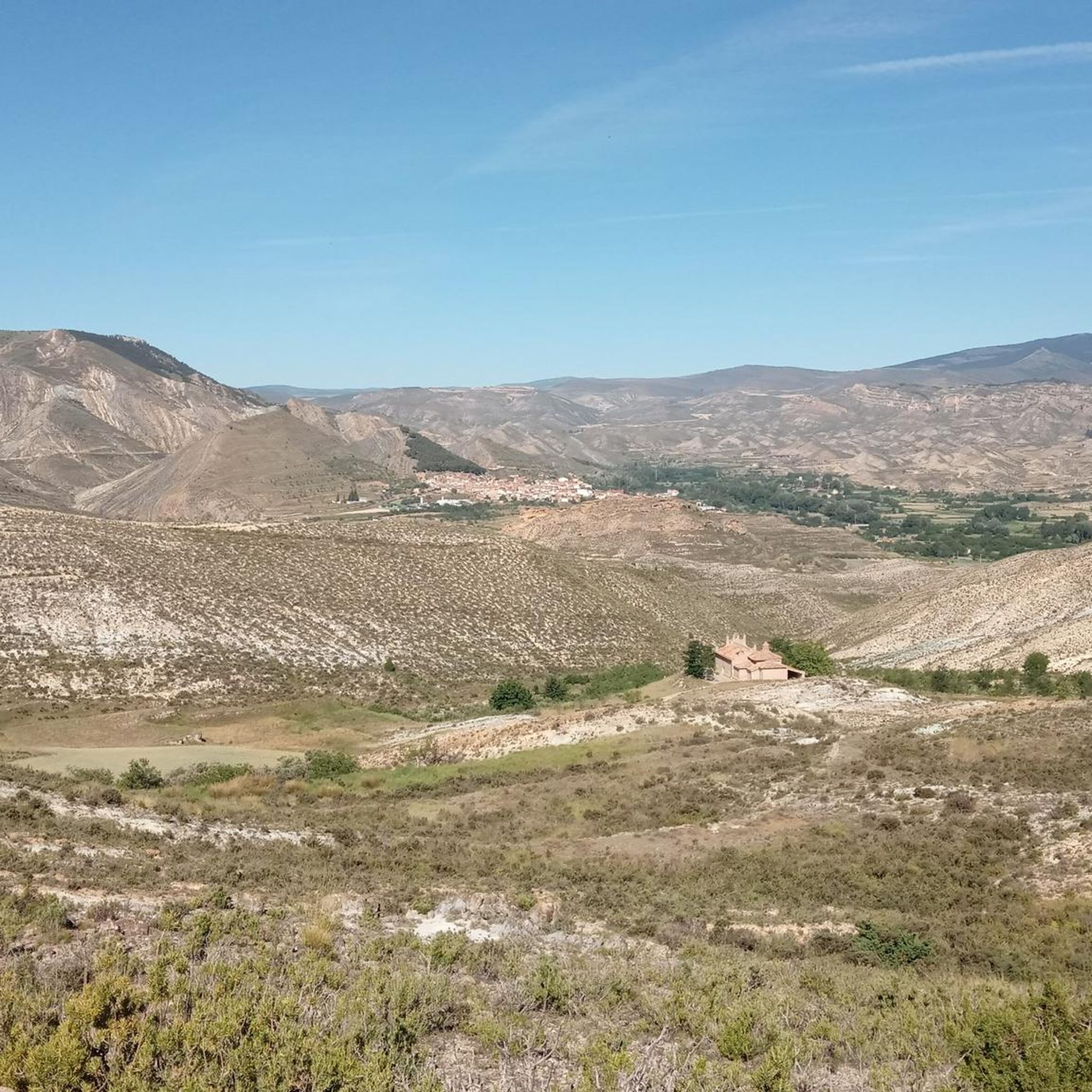
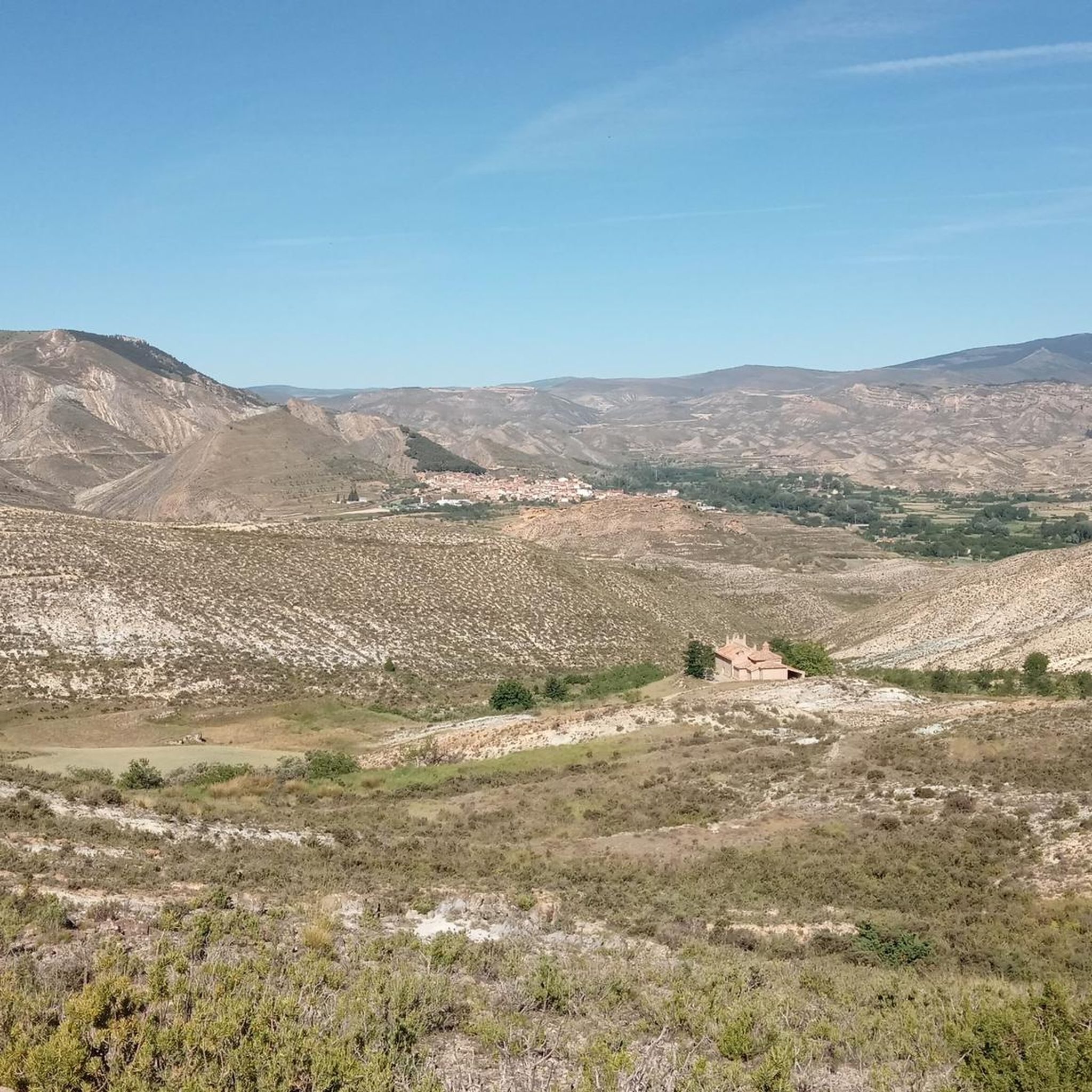
Running along the bottom of the Val ravine, we come across a sign that indicates the detour to the Peña del Tío Fresquito, which we will access by a small staircase and a subsequent climb. If we can do it, it is worth it for the good views it offers us of the Val valley.
1
0
Walking along the bottom of the Val ravine, we come across a sign that indicates the detour to the Peña del Tío Fresquito, which we will access by a small staircase and a subsequent climb. If we can do it, it is worth it for the good views it offers us of the Val valley.
1
0

Remains of the oldest population settlements in La Rioja, located on the right bank of the Alhama river. The pelendones, a Celtiberian people, settled in Contrebia Leukade in the Iron Age and built a fortification, urbanizing the land and building their houses carved into the rock. Later, during the second half of the 4th century B.C. Different tribes arrived that expanded the town and reinforced it with a deep ditch dug into the rock and a wall that surrounded the entire city. This spectacular archaeological site can be toured with a guided tour. It is mandatory to book by phone (941 19 71 19) or by email (contrebialeucade@gmail.com).
2
0

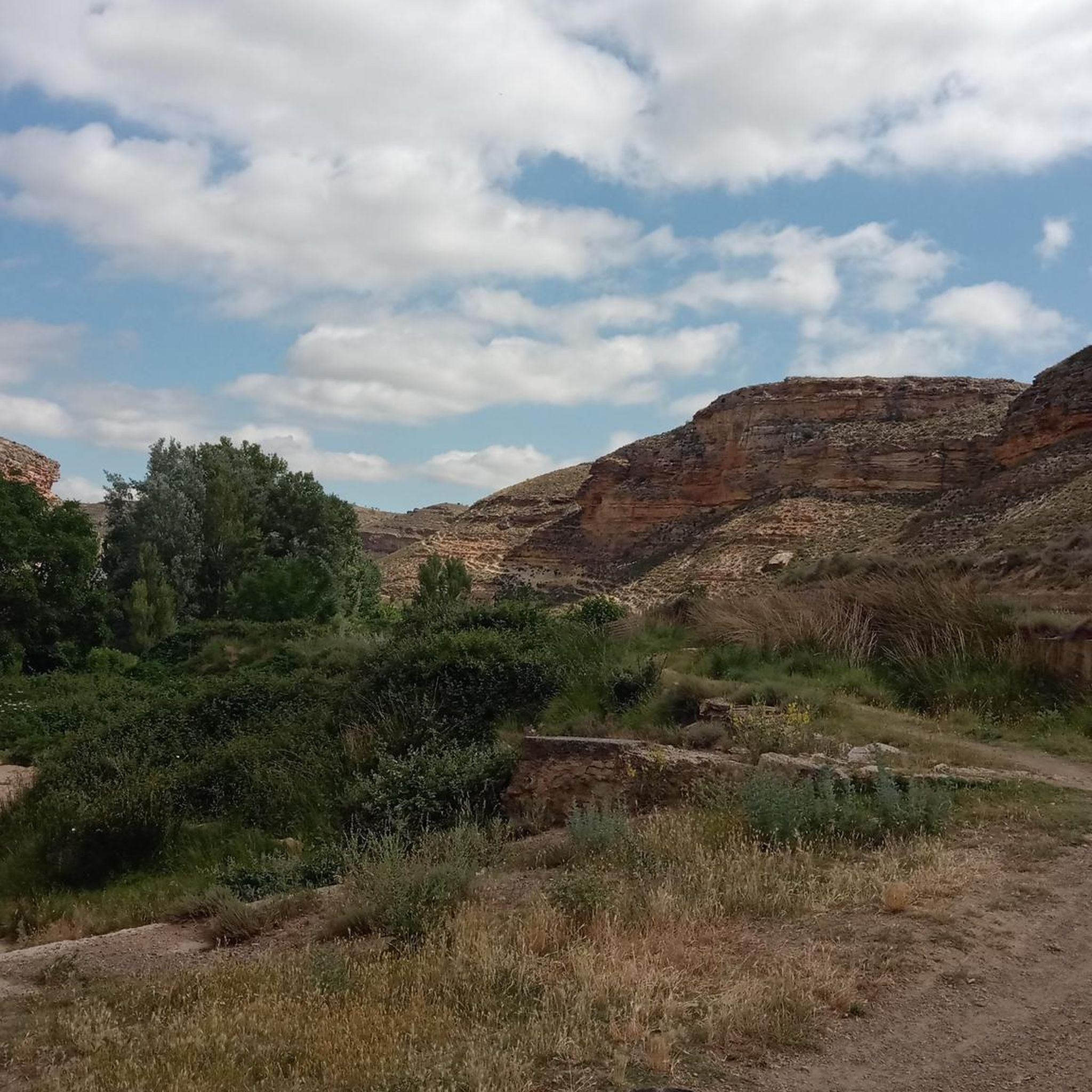
Surprising Celtiberian site with a narrow but comfortable route (recommended to go with long pants and water). A guided visit lasts approximately two hours and for the same ticket price you can see the interpretation center.
0
0
Surprising Celtiberian site with a narrow but comfortable route (recommended to go with long pants and water). A guided visit lasts approximately two hours and for the same ticket price you can see the interpretation center.
1
0
Frequently Asked Questions
What historical sites can I explore in Aguilar Del Río Alhama?
The region is rich in history. You can visit the Celtiberian Archaeological Site of Contrebia Leucade, which showcases remains from the end of the second millennium BC, including a Celtiberian fortress and rock-hewn houses. Other notable historical sites include the remnants of the 12th-century Castillo roquero de Aguilar del Río Alhama and the impressive 16th-century Church of La Asunción.
Where can I see unique natural formations in the area?
A must-see natural monument is Las Roscas, a unique conglomerate rock formation sculpted by centuries of erosion into a picturesque landscape. The region also features the striking Alhama River Valley and the Sierra de Alcarama, offering scenic natural backdrops.
Are there good places for birdwatching around Aguilar Del Río Alhama?
Yes, the thermal currents in the area create an ideal environment for birdwatching. You might spot griffon vultures, golden eagles, Bonelli's eagles, and falcons. The Balsa de la Dehesa is a particularly good natural space for birdwatching and enjoying nature.
What outdoor activities, like cycling or mountain biking, are available?
The area offers various cycling and mountain biking opportunities. For cycling, you can explore routes like the 'Valdemadera and Alhama Greenway Loop' or 'El Val Reservoir – Ágreda Historic Center loop'. Mountain bikers might enjoy trails such as 'Cañón del Val, Los Fayos y Vozmediano – circular desde Ágreda' or 'Yacimiento Celtibérico, Castillo de Cervera – circular por GR93'. You can find more details on these and other routes on the Cycling around Aguilar Del Río Alhama and MTB Trails around Aguilar Del Río Alhama guide pages.
Are there any family-friendly attractions or activities?
Families can enjoy exploring the Celtiberian Archaeological Site of Contrebia Leucade, though a guided tour is required. The region is also known for its dinosaur footprints, with the 'Virgen del Prado' paleontological site in Inestrillas offering a fascinating glimpse into ancient life. The Balsa de la Dehesa provides a relaxing natural space for picnics and leisurely strolls suitable for all ages.
Where can I find panoramic views of the landscape?
For expansive vistas, head to Peña del Tío Fresquito, which offers good views of the Val valley after a short climb. Ascending Monegro Mountain, covered by an extensive holm oak grove, also rewards visitors with panoramic views of the surrounding landscape.
What is the best time of year to visit Aguilar Del Río Alhama for outdoor activities?
The region's low-altitude mountainous setting makes it pleasant for outdoor activities during spring and autumn when temperatures are milder. These seasons are ideal for hiking, cycling, and exploring historical sites without the intense heat of summer or the chill of winter.
Can I see dinosaur footprints in the region?
Yes, the region is renowned for its ichnite sites. The 'Virgen del Prado' paleontological site in Inestrillas, a district of Aguilar, contains some of the oldest dinosaur footprints in the Cameros basin, estimated to be around 140 million years old.
What is the significance of the Celtiberian Archaeological Site of Contrebia Leucade?
The Celtiberian Archaeological Site of Contrebia Leucade is a paramount historical site in La Rioja. It showcases remains from the end of the second millennium BC, including a Celtiberian fortress, rock-hewn houses, and evidence of Roman occupation. It provides deep insight into the daily life, customs, and military aspects of the Celtiberian civilization. A guided tour is required to explore the archaeological site itself.
Are there any easy walking paths for a relaxed stroll?
Yes, the Green Path of the Alhama River (Camino Verde del Río Alhama) offers a pleasant route for walks, allowing you to enjoy the tranquility of nature. The Balsa de la Dehesa also provides easy paths perfect for leisurely strolls.
What cultural landmarks are there besides archaeological sites?
Beyond the archaeological sites, you can visit the Church of La Asunción, an impressive 16th-century ashlar stone church with Neoclassical and Baroque altarpieces. The Hermitage of Santa María de La Antigua (or La Valvanera), dating back to the 12th century, is another significant cultural landmark, located in the abandoned village of Gutur.
Where can I enjoy a peaceful natural setting for relaxation or a picnic?
The Balsa de la Dehesa is an excellent natural space for relaxation, birdwatching, leisurely strolls, or enjoying a picnic amidst peaceful surroundings.
Most popular routes around Aguilar Del Río Alhama
Most popular attractions around Aguilar Del Río Alhama

Get inspired with the komoot mobile app


Explore more
Still not found the Highlight you’re looking for? See guides of the top attractions in other regions:
