Attractions and Places To See around Serra De Daró - Top 20
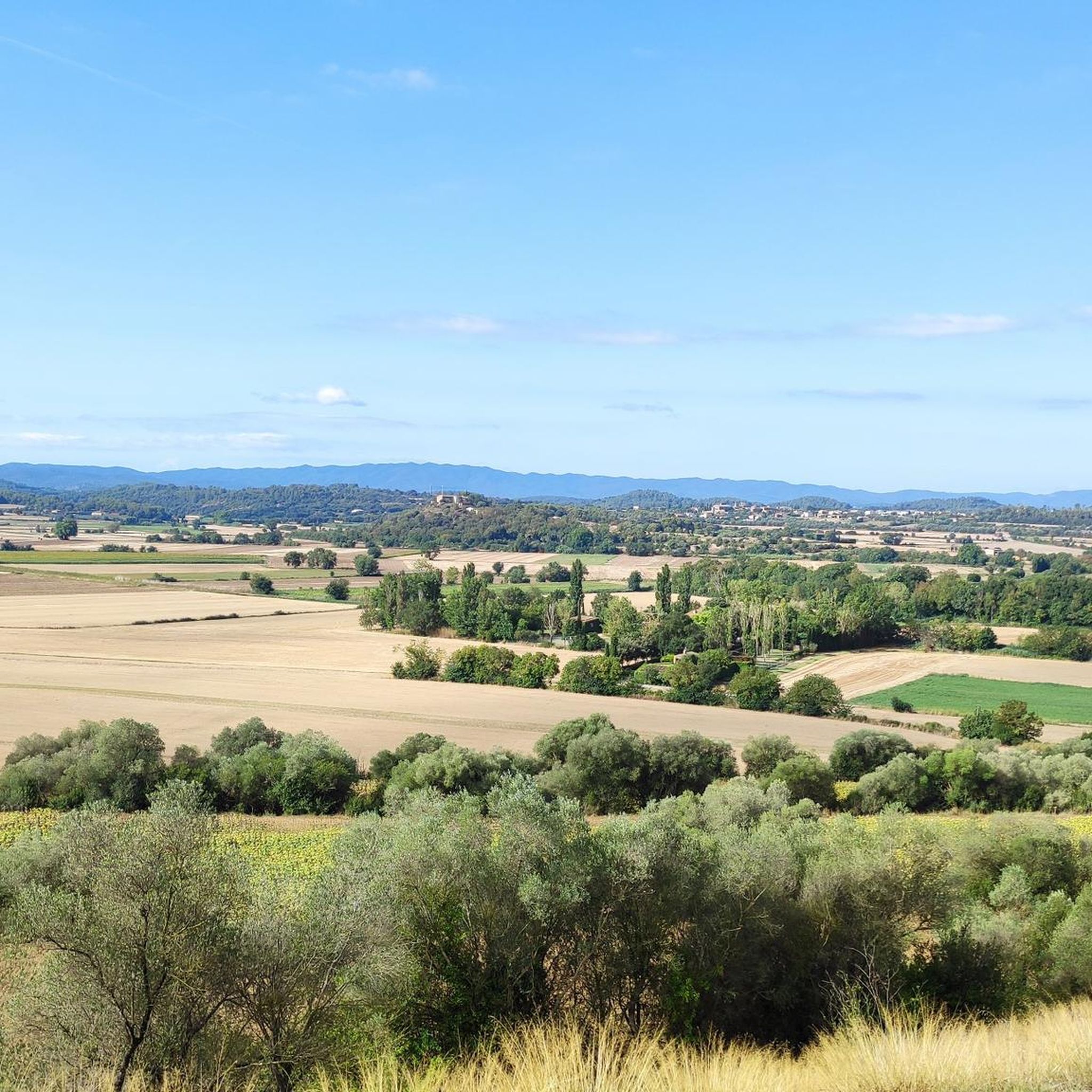
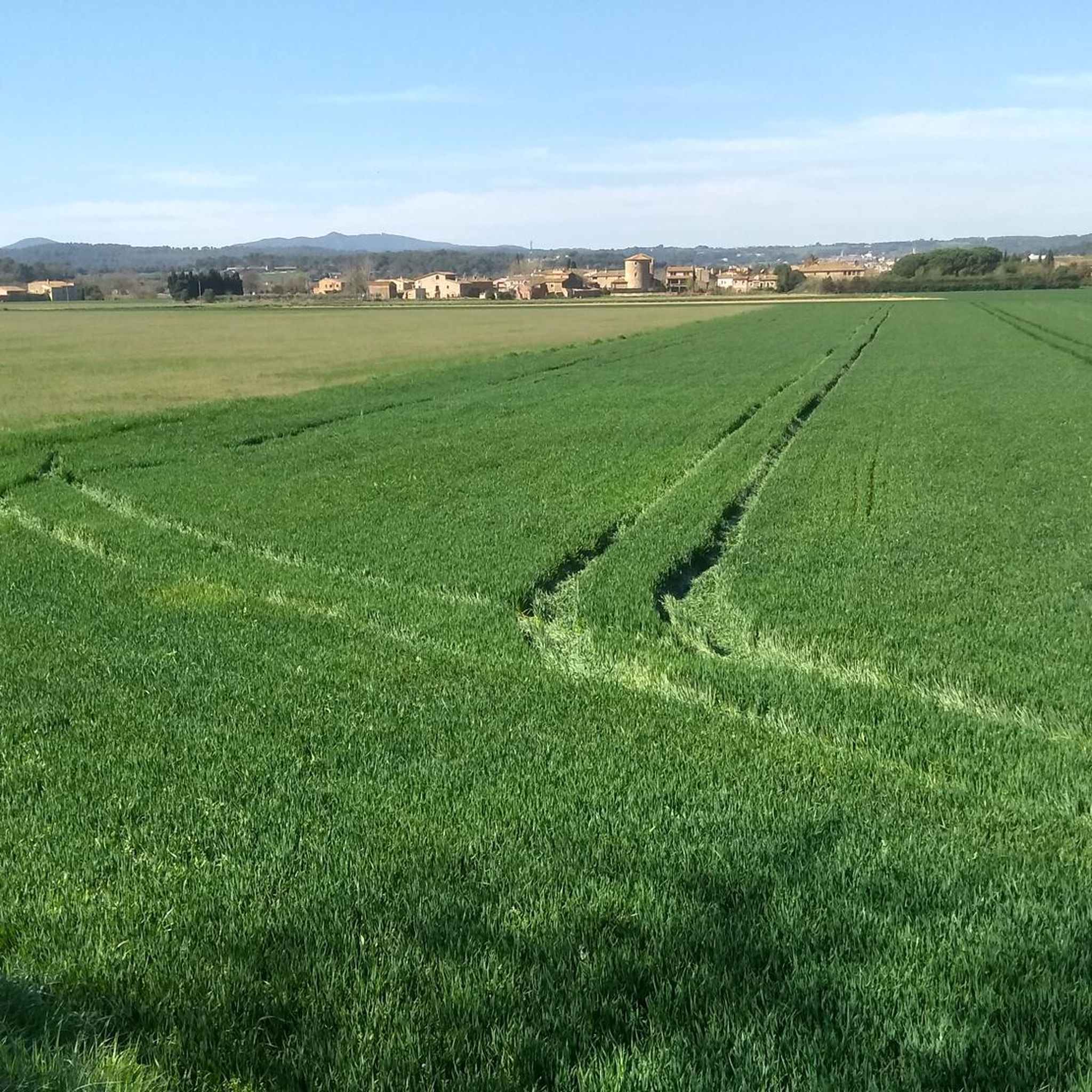
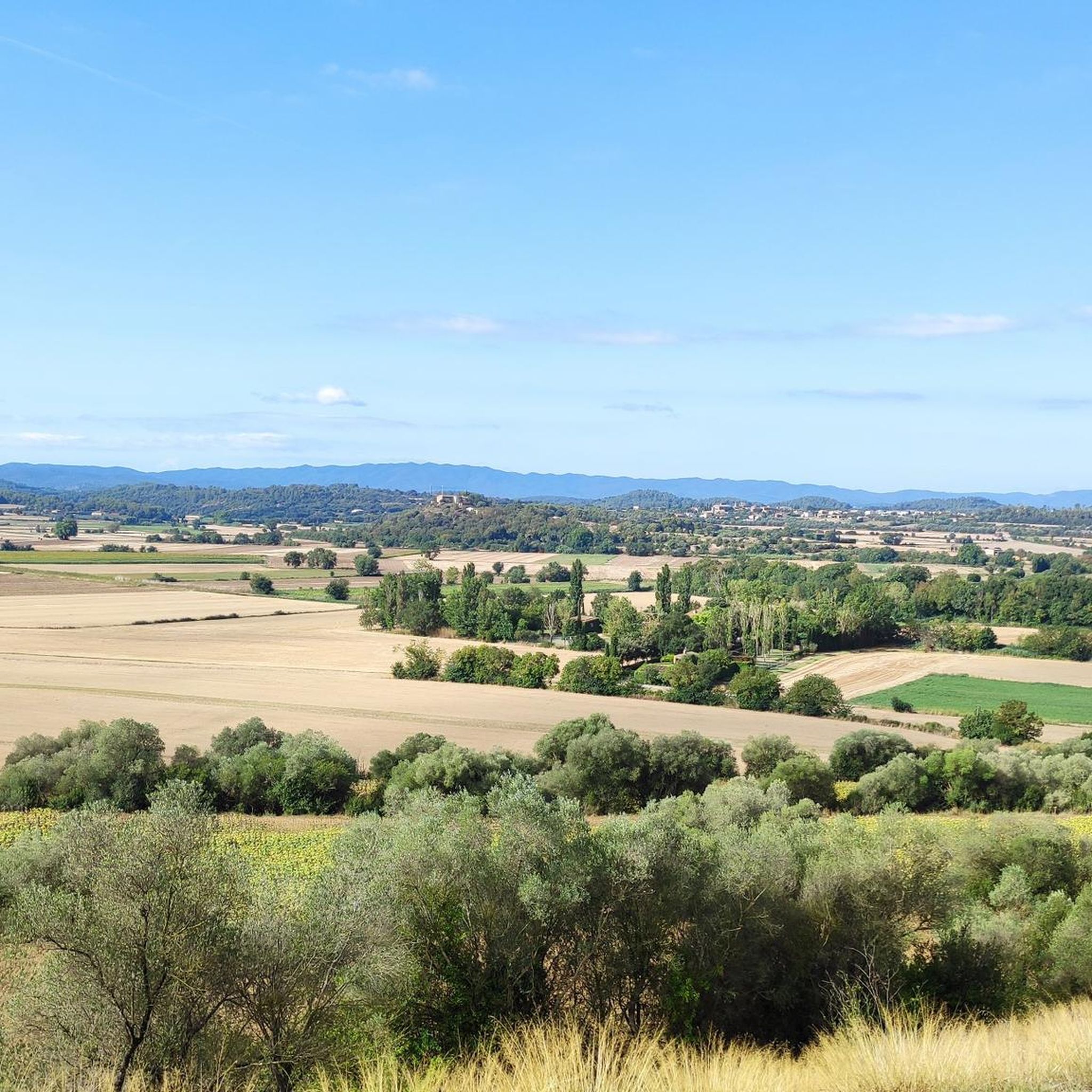
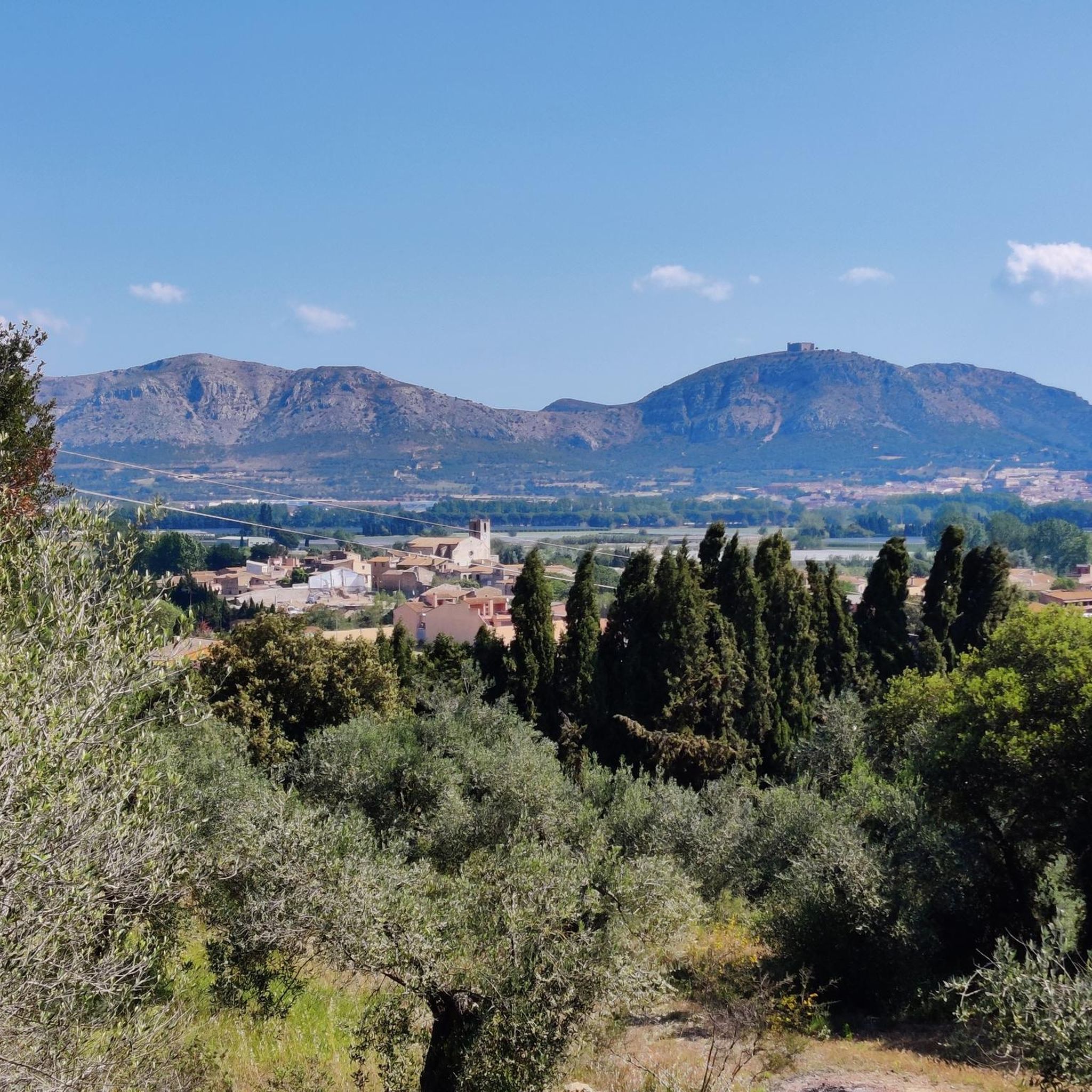
Best attractions and places to see around Serra De Daró include historical sites and natural features within the Baix Empordà region of Girona. This municipality is situated between the Ter River and the plains of the Daró River, offering a landscape of flat terrain, crops, and low hills. The area provides insights into Catalan history, with remnants of medieval structures and an ancient Roman road. Serra De Daró is a tranquil destination for exploring historical landmarks and natural surroundings.
Best…
Last updated: July 6, 2026
Montgrí Castle
Highlight • Castle
Translated by Google •
Tip by

Gualta Bridge
Highlight • Bridge
It has …
Translated by Google •
Tip by

Sign up now to discover places like this
Get recommendations on the best single tracks, peaks, & plenty of other exciting outdoor places.
Sign up for free
Santa Pellaia Pass
Highlight (Segment) • Mountain Pass
Tip by

Monells — Medieval village
Highlight • Historical Site
Tip by

Peratallada — Historic Village
Highlight • Historical Site
The original constructions of Peratallada …
Translated by Google •
Tip by
Sign up for free to discover even more attractions around Serra De Daró.
Sign up for free
Already have an account?
Start today with a free account
Your next adventure awaits.
Login or Signup

Tips from the Community

Perfect climb, suitable for everyone!
0
0

With nice restaurants and bars
1
1

Very nice favorite for this little pass through a pine forest. A real must!
0
0

Wonderful medieval city out of the bitten paths. Nice cage on main market.
0
0

We made a route through this area, Peratallada is a picturesque medieval town located in the Bajo Ampurdán region, in the province of Girona, Catalonia. Its name means "carved stone", referring to the stone used in its construction. Without a doubt, it is the one we liked the most with the permission of the others The town is completely surrounded by walls and defense towers, and its historic core is made up of a set of cobbled streets and stone buildings dating from the 10th century. The church of Sant Esteve, built in the 13th century, is one of the most outstanding monuments of Peratallada. There you will find a terrace where they make good sandwiches. In addition, Peratallada has a wide gastronomic offer, with restaurants that offer typical dishes of the region, in our case it was only a breakfast.
2
0

Bike path along the Ter with its nature reserve.
4
0

In case of rain or humidity, you can take the footbridge and stop at the Gualta roundabout itself.
2
0

This small town in the Baix Empordà has been declared a Historic-Artistic Site and Cultural Asset of National Interest, due to its well-preserved medieval architecture. The original constructions of Peratallada are strongly marked by their fortified character. It had three wall enclosures (12th to 13th centuries), the main one being the one with the castle in its center. In addition, the outer enclosure was protected by a moat dug into the rock, with a depth of eight meters. Of the castle, the keep and the palace (11th to 14th centuries) stand out, with another important building being the church of Sant Esteve (13th century).
3
0
Frequently Asked Questions
What historical sites can I explore within Serra De Daró itself?
Within the municipality of Serra De Daró, you can visit the Church of Santa Maria, which features a 12th-century origin and a 17th-18th century bell tower. The charming village of Sant Iscle d'Empordà, part of Serra De Daró, offers remnants of a 13th-century castle and the Romanesque Church of Sant Acisclo and Santa Julita. Additionally, the area holds a medieval necropolis and vestiges of an Iberian necropolis at Puig de la Roqueta, showcasing its rich past.
Are there any well-preserved medieval villages near Serra De Daró?
Yes, the region boasts several well-preserved medieval villages. One notable example is Peratallada — Historic Village, declared a Historic-Artistic Site. It's renowned for its medieval architecture, including a keep, palace, and the church of Sant Esteve. Another charming option is Monells — Medieval village, known for its picturesque alleys and historic atmosphere.
What natural features can I discover around Serra De Daró?
Serra De Daró is nestled between the Ter River and the plains of the Daró River, offering tranquil natural surroundings. You can explore the Wildlife Natural Reserve of the Island of Canet, located near the path leading to the Ter River, which provides opportunities to observe local wildlife. The flat terrain, abundant crops, and low hills create a peaceful landscape ideal for enjoying nature.
Are there opportunities for cycling or gravel biking near Serra De Daró attractions?
Absolutely. The area around Serra De Daró is excellent for cycling and gravel biking. You can find various routes, such as the 'View of Pals – Pont de Gualta loop from Torroella de Montgrí' for gravel biking, or the 'Montgrí Gravel Trail – Platja de L'Escala loop from Ullà' for general cycling. For more options, explore the Gravel biking around Serra De Daró and Cycling around Serra De Daró guides.
What kind of historical architecture can I see in the area?
Beyond the medieval villages, the region features significant historical architecture. You can see the 16th-17th century Gualta Bridge with its five arches over the Daró River. Scattered throughout the area are traditional Catalan farmhouses, known as masias, dating from the 16th to 18th centuries, such as Mas Cebrià, Mas Serrallers, and Mas Sunyer, with the latter featuring a notable Renaissance-style ogival arch window.
Are there any hiking or running trails available near these attractions?
Yes, the region offers several trails for hiking and running. For instance, you can find routes like the 'Montgrí Castle – Montplà Summit loop from Torroella de Montgrí' or a 'Running loop from Gualta'. These trails allow you to explore the scenic landscapes and historical sites. For detailed routes, refer to the Running Trails around Serra De Daró guide.
What do visitors particularly enjoy about the attractions near Serra De Daró?
Visitors frequently praise the well-preserved medieval architecture and the sense of stepping back in time when exploring villages like Peratallada. The scenic views from elevated points, such as those near Santa Pellaia Pass, are also highly appreciated. Many enjoy the peaceful, low-traffic roads for cycling and the charming atmosphere of the smaller towns.
Can I find any ancient Roman history in the Serra De Daró area?
Yes, the historical significance of Serra De Daró extends to Roman times. An old Roman road, which once traversed the Baix Empordà region, passes directly through Serra De Daró. While specific ruins might be subtle, the presence of this ancient route highlights the area's long history as a passage and settlement.
Are there any family-friendly attractions or activities in the vicinity?
Many of the historical villages, such as Monells — Medieval village and Peratallada — Historic Village, are considered family-friendly due to their pedestrian-friendly streets and engaging historical settings. Exploring these villages offers an educational and enjoyable experience for all ages. The Gualta Bridge is also a pleasant, accessible historical site for families.
What is the terrain like for outdoor activities around Serra De Daró?
The terrain around Serra De Daró is generally flat, characterized by abundant crops and gentle, low hills. This makes it particularly inviting for activities like leisurely cycling, gravel biking, and running, offering a peaceful and less strenuous outdoor experience compared to more mountainous regions. The coastal breezes add to the pleasant atmosphere.
Are there any hidden gems or less-known spots worth visiting?
Beyond the more prominent attractions, the municipality's own historical sites like the medieval necropolis and the Iberian necropolis at Puig de la Roqueta offer a deeper dive into the region's past. Exploring the various traditional masias scattered across the landscape, such as Mas Sunyer with its unique Renaissance window, can also reveal charming, less-traveled points of interest.
Most popular routes around Serra De Daró
Most popular attractions around Serra De Daró

Get inspired with the komoot mobile app


Explore more
Still not found the Highlight you’re looking for? See guides of the top attractions in other regions:
