Attractions and Places To See around La Cueva De Roa - Top 14
Best attractions and places to see around La Cueva De Roa are situated in the Burgos province of Castile and León, Spain. This region is characterized by its location between the Riaza Canal and the Duero River, offering a blend of historical landmarks and natural features. The area is part of the Ribera del Duero wine region, known for its cultural significance. Visitors can explore a variety of sites reflecting the area's heritage and landscape.
Best attractions and places to…
Last updated: May 17, 2026
Haza and its castle
Highlight • Castle
This small walled town of the Ribera del Duero …
Translated by Google •
Tip by

Church of Nuestra Señora de la Asunción (Castrillo de Duero)
Highlight • Religious Site
Translated by Google •
Tip by

Sign up now to discover places like this
Get recommendations on the best single tracks, peaks, & plenty of other exciting outdoor places.
Sign up for free
Haza Walled Village
Highlight • Settlement
Translated by Google •
Tip by

Fuentecén
Highlight • Settlement
Translated by Google •
Tip by

Haza
Highlight • Settlement
Translated by Google •
Tip by
Sign up for free to discover even more attractions around La Cueva De Roa.
Sign up for free
Already have an account?
Start today with a free account
Your next adventure awaits.
Login or Signup
Popular around La Cueva De Roa
Tips from the Community


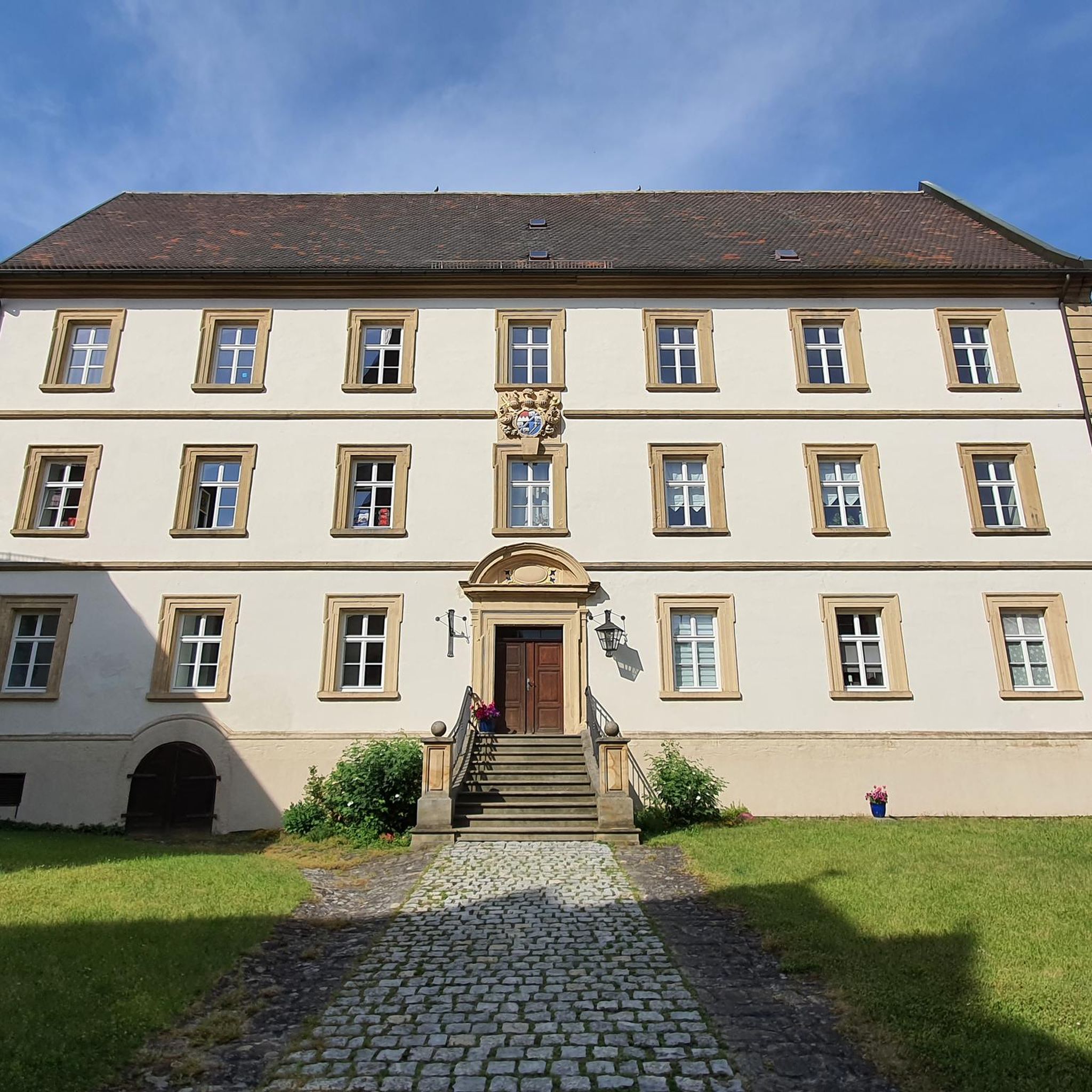
Town located in the Ribera de Duero. The most important point is the square where the Church of San Mamés Mártir is located. In Fuentecén there is also one of the 111 unique trees in the province of Burgos, called "Pino Redondo" for its perfect dome that it had until a few decades ago.
1
0

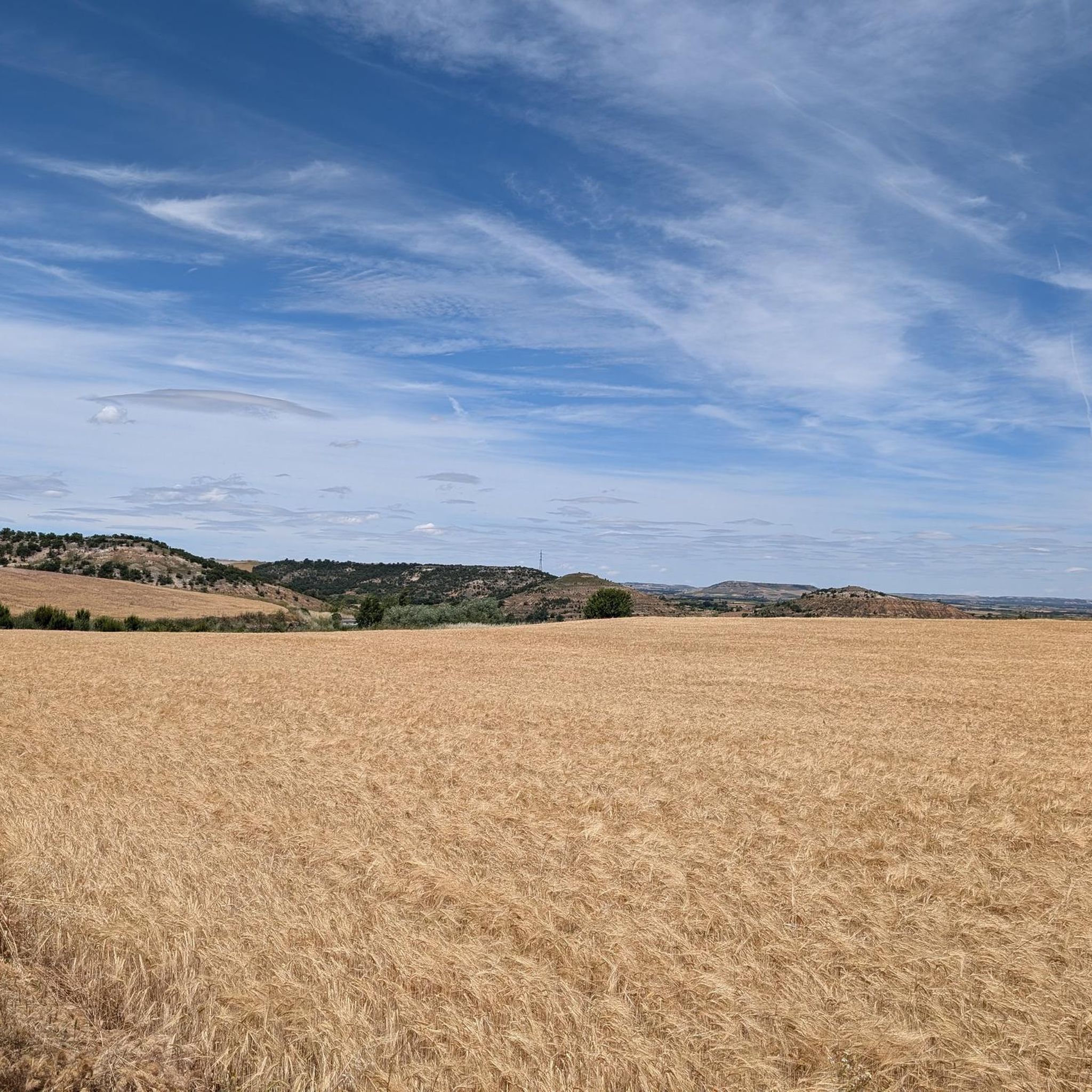
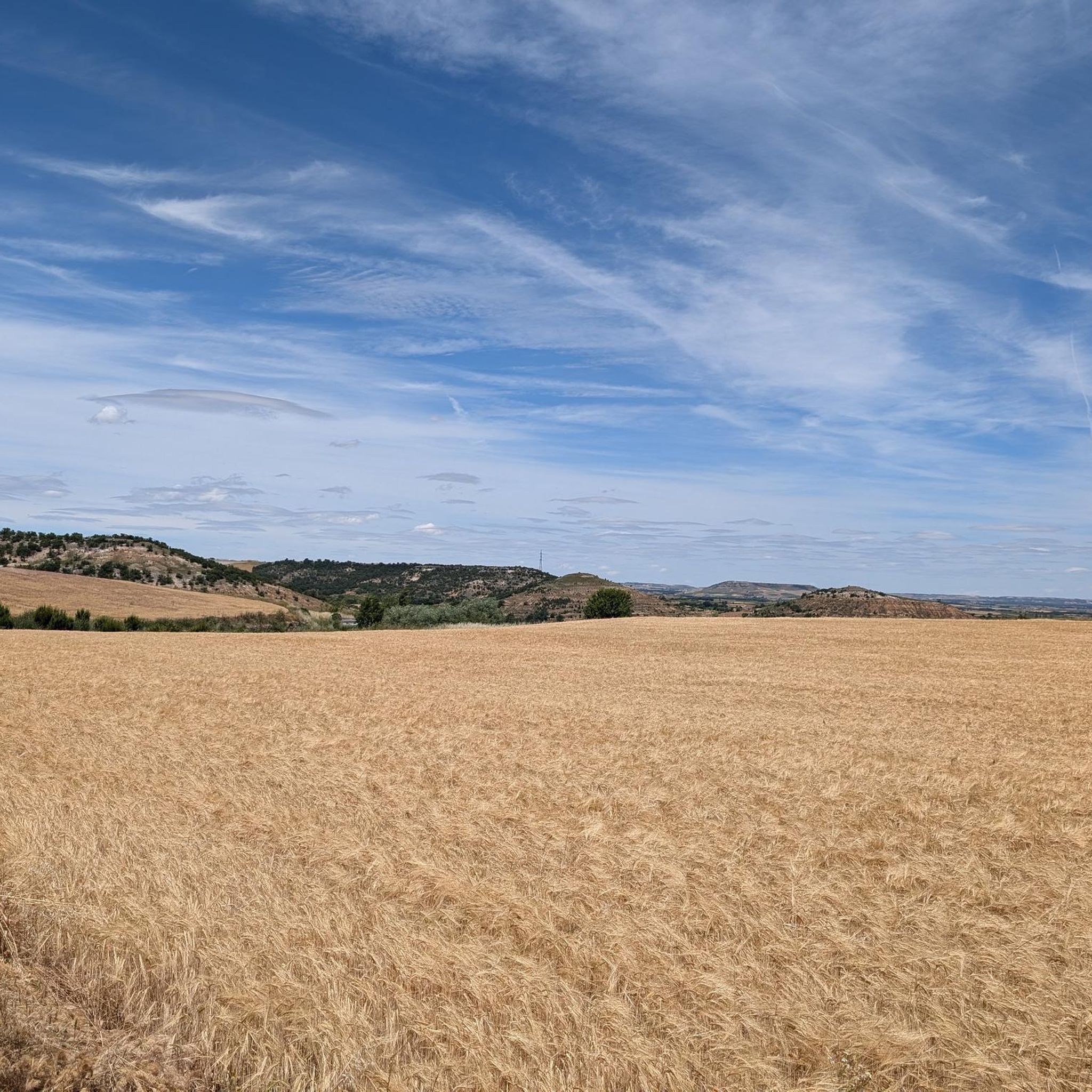
Haza, a small walled town on top of a hill, overlooks the Riaza plain. A perfect place to stop while mountain biking.
0
0

Catholic temple located at the top of the town of Castrillo de Duero. Built in the 12th century, only the Romanesque head is preserved, while the rest of the building is in the Baroque style. The rectangular on the outside and semicircular on the inside apse has two windows, and the three naves of the temple are separated by pillars with semicircular arches.
1
0

Located on top of a hill above the fertile plain of the Riaza, stands the small and historic town of Haza. This small walled town in the Ribera del Duero is located on the other side of the valley with impressive views.
0
0
Located on top of a hill above the fertile plain of the Riaza, stands the small and historic town of Haza. This small walled town of the Ribera del Duero acquired great prominence in the year 912, when it was repopulated by Count Gonzalo Fernández, in the time of King García I of León in full Christian advance.
1
0
Frequently Asked Questions
What historical sites can I explore around La Cueva De Roa?
The region is rich in history. You can visit Haza and its castle, a historic town that gained prominence in 912. Another significant site is Haza Walled Village, offering historical insights and views. Additionally, the Church of Nuestra Señora de la Asunción (Castrillo de Duero), built in the 12th century, preserves a Romanesque head and Baroque architecture.
Are there any notable religious buildings to visit?
Yes, the area features several religious sites. The Church of Nuestra Señora de la Asunción (Castrillo de Duero) is a 12th-century temple with Romanesque and Baroque elements. In La Cueva de Roa itself, you can find the 12th-century Iglesia Parroquial de Nuestra Señora de la Asunción and the Ermita de la Virgen de la Vega, which is surrounded by a recreational area perfect for picnics.
What natural features can I see near La Cueva De Roa?
La Cueva de Roa is situated between the Riaza Canal and the left bank of the Duero River, offering picturesque riverside scenery. The village lies directly on the banks of the Duero River. For a specific natural highlight, the Sendero de las Cañadas hiking trail follows a section of the Riaza Canal and includes a small waterfall.
What outdoor activities, like hiking or cycling, are available?
The region offers various outdoor activities. For hiking, consider the 10 km circular "Sendero de las Cañadas" trail starting in La Cueva de Roa, which follows the Riaza Canal. You can also find more hiking routes, such as "The Springs Trail" or "Landscapes of Castilla," by exploring the hiking guide for La Cueva De Roa. For road cycling, routes like the "Ribera del Duero Castles Loop" are available, detailed in the road cycling guide. Mountain biking enthusiasts can explore trails like "Road to Haza y Castillo de la Vega" in the MTB trails guide.
Are there any family-friendly activities or places to visit?
While specific family-friendly attractions are not detailed, the Ermita de la Virgen de la Vega offers a recreational area by the river, ideal for picnics and relaxation with family. The Sendero de las Cañadas, a 10 km circular hiking trail, could also be suitable for families who enjoy walking in nature, featuring a small waterfall along the Riaza Canal.
What is the best time of year to visit La Cueva De Roa for outdoor activities?
The Ribera del Duero region, including La Cueva de Roa, experiences warm summers and cool winters. For hiking and outdoor exploration, spring (April-June) and autumn (September-October) generally offer the most pleasant weather with mild temperatures and beautiful scenery, especially during the grape harvest season in the wine region.
Can I visit wineries or experience wine tourism in the area?
Yes, La Cueva de Roa is part of the prestigious Ribera del Duero wine region. The area offers numerous opportunities for wine tourism, including visits to local wineries and tastings. This is a significant cultural and economic aspect of the region.
What are some unique viewpoints or scenic spots?
The Haza Walled Village, situated on a hilltop overlooking the Riaza plain, provides impressive views of the surrounding landscape. Similarly, Haza itself, also on a hill, offers expansive vistas of the fertile plain of the Riaza.
What do visitors enjoy most about the attractions around La Cueva De Roa?
Visitors appreciate the blend of historical landmarks and natural beauty. Highlights like Haza and its castle are noted for their historical significance and scenic location. The walled village of Haza is also popular for its views and historical atmosphere. The community has shared over 27 photos and given more than 7 upvotes, indicating a positive experience with the area's heritage and landscapes.
Are there any traditional festivals or cultural events in La Cueva De Roa?
Yes, La Cueva de Roa observes several local festivals throughout the year. These include celebrations for San Isidro on May 15th, Acción de Gracias in August, and Santo Domingo de Silos on December 20th. A notable event is the pilgrimage of the Virgen de la Vega on September 8th, which features traditional dances inside the Ermita de la Virgen de la Vega.
What is the difficulty level of hiking trails in the area?
Hiking trails around La Cueva De Roa vary in difficulty. For example, the "Sendero de las Cañadas" is a circular trail that is generally considered accessible. Other routes listed in the hiking guide range from moderate, like "The Springs Trail" and "Landscapes of Castilla," to more difficult options such as the "Socastillo Hill and San Martín de Rubiales Loop."
Is public transportation available to reach La Cueva De Roa or its attractions?
Information on specific public transportation routes directly to La Cueva De Roa or its immediate attractions is limited. It is generally recommended to travel by car to explore the various sites in the Ribera del Duero region, as this offers the most flexibility. Parking is typically available near villages and trailheads.
Most popular routes around La Cueva De Roa

Get inspired with the komoot mobile app


Explore more
Still not found the Highlight you’re looking for? See guides of the top attractions in other regions:
