Attractions and Places To See around Horcajo De Santiago - Top 14
Best attractions and places to see around Horcajo De Santiago include a mix of historical landmarks, cultural sites, and natural features. This municipality in Cuenca, Spain, reflects its past as part of the Order of Santiago through its architecture and traditions. The area is characterized by its natural surroundings, including two streams, and offers various hiking routes. Visitors can explore ancient structures and learn about local heritage.
Best attractions and places to see around Horcajo De Santiago
- The most popular attractions is Ruined Haciendas of La Calderona, a historical site that features old century-old haciendas in a state of abandonment. These ruins provide insight into 19th and 18th-century rural housing, showcasing wineries, ovens, caves, and mills.
- Another must-see spot is Hermitage of Our Lady of the Castle and Remains of the Castle, a religious building and historical site. Located on the castle hill, it offers views of the Hermitage and the chimneys of nearby Cave Houses, with the only remaining vestige of the castle visible.
- Visitors also love Church of the Assumption, an impressive religious building dating from the 15th century. This church, built in Villamayor de Santiago, preserves a stone baptismal font from its origin and features a tower with four sections.
- Horcajo De Santiago is known for its historical sites, religious buildings, and settlements. The area offers a variety of attractions to see and explore, from ancient ruins to significant churches and traditional town squares.
- The attractions around Horcajo De Santiago are appreciated by the komoot community, with 3 upvotes and 3 photos shared across 2 highlights.
Last updated: August 23, 2026
Villamayor de Santiago
Highlight • Settlement
Translated by Google •
Tip by

Ruined Haciendas of La Calderona
Highlight (Segment) • Historical Site
Translated by Google •
Tip by

Sign up now to discover places like this
Get recommendations on the best single tracks, peaks, & plenty of other exciting outdoor places.
Sign up for free
Plaza de la Villa
Highlight • Historical Site
The square has had various names, including Plaza Mayor, Plaza de la Constitución (Constitution Square), Plaza del Ayuntamiento (Town Hall Square), Plaza de la Concordia (Concord Square), and, finally, Plaza de la Villa (Town Square). As the nerve center and administrative center, it has had countless uses, from a market to a fairground, and even an improvised bullring until the current one was built in 1915.
Translated by Google •
Tip by

Horcajo de Santiago
Highlight • Settlement
Translated by Google •
Tip by

Hermitage of Our Lady of the Castle and Remains of the Castle
Highlight • Religious Site
Translated by Google •
Tip by
Sign up for free to discover even more attractions around Horcajo De Santiago.
Sign up for free
Already have an account?
Start today with a free account
Your next adventure awaits.
Login or Signup
Other adventures around Horcajo De Santiago

Tips from the Community

The town of Villamayor de Santiago sits at a crossroads, resembling a central hub, connecting municipalities in La Mancha, Toledo, and Ciudad Real via local roads. It boasts an urban complex and historic buildings that reflect the town's former importance, as numerous Commanders of the Order of Santiago and nobles lived there during the 16th and 17th centuries.
0
0
The Plaza de la Villa, of medieval origin with Renaissance features, is a large square, in the style of Castilian squares, with an irregular layout, partially porticoed, and framed by 16th-century buildings, including the town hall. It is the vital center of the town and features the 16th-century Renaissance town hall, the Casa de las Buhardillas (House of the Attics), the 17th-century Comendadores Palace, and the Church of Nuestra Señora de la Asunción, declared a Site of Cultural Interest. It is a church built between the 16th and 17th centuries. The square has had various names, including Plaza Mayor, Plaza de la Constitución (Constitution Square), Plaza del Ayuntamiento (Town Hall Square), Plaza de la Concordia (Concord Square), and, finally, Plaza de la Villa (Town Square). As the nerve center and administrative center, it has had countless uses, from a market to a fairground, and even an improvised bullring until the current one was built in 1915.
0
0
After climbing some steep streets we reach the castle hill, where on an esplanade we can see the Hermitage of Our Lady of the Castle, the chimneys of the Cave Houses and the only vestige that remains of the Castle. The only way to see its interior is to look through the barred window on the side of what could have been a castle tower. From the cave houses, we can see the chimneys of the houses below. As for the hermitage, it houses the Virgin of the Castle almost all year round. Through the glass of the door, you can see the image of the Virgin inside.
0
0

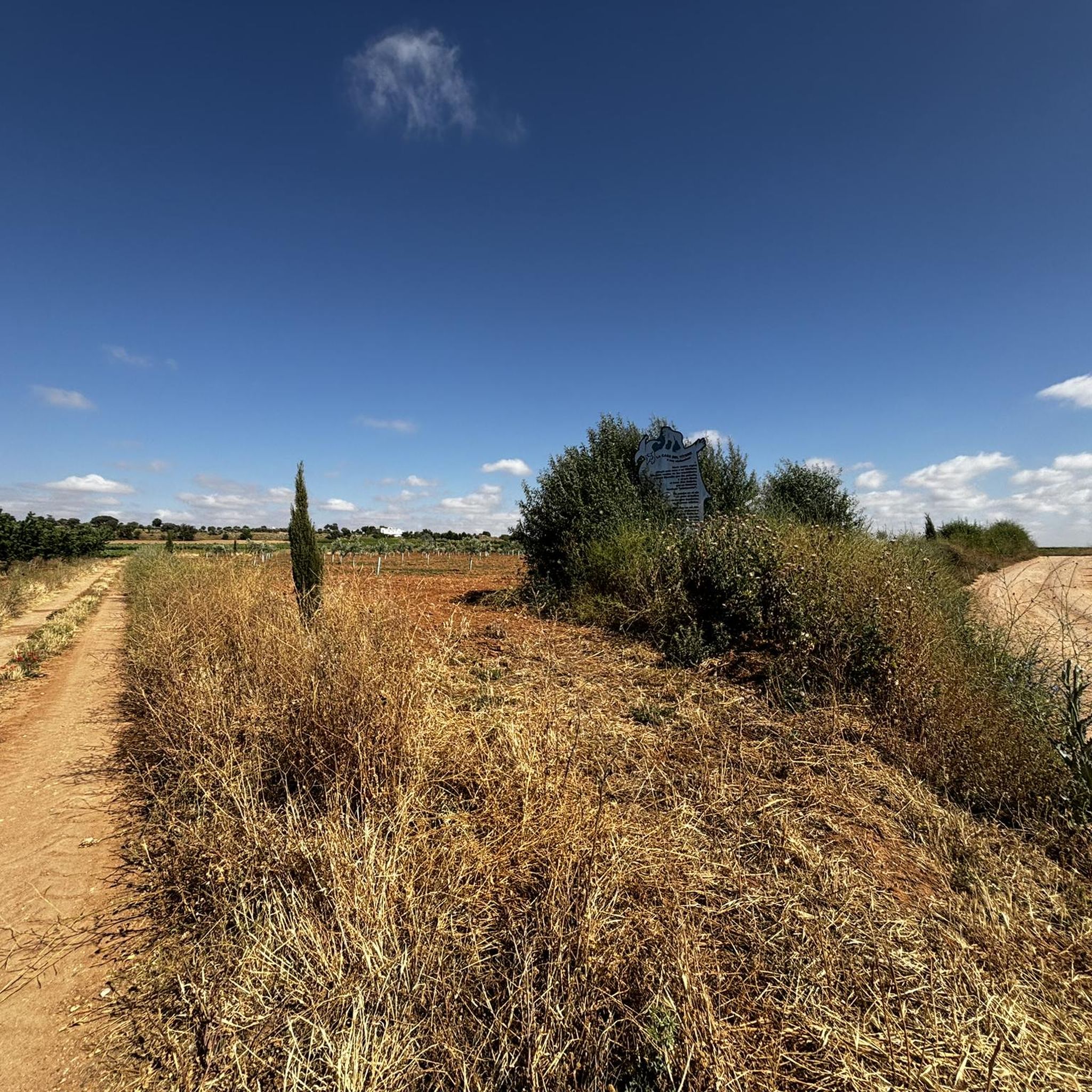
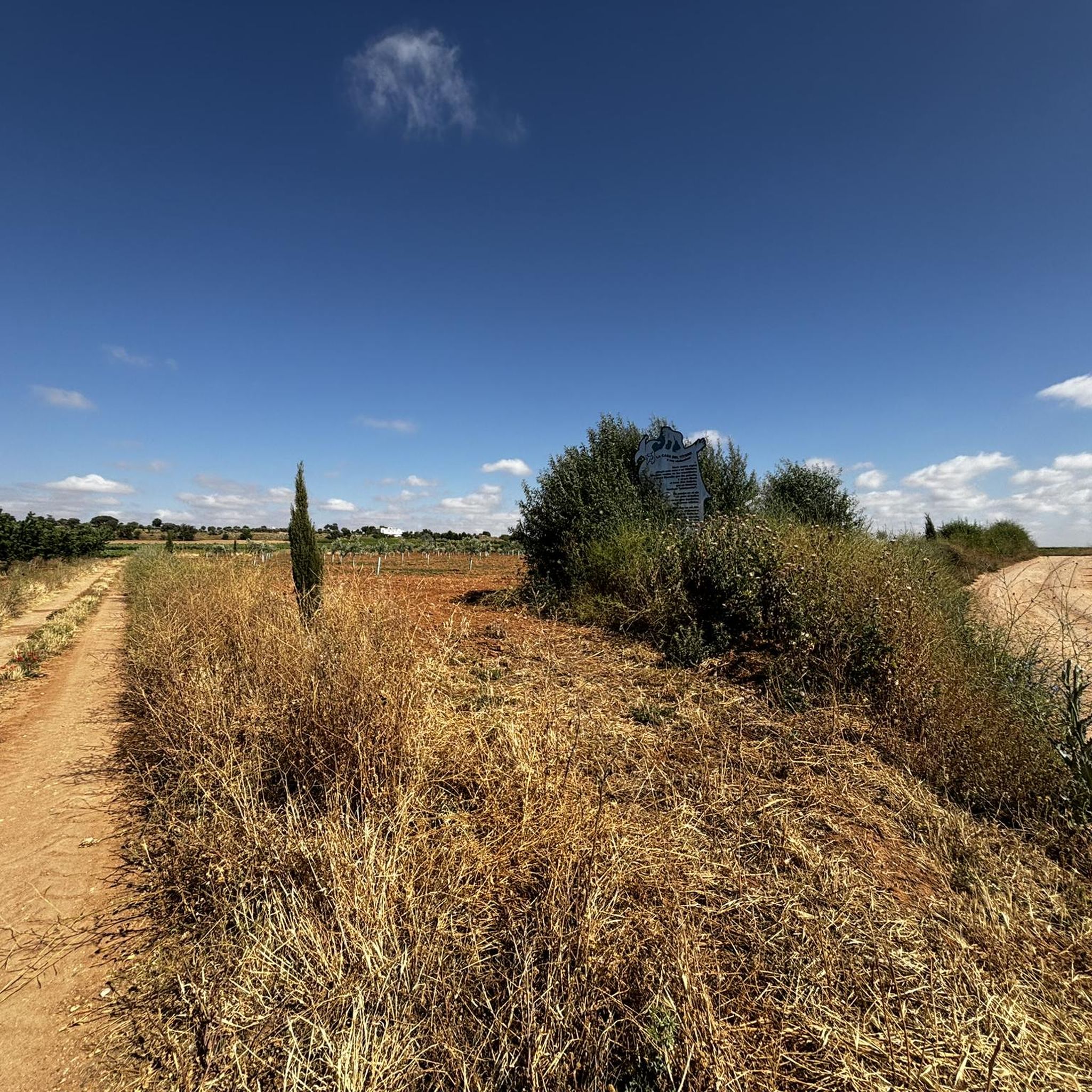
It is a clear example of rural housing in Spain 🇪🇸 of the 19th and even 18th centuries where these haciendas served as a workplace and habitat for the workers housed there.
0
0

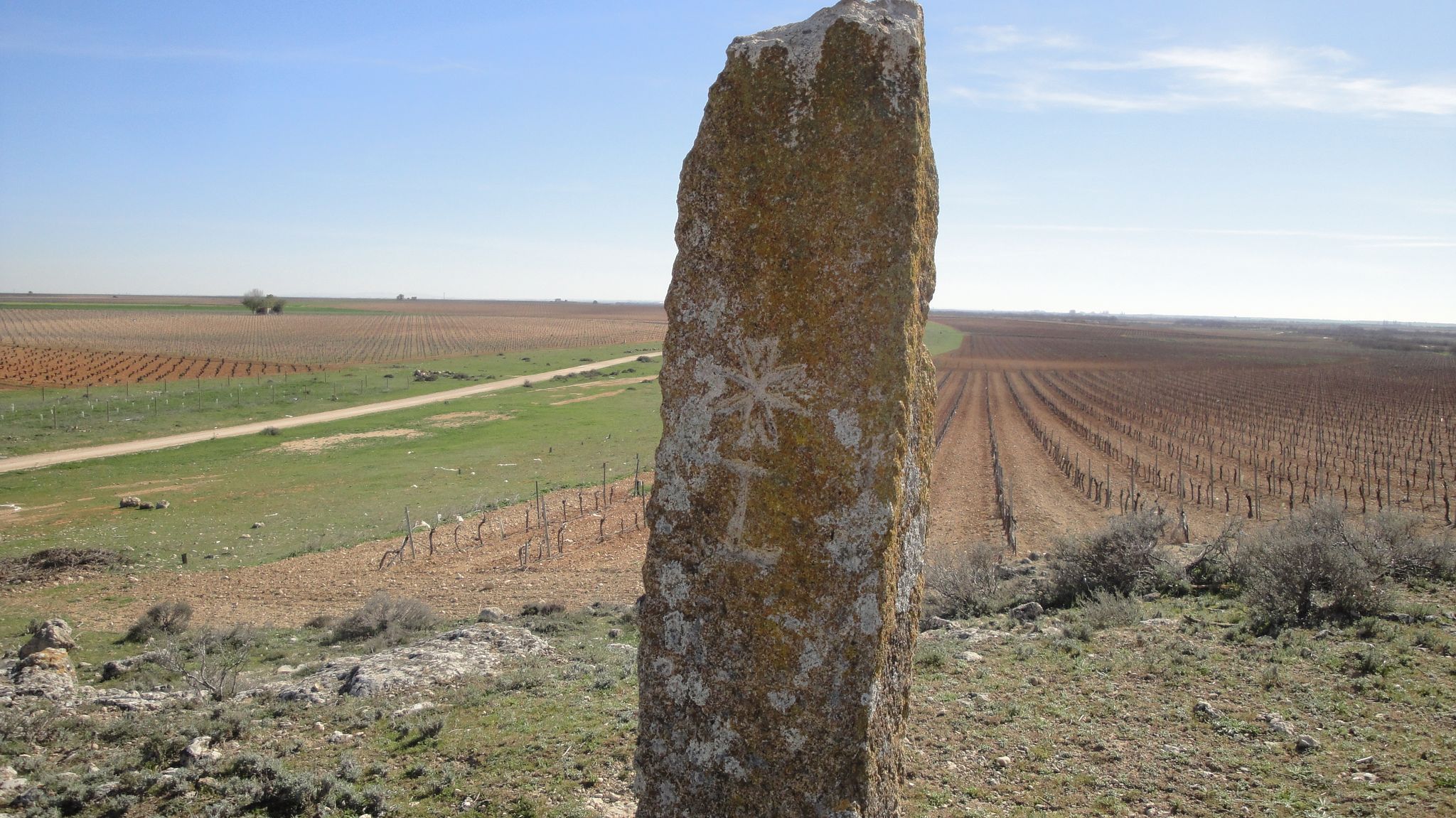
La Calderona Path, full of old century-old haciendas in a state of abandonment. You can see wineries, ovens, caves, drying rooms, mills, wells, corrals. In short, a practically autonomous and self-sufficient entity for subsistence. They are the vestiges of the ancient sales recounted by Cervantes in Don Quixote.
1
0
It is the Town Hall Square, Plaza De la Villa, whose municipality belongs to the province of Cuenca, with a census in 2018 that exceeded 2,500 inhabitants. It is worth visiting for several reasons, among which its tranquility stands out.
0
0

Villamayor de Santiago is a center that is located almost on the border with Toledo and that has always been a crossroads between several towns, as is the case of Alcarria de Cela, the Serranía de Cuenca and the extensive Mancha.
1
0

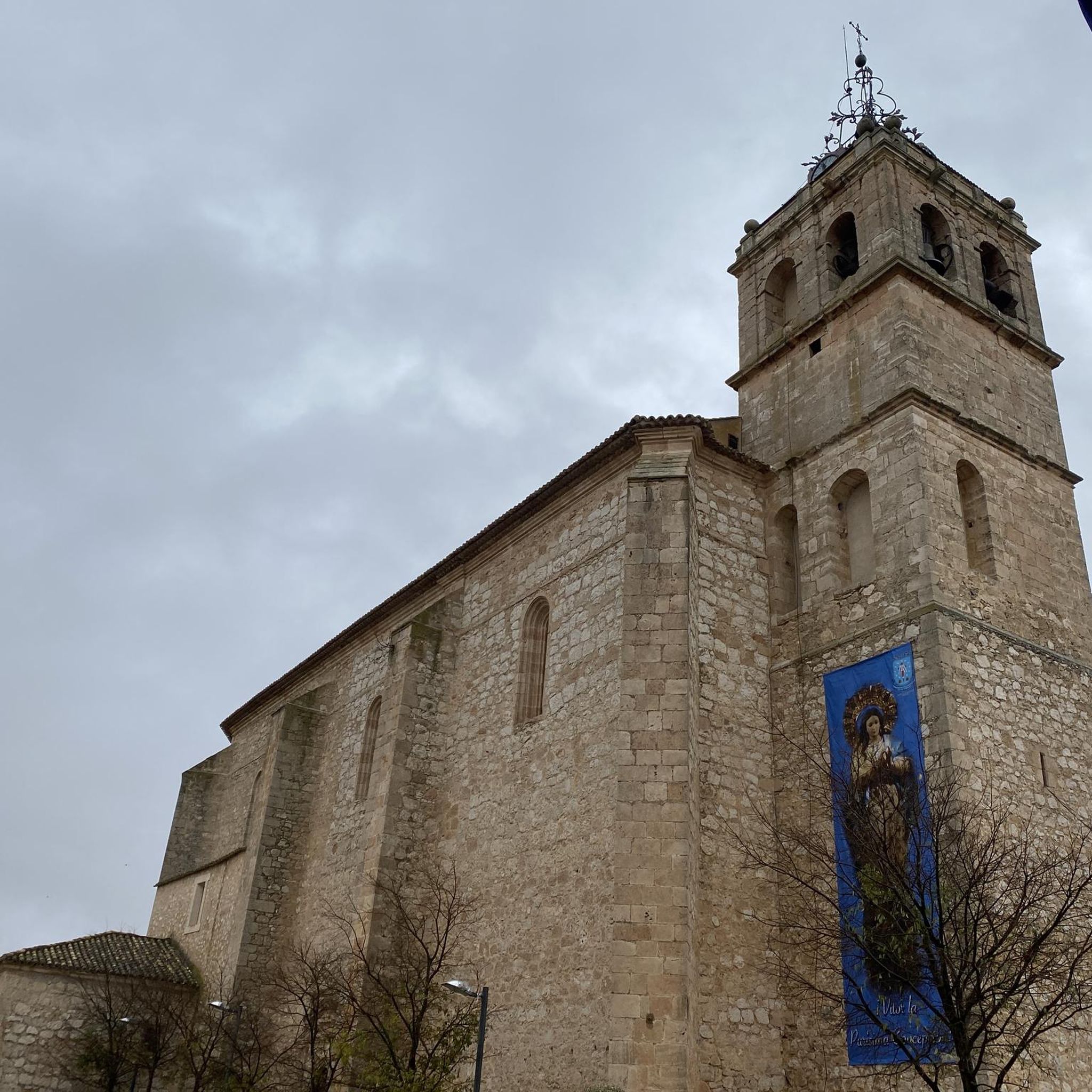
You are in the Plaza de España in Horcajo de Santiago - it was recently renovated. It is a typical town in the interior of Cuenca. The Church of the Immaculate Conception stands out here, which you can admire in front of you. It dates back to the 14th century.
0
0
Frequently Asked Questions
What historical sites can I explore in Horcajo de Santiago?
Horcajo de Santiago is rich in history. You can visit the Ruined Haciendas of La Calderona, which offer a glimpse into 19th and 18th-century rural life with their abandoned wineries, ovens, and mills. The town also features the Plaza de la Villa, a medieval square with Renaissance features, surrounded by historic buildings like the Town Hall and the Comendadores Palace. Additionally, explore blazoned palace houses such as the Casa de las Cadenas, known for lodging King Fernando VII, and the intriguing cave-dwellings in the higher parts of town.
Are there any notable religious buildings to visit?
Yes, the region has several significant religious sites. The most prominent is the 16th-century Church of the Immaculate Conception in Horcajo de Santiago, known for its monumental structure and Plateresque portal. You can also find the Hermitage of Our Lady of the Castle, located on a hill offering views of the surrounding area and the remains of an old castle. Another impressive site is the Church of the Assumption in Villamayor de Santiago, dating back to the 15th century.
What kind of outdoor activities can I do near Horcajo de Santiago?
The natural surroundings of Horcajo de Santiago are ideal for outdoor enthusiasts. The area offers various hiking routes, such as the 'Ruta del Molino de la Pascuala' and the 'Ruta de la Cueva del Lobo,' which traverse agricultural landscapes and ancient paths. For cycling, you can find numerous routes, including road cycling and mountain biking. Explore options like the 'Cañada Real de Alcázar Loop' for mountain biking or longer road cycling tours like 'Villamayor de Santiago and Corral de Almag.' You can find more details on these activities in the Road Cycling Routes, MTB Trails, and Cycling Guides for the area.
Are there family-friendly attractions in Horcajo de Santiago?
Yes, Horcajo de Santiago offers several attractions suitable for families. The Plaza de la Villa is a central, historic square perfect for a leisurely stroll. Many of the religious buildings, such as the Church of the Assumption, are also considered family-friendly. Exploring the unique cave-dwellings can be an engaging experience for children, and the various hiking routes offer opportunities for family walks in nature.
What cultural insights or museums can I find in the town?
Horcajo de Santiago provides a deep dive into local culture. The Casa Museo "El Vítor," housed in the old Hospital de Pobres, is dedicated to the emblematic "El Vítor" festival and showcases local life, traditional costumes, and gastronomy. You can also visit the Museo Etnográfico, which displays tools and objects from rural life, offering insight into the region's heritage, and the Museo del Lápiz, focused on local craftsmanship.
What is the best time of year to visit Horcajo de Santiago?
The best time to visit Horcajo de Santiago largely depends on your preferred activities. Spring and autumn offer pleasant temperatures ideal for exploring historical sites and enjoying outdoor activities like hiking and cycling. If you're interested in cultural events, the significant "El Vítor" festival takes place on the evening of December 7th, offering a unique cultural experience, though temperatures will be cooler.
Can I find unique architectural features in Horcajo de Santiago?
Absolutely. Beyond the grand Church of the Immaculate Conception and the historic Plaza de la Villa, Horcajo de Santiago is notable for its blazoned palace houses, such as the Casa de las Cadenas. A truly unique feature are the striking rock-hewn cave-dwellings located in the higher parts of the town, some of which are still in use today, showcasing traditional life and adaptation to the environment.
What do visitors particularly enjoy about Horcajo de Santiago?
Visitors appreciate the blend of history, culture, and natural beauty. Many enjoy exploring the ancient Ruined Haciendas of La Calderona, which offer a unique historical perspective. The picturesque town center, including the recently renovated Plaza de España and the impressive Church of the Immaculate Conception, is also a highlight. The opportunity to embark on various hiking tours directly from the town, such as to the Mamarón huts, is also highly valued.
Are there specific hiking routes recommended for nature lovers?
Yes, the area around Horcajo de Santiago is known for its natural beauty and hiking opportunities. Popular routes include the 'Ruta del Molino de la Pascuala' and the 'Ruta de la Cueva del Lobo,' which allow you to experience the local agricultural landscapes and dehesas. The region's natural surroundings, characterized by two streams and the scents of thyme and lavender, make for a pleasant hiking experience.
What kind of cycling routes are available for touring bicycles?
For touring cyclists, there are several routes around Horcajo de Santiago. Options range from moderate to difficult, including circular routes like 'Horcajo de Santiago, Corral de Almaguer, Villanueva de Alcardete' or shorter loops starting and ending in Horcajo de Santiago. These routes allow you to explore the wider region at a leisurely pace. You can find more details in the Cycling Guide.
Is Horcajo de Santiago accessible for visitors with mobility considerations?
The town of Horcajo de Santiago itself is noted as wheelchair accessible, particularly around its main squares and central areas. While some historical sites or natural trails might have varying terrain, the core of the town is generally accommodating for visitors with mobility considerations.
Are there any significant cultural events or festivals in Horcajo de Santiago?
Horcajo de Santiago is famous for its unique cultural event, the "El Vítor" Festival. Declared a Festival of Regional Tourist Interest, it takes place on the evening of December 7th. This significant event involves a 16-hour procession with the image of the Virgin leaving the Church of the Immaculate Conception, accompanied by riders, torches, banners, and traditional chants.
Where can I find information about local accommodation or dining options?
While this guide focuses on attractions, Horcajo de Santiago, as a typical town in the interior of Cuenca, offers various accommodation options such as hotels and rural houses. You can also find local cafes and pubs within the town, particularly around the Plaza de España and Plaza de la Villa, where you can experience local gastronomy.
Most popular routes around Horcajo De Santiago

Get inspired with the komoot mobile app


Explore more
Still not found the Highlight you’re looking for? See guides of the top attractions in other regions:
