Attractions and Places To See around Portillo De Toledo - Top 9
Best attractions and places to see around Portillo De Toledo offer a glimpse into traditional Castilian life within the province of Toledo, Spain. The town's historical core features distinctive popular brick architecture. The surrounding region is largely flat, with extensive cultivated fields, providing numerous paths for outdoor activities like hiking and cycling. This area combines historical interest with opportunities for exploring the natural landscape.
Best attractions and places to see around Portillo De Toledo
- The most popular attractions is Barcience…
Last updated: May 17, 2026
Barcience Castle
Highlight • Castle
Translated by Google •
Tip by

Plaza de España and Monument to the Cross, Torrijos
Highlight • Monument
Translated by Google •
Tip by

Sign up now to discover places like this
Get recommendations on the best single tracks, peaks, & plenty of other exciting outdoor places.
Sign up for free
View of Caudilla's church and castle
Highlight • Castle
Translated by Google •
Tip by

Torrijos Town Center
Highlight • Settlement
Translated by Google •
Tip by

San Silvestre Castle
Highlight • Castle
Translated by Google •
Tip by
Sign up for free to discover even more attractions around Portillo De Toledo.
Sign up for free
Already have an account?
Start today with a free account
Your next adventure awaits.
Login or Signup


Tips from the Community

Barcience Castle is a medieval fortress located in the municipality of Barcience, in the province of Toledo. It stands on a hill that dominates the surroundings, offering a strategic view of the surrounding landscape.
5
0

Torrijos gives its name to its region in the plain between the Tajo and Alberche rivers. It is the natural center of trade in goods and services in this area of Toledo. With its population of almost 13,000 inhabitants, it has all the services of a small city and has direct communications by train and bus with the main cities of Toledo and Extremadura. Its monuments, such as the palace of Peter I or its collegiate church, testify to its historical importance since the Middle Ages.
1
0

Although the town of Caudilla is uninhabited, the ruins of the church remain there and even more striking are those of the Rivadeneyra castle, which was built in the 15th century and which curiously, after centuries of wars and attacks of the climate, is still standing. the figure of Christ at the top of its tower that makes it a very curious and striking place for many, especially for photography lovers looking for their best shot at night under a starry sky.
1
0
We can tour its large courtyard, and the almost square plan that it presents, indicating by its size and the time in which it was erected, that it served as a residence rather than a defensive fort. Two interesting cubes are indications of the barrier and the moat that protected the entrance door to the enclosure, and of which there are no remains. Three towers, two circular, another square, and the homage, make up the rest of the enclosure. Juan de Silva, the first Count of Cifuentes, began the construction of the fortress in the 14th century, which would be completed by his grandson, with the same name. It was endowed with artillery and garrison in the 16th century.
7
0

Torrijos has an enormous architectural heritage, among which it is worth highlighting the train station, the parish church (with a very old organ and elements brought from Medina Azahara), the palace of Pedro I or even its more contemporary Center for the Elderly.
4
0
The ruins of the castle of San Silvestre date from the 15th century and it was built by Commander Gutierre de Cárdenas. Unlike the various castles that surround it, this one lacks a keep, although its façade and layout are similar to the others.
1
0
Although the town of Caudilla is uninhabited, the ruins of the church remain there and, even more striking, those of the castle of Rivadeneyra, which was built in the 15th century and which, curiously, after centuries of wars and harsh weather, still stands the figure of Christ at the top of its tower that makes it a very curious and striking site for many, especially for photography lovers who seek their best shot at night under a starry sky.
2
0
Known as the "rampant lion", the castle of Barcience was built in the 15th century by the Silva family, at that time they had the title of Counts of Cifuentes. It is preserved in great condition and its access is free and free. Despite the fact that the interior is abandoned, its walls and the heraldic shield of the Silva family stand out, whose figure is that of the rampant lion.
3
1
Frequently Asked Questions
What historical sites can I visit in Portillo de Toledo and its surroundings?
Portillo de Toledo itself features traditional Castilian urban architecture, with notable examples in the Plaza de la Solana and Plaza de España, including the Town Hall. Nearby, you can explore several historical castles such as Barcience Castle, San Silvestre Castle, and Castillo de la Vela in Maqueda. The nearby town of Torrijos also offers significant architectural heritage, including its own town center and the Plaza de España and Monument to the Cross.
Are there any notable churches or religious sites in Portillo de Toledo?
Yes, the Iglesia Parroquial de Nuestra Señora de la Paz is a prominent landmark in Portillo de Toledo. Constructed in the late 16th century, it features a rectangular structure and houses five valuable paintings, including two originals by local artist Pedro Gómez.
What outdoor activities are available around Portillo de Toledo?
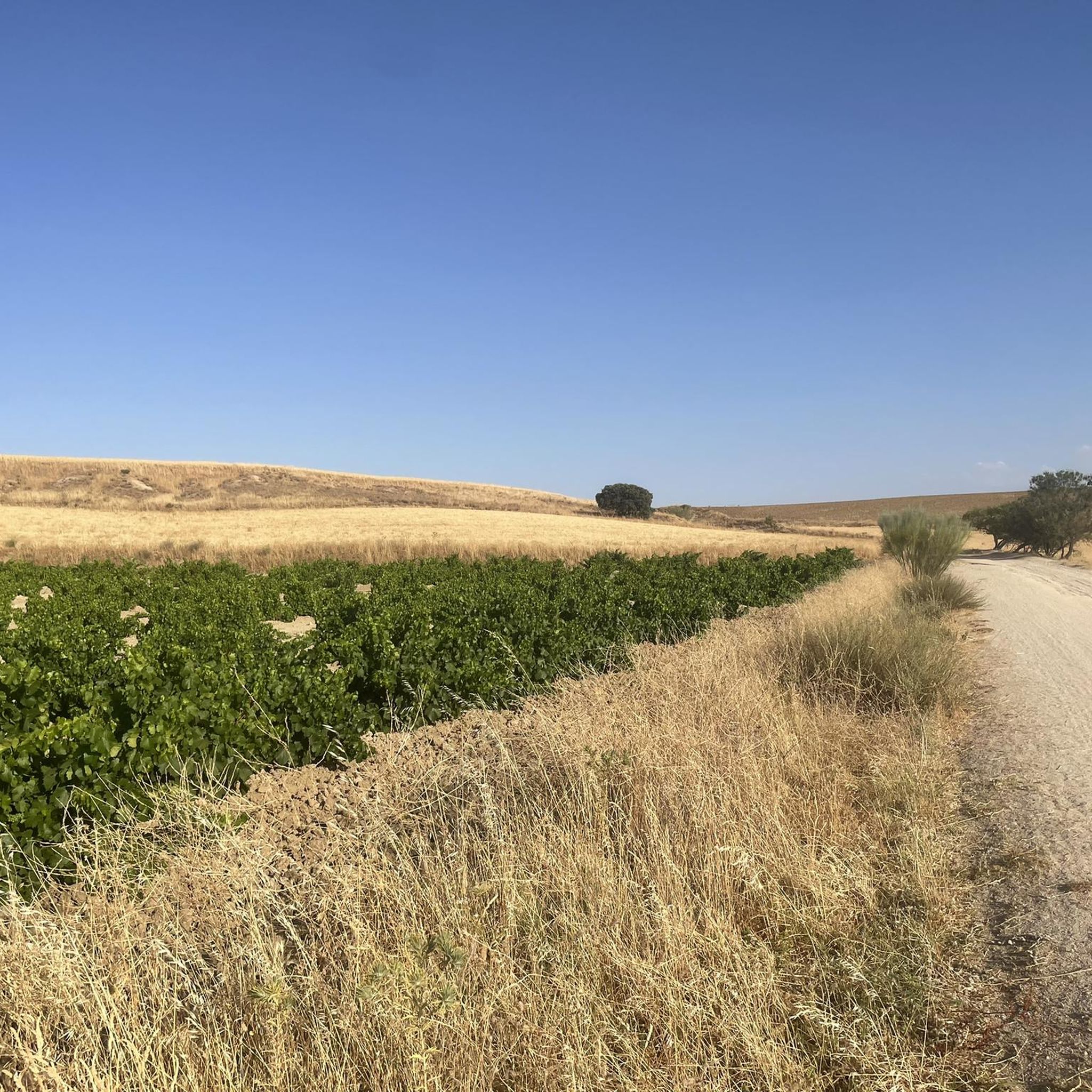
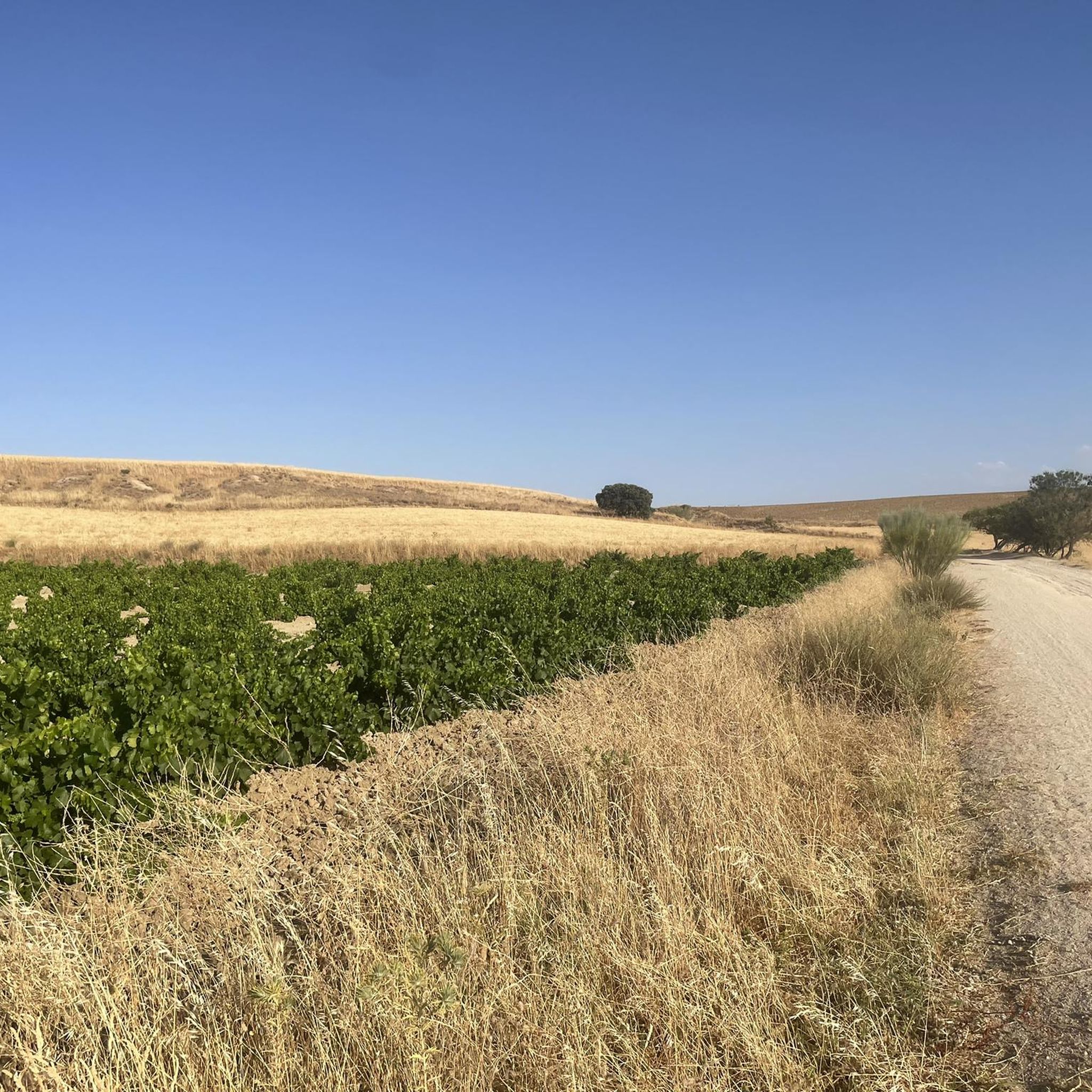
The region around Portillo de Toledo is largely flat with extensive cultivated fields, making it ideal for outdoor activities. You can find numerous paths suitable for hiking, cycling, and mountain biking. For detailed routes, explore the Hiking around Portillo De Toledo, Cycling around Portillo De Toledo, and MTB Trails around Portillo De Toledo guides.
Are there specific hiking trails recommended near Portillo de Toledo?
Yes, there are several hiking trails. For an easy option, consider the 'Hiking loop from Fuensalida' which is about 5.3 km. If you prefer a moderate challenge, the 'Church of Huecas loop from Fuensalida' covers approximately 9.4 km. You can find more options and details in the Hiking around Portillo De Toledo guide.
What kind of terrain can I expect on trails around Portillo de Toledo?
The terrain around Portillo de Toledo is generally flat, characterized by extensive cultivated fields. The paths traversing the municipal area are suitable for walking and cycling, offering a relatively easy and accessible outdoor experience.
Are there family-friendly attractions in the area?
Yes, several attractions are suitable for families. The Plaza de España and Monument to the Cross in Torrijos is considered family-friendly, offering shops and fountains. The Castillo de la Vela in Maqueda is also noted as a family-friendly historical site.
Are there any accessible attractions for visitors with mobility needs?
The Plaza de España and Monument to the Cross in Torrijos is noted as being wheelchair accessible, making it a good option for visitors with mobility needs.
When is the best time of year to visit Portillo de Toledo for sightseeing and outdoor activities?
While specific seasonal weather details are not provided, generally, spring (April-May) and autumn (September-October) offer pleasant temperatures for exploring historical sites and engaging in outdoor activities like hiking and cycling in central Spain, avoiding the extreme heat of summer or potential chill of winter.
What do visitors particularly enjoy about the attractions near Portillo de Toledo?
Visitors appreciate the blend of historical interest and opportunities for outdoor exploration. The well-preserved Barcience Castle, with its strategic views, is a popular highlight. The historical significance and services available in places like Plaza de España in Torrijos are also highly regarded by the komoot community.
Can I find cafes or accommodation near the attractions in Portillo de Toledo?
The nearby town of Torrijos, with its Plaza de España, serves as a natural center for trade and offers various infrastructures including shops, fountains, and hotels. This area would be a good place to find cafes and accommodation while visiting the region.
What is the architectural style of Portillo de Toledo?
Portillo de Toledo is known for its distinctive popular brick architecture, particularly visible in its historical core. You can see notable examples in the large house in the Plaza de la Solana and several buildings in the Plaza de España, including the Town Hall (Ayuntamiento).
Are there any viewpoints around Portillo de Toledo?
While the region is largely flat, Barcience Castle stands on a hill dominating its surroundings, offering strategic views of the landscape. This provides a good opportunity for scenic outlooks.
Most popular routes around Portillo De Toledo
Most popular attractions around Portillo De Toledo

Get inspired with the komoot mobile app


Explore more
Still not found the Highlight you’re looking for? See guides of the top attractions in other regions:
