Attractions and Places To See around Espera - Top 20
Attractions and places to see around Espera, located in the Cádiz province of Spain, offer a blend of historical sites and natural landscapes. The region is part of the "Route of the White Villages," characterized by its distinctive architecture and rich history. Visitors can explore ancient ruins, medieval castles, and significant religious buildings, reflecting Roman, Nasrid, and Christian influences. The area also features natural reserves with diverse wildlife and unique endorheic lagoons.
Best attractions and places to see around Espera
…Last updated: May 10, 2026
Old Town of Arcos de la Frontera
Highlight • Settlement
Translated by Google •
Tip by

Basilica of Santa María de la Asunción
Highlight • Religious Site
It was built in the 14th or 15th century in Mudéjar style.
Translated by Google •
Tip by
Sign up now to discover places like this
Get recommendations on the best single tracks, peaks, & plenty of other exciting outdoor places.
Sign up for free
El Camborio Artistic Nativity
Highlight • Structure
Translated by Google •
Tip by
Arcos de la Frontera
Highlight • Settlement
Translated by Google •
Tip by

St. Peter's Church
Highlight • Religious Site
Translated by Google •
Tip by

Sign up for free to discover even more attractions around Espera.
Sign up for free
Already have an account?
Start today with a free account
Your next adventure awaits.
Login or Signup
Tips from the Community

El Belén artístico El Camborio is a beautiful and impressive creation located in Arcos de la Frontera. It is a small museum that looks like a cave carved into the rock, in which beautiful treasures and scenes from the Gospel are depicted with great detail and craftsmanship. It is a place where the landscape changes from day to night, which makes it even more special.
9
0
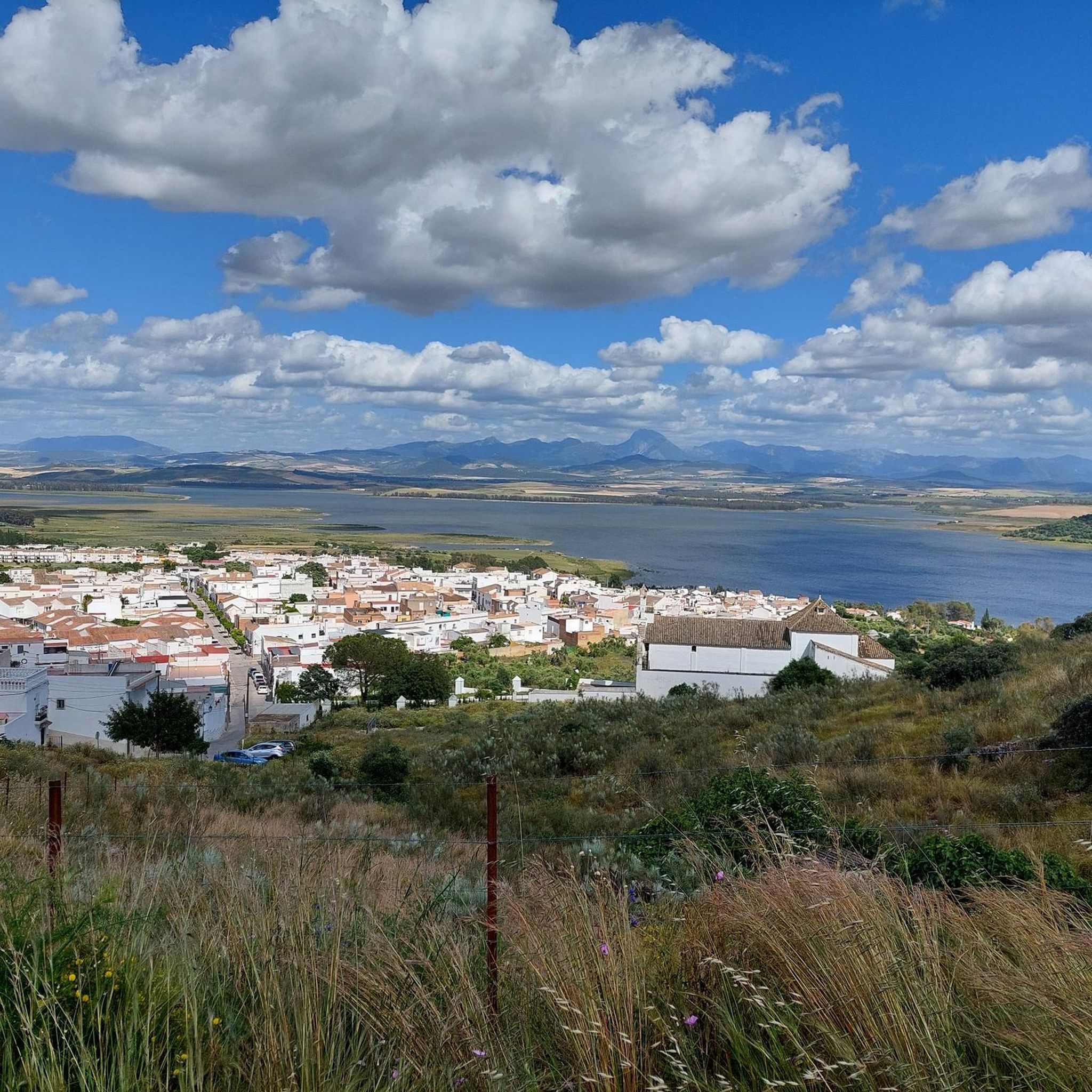
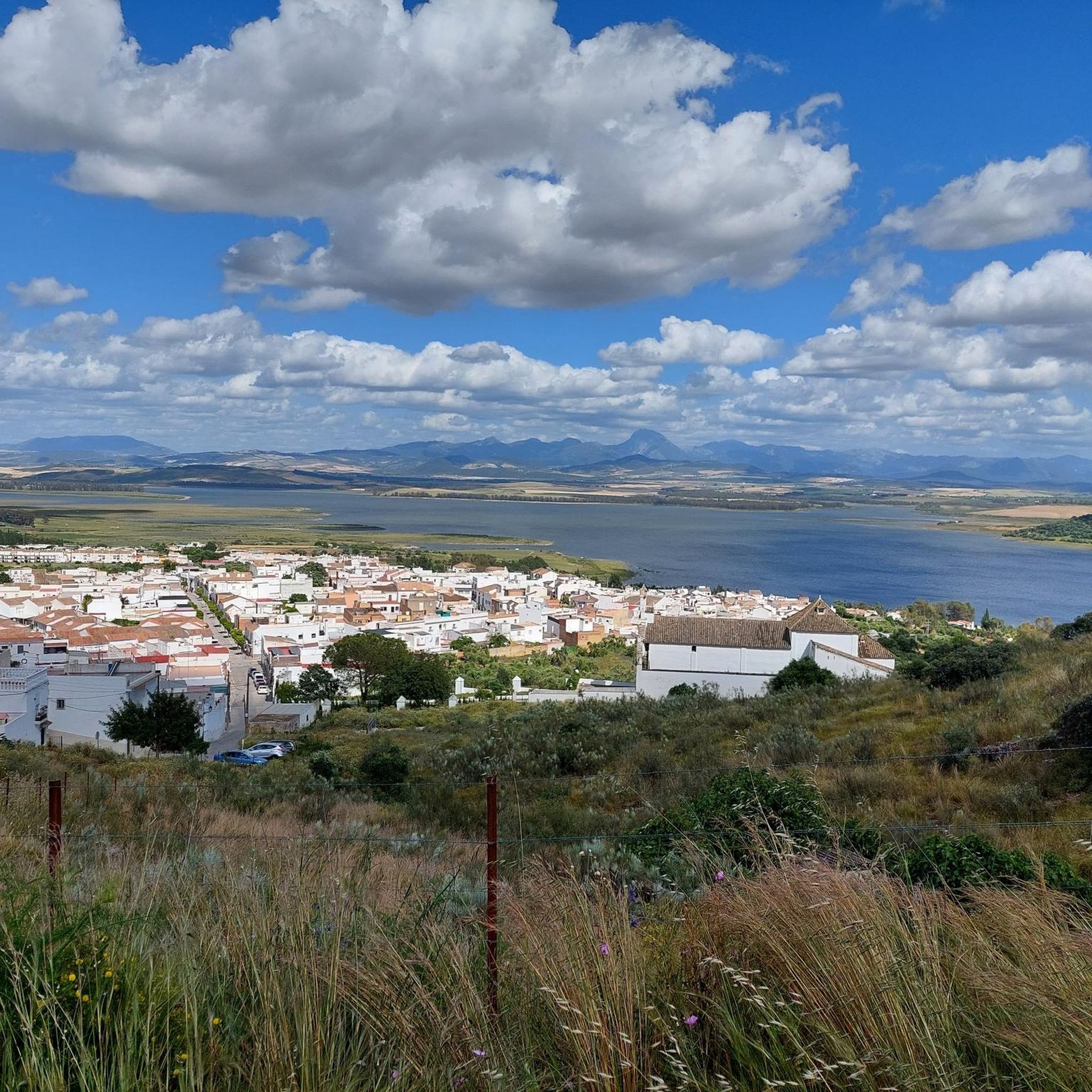
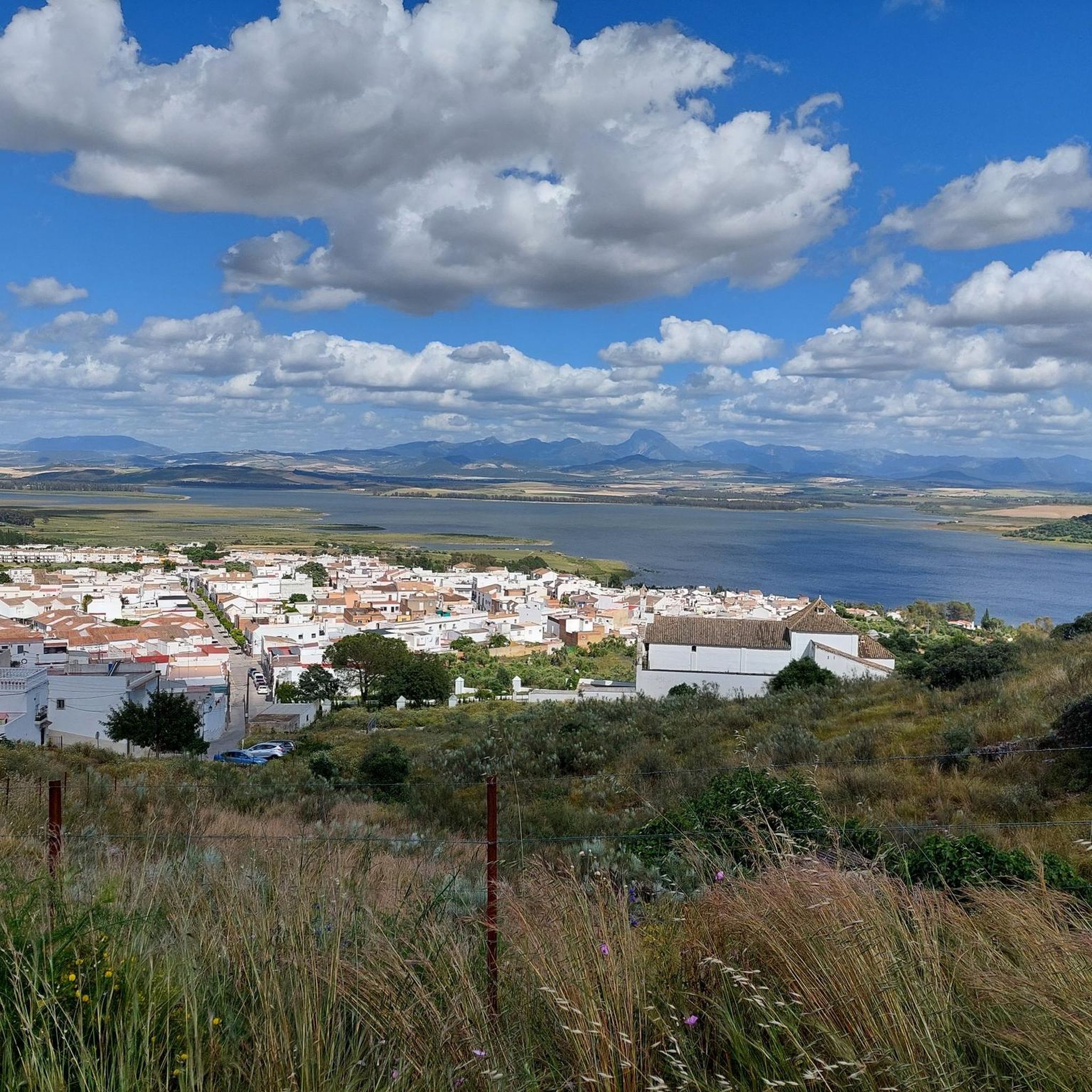
The town, situated on a rocky plateau, invites you to travel through time. From the 11th century it was the capital of a taifa, a small Berber kingdom. The fortified town was finally reconquered in 1264 by Alfonso X, who also took Seville, Jerez and Cádiz during the Reconquista. For two centuries Arcos was an outpost on the border of the kingdom and in the 15th century the village came into the hands of the Ponce de León family, who played a major role in the victory over the kingdom of Granada. During the 19th century, Arcos acquired its current appearance thanks to the rise of olive and grape cultivation and horse breeding.
9
0
The church dates from the early 15th century and for many years competed, in importance and beauty, with the Iglesia de Santa María. The façade has an impressive neoclassical bell tower. The church has only one nave, with a ribbed vault.
12
1
El Belén artístico El Camborio is a beautiful and impressive creation located in Arcos de la Frontera, Spain. It is a small museum that looks like a cave carved into the rock, in which beautiful treasures and scenes from the Gospel are depicted with great detail and craftsmanship1. It is a place where the landscape changes from day to night, which makes it even more special.
6
0
The town, situated on a rocky plateau, invites you to travel through time. From the 11th century it was the capital of a taifa, a small Berber kingdom. The fortified town was finally reconquered in 1264 by Alfonso X, who also took Seville, Jerez and Cádiz during the Reconquista. For two centuries Arcos was an outpost on the border of the kingdom and in the 15th century the village came into the hands of the Ponce de León family, who played a major role in the victory over the kingdom of Granada. During the 19th century, Arcos acquired its current appearance thanks to the rise of olive and grape cultivation and horse breeding.
12
0
This church was built around 1530 on the site of a 14th-century church, which itself had taken the place of a large Moorish mosque. The main façade, by Don Alonso de Baena, is a perfect example of the Plateresque style. The church, which is accessed via the neoclassical right-hand side façade, has the plan of a basilica with three naves separated by sturdy columns supporting star vaults. On the high altar is a 17th-century altarpiece (Assumption of the Virgin) by Jerónimo Hernández and Juan Bautista Vázquez. Behind the high altar is the octagonal apse of the former Mudejar church. The frescoes (The Coronation of the Virgin) that once adorned the high altar were transferred to the wall to the left of the altar in the 1960s.
12
0

Beautiful church with a spectacular design. It is especially striking due to the fact that the upper part is unfinished
8
0

Frequently Asked Questions
What historical sites can I explore around Espera?
Espera is rich in history, being part of the "Route of the White Villages." You can visit the Old Town of Arcos de la Frontera, a settlement on a steep cliff with monumental jewels like the castle of the Dukes and the Basilica of Santa María de la Asunción. The area reflects Roman, Nasrid, and Christian influences through its ancient ruins and medieval castles.
Are there any natural viewpoints or scenic spots near Espera?
Yes, the View from the Mirador de Abades offers wonderful panoramic views of the hinterland, the Guadalete River, Arcos de la Frontera, and the Sierra de Grazalema and Los Alcornocales natural parks. The region also features unique endorheic lagoons and a diverse landscape.
What kind of outdoor activities can I do around Espera?
The area around Espera is great for various outdoor activities. You can find numerous routes for cycling, road cycling, and running. For example, there are cycling routes like the "Viaducto de Los Azares – Arcos de la Frontera Old Town loop" and running trails such as the "Lago de Arcos Beach – Playita de Arcos loop." You can explore more options on the cycling guide, road cycling guide, and running guide for Espera.
Are there family-friendly attractions in the Espera area?
Absolutely. Families can enjoy the intricate details of the El Camborio Artistic Nativity, which is a beautiful nativity scene built voluntarily over six years. The View from the Mirador de Abades is also considered family-friendly, offering stunning views that everyone can appreciate.
What is the best time of year to visit Espera for outdoor activities?
While specific weather data isn't provided, regions like Espera in southern Spain generally offer pleasant conditions for outdoor activities during spring and autumn. These seasons typically provide milder temperatures, ideal for exploring historical sites, enjoying viewpoints, and engaging in cycling or running without the intense heat of summer.
Can I find hiking trails near Espera?
Yes, while specific hiking trails are not detailed in the provided data, the presence of natural parks like Sierra de Grazalema and Los Alcornocales, along with running routes, suggests opportunities for walking and hiking. These natural areas are ideal for exploring on foot and enjoying the region's diverse landscapes.
What are some unique cultural experiences in Espera?
Beyond the historical architecture, a unique cultural experience is visiting the El Camborio Artistic Nativity. This meticulously crafted nativity scene, built by an association, offers a glimpse into local artistry and devotion. The entire "Route of the White Villages" itself is a cultural journey, showcasing distinctive architecture and a rich historical tapestry.
How can I experience the "Route of the White Villages" from Espera?
Espera is part of the "Route of the White Villages," a network of towns characterized by their whitewashed houses and historical charm. You can start by exploring nearby Arcos de la Frontera, home to the Old Town of Arcos de la Frontera and its significant religious buildings. The route allows you to immerse yourself in the region's distinctive architecture and rich history.
What do visitors particularly enjoy about the attractions around Espera?
Visitors appreciate the blend of historical depth and natural beauty. The Old Town of Arcos de la Frontera is highly praised for its monumental jewels and historical significance. The View from the Mirador de Abades is loved for its wonderful panoramic views. Overall, the komoot community has shared 193 photos and given 85 upvotes, highlighting the area's appeal.
Are there any religious buildings worth visiting in the area?
Yes, the area boasts several significant religious buildings. The Basilica of Santa María de la Asunción, built in Mudéjar style between the 14th and 15th centuries, is a National Monument and the oldest church in Arcos. Additionally, St. Peter's Church, dating from the early 15th century, features an impressive neoclassical bell tower and a spectacular design.
What are the natural reserves or parks near Espera?
Espera is situated near significant natural reserves. The Mirador de Abades offers views of the Sierra de Grazalema and Los Alcornocales natural parks. The region is also known for its unique endorheic lagoons, providing diverse wildlife and natural landscapes to explore.
Is there public transport to attractions around Espera?
While specific public transport routes to individual attractions are not detailed, Espera and the surrounding towns are generally accessible. For exploring the "Route of the White Villages" and reaching viewpoints or natural parks, local bus services might connect the main towns, but a car often offers more flexibility for reaching all attractions.

Get inspired with the komoot mobile app


Explore more
Still not found the Highlight you’re looking for? See guides of the top attractions in other regions:
