Attractions and Places To See around Pedro Abad - Top 20
Best attractions and places to see around Pedro Abad include a blend of cultural, historical, and natural points of interest. Located in the Cordovan countryside, the town is influenced by the Guadalquivir River and is near the Sierra de Cardeña y Montoro Natural Park. This region offers a mix of religious sites, museums, and natural landscapes for exploration.
Best attractions and places to see around Pedro Abad
- The most popular attractions is Villafranca Iron Bridge, a bridge that sustained…
Last updated: May 17, 2026
Villafranca Iron Bridge
Highlight • Bridge
Translated by Google •
Tip by

Fountain in Montoro
Highlight • Monument
Translated by Google •
Tip by

Sign up now to discover places like this
Get recommendations on the best single tracks, peaks, & plenty of other exciting outdoor places.
Sign up for free
Sierra Morena Viewpoint
Highlight • Viewpoint
Translated by Google •
Tip by

Montoro
Highlight • Settlement
Translated by Google •
Tip by
Church of Our Lady of the Assumption of Pedro Abad
Highlight • Religious Site
Translated by Google •
Tip by
Sign up for free to discover even more attractions around Pedro Abad.
Sign up for free
Already have an account?
Start today with a free account
Your next adventure awaits.
Login or Signup
Tips from the Community

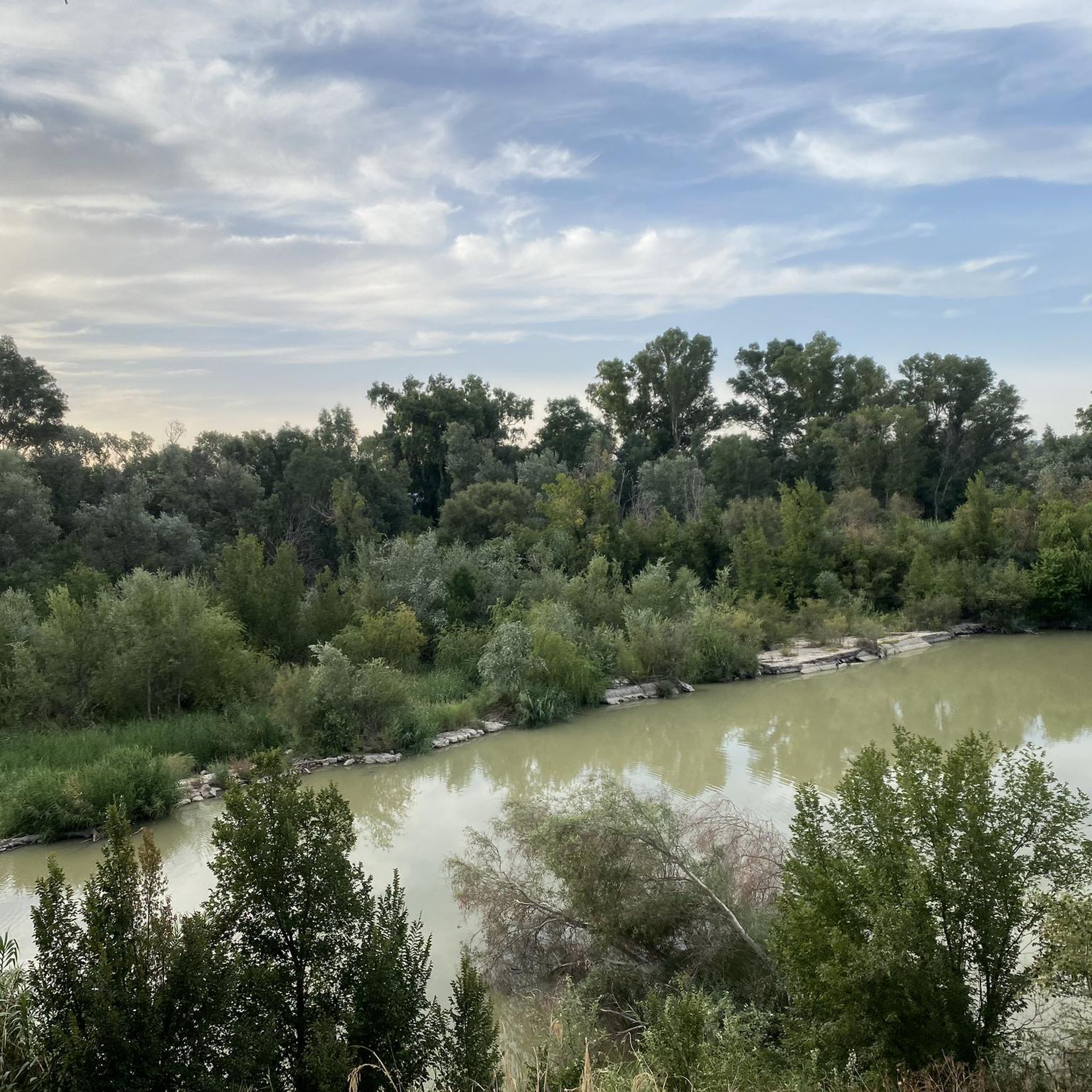
A metal bridge crosses the Guadalquivir River on the outskirts of Villafranca de Córdoba. Built in the late 19th century, it is notable for its riveted iron structure, typical of the engineering of that era.
0
0

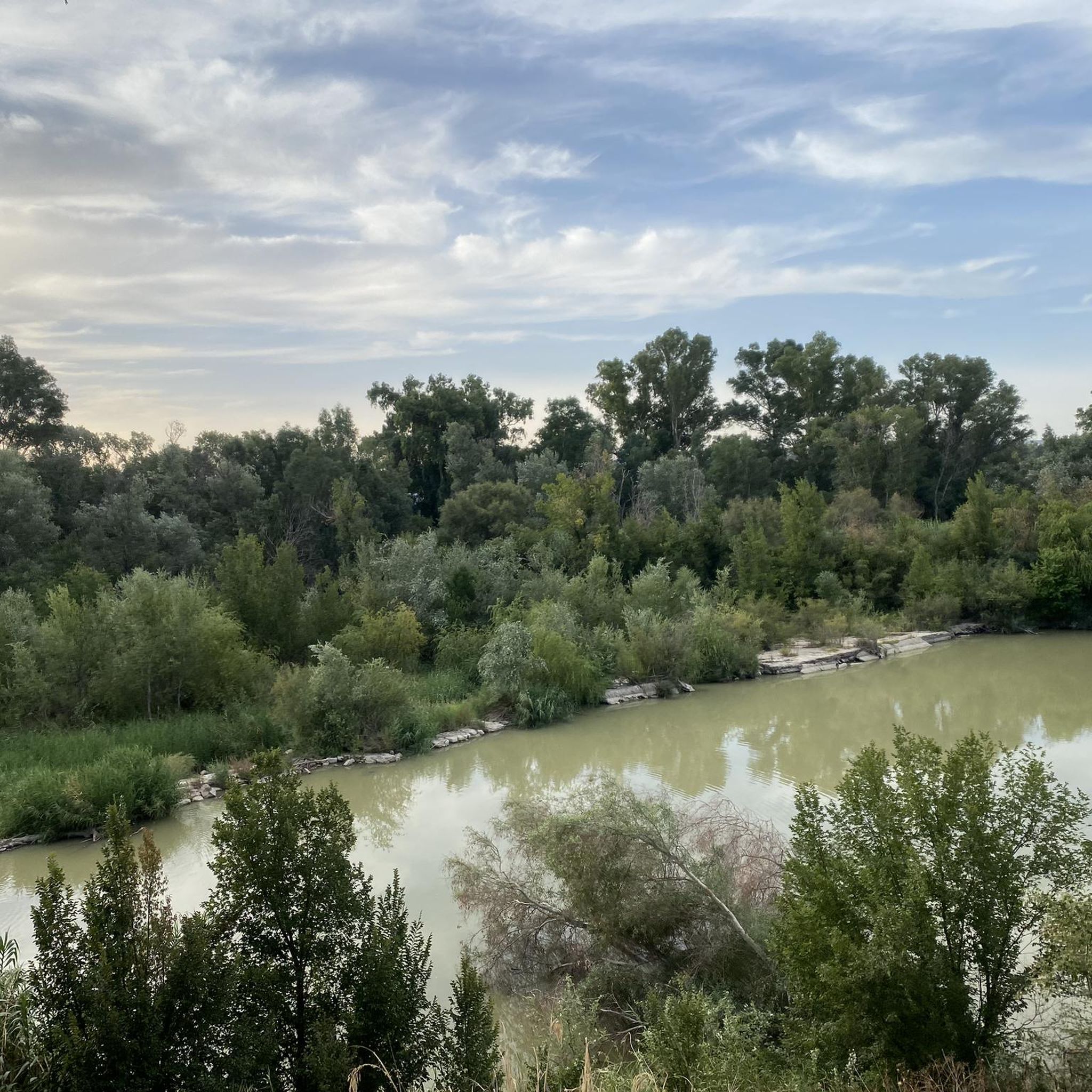
Municipality located to the east of the province of Córdoba, on the border with Jaén. Most of it is located in the foothills of Sierra Morena, making the Guadalquivir River the border with the countryside. Therefore, the mountains, the river and the countryside are the three elements that determine the landscape. The first is part of the Sierra de Cardeña y Montoro Natural Park, and in it we can find vegetation of holm oaks, wild olive trees, stone and maritime pines and a population of melojo oak, rare in Andalusia. It is also an area of great fauna, hunting and livestock value. The second, which surrounds the town, is the axis of the landscape, life and history of the town; Due to the beauty of the meander, it is also known as the Andalusian Toledo. The third, populated by olive trees, places us in a truly Cordoba environment. The town, with an Iberian, Greek, Roman, and Muslim past, is located on a small elevation that dominates the course of the river that divides it into two neighborhoods, offering an unmistakable image. Declared a Historic-Artistic Site in 1969, it brings together a multitude of attractions and tourist attractions to visit, such as the bridge over the river, the Church of San Bartolomé, the Casa de las Tercias, its steep streets of white houses, or the Torre de Villaverde. Its Holy Week, declared of Tourist Interest, reaches its greatest splendor on the afternoon of Holy Thursday with the presence of the Roman Empire. It is one of the towns included in the Baético Romana Route.
0
0

Puente de los Remedios welcomes us to the town of Villafranca de Córdoba, this bridge crosses the Guadalquivir River, in the surroundings of this bridge there is a recreational area and a small pier.
0
0

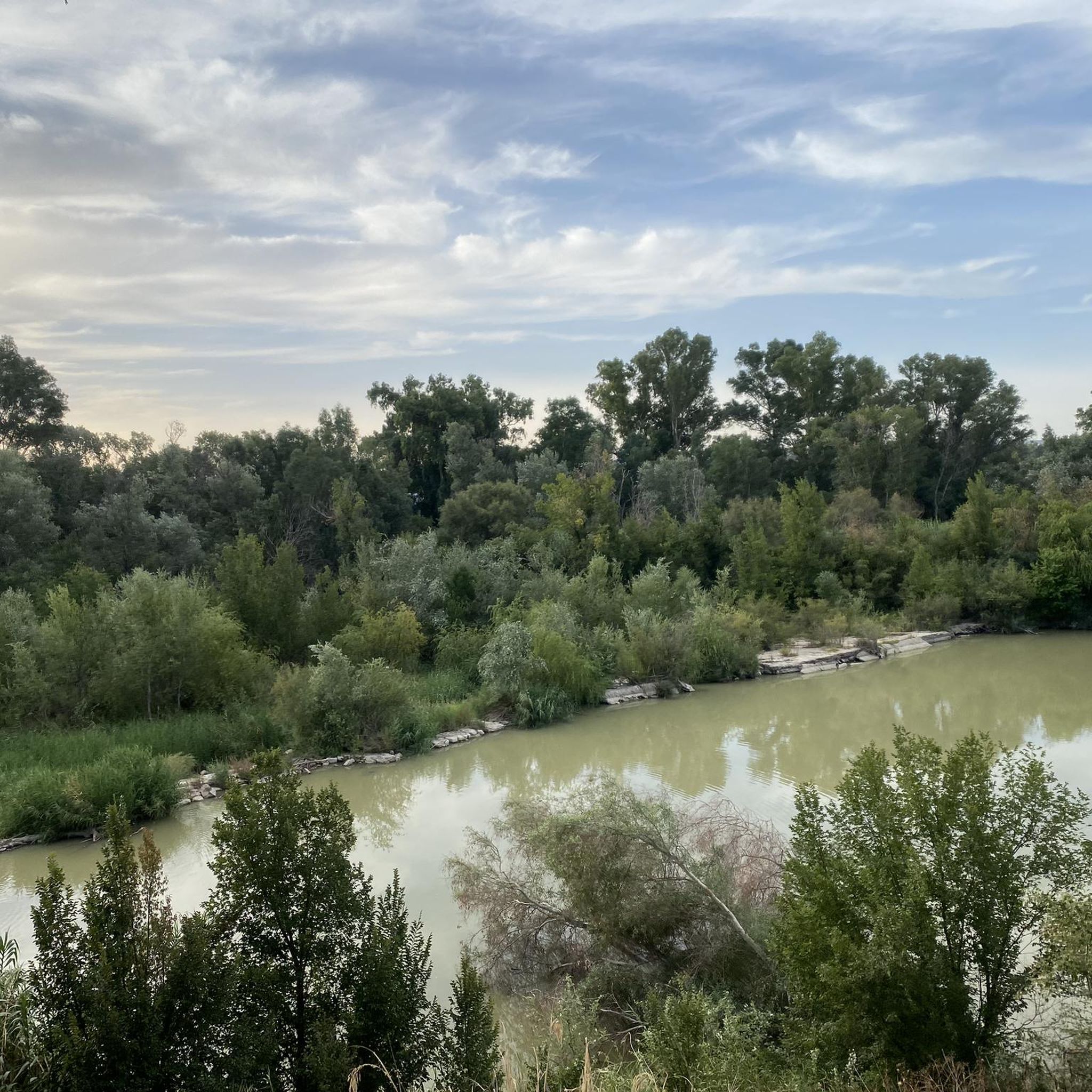
The most characteristic point of Pedro Abad is the parish church of Nuestra Señora de la Asunción from the 14th century. The town located in the meander of the Guadalquivir river was formerly very important in river traffic within this area of great agricultural potential.
2
0
Pedro Abad is a Spanish municipality in the province of Córdoba, Andalusia. Belonging to the Alto Guadalquivir region.
0
0
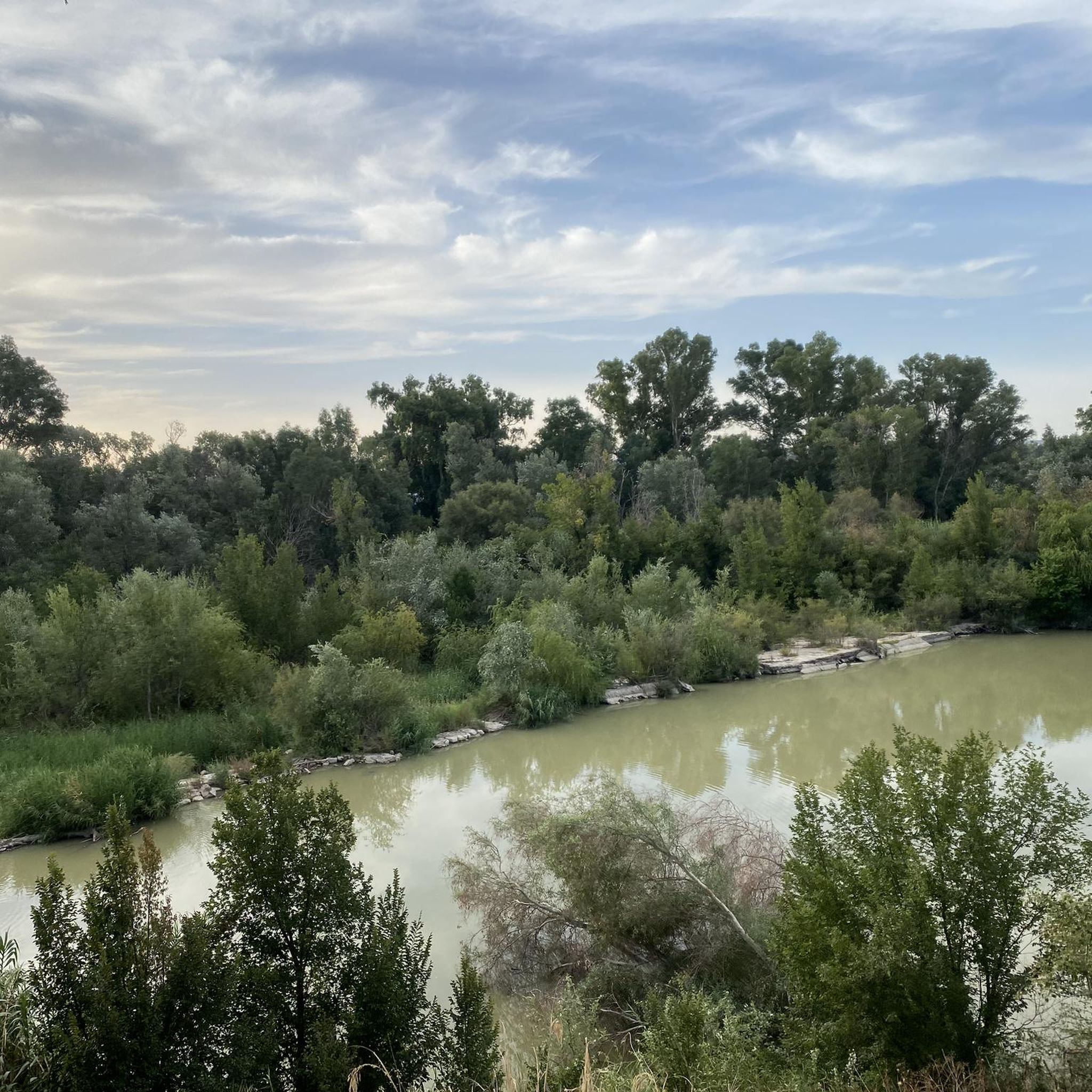
One of the most beautiful viewpoints is the Sierra Morena Cordoba. In the background you can see the town of Adamuz.
2
0
Frequently Asked Questions
What historical landmarks can I explore around Pedro Abad?
Pedro Abad and its surroundings are rich in history. You can visit the Villafranca Iron Bridge, a late 19th-century structure with visible damage from the Civil War. Within Pedro Abad, explore the Mezquita Basharat, significant as the first mosque built in Spain after the Reconquista, and the Casa Natal de Santa Rafaela María, a pilgrimage site preserving her life story. The Parroquia Nuestra Señora de la Asunción and the Ermita del Santísimo Cristo de los Desamparados also offer glimpses into the town's religious heritage.
Are there any natural attractions or parks near Pedro Abad?
Yes, the region offers beautiful natural features. The Guadalquivir River significantly influences the landscape, and the town of Montoro is situated around a meander of this river, which is a natural monument. Nearby, you can explore the Sierra de Cardeña y Montoro Natural Park, known for its holm oaks, wild olive trees, and diverse fauna. The Tourist estate of Los Conventos in Sierra Morena is another private natural space offering Mediterranean forest and wildlife observation.
What cultural sites are available for visitors in Pedro Abad?
Pedro Abad boasts several cultural sites. The Mezquita Basharat is a significant cultural and religious landmark. The Museo de Pintura, escultura y Reloj, housed in the former town hall, is a vital cultural center with an important bibliographic collection and a still-functioning 1927 clock. The Casa Natal de Santa Rafaela María also serves as a cultural space dedicated to her life and legacy.
What outdoor activities can I do near Pedro Abad?
The area around Pedro Abad is excellent for outdoor activities. You can find numerous routes for hiking, cycling, and mountain biking. For hiking, consider trails like the Guadalquivir Meanders Trail or the Villafranca de Córdoba – Iron Bridge route. Cyclists can explore options such as the Pump Track loop from Villafranca de Córdoba. Mountain bikers have routes like the Reservoirs Route – Puente Mocho loop. You can find more details on these activities in the dedicated guides for hiking, cycling, and MTB trails around Pedro Abad.
Are there family-friendly attractions in the Pedro Abad area?
Yes, several attractions are suitable for families. The Villafranca Iron Bridge and the town of Montoro are both listed as family-friendly. Exploring the natural landscapes of the Sierra de Cardeña y Montoro Natural Park or the Tourist estate of Los Conventos offers opportunities for nature walks and wildlife observation that families can enjoy together.
Where can I find unique architectural sites in the region?
Beyond the historical churches, the Mezquita Basharat stands out with its blend of traditional and modern architectural elements. The Villafranca Iron Bridge is notable for its late 19th-century riveted iron structure. Also, the Iglesia de Santa María Rafaela, built in 1950, is considered a significant 20th-century religious construction in the Alto Guadalquivir region, featuring a vaulted nave and polychrome marble.
What is the significance of the Guadalquivir River to Pedro Abad?
The Guadalquivir River is a significant natural feature that influences the region's history and environment. It forms part of the landscape around Pedro Abad, and the nearby town of Montoro is famously located around one of its meanders, which has been designated a natural monument. The Presa El Salto, a dam constructed on the Guadalquivir between 1922 and 1925, is also an architectural blend of modern design and historical influences.
Are there any hidden gems or less-known spots worth visiting?
For a less-known but deeply local experience, the Ermita del Santísimo Cristo de los Desamparados offers a glimpse into local devotion, housing a revered image and featuring an elegant brick tower and a medieval well. The Tourist estate of Los Conventos, a private natural space with historical remains including a 14th-century convent, provides a unique blend of nature and history away from more crowded spots.
What kind of wildlife can I expect to see in the natural parks?
In the Sierra de Cardeña y Montoro Natural Park, you can find a rich variety of fauna, including a rare population of melojo oak. The Tourist estate of Los Conventos is home to birds such as griffon vultures, eagles, and eagle owls, as well as mammals like deer, mouflon, fallow deer, genet, bobcat, and mongoose, offering excellent opportunities for wildlife observation.
What is the best time to visit Pedro Abad for outdoor activities?
While specific recommendations depend on the activity, generally, spring and autumn offer the most pleasant temperatures for outdoor activities like hiking and cycling around Pedro Abad. Summers can be very hot in the Cordovan countryside, making early mornings or late afternoons more suitable for strenuous activities. Winters are mild, but some trails might be wet.
Are there any religious pilgrimage sites in Pedro Abad?
Yes, Pedro Abad is home to the Casa Natal de Santa Rafaela María, which includes an oratory in her birth room and is a popular pilgrimage site. The Parroquia Nuestra Señora de la Asunción and the Ermita del Santísimo Cristo de los Desamparados are also significant religious landmarks for local devotion.
What is special about the town of Montoro near Pedro Abad?
Montoro is a unique settlement that gives its name to the Sierra de Cardeña y Montoro Natural Park. It is beautifully situated around a meander of the Guadalquivir River, which is a natural monument. Declared a Historic-Artistic Site, Montoro boasts an Iberian, Greek, Roman, and Muslim past, with attractions like the Church of San Bartolomé and its steep, white-housed streets. The Fountain in Montoro is also a notable man-made monument in this historic town.

Get inspired with the komoot mobile app


Explore more
Still not found the Highlight you’re looking for? See guides of the top attractions in other regions:
