The best road cycling routes around La Rambla
4.8
(59)
2,569
riders
24
rides
Road cycling routes around La Rambla, located in Andalusia, Spain, offer diverse terrain for cyclists. This region features scenic mountain roads with varied gradients, providing options for different skill levels. The landscape is characterized by picturesque routes that often lead into the surrounding hills and countryside. Unlike the urban La Rambla in Barcelona, this area is dedicated to extensive outdoor recreation, including numerous road cycling opportunities.
Best road cycling routes around La Rambla
- The most popular road cycling route is…
Last updated: June 27, 2026
44
riders
102km
05:02
1,510m
1,500m
Hard road ride. Very good fitness required. Some segments of this route may be unpaved and difficult to ride.
41
riders
65.5km
03:04
800m
800m
Moderate road ride. Good fitness required. Mostly well-paved surfaces and easy to ride.

Sign up for free
26
riders
63.2km
03:03
800m
800m
Moderate road ride. Good fitness required. Some segments of this route may be unpaved and difficult to ride.
5.0
(2)
25
riders
Moderate road ride. Good fitness required. Mostly well-paved surfaces and easy to ride.
22
riders
84.3km
03:53
950m
960m
Hard road ride. Very good fitness required. Mostly well-paved surfaces and easy to ride.
Get access to more routes and recommendations from other explorers.
Sign up for free
Already have an account?
Our route recommendations are based on thousands of hikes, rides, and runs completed by other people on komoot.
Start today with a free account
Your next adventure awaits.
Login or Signup
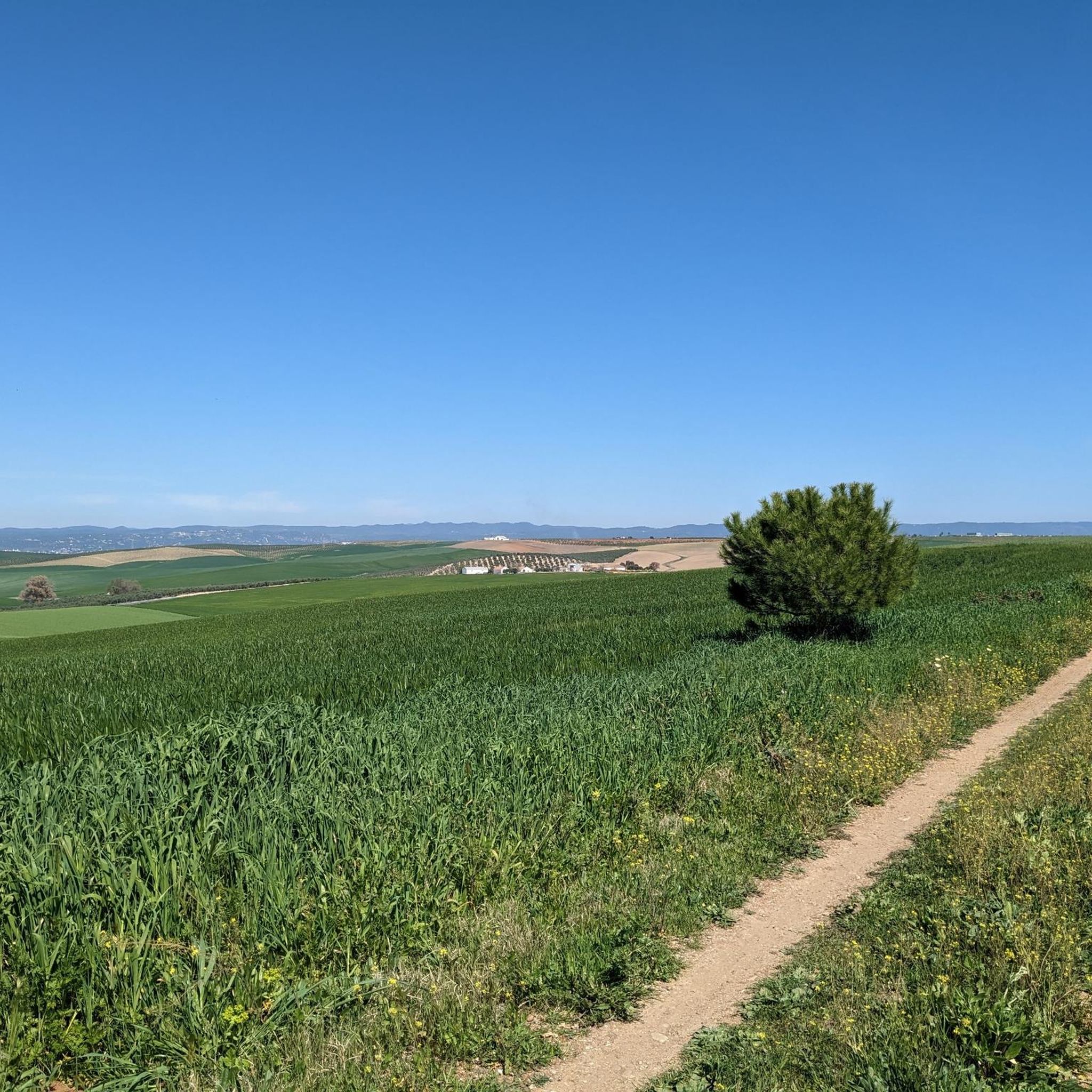
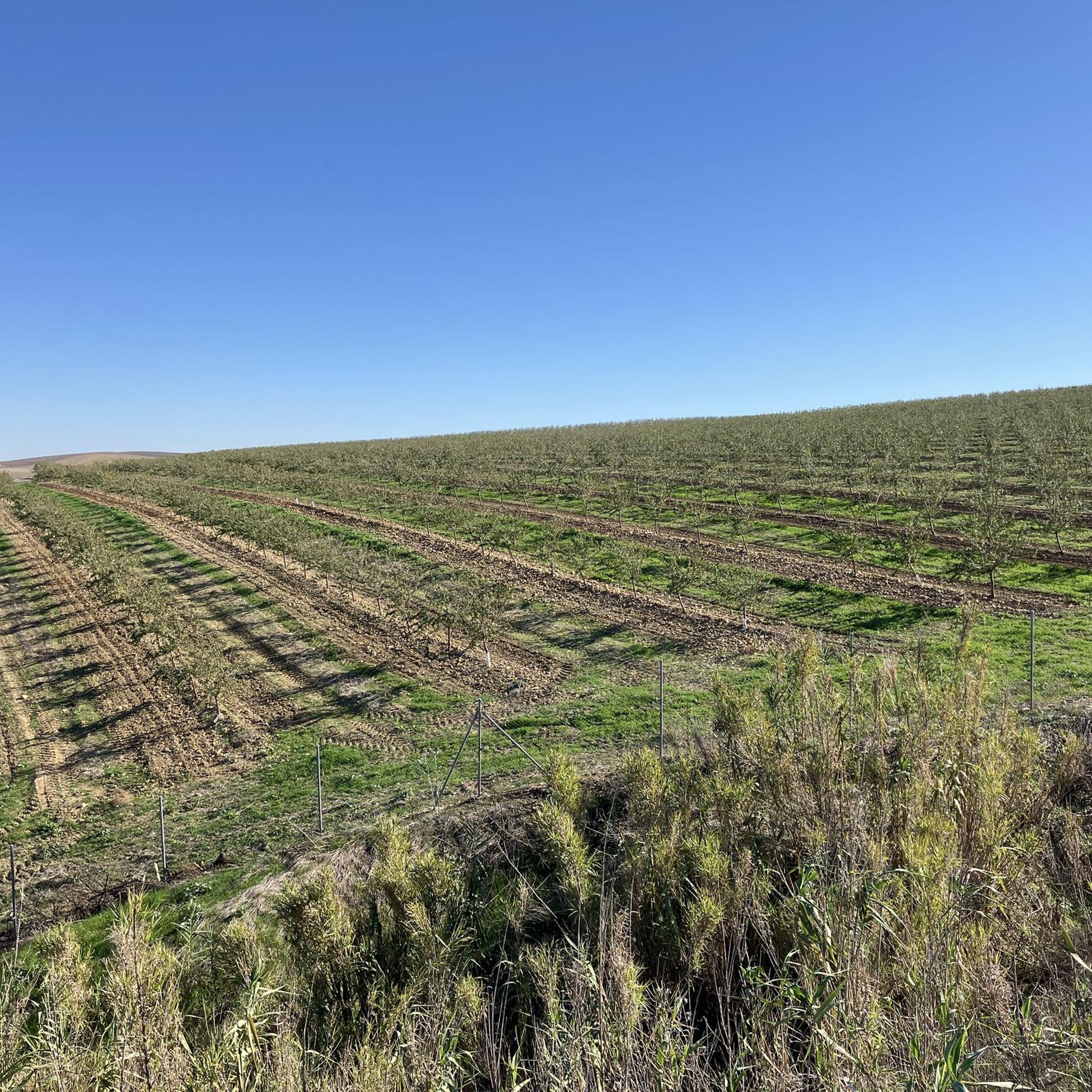
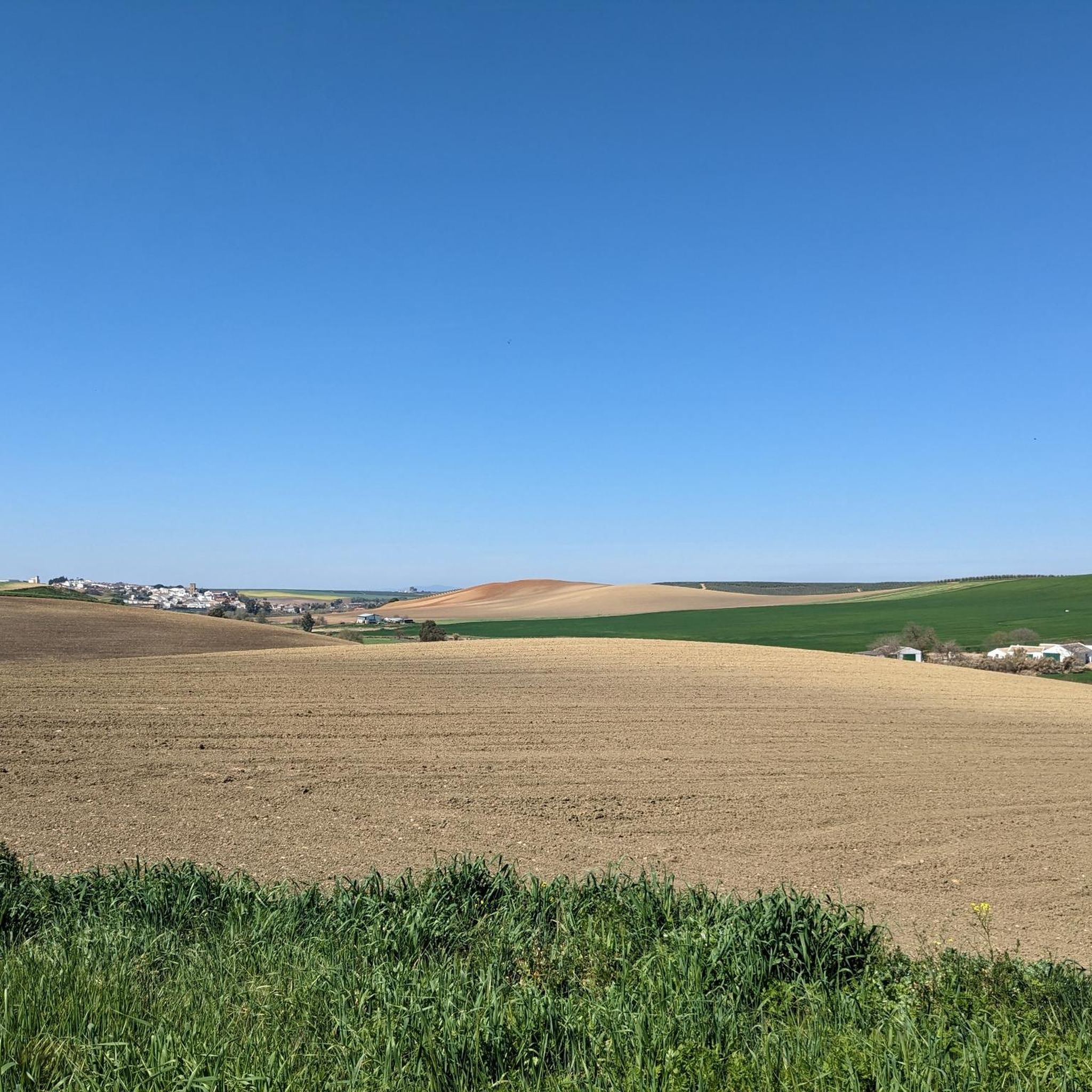

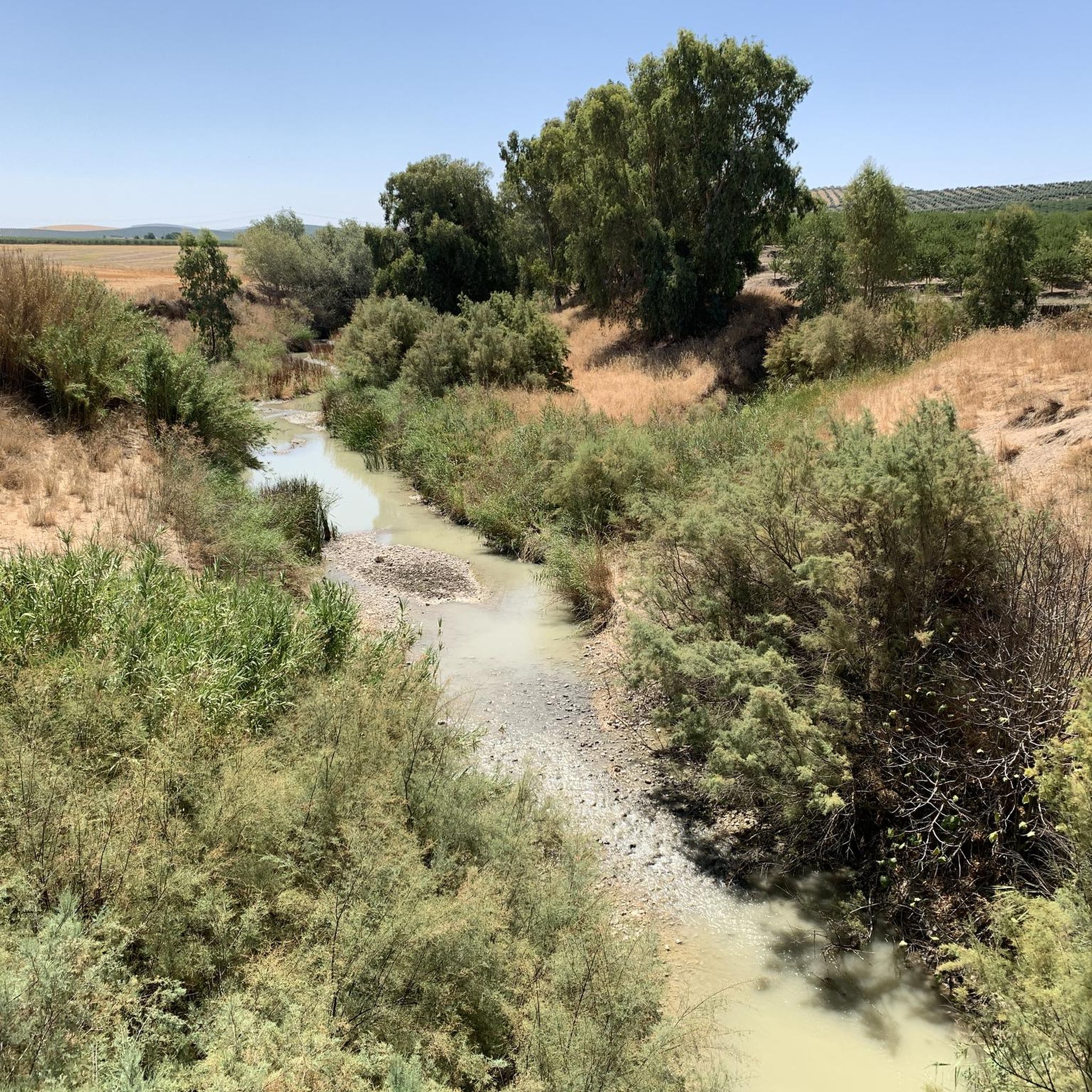
Tips from the Community

give it your all
0
0

Aguilar de la Frontera [2] is a Spanish municipality in the southwest of the province of Córdoba, in the autonomous community of Andalusia. The municipality is located in the region of Campiña Sur Cordobesa [3] and is the seat of the judicial district of the same name. [4] It lies at an altitude of 280 m above sea level [5] and about 47 km from the provincial capital, Córdoba. [6] In 2017, it had 13,476 inhabitants and a population density of 82.01 inhabitants/km². [7]
0
0
The municipality was founded under the leadership of the enlightened Pablo de Olavide and, by 1767, had a Central European population. Funded by the state at the request of King Charles III, the colonization was intended to promote agriculture and industry in an uninhabited area threatened by bandits, as well as to increase the security of the royal road connecting Madrid with Cadiz. Initially, the municipality belonged administratively to La Carlota, which, along with other municipalities, was also founded on this occasion.
1
0
Sebastian, and Easter eggs. It's safe to say that San Sebastián's colonial and "German" roots are still very present among its residents today, and they are often proud of them, so much so that even the local first name is "Sebastianenses" or "Alemanes." But... what about the language? Why has nothing of the language of these settlers survived to this day? The majority of the population was, of course, German, since the French settlers also came from German-speaking areas. It is believed that the first settlers and their children spoke exclusively German. However, when they came into contact with the locals, they had to learn Spanish. Therefore, it is quite possible that for several decades they spoke German among themselves, especially at home, and Spanish on the street or at work. Certainly, there were German expressions used when speaking Spanish, or words from both languages were mixed when speaking (as happens today in Gibraltar, where they speak the famous "Spanglish," a mixture of English and Spanish). Over the years and across generations, the German language fell into disuse until, almost 250 years later, it reached what it is today. It is striking that (at least as far as I know) there is not a single vernacular word or expression in German or of German origin. Proof that German expressions continued to exist in everyday life even when the Sebastianians spoke Spanish was provided to me by a good friend from the city named Sebastian. This man, about 55 years old, remembers how, when he was very young, his grandmother, who was already very old, fed the chickens instead of calling them with a voice of "PITAS, PITAS, PITAS!" He called them in German: KOMM, KOMM, KOMM! (come, come, come).
0
0

The castle of Castro del Rio, known locally as Castillo de Castro del Rio, is located in the centre of the village of the same name. The village of Castro del Rio already existed in Roman times when it was known as Postumianus Castra, Castra Soricaria or Castra Julia. In Moorish times the town was called Qasida or Qasrut and described as a 'strong'. In the 11th century the town fell under the rule of the Taifa of Granada. In the 12th century, under the rule of the Almohads, a walled medina was built. The castle was part of and situated on a corner of the city walls and probably dates from this time. In 1232 the town was conquered by Saint Ferdinand III, King of Castile. He used this border fortress as a stronghold against recurring Moorish attacks. In 1565 the town and castle of Castro del Rio were sold to the Marquis of Priego. It remained the property of the Marquis until the reign of Ferdinand VI, King of Spain, in the mid-18th century. The current ruins of the Castro del Río castle look very dilapidated. The interior of the castle cannot be visited.
8
0
New mural by Baenen artist Javier Castilla Sake. Dedicated to one of the symbols of the municipality: craftsmanship in olive wood
9
0

route with medium difficulty, good physical condition and good footwear are required,
0
0

The information panel indicates the start of the Route of the Germans, from the Landscapes with History programme. The Pozo del Agua Buena, on the street of the same name, is the starting point of our route and one of the 5 wells that already existed in San Sebastián de los Ballesteros at the time of its foundation.
1
0
Frequently Asked Questions
How many road cycling routes are available in La Rambla?
La Rambla offers a good selection of road cycling routes, with over 25 options available. These routes cater to various skill levels, ranging from moderate to difficult.
What is the best time of year for road cycling in La Rambla?
The region of Andalusia, where La Rambla is located, generally offers pleasant conditions for road cycling for much of the year. While specific seasonal advice isn't provided, the diverse terrain and varied gradients suggest that spring and autumn would be ideal for avoiding extreme summer heat and enjoying comfortable temperatures.
What are the typical gradients and terrain like for road cycling in La Rambla?
Road cycling in La Rambla is characterized by scenic mountain roads and varied terrain. You can expect gradients ranging from 3% to 25%, offering a mix of challenging ascents and rolling hills. The routes often lead into the surrounding countryside, providing picturesque views.
Are there road cycling routes suitable for beginners in La Rambla?
While many routes in La Rambla are challenging, there are options suitable for those with moderate fitness. For example, the Roman cisterns of Monturque – Plaza de San José loop from La Rambla is a moderate 39.4-mile path that explores the countryside, offering a less strenuous experience compared to the more difficult routes.
What about challenging road cycling routes for experienced riders?
Experienced riders will find plenty of challenging routes in La Rambla. Many routes feature significant elevation gains, with some involving over 1500 feet of climbing. The Plaza de San José – Castillo del Moral loop from La Rambla is a difficult 63.9-mile route with substantial elevation gain, taking over 5 hours to complete.
Are there circular road cycling routes around La Rambla?
Yes, many of the road cycling routes around La Rambla are designed as loops, allowing you to start and finish in the same location. Examples include the La Rambla, Pottery City – Ducal Palace of Fernán Núñez loop from La Rambla and the Montilla – Castro del Río Castle loop from La Rambla.
What scenic viewpoints or landmarks can I see along the road cycling routes in La Rambla?
The region offers several notable landmarks and scenic spots. You might encounter views of the impressive Castillo de Almodóvar del Río, a well-preserved Moorish castle, or the historic Ducal Palace of Fernán Núñez. The Via Verde de la Campiña, a beautiful gravel road, also offers a unique cycling experience.
Are there places to refill water or take a break along the routes?
Yes, cyclists can find convenient spots for breaks and hydration. The Guadalcazar Recreation Area is a perfect spot to take a break and refill water bottles from a fountain. Additionally, other water fountains are available in towns like Guadalcazar, providing essential stops.
What do other road cyclists say about the routes in La Rambla?
The road cycling routes in La Rambla are highly regarded by the komoot community, with an average score of 5.0 stars from reviews. Over 350 road cyclists have used komoot to explore the varied terrain, often praising the scenic mountain roads and diverse gradients.
Are there family-friendly road cycling paths in La Rambla?
While many routes involve significant elevation, some of the moderate routes on mostly paved surfaces can be suitable for families with good fitness levels. The region also features 'ramblas' (sandy riverbeds) and mountain tracks for off-road cycling, which might offer easier sections, though these are typically for mountain or gravel bikes rather than road bikes.
What is the typical length and duration of road cycling routes in La Rambla?
Road cycling routes in La Rambla vary significantly in length and duration. You can find routes ranging from around 39 miles (63 km) to over 63 miles (102 km). Durations can range from approximately 3 hours to over 5 hours, depending on the route's length and difficulty, such as the La Rambla – Montilla loop from La Rambla which is about 40 miles and takes around 3 hours.
Most popular attractions around La Rambla

Get inspired with the komoot mobile app


Explore more
Browse the best Road cycling routes in other regions.
