The best road cycling routes around Huécija
4.5
(25)
613
riders
13
rides
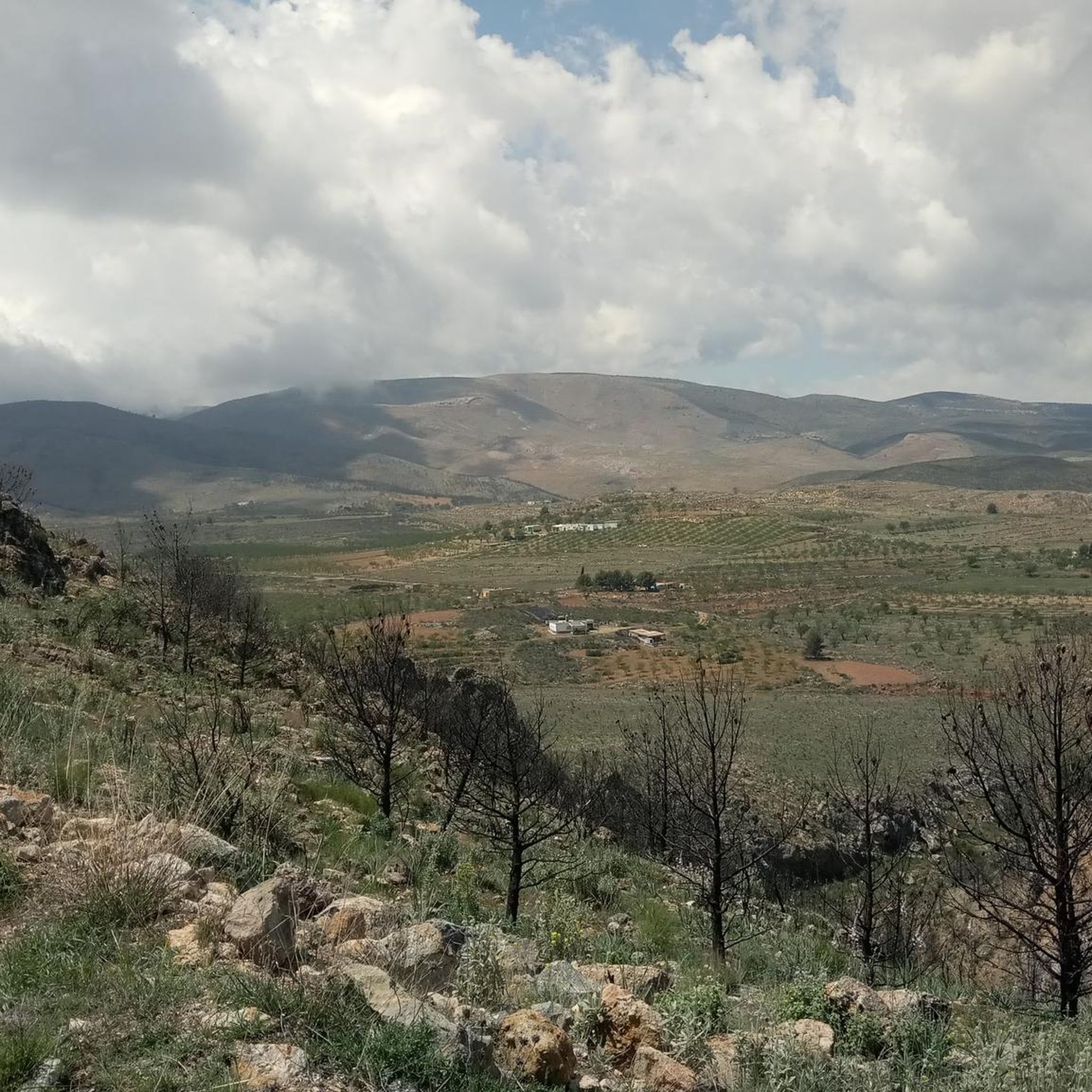
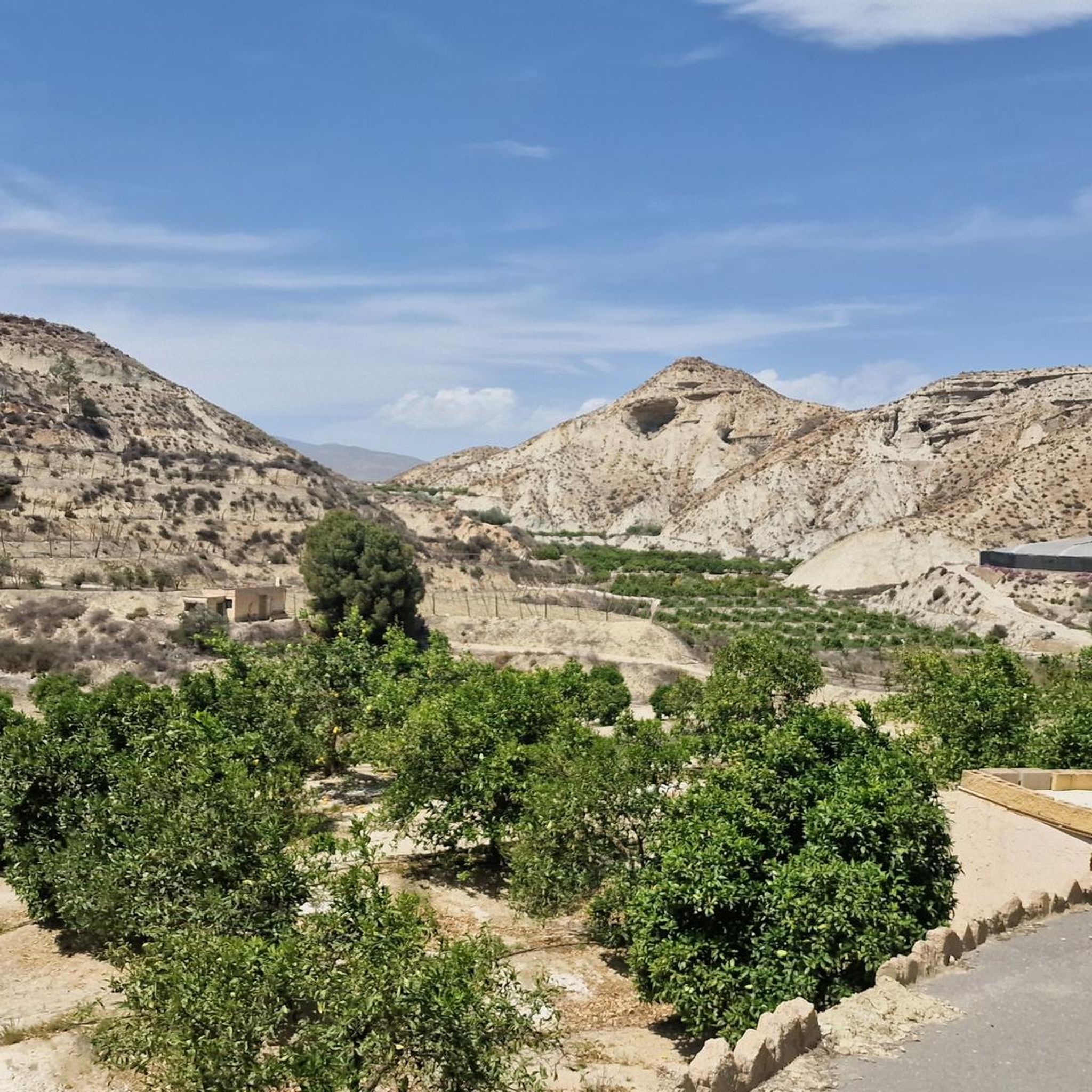
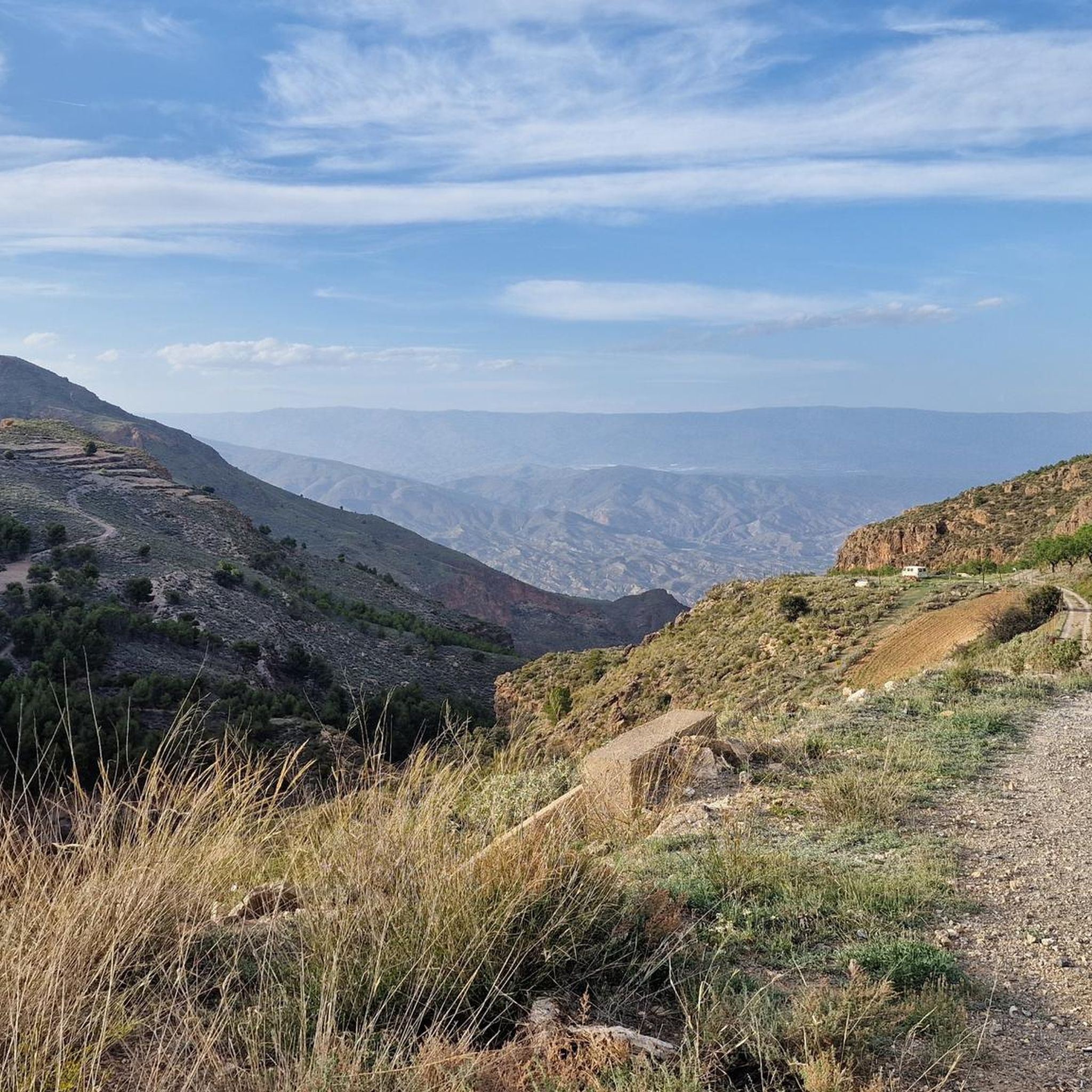
Road cycling routes around Huécija are situated in the Valle Medio del Andarax, on the slopes of the Sierra de Gádor in Almería, Spain. This region features a diverse landscape with mountainous roads, varied topography, and quiet stretches. Cyclists encounter significant elevation gains, with routes often traversing steep valleys and offering views of the Sierra de Gádor and the fertile Valle Medio del Andarax. The area provides a mix of challenging terrain and scenic roads for road cyclists.
Best road…
Last updated: July 10, 2026
5.0
(1)
19
riders
60.8km
03:08
1,030m
1,030m
Hard road ride. Very good fitness required. Mostly well-paved surfaces and easy to ride.
3.4
(18)
270
riders
57.5km
02:39
630m
630m
Moderate road ride. Good fitness required. Mostly well-paved surfaces and easy to ride.

Sign up for free
31
riders
106km
04:31
750m
750m
Moderate road ride. Good fitness required. Some segments of this route may be unpaved and difficult to ride.
5.0
(1)
18
riders
36.1km
01:58
690m
690m
Moderate road ride. Good fitness required. Mostly well-paved surfaces and easy to ride.
3.0
(1)
9
riders
45.4km
02:15
700m
700m
Moderate road ride. Good fitness required. Mostly well-paved surfaces and easy to ride.
Get access to more routes and recommendations from other explorers.
Sign up for free
Already have an account?
Our route recommendations are based on thousands of hikes, rides, and runs completed by other people on komoot.
Start today with a free account
Your next adventure awaits.
Login or Signup

Tips from the Community

Tower of San Miguel (Cabo de Gata) Almeria
2
0

The Torreón de San Miguel, also known as the Torreón de Cabo de Gata, is an 18th-century military watchtower located in Cabo de Gata, Almería, Andalusia. It was built in 1756 by order of Ferdinand VI to protect the settlement of La Almadraba de Monteleva and its salt mines.
2
0

To do series and train both the ascent and the descent
0
0
Good area to start warming up for a long ride
0
0
The Torreón de San Miguel, also known as the Torreón de Cabo de Gata, is an 18th-century military watchtower located in San Miguel de Cabo de Gata. It was built in 1756 by order of King Ferdinand VI to protect the settlement of La Almadraba de Monteleva and its salt mines, following the destruction of an earlier tower of Andalusian origin. Although it is currently abandoned, there is a municipal project for its restoration and possible use as a tourist office, as part of the Plan for Large Cities.
3
0

Íllar is a southern Spanish village and municipality (municipio) in the province of Almería with 460 inhabitants (as of 2024).
0
0
The Cabo de Gata Salt Flats are a group of wetlands located in the Cabo de Gata-Níjar Natural Park, in the province of Almería, Andalusia. These salt flats have a surface area of approximately 300 hectares and are the only salt flat in eastern Andalusia.
4
0
Frequently Asked Questions
What kind of terrain and elevation can I expect on road cycling routes around Huécija?
Road cycling routes around Huécija are characterized by diverse terrain, including mountainous roads and varied topography. You can expect significant elevation gains, with routes often traversing steep valleys. It's common to encounter an elevation gain of 1,000 meters for every 50 kilometers in the hills of Andalusia, making it a challenging area for road cyclists seeking climbs.
Are there road cycling routes suitable for beginners or those seeking an easier ride?
While the region is known for its challenging terrain, there are routes with moderate difficulty. For example, the Baños de Sierra Alhamilla and Andarax Valley Loop is a moderate 27.3-mile (44.0 km) path offering varied terrain through the Andarax Valley. Overall, there are 7 moderate routes available, providing options for different fitness levels.
Where can I find challenging road cycling routes with significant climbs?
Huécija is ideal for cyclists seeking challenging climbs. Routes like the Valleys of the Nacimiento and Andarax Rivers — circular from Alhabia, a difficult 37.8-mile (60.8 km) trail, feature significant climbs through river valleys. Another difficult option is the Alicún-Huécija Viewpoint – Vícar to Felix Road loop from Terque, which includes mountainous roads and over 1400 meters of elevation gain. The broader Sierra de Gádor area is known for its mountainous roads with curves in steep valleys, providing ample challenging climbs.
What natural features or landmarks can I see while road cycling near Huécija?
The region offers stunning natural features. You can encounter the impressive Rambla de los Yesos gorge with its dark sand and gypsum walls, or the picturesque mountain lagoon of Balsa de la Chanata in the Sierra de Gádor. Higher elevations also provide partial views of the 'Mar de Plástico' (Sea of Plastic) and impressive vistas of the Sierra Nevada peaks.
Are there routes with particularly scenic viewpoints?
Yes, many routes offer scenic viewpoints. The Alicún-Huécija Viewpoint – Vícar to Felix Road loop from Terque specifically passes by viewpoints. From the Sierra de Gádor, you can enjoy panoramic views of the surrounding area, including the Valle Medio del Andarax, and even distant views of the Sierra Nevada. The former site of Castillo de Marchena, Cerro de Marchena, also offers expansive vistas.
When is the best time of year for road cycling in Huécija?
Huécija benefits from a warm, year-round cycling climate with over 3,000 hours of sunshine annually. Spring and autumn are generally ideal, offering pleasant temperatures. While cycling is possible year-round, the summer months of July and August can be very hot, so it's advisable to plan rides for early mornings or late afternoons during this period.
Are there specific parking facilities for cyclists in Huécija?
While specific dedicated cyclist parking facilities are not detailed, the region's quiet roads and smaller towns like Huécija generally offer accessible parking options. It's recommended to check local signage upon arrival or inquire with local establishments for the most convenient places to park your vehicle.
Can I reach Huécija using public transport with my bike?
Information regarding public transport options specifically accommodating bikes to Huécija is limited. Public transport in rural Spanish areas can sometimes be restrictive for bikes. It's advisable to check with regional bus services (e.g., Alsa, if operating in the area) directly for their bike carriage policies and schedules before planning your trip.
What do other road cyclists enjoy most about road cycling in Huécija?
The area is highly rated by the komoot community, with an average score of 4.6 stars from over 13 reviews. Reviewers often praise the diverse landscape, the mix of challenging mountainous roads and quiet stretches, and the stunning natural vistas. The varied topography and the opportunity for significant climbs are also frequently highlighted.
Are there any circular road cycling routes available around Huécija?
Yes, there are several circular routes. A popular option is the Valleys of the Nacimiento and Andarax Rivers — circular from Alhabia. Another well-liked loop is the Alicún-Huécija Viewpoint – Vícar to Felix Road loop from Terque. These routes allow you to start and finish in the same location, offering convenient exploration of the region.
What are the typical road surfaces like for cycling in this region?
Andalusia, where Huécija is located, is known for its excellent road surfaces. Cyclists can generally expect well-maintained roads, often with traffic-free conditions, contributing to an enjoyable and safe cycling experience. Some routes may also feature varied surfaces, including quiet stretches and occasional gravel sections, as mentioned in the broader region's cycling appeal.
Are there any specific routes that explore the Valle Medio del Andarax?
Yes, the Valle Medio del Andarax is a prominent feature of the region's cycling landscape. The Baños de Sierra Alhamilla and Andarax Valley Loop specifically takes you through this valley, showcasing its fertile land with vineyards and fruit trees alongside more arid terrain. The Valleys of the Nacimiento and Andarax Rivers — circular from Alhabia also features significant climbs through river valleys, including the Andarax.
How many road cycling routes are available around Huécija?
There are over 10 road cycling routes available around Huécija, catering to various abilities. These include 7 moderate routes and 4 difficult routes, ensuring options for both experienced cyclists and those looking for a less strenuous ride.
Most popular attractions around Huécija

Get inspired with the komoot mobile app


Explore more
Browse the best Road cycling routes in other regions.
