The best walks and hikes around Bargota
4.5
(95)
909
hikers
50
hikes
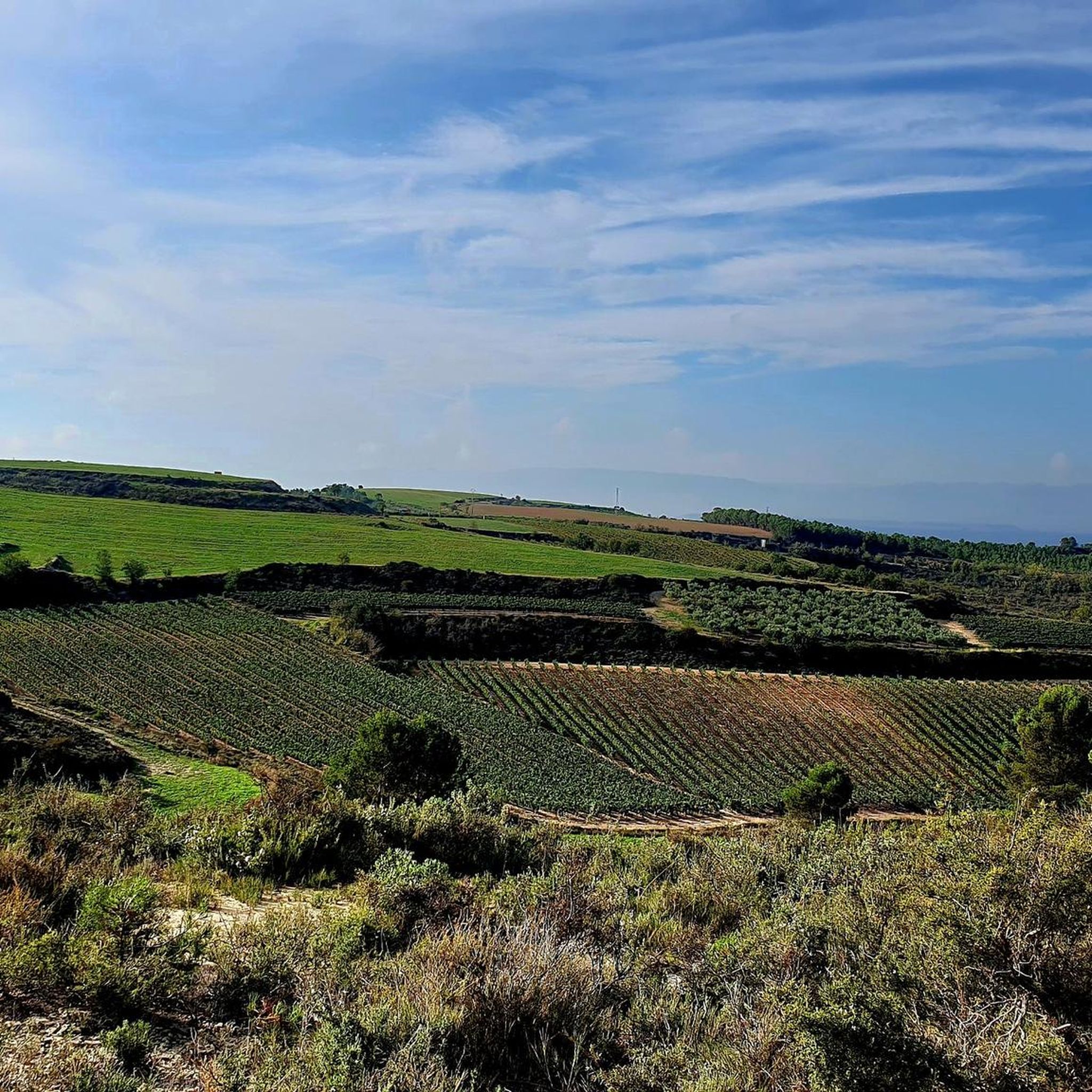
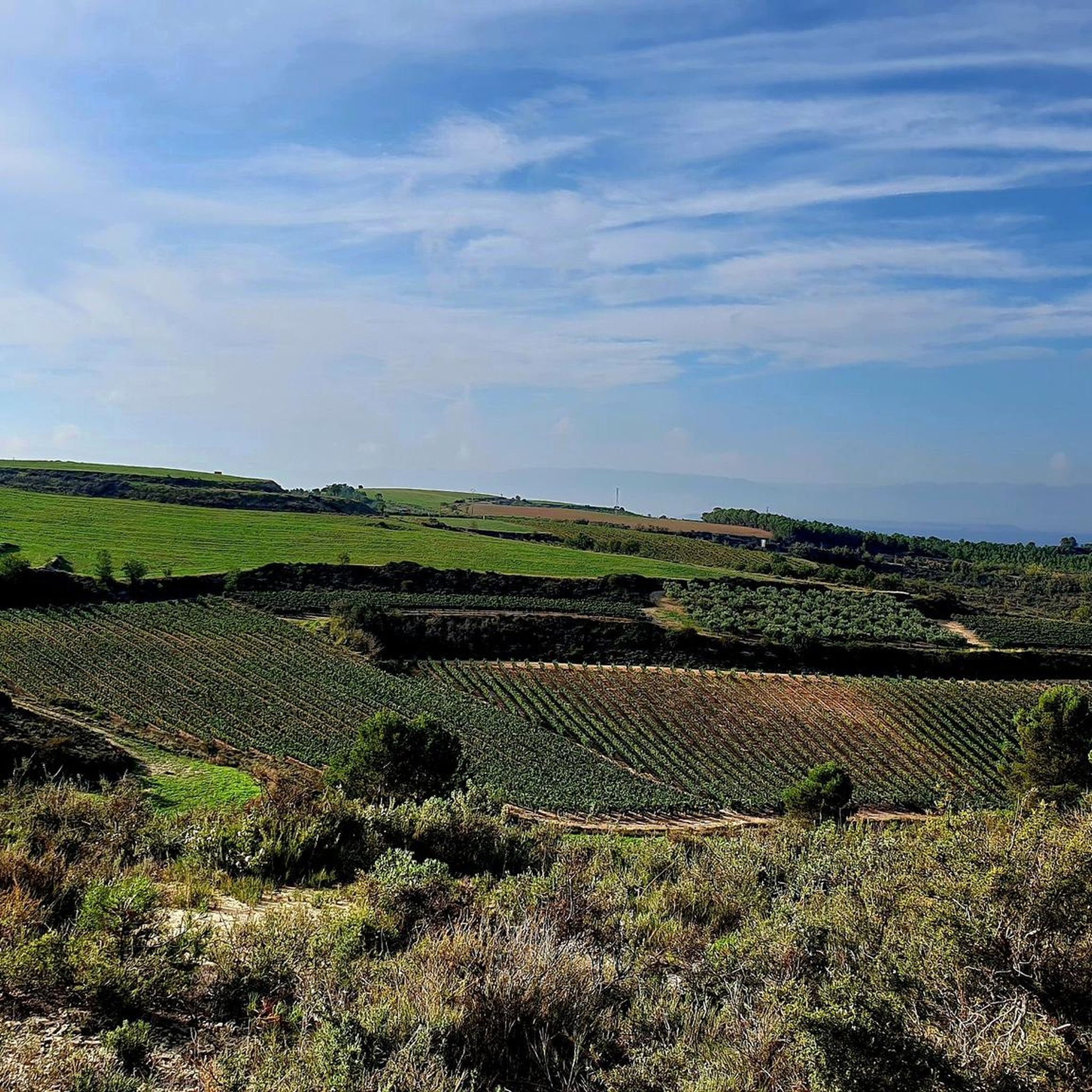
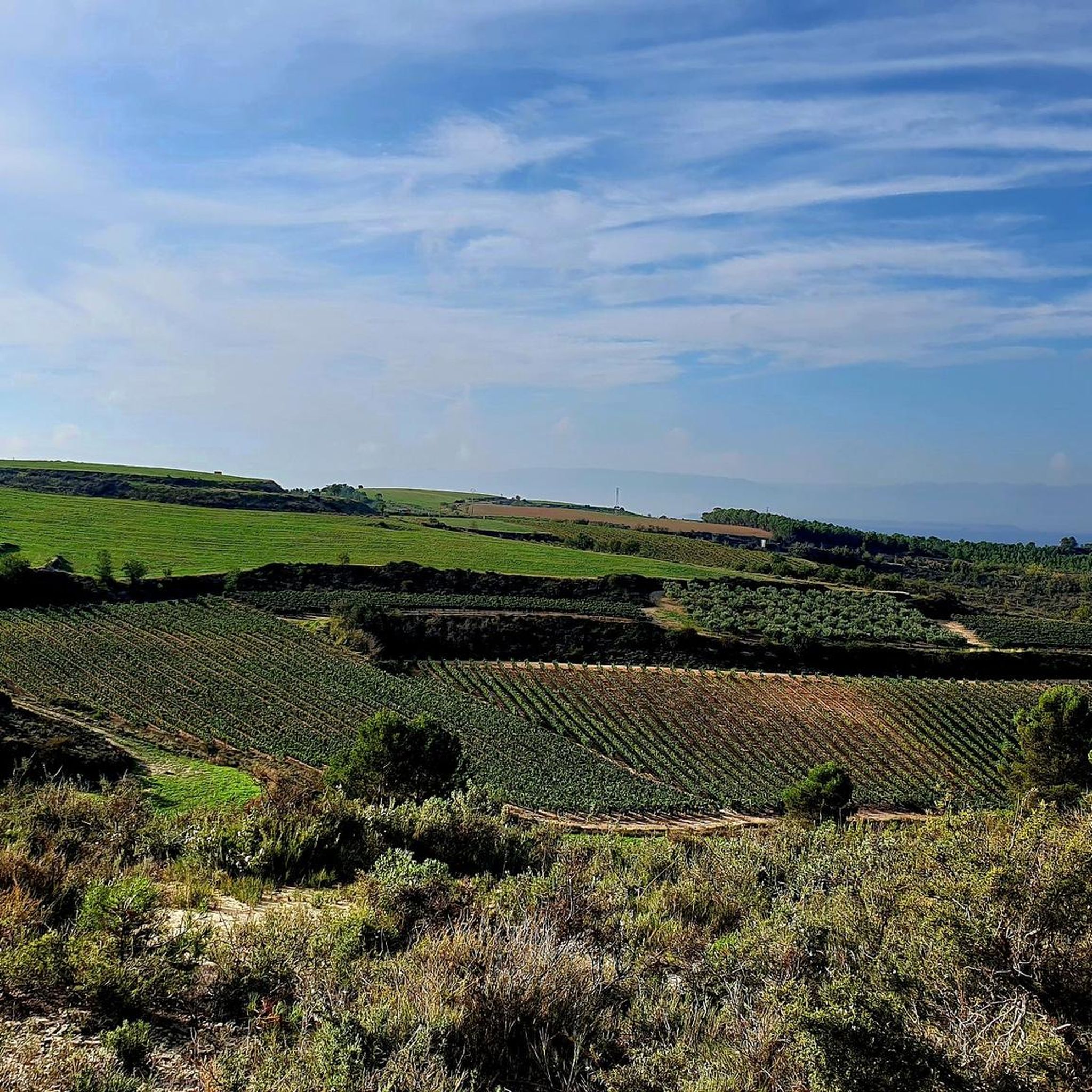
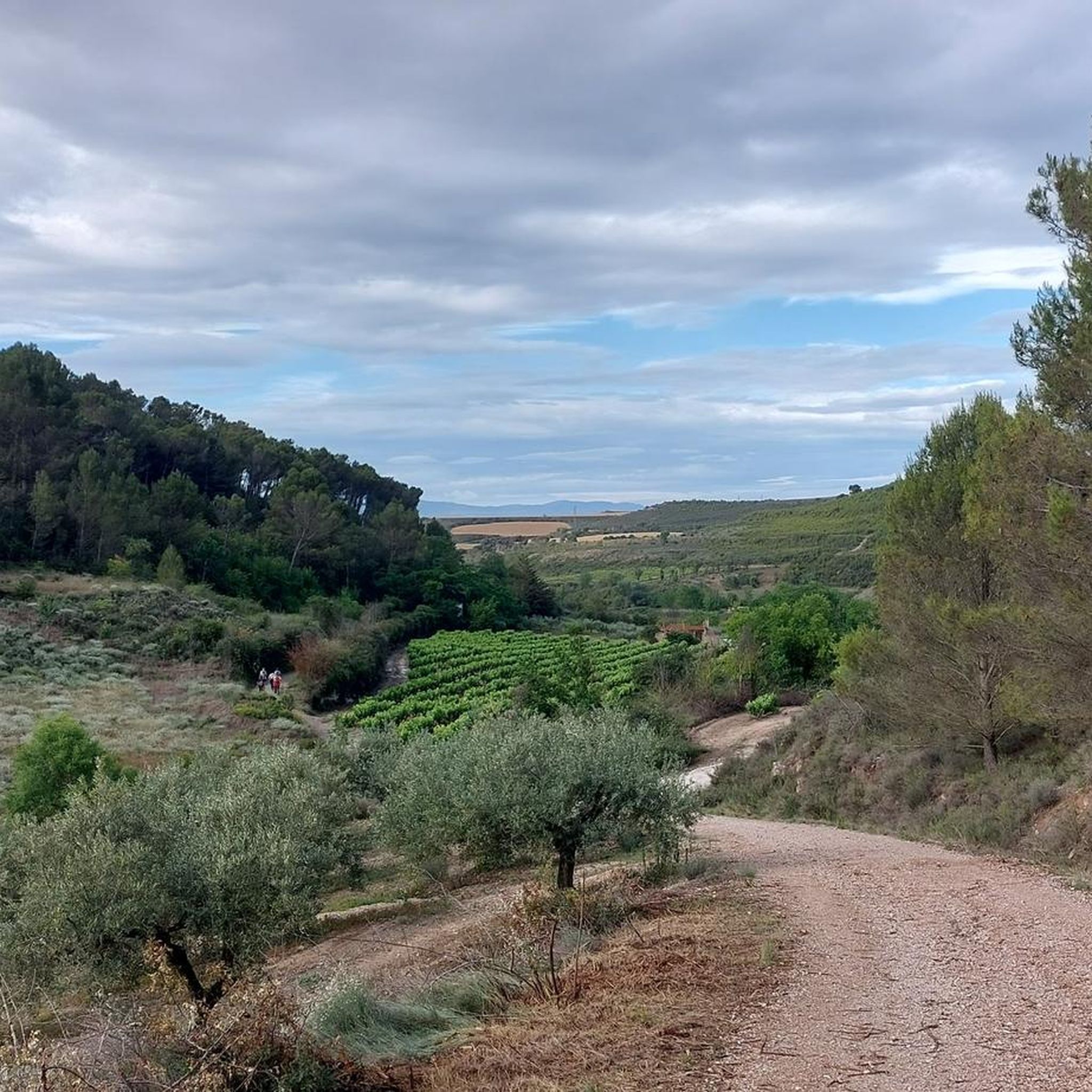
Hiking around Bargota offers access to varied landscapes, including sections of the historic Camino Francés, a UNESCO World Heritage Site. The region transitions from the mountainous terrain of Navarra to the rolling hills and vineyards of La Rioja, sustained by the Ebro river. Local trails feature *quejigal* dry oak forests with rockrose and juniper, alongside agricultural areas. This blend of pilgrimage routes and distinct natural environments provides diverse hiking experiences.
Best hiking trails around Bargota
- The most popular hiking route…
Last updated: July 2, 2026
5.0
(1)
3
hikers
6.76km
03:22
710m
720m
Moderate hike. Good fitness required. Mostly accessible paths. Sure-footedness required.
13.4km
03:29
80m
70m
Moderate hike. Good fitness required. Easily-accessible paths. Suitable for all skill levels.

Sign up for free
4.7
(6)
118
hikers
13.7km
03:35
100m
100m
Moderate hike. Good fitness required. Easily-accessible paths. Suitable for all skill levels.
5.0
(2)
34
hikers
9.90km
04:12
730m
720m
Moderate hike. Good fitness required. Mostly accessible paths. Sure-footedness required.
4.0
(2)
23
hikers
Hard hike. Good fitness required. Sure-footedness, sturdy shoes and alpine experience required.
Get access to more routes and recommendations from other explorers.
Sign up for free
Already have an account?
Our route recommendations are based on thousands of hikes, rides, and runs completed by other people on komoot.
Start today with a free account
Your next adventure awaits.
Login or Signup

Tips from the Community

beautiful hermitage with a 2.5k climb at an average of 11%
0
0

The trail runs through the beech forest and ends at Joar Peak (1,417 m), the highest point in the Codés mountain range. The summit houses a telecommunications center and antennas of all kinds. There is also the service lane that ascends from Santa Cruz de Campezo, used by mountain bikers. The geodetic vertex is next to the antennas, but the stop is a few meters further on, at the cliffs where the sculptures and the best views are located. The atmosphere is magnificent on both sides. The route returns along the same path and descends again through the beech forest to begin the ascent to La Plana Peak.
0
0
The route follows the red and white GR-1 markings to the plain of La Llana Pass. At several points, other trails appear, but they are shortcuts, variants, or detours to different parts of the mountain range. The path is easy to follow despite the steep slope and the loose stone scree. The trail passes near the impressive limestone tower of Peña de los Cencerros and continues toward the mouth of the two prominent peaks of the mountain range at the entrance to the La Llana plateau. At the GR-1 marker, a path leads off to each side, and the Historic Trail continues straight ahead to Santa Cruz de Campezo. The climb to the summit of Joar begins along the path on the left, first through bushes and then through a welcoming beech forest nestled in the limestone slope of the mountain's north face. These unique forests are isolated near the peaks and are the southernmost beech forests in Navarre.
0
0
The Sanctuary of the Virgin of Codés is located at the foot of the mountain range. It is a splendid 16th-century building built on the remains of a hermitage. The Baroque tower dates from the 18th century. The holy water fountain is next to the arcades, and there is also a guesthouse and gardens for relaxing and passing the time. The route climbs to the left of the building to a parking lot where signs and signs display the hiking trails. The path continues along the GR-1 long-distance trail, the Historical Trail, to Santa Cruz de Campezo, on the Álava side of the mountain range. The path is quite steep through a tunnel of oak trees, some of which are centuries old and stand out in a disturbing way against the dense forest.
1
0

Dangerous area if wet. There are staples on the wall for easier climbing.
0
0

The place is on a hill. It looks very beautiful when you walk towards it.
0
0

A very nice little place with a beautiful church that is definitely worth a visit
1
0

Cloister of the Basilica of Santa Maria
5
1
Frequently Asked Questions
How many hiking trails are available around Bargota?
There are over 50 hiking trails around Bargota, offering a wide range of options for different skill levels and interests. You'll find everything from easy walks to more challenging ascents.
What kind of landscapes can I expect to see while hiking near Bargota?
Hiking near Bargota offers a diverse range of landscapes. You'll experience sections of the historic Camino Francés, transitioning from the mountainous terrain of Navarra to the rolling hills and vineyards of La Rioja, sustained by the Ebro river. Local trails also feature unique *quejigal* dry oak forests with rockrose and juniper, alongside picturesque agricultural areas.
Are there easy hiking options for beginners or families in Bargota?
Yes, Bargota offers a good selection of easy hiking options. There are 12 trails specifically rated as easy, perfect for beginners or families looking for a more relaxed outdoor experience. These routes allow you to enjoy the natural beauty without significant elevation changes.
What are some notable natural features or landmarks to look out for on Bargota's trails?
The area around Bargota is rich in natural and historical landmarks. You can explore the unique *quejigal* (Garrigue oak forest) on local trails or discover the historic Arbanta irrigation complex. For stunning views, consider the View of Sansol. Hikers can also reach the Joar Summit (1,414 m) for panoramic vistas, or visit the ancient Three-Legged Holm Oak, a natural monument.
Are there any circular hiking routes around Bargota?
Yes, many of the trails around Bargota are circular, allowing you to start and end your hike in the same location. For example, the Grudo – Joar Summit (1,414 m) loop from Torralba del Río is a popular circular route that takes you through varied terrain to a significant summit.
What is the best time of year to go hiking in Bargota?
The region's Mediterranean climate makes spring and autumn ideal for hiking in Bargota. During these seasons, temperatures are milder, and the landscapes are particularly vibrant, whether with spring blooms or autumn colors in the vineyards and oak forests. Summer can be warm, while winter offers a different, often quieter, experience.
What do other hikers enjoy most about the trails in Bargota?
The trails in Bargota are highly rated by the komoot community, with an average score of 4.6 stars from over 80 reviews. Hikers frequently praise the blend of historic pilgrimage routes, the unique dry oak forests, and the picturesque agricultural vineyards. The varied terrain and options for different ability levels are also often highlighted.
Is Bargota a good base for exploring the Camino Francés?
Yes, Bargota is well-situated along the Camino Francés, a UNESCO World Heritage Site. This makes it an excellent base for experiencing sections of this historic pilgrimage route, which exposes hikers to diverse landscapes as it traverses through various regions of northern Spain, including the transition from Navarra to La Rioja.
Are there any trails that follow the Ebro River?
Yes, you can find trails that follow the Ebro River, offering scenic riverside views and a glimpse into the region's agricultural heritage. The Agoncillo and Ebro River Loop is a moderate path that showcases these landscapes and riverside scenery.
Are there any specific trails that highlight the local flora, such as oak forests?
Absolutely. The region is known for its *quejigal* (Garrigue oak forests). The 'El Quejigal de Bargota (Sendero 1)' trail specifically highlights this unique ecosystem, where you can observe rockrose (cistus) and juniper alongside holm oaks within the tree mass, adapted to the Mediterranean climate.
What is the typical duration for a moderate hike around Bargota?
For moderate hikes around Bargota, you can generally expect durations ranging from 3 to 4 hours. For instance, the View of Sansol – Scenic Path to Sansol loop from Sansol, which is 13.7 km, typically takes about 3 hours and 35 minutes to complete.
Where can I find more information about hiking in the broader Navarra region?
For more information about hiking opportunities and trails throughout the Navarra region, you can visit the official tourism website: visitnavarra.es/en/hiking.
Most popular attractions around Bargota

Get inspired with the komoot mobile app


Explore more
Browse the best Hikes in other regions.
