The best road cycling routes around Fuentenovilla
4.5
(4)
292
riders
27
rides
Road cycling routes around Fuentenovilla traverse the Alcarria region, characterized by rolling hills, open fields, and traditional agricultural landscapes. The area provides access to the Tajuña River Valley, offering scenic views and varied terrain suitable for road cycling. The Vía Verde del Tajuña, a greenway built on an old railway line, extends nearby, providing smooth cycling experiences. This region in Guadalajara features a mix of river valleys, meadows, and scrubland, creating diverse cycling environments.
Best road cycling routes around Fuentenovilla
…Last updated: May 15, 2026
21
riders
44.2km
02:10
520m
510m
Moderate road ride. Good fitness required. Some segments of this route may be unpaved and difficult to ride.
9
riders
72.3km
03:12
720m
720m
Moderate road ride. Good fitness required. Mostly well-paved surfaces and easy to ride.

Sign up for free
9
riders
88.0km
04:03
970m
970m
Hard road ride. Very good fitness required. Some segments of this route may be unpaved and difficult to ride.
7
riders
86.0km
04:04
1,110m
1,100m
Hard road ride. Very good fitness required. Mostly well-paved surfaces and easy to ride.
7
riders
30.1km
01:19
290m
290m
Easy road ride. Great for any fitness level. Mostly well-paved surfaces and easy to ride.
Get access to more routes and recommendations from other explorers.
Sign up for free
Already have an account?
Our route recommendations are based on thousands of hikes, rides, and runs completed by other people on komoot.
Start today with a free account
Your next adventure awaits.
Login or Signup
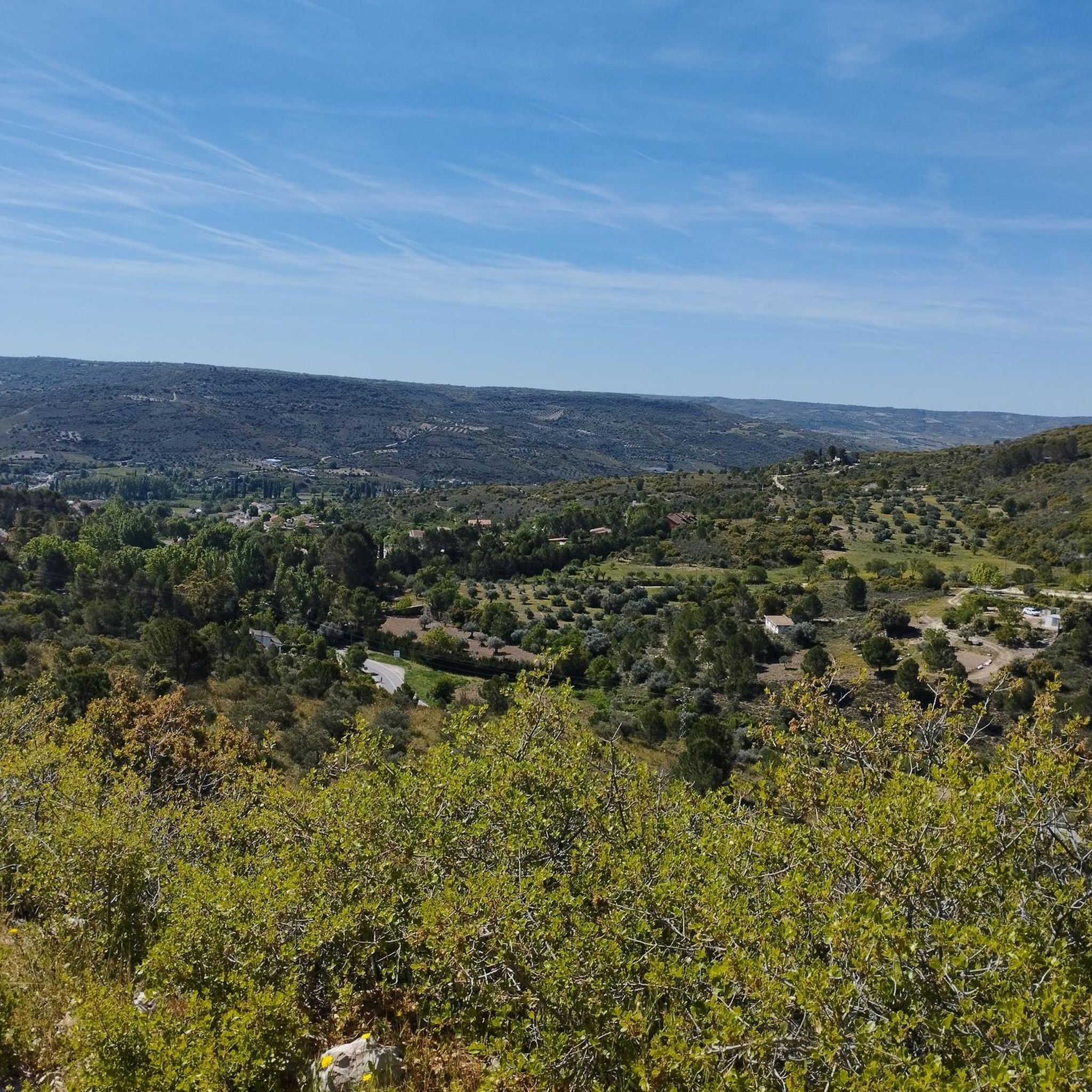
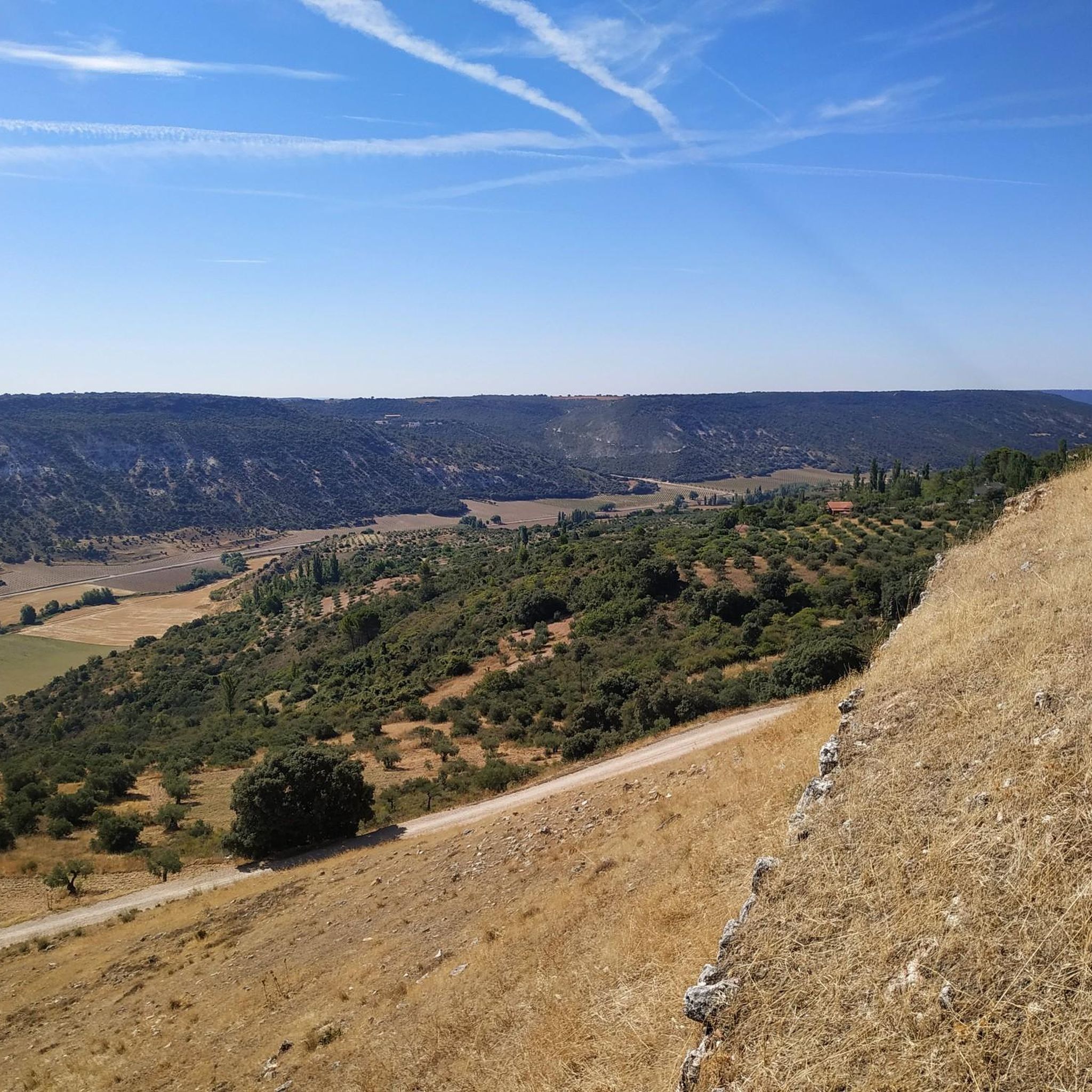
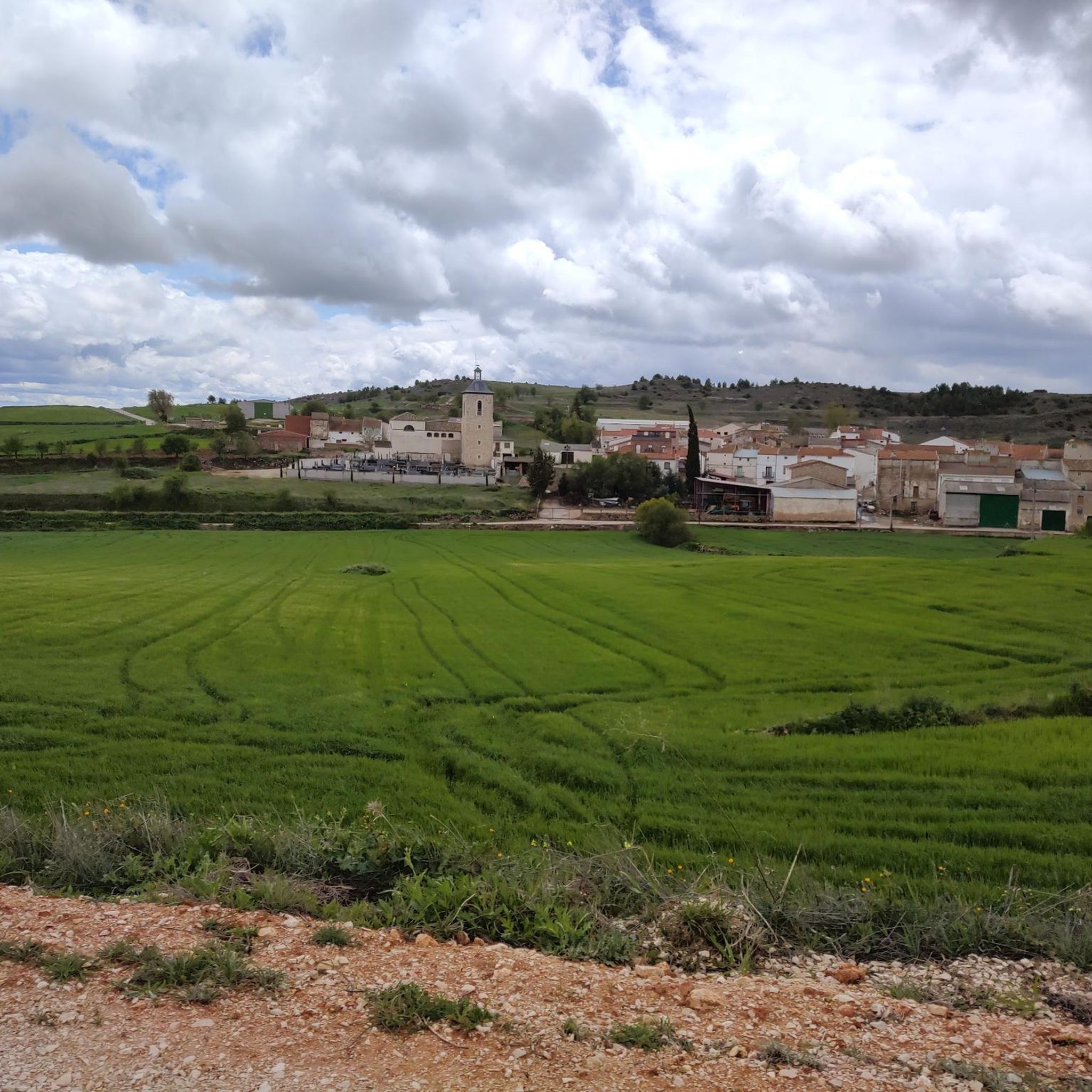
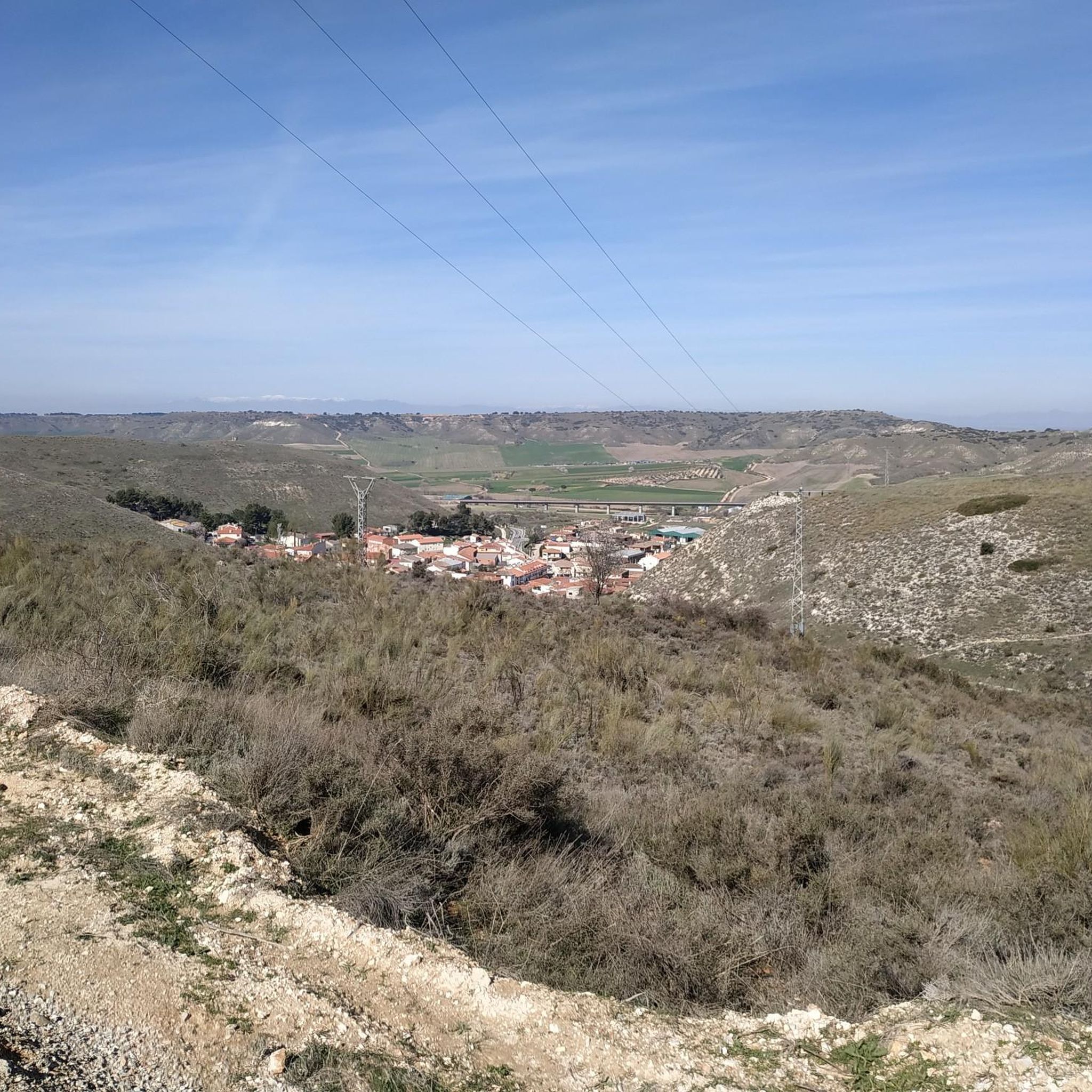

Tips from the Community

In restoration works, it presents a beautiful appearance
2
0

Estremera is the easternmost town in the Community of Madrid, bordering Castilla-La Mancha. It has a beautiful church, as well as accommodation, restaurants and shops.
1
0
The castle of Vállaga, today in ruins, is a fortification of Arab origin built in the 12th century that was later used as a wine cellar and known as the Cuevas del Marqués.
1
0
The castle of Almoguera dates from the 15th century, although it was built on the ruins of an old Arab fortification. Little remains of this medieval construction, as the current castle is a reconstruction from the end of the 20th century.
1
0

In the main square, centered by a large fountain with four spouts that ends in a ball on which the date 1832 appears, the clock tower stands out, with several bodies, and the building of the parish church, dedicated to San Pedro Apóstol.
3
0
Interesting work of the s. XV, which allows us to appreciate how a castle was arranged when the use of artillery had already been imposed: harquebuses and cannons. It is erected on a plain, and preserves both its interior and towers, as well as the outer enclosure and the moat. Free access to the outside. To visit the interior, contact the Pioz town hall, telephone 949.272.076.
3
0
In the plain of the Arles river, between the Tagus and the Tajuña, the Villa Ducal de Pastrana welcomes us. Its multiple samples of artistic and cultural heritage have given it the title of Artistic Historical Site. Pastrana is enriched with figures and literary stories; Thus, its Carmelite convents were founded by Saint Teresa and Saint John of the Cross. Moratín later settled in the town for long periods of time and, closer to our days, Camilo José Cela immortalized it by portraying it in his Viaje a la Alcarria. The Plaza de la Hora is governed by the imposing Ducal Palace, in Renaissance style and with an abundance of Mannerist elements. Some wonderful coffered ceilings also designed by Alonso de Covarrubias, in Plateresque style, have been preserved. Likewise, the skirting boards of Toledo tiles in the Mudejar style stand out. It offers its visitors the opportunity to visit various museums and emblematic monuments of the town. DUCAL PALACE TAPESTRY MUSEUM SANTA TERESA V CENTENARY MUSEUM
18
0

Unbeatable views over Loranca de Tajuña and the valley from the ruins of the Jesús del Monte Convent.
0
0
Frequently Asked Questions
What kind of terrain can I expect on road cycling routes around Fuentenovilla?
Road cycling around Fuentenovilla primarily features rolling hills, open fields, and traditional agricultural landscapes characteristic of the Alcarria region. You'll also find routes traversing the scenic Tajuña River Valley, offering a mix of meadows, scrubland, and varied terrain.
How many road cycling routes are available in the Fuentenovilla area?
There are over 25 road cycling routes available around Fuentenovilla, catering to various skill levels. The komoot community has explored these routes over 280 times.
Are there any easy road cycling routes suitable for beginners or families?
Yes, there are routes suitable for beginners. For example, the Mondéjar loop from Mondéjar is an easy 18.7-mile (30.1 km) path, offering a pleasant ride through the local landscape. The Vía Verde del Tajuña, a greenway built on an old railway line, also offers smooth cycling experiences suitable for various fitness levels.
What are some challenging road cycling routes for experienced riders?
For experienced riders seeking a challenge, routes like the Ascent to Pastrana – Pioz Castle loop from Pezuela de las Torres offer significant elevation gains over 53.4 miles (86 km). Another demanding option is the Pine Forest Trail – Monument to the Eyes loop from Pezuela de las Torres, which covers 54.6 miles (87.9 km) with nearly 1,000 meters of ascent.
What historical landmarks or natural features can I see along the road cycling routes?
Many routes pass by or near historical and natural points of interest. You might encounter the 16th-century picota in Fuentenovilla's Plaza Mayor, or the Church of Nuestra Señora de la Asunción. Notable attractions in the wider area include Pioz Castle, the Valmores Fountain, and the 18th-century Puente de la Venta bridge over the Tajuña River. The Vía Verde del Tajuña also connects charming villages with rich heritage.
Are there any circular road cycling routes in the Fuentenovilla area?
Yes, many of the road cycling routes around Fuentenovilla are designed as loops. Examples include the Pioz Castle – Church Climb loop from Pezuela de las Torres and the Mondéjar – Estremera loop from Mondéjar, allowing you to start and finish in the same location.
What is the best time of year for road cycling in Fuentenovilla?
The region's climate generally makes spring and autumn ideal for road cycling, offering pleasant temperatures and less extreme weather. Summers can be hot, especially midday, while winters are typically mild but can have cooler temperatures.
What do other road cyclists enjoy most about road cycling in Fuentenovilla?
The road cycling routes around Fuentenovilla are highly rated by the komoot community, with an average score of 4.5 stars. Cyclists often praise the varied terrain, from rolling hills to river valleys, and the opportunity to explore historical villages and scenic agricultural landscapes.
Are there any amenities like cafes or places to stop along the routes?
The cycling routes often pass through or near charming villages such as Mondéjar, Morata de Tajuña, and Tielmes. These towns typically offer local amenities like cafes, restaurants, and shops where you can refuel and rest during your ride.
Is there public transport available that accommodates bicycles in the Fuentenovilla area?
While specific public transport options for bikes directly to Fuentenovilla may be limited, the Vía Verde del Tajuña, which is accessible from nearby towns, is designed for cyclists. It's advisable to check local bus or train services for their bicycle policies if you plan to use public transport to reach starting points further afield.
Where can I find parking for my car when starting a road cycling route?
Many routes start from towns and villages in the area, such as Pezuela de las Torres or Mondéjar. These locations typically offer public parking spaces, often near town centers or designated areas, suitable for leaving your car while you cycle.
Most popular attractions around Fuentenovilla

Get inspired with the komoot mobile app


Explore more
Browse the best Road cycling routes in other regions.
