Attractions and Places To See around La Puebla De Almoradiel - Top 20
Best attractions and places to see around La Puebla De Almoradiel showcase a region with a rich history, from Iberian and Celtic origins to Roman, Visigothic, and Almoravid influences. Situated in the province of Toledo, Castilla-La Mancha, the area is characterized by the Cigüela River, which historically supported numerous watermills. The landscape features La Mancha plains and Mediterranean mountains, offering diverse natural environments alongside cultural and historical sites.
Best attractions and places to see around La Puebla De Almoradiel
- The…
Last updated: July 8, 2026
Hermitage of Cristo de Villajos
Highlight • Religious Site
It originated from the old village of …
Translated by Google •
Tip by

Molinera Quarry of Piédrola
Highlight • Historical Site
Translated by Google •
Tip by

Sign up now to discover places like this
Get recommendations on the best single tracks, peaks, & plenty of other exciting outdoor places.
Sign up for free
Hermitage of San Gregorio
Highlight • Religious Site
Translated by Google •
Tip by

La Puebla de Almoradiel – Parish Church of San Juan Bautista and La Femme de la Terre Statue
Highlight • Religious Site
The ancient city stood …
Translated by Google •
Tip by
Laguna Grande de Quero
Highlight • Lake
Translated by Google •
Tip by

Sign up for free to discover even more attractions around La Puebla De Almoradiel.
Sign up for free
Already have an account?
Start today with a free account
Your next adventure awaits.
Login or Signup


Tips from the Community

The Hermitage or Sanctuary of the Holy Christ of Villajos is one of the most emblematic places in Campo de Criptana (Ciudad Real). It originated from the old village of Villajos, which was abandoned in the 14th century. The original church was dedicated to Our Lady of Villajos.
8
0
La Puebla de Almoradiel: Its origins are linked to an Iberian and Celtic fortress, inhabited by Romans, Visigoths, and, during the Muslim era, by the Almoravids. The ancient city stood on the Cigüela River, but was abandoned in 1276 due to epidemics. Repopulated by the Order of Santiago in the Middle Ages, it received a town charter in 1315 and the privilege of town status in 1341.
4
0

Along a walk through the town we can see the “Roman Bridge”, the parish church of San Juan Bautista, the hermitage of Nuestra Señora del Egido, the hermitage of Santísimo Cristo de la Salud, the hermitage of Santa Ana, numerous wells that once served as a water supply...
0
0
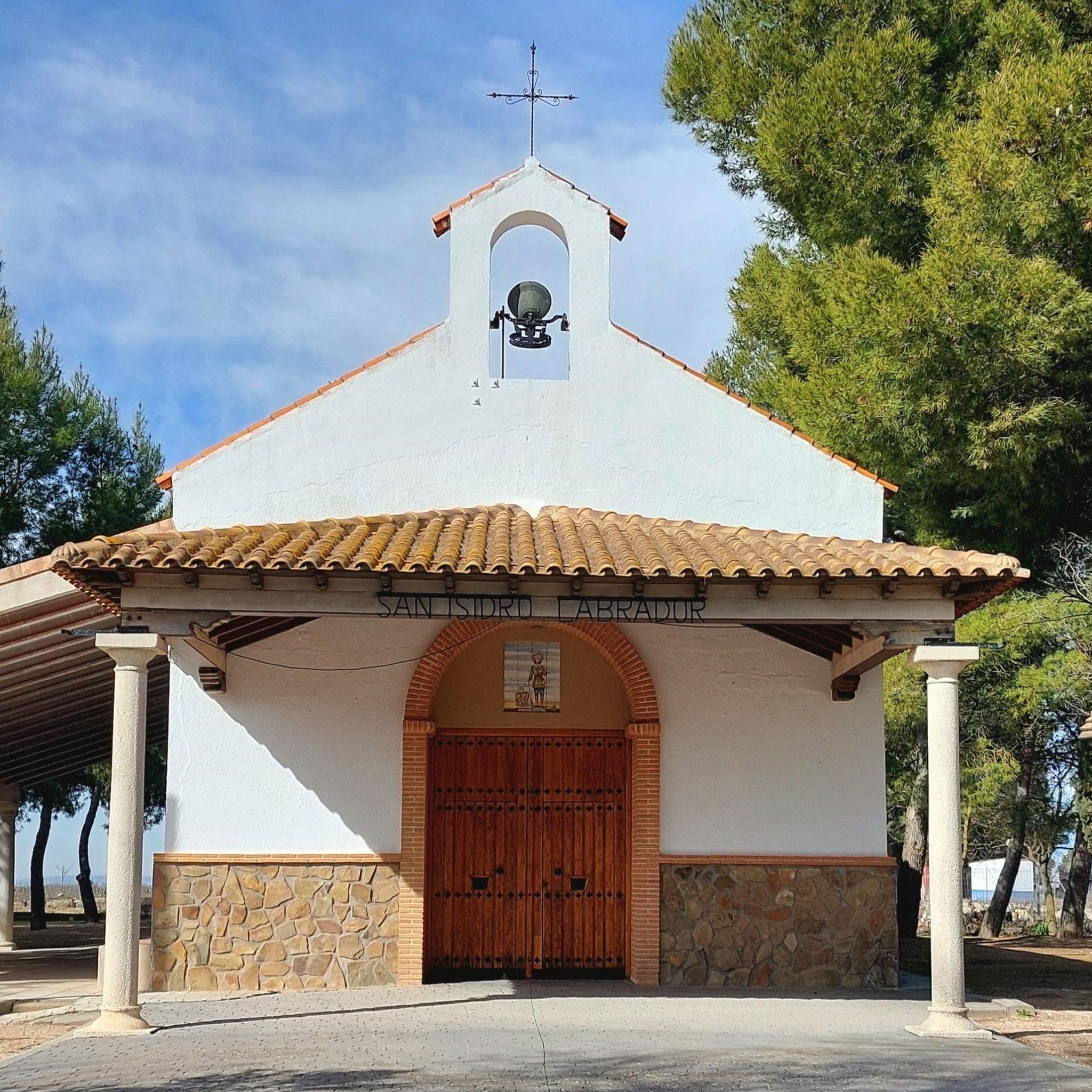
This hermitage also dates back to before 1576. Its dedication corresponds to San Gregorio. Its festival is on May 9, and is celebrated on the 2nd Sunday, with a populous and joyful pilgrimage. This hermitage is located next to the road, and no less than on the Camino Real, which goes from Alicante to Santiago de Compostela, according to the Repertory of Roads of Alfonso de Meneses, email of H.M. in 1576. (Bogas, Tembleque, Villacañas, Puebla de don Fadrique, Almoradiel, El Toboso,... Manjavacas... La Roda,... Albacete...) which also turns out to be the Spanish Silk Road, from Toledo to Murcia. Furthermore, the hermitage of San Gregorio is next to the Cañada Real Soriana, an important livestock route in La Mesta, which begins in the Sierra de Cameros, along the Iregua River, goes up to Yanguas and goes down to Soria, then through Almazán, Medinaceli, and It enters the province of Guadalajara through Cifuentes and into the province of Madrid through Valdearacete and into the province of Toledo through Santa Cruz de la Zarza, it separates the terms of Lillo and Corral de Almaguer and runs 25 kilometers from our district, of which 15 runs parallel. The Riansares River, which serves as a watering hole for transhumant cattle, enters Ciudad Real through Villarrubia de los Ojos and joins those of Cuenca and Segovia to enter the Alcudia Valley, through Almodóvar del Campo.
0
0

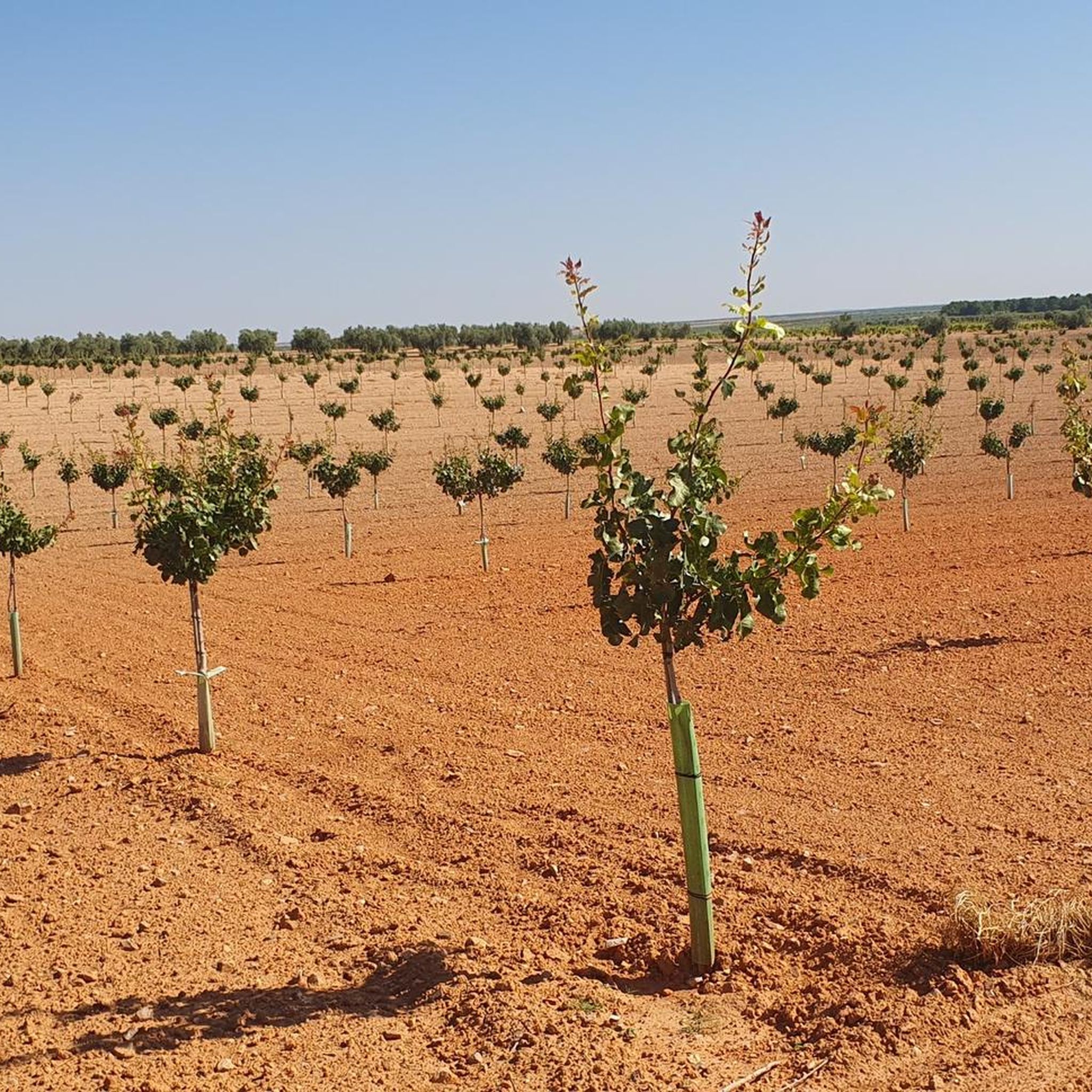
The hermitage of San Gregorio already appears in documents from the 16th century. Currently, the residents of Villacañas carry out a pilgrimage here. The temple is very modest, but its location at a crossroads of historic roads between vineyards gives importance to the roof of its entrance, since shade is scarce in the area.
1
0

The hermitage is located 4 km from Campo de Criptana. The Sanctuary keeps the image of the patron saint of Campo de Criptana, the Christ of Villajos. Next to the hermitage is the Pozo de la Nieve, which was once used to store and preserve ice for distribution and sale.
2
1

This wetland known as Laguna Grande covers some 72 ha and has been exploited for many years, taking advantage of its salts and brines for different uses. Today it is mainly protected due to the great ecological interest it has for the birds that live there.
2
0

In the heart of Toledo's La Mancha, its origin seems to be a fortress from the Iberian and Celtic times, later inhabited by Romans, Visigoths, Mozarabs and, during Muslim domination, by the Almoravid tribe. The parish church of San Juan Bautista and its hermitages stand out.
1
0
Frequently Asked Questions
What historical and cultural sites can I explore in La Puebla de Almoradiel?
La Puebla de Almoradiel boasts a rich history. You can visit the Parish Church of San Juan Bautista, which showcases a blend of Romanesque and Gothic styles. Other significant religious sites include the Ermita del Santísimo Cristo de la Salud and the Ermita de Nuestra Señora del Egido. Don't miss the historical Molinera Quarry of Piédrola, a remodeled site offering insights into past activity, or the nearby historical settlement of La Villa de Don Fadrique, founded in 1343.
Are there any natural attractions or outdoor spaces to visit?
Yes, the area offers several natural points of interest. The Laguna Grande de Quero is a protected wetland covering approximately 72 hectares, known for its ecological importance, especially for birds. The Cigüela River, which bathes the town, historically powered numerous watermills, and you can still find vestiges of these along its course. The surrounding landscape features La Mancha plains and Mediterranean mountains, providing diverse natural environments.
What are some family-friendly activities in the area?
Many attractions are suitable for families. The Hermitage of Cristo de Villajos, the Molinera Quarry of Piédrola, and the Parish Church of San Juan Bautista are all categorized as family-friendly. Additionally, the nearby settlement of La Villa de Don Fadrique offers a historical exploration that can engage all ages. The Vía Verde "El Trenillo" is a 25-kilometer route perfect for family walks or cycling.
Where can I find hiking trails near La Puebla de Almoradiel?
There are several hiking opportunities around La Puebla de Almoradiel. You can explore routes like the 'Laguna Grande de Quero Loop' or the 'La Mancha Wetlands Natural Trail'. For more options, including routes like 'La Puebla de Almoradiel - circular to La Villa de Don Fadrique', check out the dedicated guide for Hiking around La Puebla De Almoradiel.
Are there cycling routes available in the region?
Yes, the area is suitable for cycling. The 'Vía Verde del Trenillo Loop' is a popular option, and you can also find longer routes like the 'La Mancha Wetlands Loop' or a challenging route connecting to the 'Statue of Quixote and Dulcinea – Campo de Criptana Windmills'. Discover more cycling adventures in the Cycling around La Puebla De Almoradiel guide.
What is the Hermitage of Cristo de Villajos known for?
The Hermitage of Cristo de Villajos is an emblematic religious building originating from the old village of Villajos. It is located 4 km from Campo de Criptana and houses the image of the patron saint of Campo de Criptana, the Christ of Villajos. Next to it, you can find the Pozo de la Nieve, historically used for ice storage.
Can I learn about the local heritage and traditions?
Absolutely. The Fondo Etnográfico “Río Gigüela” offers insights into the region's ethnographic heritage. You can also experience local traditions during the town's patron saint festivities for the Santísimo Cristo de la Salud, held in late August and early September, which have been declared a Regional Tourist Interest.
What is the significance of the Cigüela River in La Puebla de Almoradiel?
The Cigüela River has played a significant historical and economic role in La Puebla de Almoradiel. It once powered numerous watermills, some dating back to the 15th and 16th centuries, like Molino de la Torrontera. The river's course is also followed by the Sendero PR TO 28 "La estela del Cigüela," a hiking trail that highlights its historical importance through bridges, dams, and mill ruins.
Are there any unique natural landscapes or geological features?
Beyond the Laguna Grande de Quero, the region features landscapes typical of the La Mancha plains and Mediterranean mountains. You can find diverse plant communities, including Spanish juniper, savin juniper, Scots pine, and yews. The Molinera Quarry of Piédrola also offers a glimpse into the area's geological past and human interaction with it.
What is the best time of year to visit La Puebla de Almoradiel for outdoor activities?
The region experiences a Mediterranean climate. Spring (April-May) and Autumn (September-October) generally offer the most pleasant temperatures for outdoor activities like hiking and cycling, avoiding the intense heat of summer and the cooler, sometimes wetter, winter months. These seasons are ideal for exploring the natural landscapes and historical sites comfortably.
Are there any running trails near the attractions?
Yes, there are several running trails available. You can find routes like the 'Charcones de Miguel Esteban loop' or a 'Running loop from La Puebla de Almoradiel'. For a comprehensive list of options, including various distances and difficulties, refer to the Running Trails around La Puebla De Almoradiel guide.
What is the 'Vía Verde El Trenillo'?
The 'Vía Verde El Trenillo' is a 25-kilometer greenway that follows an ancient livestock route. It offers an excellent opportunity for walking and cycling, connecting Quintanar to Villacañas, and allowing visitors to enjoy the natural environment of the region.

Get inspired with the komoot mobile app


Explore more
Still not found the Highlight you’re looking for? See guides of the top attractions in other regions:
