Attractions and Places To See around Els Torms - Top 13
Attractions and places to see around Els Torms include cultural sites, natural features, and agricultural landscapes. This agricultural village, situated in the Garrigues region between the Vall Major and Vall del Salt, is recognized for its olive groves and olive oil production. Visitors can explore historical landmarks, traditional dry stone constructions, and characteristic dry valleys dominated by olive and almond trees, which define the Els Torms landscape characteristics.
Best attractions and places to see around Els Torms
- The most popular…
Last updated: June 23, 2026
Hermitage of Sant Bartomeu de Fraguerau
Highlight • Religious Site
Translated by Google •
Tip by

Mas de Melons Nature Reserve Information Point
Highlight • Historical Site
Translated by Google •
Tip by

Sign up now to discover places like this
Get recommendations on the best single tracks, peaks, & plenty of other exciting outdoor places.
Sign up for free
Santa Llúcia Hospital Cave
Highlight • Cave
During the Civil War, the space became the hospital for the military units made up of republican volunteers who fought in the Battle of the Ebro.
Translated by Google •
Tip by

Barranco de las Pistacheras
Highlight (Segment) • Gorge
Translated by Google •
Tip by

Lo Tros de Castelldans
Highlight • Restaurant
Translated by Google •
Tip by

Sign up for free to discover even more attractions around Els Torms.
Sign up for free
Already have an account?
Start today with a free account
Your next adventure awaits.
Login or Signup
Popular around Els Torms
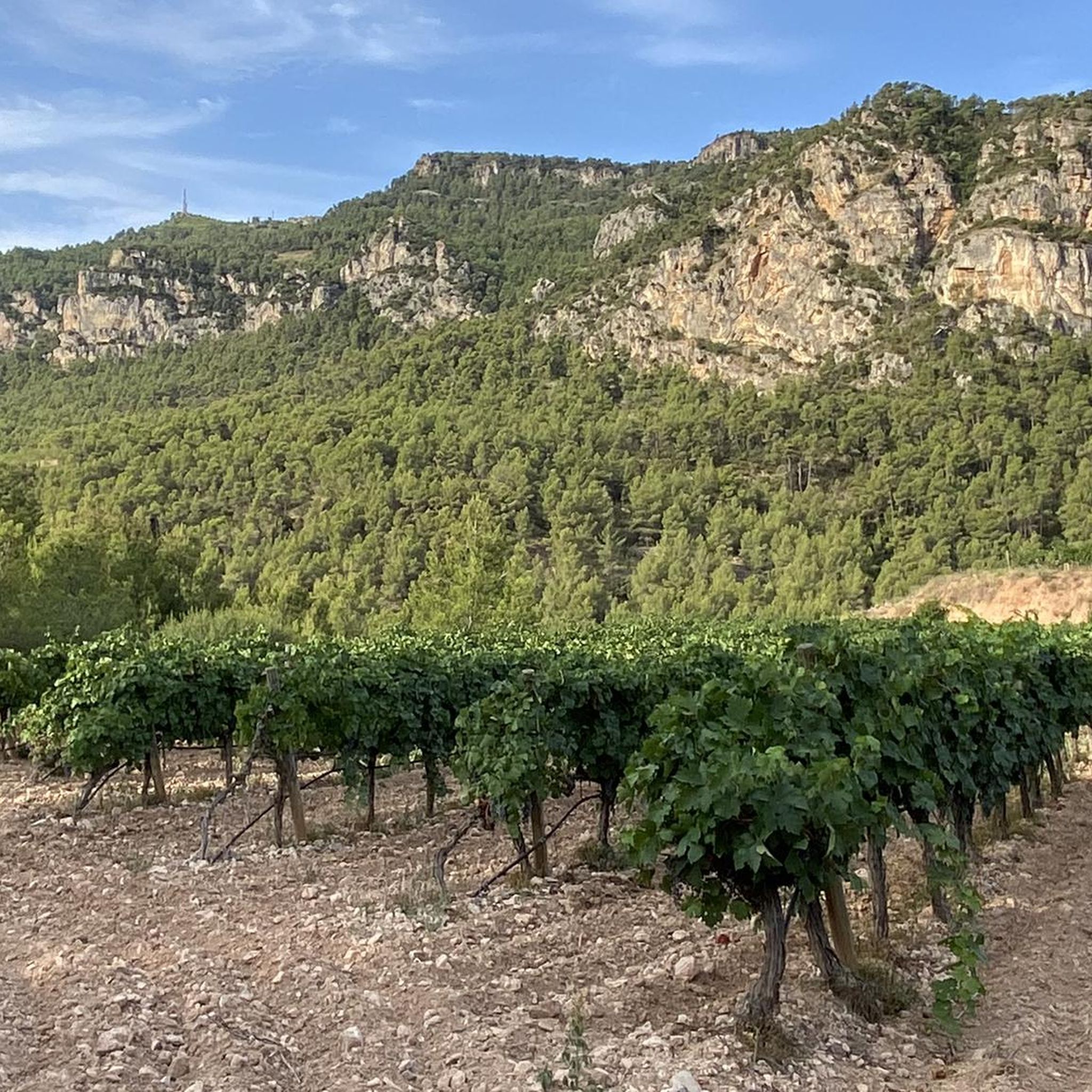
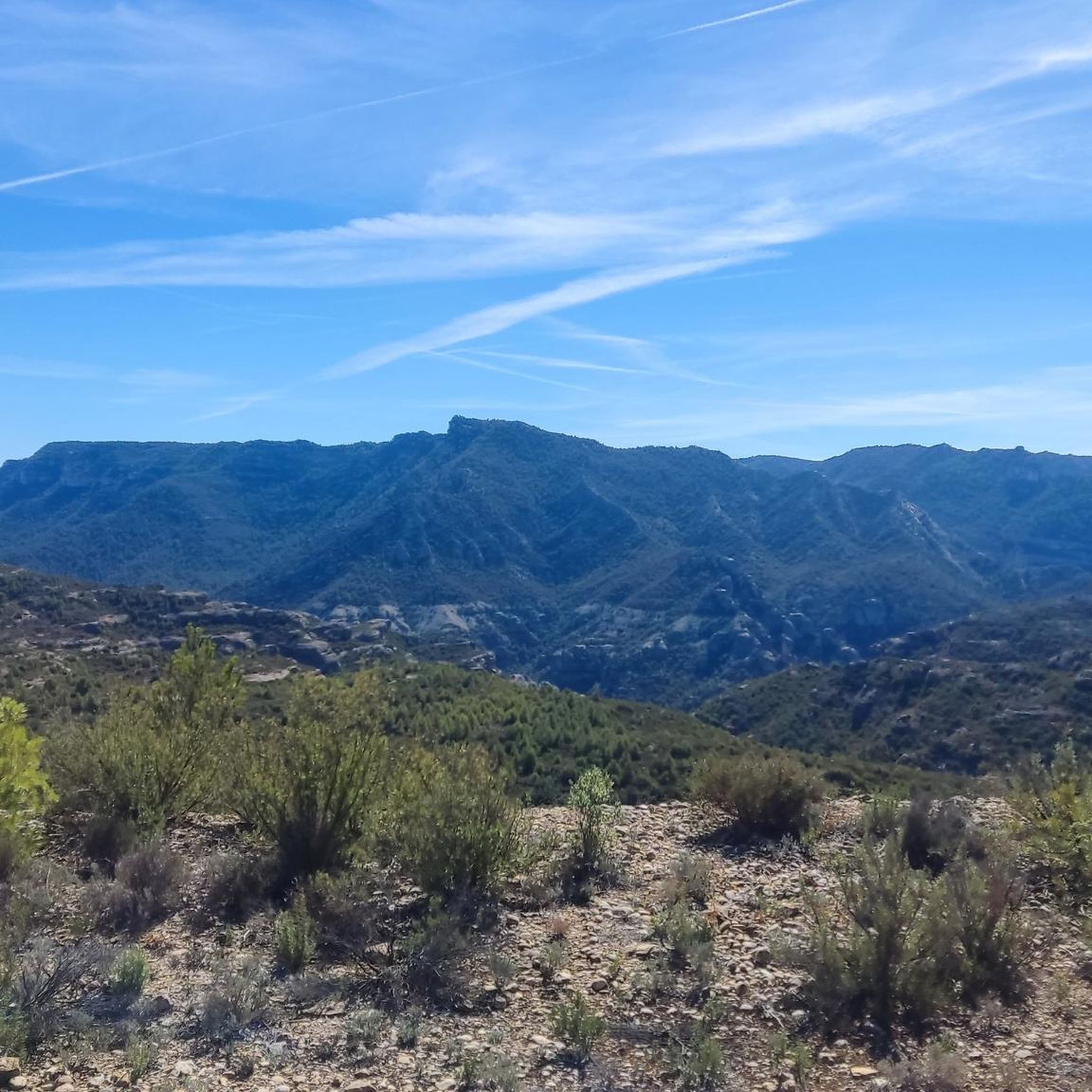
Tips from the Community

They have fixed the track and it is very easy.
1
0
After kilometers of flat, this area of the Extremereres valley is a lot of fun.
1
0

In the village of Castelldans they prepare a typical dish called Lo tros. A stew with snails, meat, vegetables, which, when well prepared and hot, is the best food you can have to catch your breath. At Rural & Cycling you can get a good dish as a reward for your effort.
2
0

It is worth visiting to remember the tragedy of the Spanish civil war
0
0

Near the town of La Bisbal de Falset is the cave of Santa Llúcia. During the Civil War, the space became the hospital for the military units made up of republican volunteers who fought in the Battle of the Ebro.
3
0

Natural space that represents the rainfed agricultural environment. You can enjoy the natural reserve of Mas de Melons, tomillar de Alfés and the Cogul cave paintings.
4
0

The hospital cave of Santa Llúcia, near the town of La Bisbal de Falset (Priorat), is a wide and shallow cave, used by man since ancient times, which took on a very important role during the Spanish Civil War by becoming a hospital for the International Brigades that fought, in the summer of 1938, in the Battle of the Ebro. https://ca.wikipedia.org/wiki/Cova_hospital_de_Santa_Ll%C3%BAcia
0
1

This hermitage was founded by Fra Guerau Miquel, who on July 28, 1192 obtained possession of this area, where he lived since around 1160. The hermit founded two chapels, one dedicated to St. Mary and another , St. Bartholomew; but only the second lasts. In 1210, Fra Guerau ceded this territory to Pere Balb and his wife Guillema, who founded a female community in Santa Maria which, in 1215, settled in Bonrepòs. The hermitage of Sant Bartomeu first belonged to the monastery of Santa Maria de Bonrepòs, confirmed by Jaume II in 1292, and later passed into the domain of the Carthusian Monastery of Escaladei. It was plastered inside in the 18th century until it fell into disrepair. The hermit's house was attached. Around 1970, the whole was refurbished, removing the hermit's house and restoring the hermitage, works carried out by the parish of Ulldemolins.
0
0
Frequently Asked Questions
What historical landmarks can I explore in Els Torms?
Els Torms is rich in history. You can visit the Baroque Església de Sant Joan Baptista, built between 1700 and 1714, or the unique Escola Joan Benet i Petit, a National Monument of Catalonia from 1916. Remnants of the old defensive wall, including The Portal of the Walled Village, offer a glimpse into the past. Other notable sites include the medieval Plaça Major and ancient homes like Cal Batlle Vell. Further afield, explore the tranquil Hermitage of Sant Bartomeu de Fraguerau, a religious building with a history dating back to 1192, or the Santa Llúcia Hospital Cave, which served as a military hospital during the Civil War.
What natural features define the landscape around Els Torms?
The landscape of Els Torms is characterized by the Garrigues Altes, featuring dry valleys dominated by extensive olive and almond groves. You'll also find natural zones with garrigue vegetation and white pine. Traditional dry stone constructions, such as 'cabanes de volta' (vaulted huts) and 'aljubs' (cisterns), are scattered throughout the area. Don't miss the dynamic terrain of Barranco de las Pistacheras, a gorge offering varied ravines after flatter sections.
Are there any nature reserves or protected areas nearby?
Yes, the Mas de Melons Nature Reserve Information Point is a key spot representing the rainfed agricultural environment. From here, you can enjoy the natural reserve of Mas de Melons, the tomillar de Alfés, and the Cogul cave paintings.
What kind of outdoor activities can I do in Els Torms?
Els Torms and its surroundings are ideal for various outdoor activities. You can explore the landscape on foot via the Ruta dels Miradors, a 10-kilometer circular route offering scenic views. For cycling enthusiasts, there are numerous routes. You can find detailed road cycling routes, such as the 'Fraguerau Gorge and Les Garrigues Loop', on the Road Cycling Routes around Els Torms guide. Mountain biking options include the 'La Granadella - Bovera - Palma d'Ebre - Bellaguarda — Circular route', detailed in the MTB Trails around Els Torms guide. For general cycling, explore routes like the 'Granadella - Bellaguarda - Bovera - Granadella — Circular through Les Garrigues' in the Cycling around Els Torms guide.
Where can I find natural springs or fountains in the area?
The region around Els Torms features several natural springs. You can seek out refreshing spots like Font Joana, Font de Camarasa, and Font de la Jaia, which are popular with locals and visitors alike.
What is the local cuisine like, and are there places to eat?
The region is known for its agricultural produce, especially high-quality olive oil from its vast olive groves. While Els Torms is a small village, you can find local culinary experiences. For a unique local dish, consider visiting Lo Tros de Castelldans in the nearby village of Castelldans, where they prepare 'Lo tros', a hearty stew with snails, meat, and vegetables.
What is the best time to visit Els Torms?
Els Torms, with its Mediterranean climate, is pleasant for visiting during spring (April to June) and autumn (September to October) when temperatures are mild and the landscape is vibrant. These seasons are ideal for hiking and exploring the outdoor attractions. Summers can be hot, while winters are generally mild but cooler.
Are there any family-friendly activities in Els Torms?
The natural landscape and historical sites offer opportunities for family exploration. Easy walks along the Ruta dels Miradors can be enjoyable for families. Exploring the dry stone constructions and learning about the olive and almond groves can also be an educational experience for children. The village's main square, Plaça Major, provides a central point for families to gather.
Can I bring my dog on trails around Els Torms?
Many of the natural trails and outdoor areas around Els Torms, including the Ruta dels Miradors and paths through the olive and almond groves, are generally dog-friendly. However, it's always recommended to keep your dog on a leash, especially in agricultural areas or near wildlife, and to clean up after them. Specific rules for protected areas like the Mas de Melons Nature Reserve should be checked locally.
What is the significance of the olive and almond groves in Els Torms?
The olive and almond groves are central to the identity and economy of Els Torms. The village is primarily known for its high-quality olive oil production, and these vast agricultural landscapes shape much of the local scenery. They represent a traditional Catalan way of life and are an integral part of the region's cultural and natural heritage.
Are there any modern significant buildings in Els Torms?
While Els Torms is known for its historical character, it also has more modern structures. The Gran Casal, constructed in 1962, stands as a significant building from a more recent period, contributing to the village's evolving architectural landscape.
What do visitors enjoy most about the attractions around Els Torms?
Visitors particularly appreciate the tranquility and historical depth of sites like the Hermitage of Sant Bartomeu de Fraguerau. The varied terrain and dynamic experience offered by natural features such as Barranco de las Pistacheras are also highly rated. The opportunity to connect with the rainfed agricultural environment at the Mas de Melons Nature Reserve Information Point is another highlight for many.

Get inspired with the komoot mobile app


Explore more
Still not found the Highlight you’re looking for? See guides of the top attractions in other regions:
