Attractions and Places To See around Tormellas - Top 20
Attractions and places to see around Tormellas are found in a region characterized by its natural landscapes and historical sites. Located near El Barco de Ávila, this area features impressive granite canyons, glacial lakes, and the scenic Tormes River valley. Visitors can explore medieval towns and significant natural monuments. The surroundings offer a blend of historical architecture and diverse natural features.
Best attractions and places to see around Tormellas
- The most popular attractions is Garganta de la Nava, a…
Last updated: May 26, 2026
Valdecorneja Castle
Highlight • Castle
Translated by Google •
Tip by

El Barco de Ávila
Highlight • Settlement
Translated by Google •
Tip by
Sign up now to discover places like this
Get recommendations on the best single tracks, peaks, & plenty of other exciting outdoor places.
Sign up for free
Castle of El Barco de Ávila
Highlight • Castle
Translated by Google •
Tip by
Garganta de la Nava
Highlight (Segment) • Gorge
Translated by Google •
Tip by

Laguna de la Nava
Highlight • Lake
Translated by Google •
Tip by
Sign up for free to discover even more attractions around Tormellas.
Sign up for free
Already have an account?
Start today with a free account
Your next adventure awaits.
Login or Signup



Tips from the Community

Valdecorneja Castle, located in El Barco de Ávila, is a medieval gem that dominates the Tormes River valley from a strategic, elevated position. It is one of the most emblematic monuments in the province of Ávila and a must-see for history and architecture lovers.
2
0
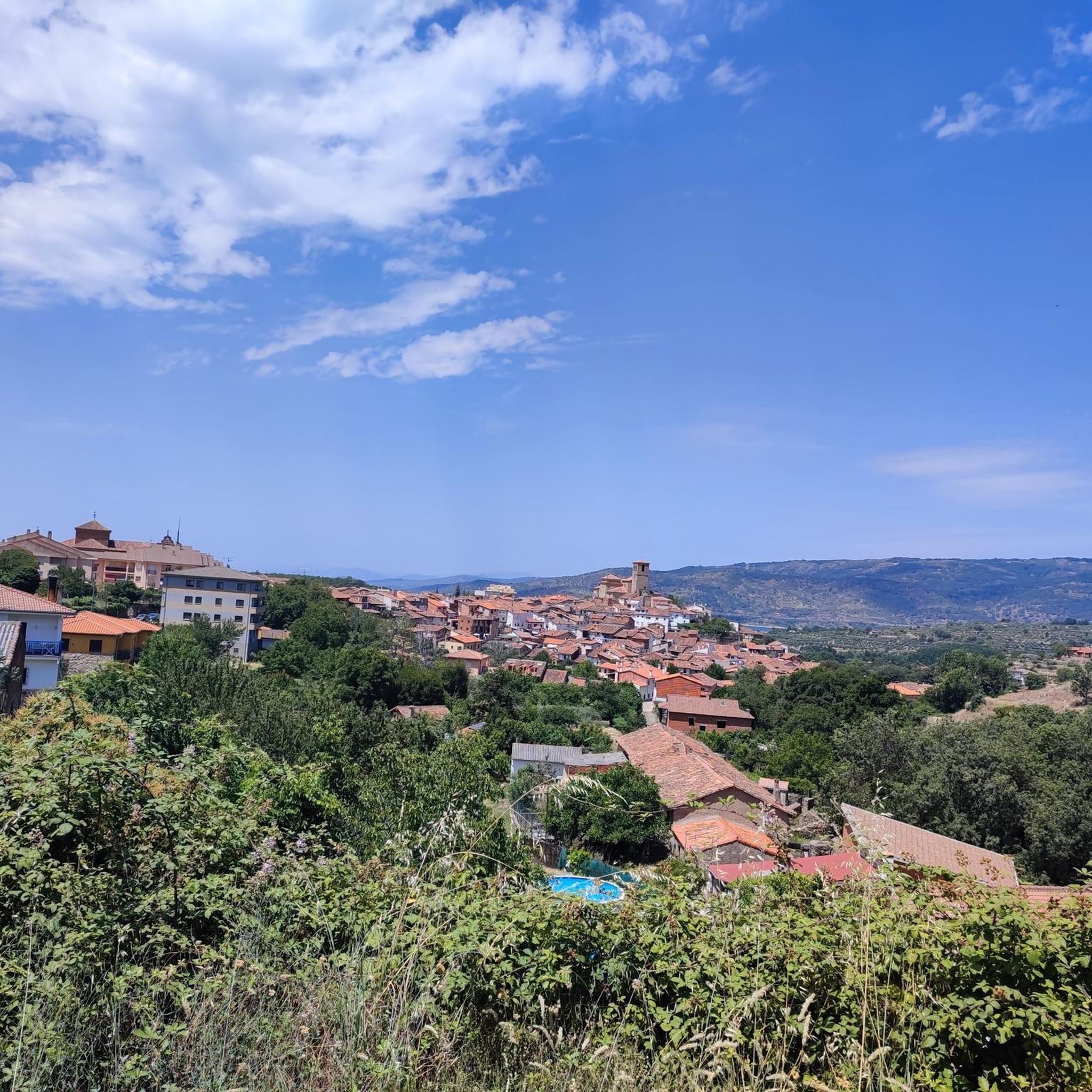
Visiting El Barco de Ávila is an excellent option for a cultural and natural getaway at any time of year. This medieval town, located in the Alto Tormes region and at the gateway to the Sierra de Gredos, combines history, architecture, landscapes, and gastronomy in a charming way.
2
0

Built on a Vettonian fort that was destroyed by the Romans, it was built in the 12th century and rebuilt in the 14th century. After being conquered from the Arabs, King Alfonso VI donated the Lordship of Valdecorneja to his daughter and son-in-law, Ramon de Borgoña, for repopulation. At the beginning of the 14th century, Henry II of Trastamara donated these lands to the House of Alba in the person of Don García Álvarez de Toledo. The House of Alba was responsible for building the castle. Grand Duke Don Fernando Álvarez de Toledo had his second residence here. During the Peninsular War, it suffered significant deterioration, not only due to the war itself but also because its stones were used to build private homes. The old interior arcade (which apparently formed a double gallery on the inside of the tower) was dismantled and rebuilt to provide arcades for the town hall building, located in the Plaza Mayor. Between 1851 and 1904, the interior of the castle grounds was used as a municipal cemetery, which further deteriorated its condition. Today, the exterior is in perfect condition after restorations carried out in 1985 and 2004, preserving its original perimeter. The pavement and part of the keep were repaired. Access to the monument is free, and visitors can see the well located in the center of the courtyard, a vaulted cistern excavated in the subsoil rock, and the ancient windows and oriel windows with double pointed arches. The courtyard is used for certain cultural events held in this town.
1
0

Beautiful castle that is located at the top of the town of El Barco de Ávila and that shows us the history that the town had in ancient times. Even running its walls are beautiful!
0
1
Beautiful castle that is located at the top of the town of El Barco de Ávila and that shows us the history that the town had in ancient times. On arrival at the town you can see the towers and walls.
0
0

This impressive granite canyon offers incredible views of the rock formations along the course of the river. There are several waterfalls that fall at different heights and form pools of crystal clear water. This section is, for the most part, an adapted stone walkway that zigzags along the gorge. However, there are also parts of loose stones.
3
0

The Laguna de la Nava, also known as the Nava del Barco lagoon, is a lagoon of glacial origin located in the upper part of the gorge of the same name, in the western sector of the Sierra de Gredos; It is located in the municipality of Nava del Barco, in the province of Ávila (Castilla y León, Spain). The lagoon is located at an altitude of about 1,950 meters above sea level at the bottom of a glacial cirque known as the Corral del Diablo.1 Presiding over this glacial cirque is the Alto del Corral del Diablo, with 2,366 meters above sea level.
1
0

El Barco de Ávila is an outstanding town in the Tormes Valley, the town center has been declared a Historic-Artistic Site, it has a superb castle built in the 12th century on the remains of a primitive Veton fort and rebuilt in the 14th century. It preserves part of the medieval walls and has a Romanesque-style bridge over the River Tormes built in the Middle Ages. In the streets there are stately homes, arcaded squares, cobbled floors, fountains and a rich ethnographic, artistic and monumental heritage. The cycling trip leaves from the Plaza de España, which is always lively with the atmosphere of the terraces and shops, there is also the tourist office in the popular Casa del Reloj. The route passes by the side of the church and goes down to the medieval bridge, the best way to leave the town of Tormes. On the western shore is the hermitage of Christ and on the right the first steep slope of the route appears, but it does not last long, the path crosses the main road and continues straight ahead along a livestock alley that is only used by cyclists and hikers. The surface is slow and entertaining, there is a lot of grass and flooded sections may appear depending on the season.
1
0
Frequently Asked Questions
What natural features can I explore around Tormellas?
The region around Tormellas is rich in natural beauty. You can visit Garganta de la Nava, an impressive granite canyon with stunning rock formations and waterfalls that create crystal-clear water pools. Another must-see is Laguna de la Nava, a beautiful glacial lake located at 1972 meters above sea level, reflecting the surrounding peaks.
Are there historical sites to visit near Tormellas?
Yes, the area boasts significant historical sites. El Barco de Ávila is a medieval town declared a Historic-Artistic Site, featuring a 12th-century castle, medieval walls, and a Romanesque-style bridge. Specifically, you can explore Valdecorneja Castle, a medieval gem overlooking the Tormes River valley, and the Tormes Bridge, which has Roman origins and was reformed in medieval times.
What kind of outdoor activities can I do around Tormellas?
The Tormellas area is excellent for various outdoor activities. You can find numerous hiking trails, including routes to Laguna de la Nava. For cyclists, there are road cycling routes with ascents to mountain passes. Running trails are also available, offering diverse terrain. You can find more details on specific routes in the Hiking around Tormellas, Road Cycling Routes around Tormellas, and Running Trails around Tormellas guides.
Are there family-friendly attractions or activities in the Tormellas area?
Absolutely. The medieval town of El Barco de Ávila, with its castle and ancient bridge, offers an engaging historical experience for families. The Tormes Bridge is also considered family-friendly. Exploring parts of Garganta de la Nava, which includes adapted stone walkways, can also be suitable for families.
What is the best time of year to visit Tormellas for outdoor activities?
The region around Tormellas, being near the Sierra de Gredos, offers different experiences throughout the year. Spring and autumn generally provide pleasant temperatures for hiking and cycling. Summer can be warm, ideal for enjoying water features like the pools in Garganta de la Nava. Winter offers opportunities for snow activities in higher elevations, though some trails might be more challenging.
Can I find easy walking trails around Tormellas?
Yes, there are options for easier walks. For example, the 'Ruta de la Ribera del Tormes' is an easy hiking route. The adapted stone walkways within Garganta de la Nava also provide a more accessible way to enjoy the natural scenery. You can find more easy routes in the Hiking around Tormellas guide.
Are there any dog-friendly trails near Tormellas?
Many natural trails in the Sierra de Gredos region are generally dog-friendly, provided dogs are kept under control and local regulations are respected. For specific dog-friendly hiking trails, it's advisable to check local signage or visitor centers upon arrival, as rules can vary by specific natural park areas.
Where can I find wild swimming spots in the Tormellas area?
The waterfalls and crystal-clear water pools formed by the river in Garganta de la Nava offer opportunities for refreshing dips, especially during warmer months. These natural pools are a highlight for visitors seeking wild swimming experiences.
What makes El Barco de Ávila a significant place to visit?
El Barco de Ávila is a historically rich medieval town, declared a Historic-Artistic Site. It's significant for its well-preserved 12th-century castle, medieval walls, and a Romanesque-style bridge over the Tormes River. Its streets feature stately homes, arcaded squares, and a rich ethnographic heritage, making it a charming cultural and natural getaway.
What kind of wildlife might I encounter around Tormellas?
The natural environment around Tormellas, particularly in areas like Garganta de la Nava and Laguna de la Nava within the Sierra de Gredos, is home to diverse wildlife. You might spot various bird species, including raptors, and potentially mountain goats or other mammals native to the Central System mountains.
Are there any challenging hiking routes for experienced trekkers?
Yes, experienced trekkers will find challenging routes around Tormellas. The 'Senda de la Laguna de la Nava (PR-AV 39)' and the 'Laguna de la Nava y Laguna del Barco' circular route are both rated as difficult hikes, offering significant elevation changes and rewarding views. These can be found in the Hiking around Tormellas guide.
What do visitors particularly enjoy about the natural landscapes here?
Visitors frequently praise the spectacular rocky landscapes along the Garganta de la Nava river, the incredible views of rock formations, and the crystal-clear water pools. The serene beauty of Laguna de la Nava, with its clear water reflecting the surrounding peaks, is also a highly appreciated natural monument.
Most popular attractions around Tormellas

Get inspired with the komoot mobile app


Explore more
Still not found the Highlight you’re looking for? See guides of the top attractions in other regions:
