The best road cycling routes around Nava De Arévalo
45
riders
11
rides
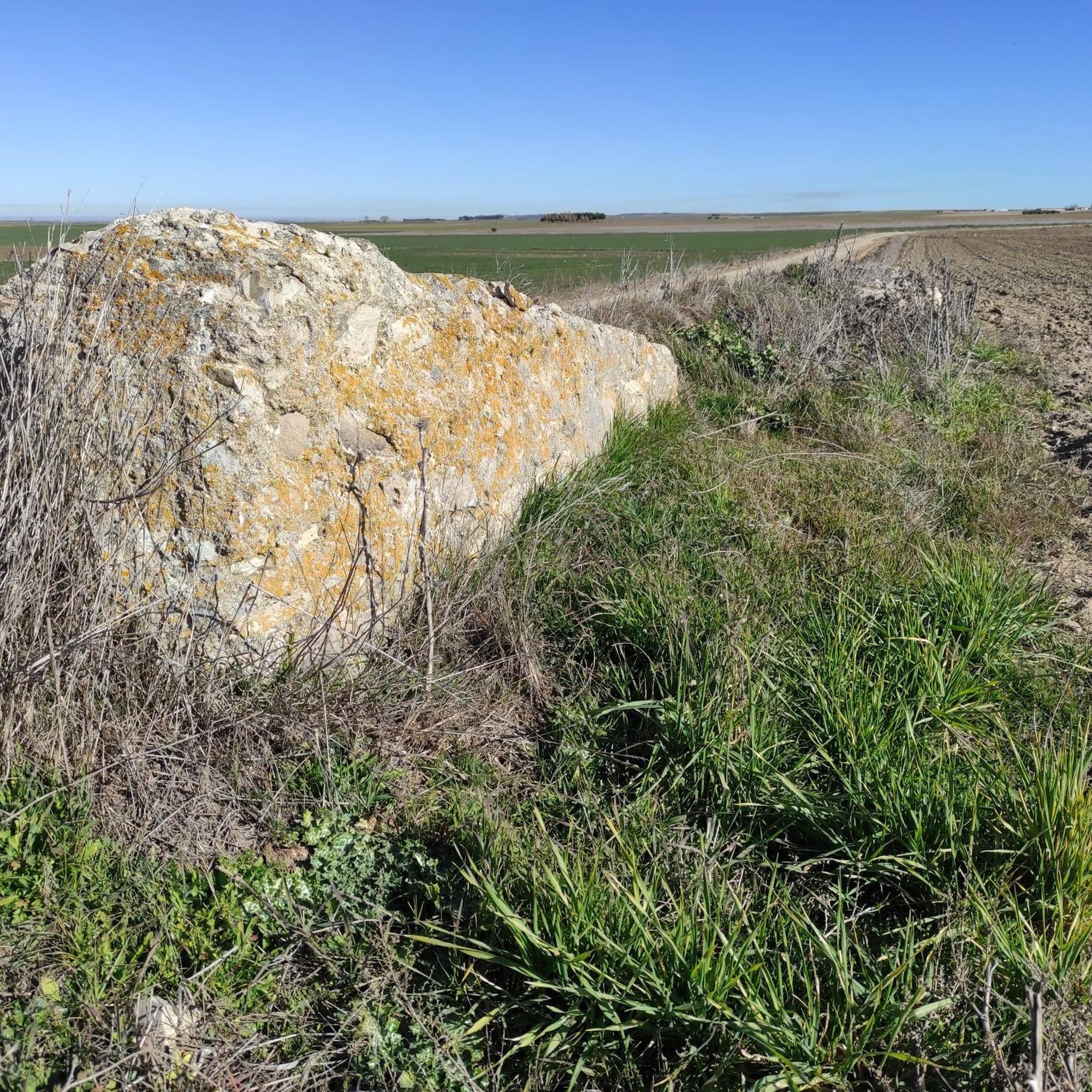
Road cycling routes around Nava De Arévalo traverse the flat to gently undulating terrain of the La Moraña region, characterized by extensive agricultural lands. This area provides open vistas and smooth surfaces suitable for various cycling abilities. The landscape features the picturesque Arevalillo River, offering a tranquil setting for rides. The region's topography allows for both easy, long-distance routes and more challenging options with moderate elevation gains.
Best road cycling routes around Nava De Arévalo
- The most popular road cycling…
Last updated: June 28, 2026
1
riders
54.9km
02:11
250m
250m
Moderate road ride. Good fitness required. Mostly well-paved surfaces and easy to ride.
Moderate road ride. Good fitness required. Mostly well-paved surfaces and easy to ride.

Sign up for free
137km
05:20
550m
550m
Hard road ride. Very good fitness required. Mostly well-paved surfaces and easy to ride.
10
riders
47.9km
01:51
140m
140m
Easy road ride. Great for any fitness level. Mostly well-paved surfaces and easy to ride.
7
riders
40.1km
01:32
110m
110m
Easy road ride. Great for any fitness level. Mostly well-paved surfaces and easy to ride.
Get access to more routes and recommendations from other explorers.
Sign up for free
Already have an account?
Our route recommendations are based on thousands of hikes, rides, and runs completed by other people on komoot.
Start today with a free account
Your next adventure awaits.
Login or Signup
Popular around Nava De Arévalo


Tips from the Community

Narros de Saldueña Castle, also known as the Castle of the Duke of Montellano, is one of the best-preserved fortresses in the province of Ávila. It is located in the town of Narros de Saldueña, within the town limits. Construction: Late 15th century, attributed to Rodrigo de Valderrábanos, Lord of the Saldueña Estate. Expansions: It was renovated and enlarged at the beginning of the 16th century by his successors.
4
0
Arévalo Castle, located in the town of Arévalo (province of Ávila, Castile and León), is one of the most representative examples of Castilian Mudéjar architecture. Its origins date back to the 14th century, although it was built upon earlier fortifications. It was expanded between the 15th and 16th centuries, especially during the reign of the Catholic Monarchs. It played an important role as a noble and military castle, but also as an administrative building. In the 20th century, it fell into near ruin until its restoration, beginning in 1952, by the Ministry of Agriculture, which uses it as the headquarters of a research center.
5
0
Arévalo Castle, located in the town of Arévalo (province of Ávila, Castile and León), is one of the most representative examples of Castilian Mudéjar architecture. Its origins date back to the 14th century, although it was built upon earlier fortifications. It was expanded between the 15th and 16th centuries, especially during the reign of the Catholic Monarchs. It played an important role as a noble and military castle, but also as an administrative building. In the 20th century, it fell into near ruin until it was restored starting in 1952 by the Ministry of Agriculture, which uses it as the headquarters of a research center.
5
0

Castle fortress located at the most extreme part of the triangle formed by the confluence of the Adaja and Arevalillo rivers, which serve as defensive ditches. It was rebuilt in the second half of the 15th century by order of Álvaro de Zúñiga, Duke of Béjar, although it subsequently underwent important reforms at the beginning of the 16th century, when the fortress was in the hands of the Catholic Monarchs. The Castle is worth visiting for its good condition, and it also has a very interesting exhibition.
1
0

In addition to the imposing Castle where Isabel la Católica resided, in the town we have all the services: Shops, restaurants and accommodation.
1
0
The Church of San Miguel in Peñaranda de Bracamonte is a beautiful classicist-style temple, built in quarry stone. Although its interior was severely damaged in 1971, its imposing exterior façade remains a testament to its history. After the fire of 1971, only the main altar chapel was saved, where the main altarpiece was located, a baroque masterpiece made by Sebastián Ducete and Esteban de Rueda. The chapel of San Antonio is also preserved, and in it you can see the Cristo de la Cama, an object of great local devotion. The stone baptismal font is original and was remodeled under the direction of Fernando Pulín, who received the National Restoration Award for his work. If you ever visit Peñaranda de Bracamonte, be sure to admire this architectural gem. 🌟🏰
2
0
The Castle of the Duke of Montellano, also known as Castle of Narros de Saldueña, is located at the end of the town of Narros de Saldueña, in the heart of the La Moraña plain, in the province of Ávila, autonomous community of Castilla y León. This castle, tracing its origins to the 15th century, is a good example of a castle-palace built with brick and mud (mortar), which relates it to Mudejar architecture.
6
0
In the 11th century, during the reign of Alfonso VI, a charter was granted to the town of Arévalo. From then on, documentary references abound about this place. Although it had periods of lordly rule, it generally depended on the Crown (being a royal estate), which explains the presence of members of the royal family in the town.
6
0
Frequently Asked Questions
What is the typical terrain like for road cycling in the Nava De Arévalo region?
The Nava De Arévalo region, part of La Moraña, is characterized by its extensive, flat agricultural lands. You can expect mostly well-paved surfaces and open vistas, offering a tranquil setting for rides. While generally flat, some routes may feature gently undulating sections.
How many road cycling routes are available around Nava De Arévalo?
There are 9 road cycling routes available around Nava De Arévalo, catering to various preferences and skill levels. These routes traverse the region's unique landscape, offering diverse experiences for cyclists.
Are there options for different skill levels, from easy to challenging?
Yes, the routes around Nava De Arévalo accommodate various skill levels. You'll find 5 easy routes perfect for casual enthusiasts, 3 moderate routes for those seeking a bit more challenge, and 1 difficult route for experienced riders looking for a demanding ride.
What natural features or scenic views can I expect to see while cycling?
While cycling, you'll experience the vast, open agricultural landscapes of the La Moraña region, offering expansive vistas. The picturesque Arevalillo River flows through the area, and some routes may offer views of its banks. The region's wetlands also provide opportunities for birdwatching.
Are there historical landmarks or points of interest along the road cycling routes?
Yes, several routes pass by significant historical and cultural sites. You might encounter the ancient Church of San Pedro Apóstol in Nava de Arévalo itself, or explore the nearby town of Arévalo, home to the impressive Arévalo Castle and the beautiful Plaza de la Villa.
Are there any circular road cycling routes available?
Yes, many routes in the area are designed as circular loops. For example, the Pueblos de la Morana y Castillo del Duque de Montellano — circular desde Arévalo is a popular moderate option, and the more challenging Llanuras de Armuña y la Morana — circular desde Arévalo also offers a circular experience.
What is the best time of year for road cycling in Nava De Arévalo?
The flat and open nature of the La Moraña region makes it suitable for road cycling for much of the year. Spring and autumn generally offer the most pleasant temperatures for longer rides, avoiding the peak heat of summer and potential colder conditions in winter.
Are there any family-friendly road cycling options in the area?
The region's generally flat terrain and numerous easy routes make it suitable for family-friendly road cycling. Routes like the Langa loop from Langa, which is an easy 40.1 km ride, are great choices for families looking for a relaxed outing.
Can I find routes that include historical sites like Arévalo Castle?
Absolutely. The Arévalo Castle and Almenara Roman Villa Loop is a moderate 54.9 km route that specifically passes by historical landmarks, including the notable Arévalo Castle, offering a blend of cycling and cultural exploration.
What kind of elevation changes can I expect on the routes?
Given the region's flat to gently undulating topography, most routes feature relatively modest elevation gains. Even longer routes like the 97.9 km Pueblos de la Morana y Castillo del Duque de Montellano — circular desde Arévalo have manageable climbs, making them accessible to a wide range of cyclists.
Are there any routes that explore the wider La Moraña region?
Yes, several routes are designed to showcase the broader La Moraña region. The Llanuras de Armuña y la Morana — circular desde Arévalo is a challenging 136.6 km trail that leads through the vast plains of Armuña and La Moraña, offering an immersive experience of the area's characteristic landscapes.
Most popular routes around Nava De Arévalo
Most popular attractions around Nava De Arévalo

Get inspired with the komoot mobile app


Explore more
Browse the best Road cycling routes in other regions.
