Attractions and Places To See around Cabezabellosa - Top 20
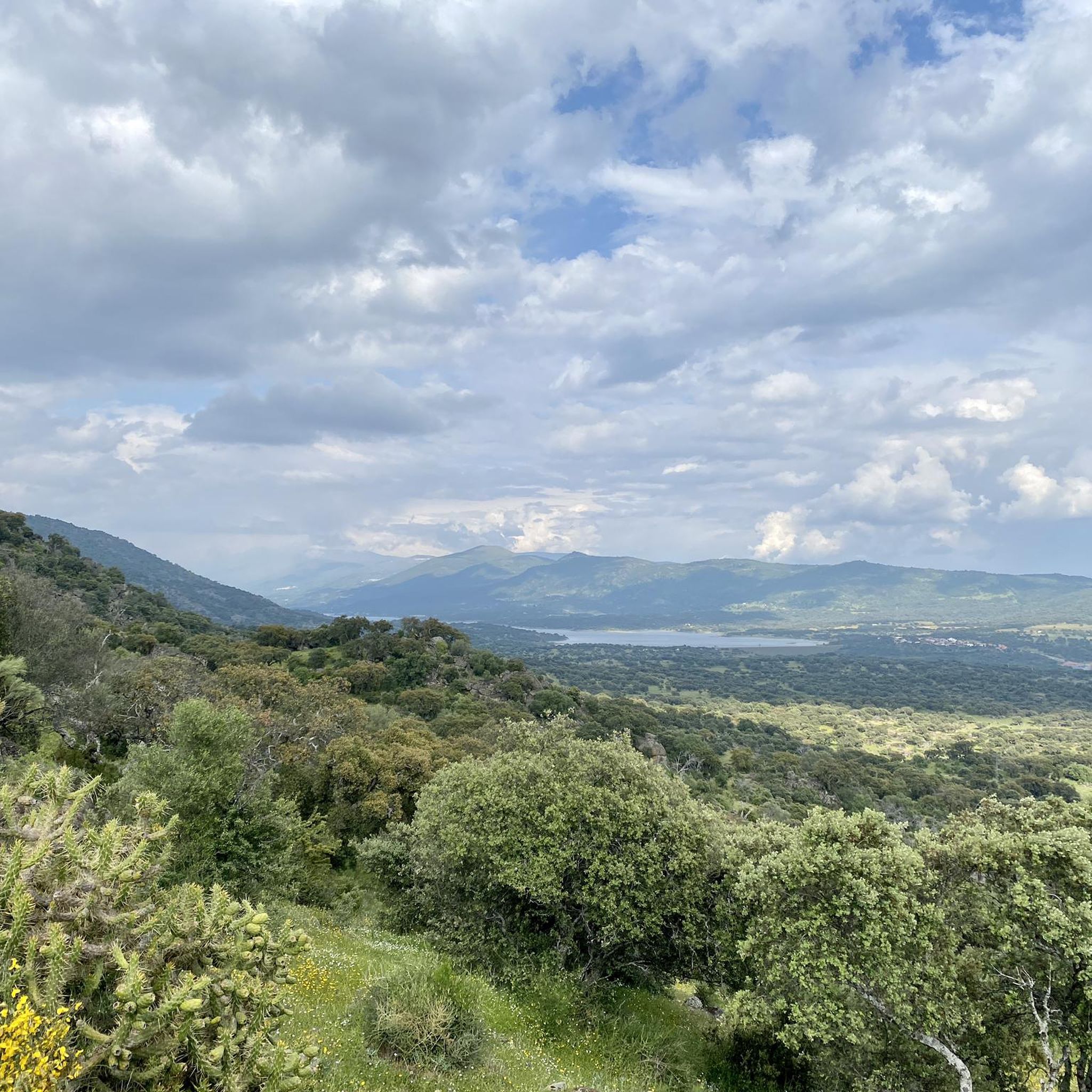
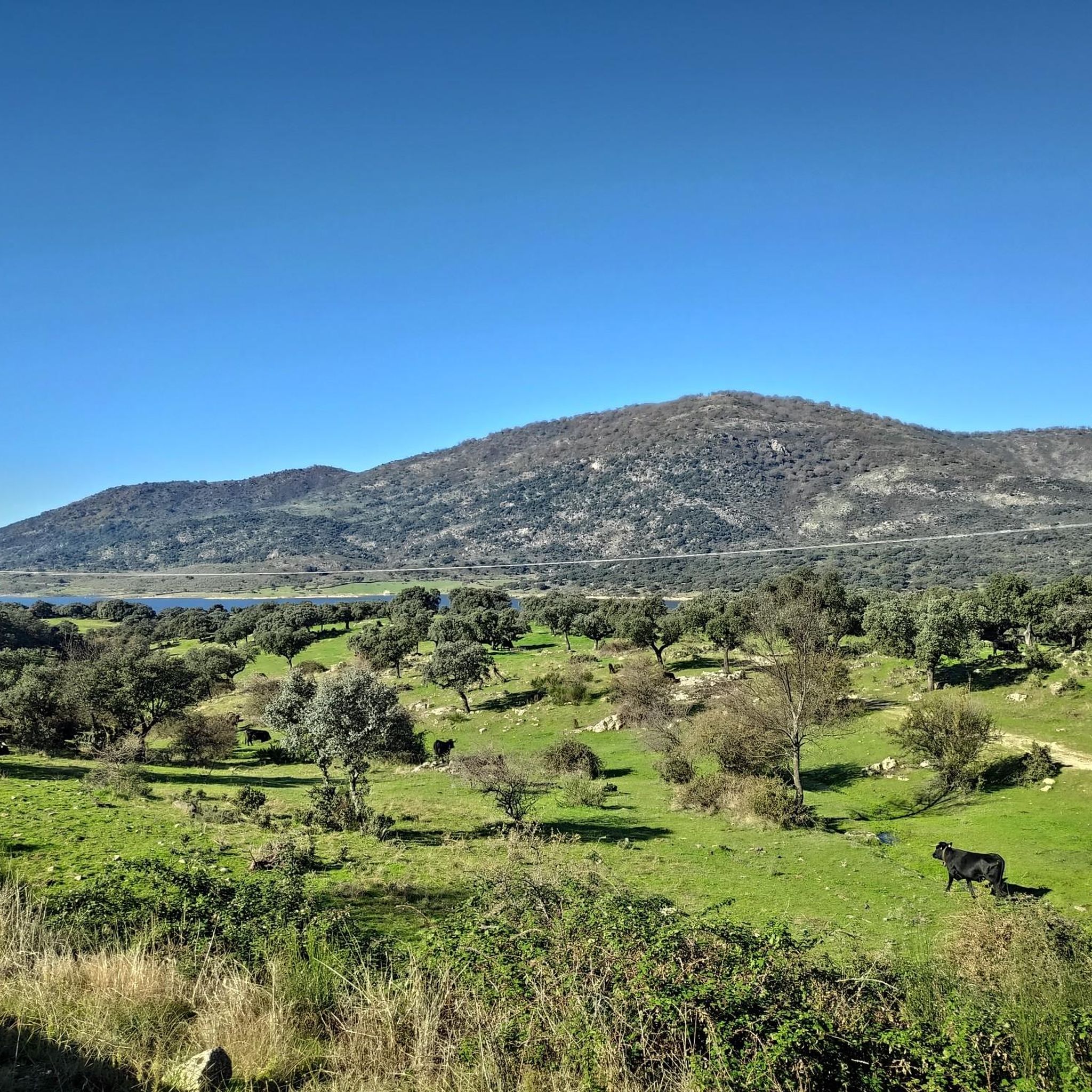
Best attractions and places to see around Cabezabellosa, a municipality nestled in the Tras la Sierra mountains, offers a blend of natural beauty and historical depth. As the highest town in the Trasierra-Tierras de Granadilla region, it provides panoramic views of the Jerte and Ambroz valleys. The area's identity is deeply tied to the history of goatherds and transhumance, with ancient forests and significant archaeological sites. Visitors can explore a landscape rich in both natural features and cultural heritage.
Best…
Last updated: July 2, 2026
Arco de Cáparra
Highlight • Monument
Translated by Google •
Tip by

Plaza Mayor de Plasencia
Highlight • Settlement
Translated by Google •
Tip by

Sign up now to discover places like this
Get recommendations on the best single tracks, peaks, & plenty of other exciting outdoor places.
Sign up for free
Plasencia Cathedral
Highlight • Religious Site
Translated by Google •
Tip by

San Lázaro Bridge
Highlight • Bridge
From this point you can enjoy the panoramic view of the …
Translated by Google •
Tip by

Roman Arch of Cáparra
Highlight • Monument
Translated by Google •
Tip by
Sign up for free to discover even more attractions around Cabezabellosa.
Sign up for free
Already have an account?
Start today with a free account
Your next adventure awaits.
Login or Signup
Tips from the Community

Freely accessible site, plenty of foundations and explanation in English and the beautiful square arch
6
0
Cáparra was once a walled city with suburbs, but it was not a very important ancient city. Not much of the city remains, except for some ruins and an arch. The site is fortunately free to visit and there are signs in English.
7
0

Arch of Cáparra, symbol of the Via de la Plata
1
1

The San Lázaro Bridge is one of the historic bridges that cross the Jerte River in the Spanish city of Plasencia, in the province of Cáceres. It dates back to medieval times, although the current bridge was reconstructed in 1538. It connects the neighborhoods of San Lázaro and Río Jerte, and the San Lázaro Chapel is located next to its western end.
1
0
The Plaza Mayor of Plasencia is the nerve center of the city, in the beginning it even functioned as a Bullring, like many other town squares in Spain. In this sense, the 'Miracle of the Bull of Plasencia' appears in the Cantigas of Alfonso He interceded so that nothing would happen to him. The Plaza Mayor, is a square with arcades around the edge and is located in the heart of the old town of Plasencia, dominating the square, the Town Hall in the main tower of the building, known to all as Piacenza, the grandfather of Mayorga, which acts as the clock tower that rings the bells every half hour. This building dates back to the 16th century and has been restored several times over the years, it is a transitional style from Gothic to Renaissance. On one side of the Town Hall is the old prison building built in the 17th century with a masonry façade and a coat of arms of King Philip IV. in https://plasenciaturismo.es/plaza-mayor
2
0
The Old Cathedral follows a Romanesque plan, despite having been built in the 13th century. Almost all European artistic styles arrived in Extremadura with a considerable delay, since it was the border between the Christian and Muslim kingdoms. Thus, although the Romanesque style arrived in the north of the Peninsula in the 10th and 11th centuries, it was not applied in this area until the 13th century. The main door of the Old Cathedral, the Chapel of San Pablo and the Virgen del Perdón show the transition between Romanesque and Gothic. The New Cathedral has many Gothic and Renaissance elements, such as the choir, the vaults and the Plateresque fronts. The Cathedral Museum exhibits the 16th century Gothic panel of "Wedding at Cana". Masters of the Spanish Baroque such as Gregorio Fernández and the Churriguera brothers also left the important mark of their art on the cathedral's altarpiece. in https://plasenciaturismo.es/que-ver/imprescindibles
2
0

One of the oldest bridges in Plasencia that in the past gave entrance to the city on its northwest side, jumping over the Río Jerte.
0
0

Two great churches for the price of one. Originally proposed to be two churches, the work overlapped during the 15th and 16th centuries, and when the work was completed the Old and New churches were joined.
2
0
Frequently Asked Questions
What are the most significant historical sites to visit around Cabezabellosa?
The region is rich in history. Don't miss the impressive Roman Arco de Cáparra, a unique quadriform arch in Spain, and the nearby Roman Arch of Cáparra site with its ongoing excavations. In Plasencia, explore the Plasencia Cathedral, which features both 13th-century Romanesque and 15th-century Gothic architecture. The Plaza Mayor de Plasencia is also a historical highlight, known for its arcaded square and 16th-century Town Hall. Within Cabezabellosa itself, you can find the 17th-century Iglesia Parroquial de San Lorenzo, the Hermitage of Nuestra Señora del Castillo with its 13th-century altarpiece, and traditional 17th-century washing places like "Chorrito."
Where can I find the best panoramic views in the Cabezabellosa area?
For breathtaking panoramic views, head to the Mirador de la Ermita del Castillo. This impressive steel structure offers expansive vistas of Las Hurdes, Gata, Granadilla, and the Sierra de Francia, and is renowned for its stunning sunsets. Another excellent spot is Pico Pitolero, the highest peak in the Traslasierra mountains, providing spectacular 360-degree views of the Jerte and Ambroz Valleys, extending to the Gabriel y Galán reservoir and even Portugal on clear days.
Are there any family-friendly attractions or activities in Cabezabellosa?
Yes, several attractions are suitable for families. The Arco de Cáparra and Plasencia Cathedral are both listed as family-friendly highlights. Exploring the ancient Roble del Acarreadero, a majestic 500-year-old oak tree, is a gentle trail suitable for all ages. The Vettón Forest offers opportunities for hiking and horse riding, which can be enjoyable family activities. Additionally, the traditional Plaza Mayor in Cabezabellosa provides a charming setting to experience local culture.
What natural features can I explore around Cabezabellosa?
Cabezabellosa is surrounded by diverse natural beauty. You can explore the ancient Roble del Acarreadero, a singular oak tree over 500 years old, accessible via a dedicated trail. The Dehesa features oak meadows with ancient trees, along with various streams and gorges. The Vettón Forest is another significant natural monument, offering insights into local flora and fauna, and even ancient Iron Age vestiges. For impressive mountain scenery, visit Pico Pitolero, the highest peak in the Traslasierra mountains.
What kind of outdoor activities can I do near Cabezabellosa?
The area around Cabezabellosa is ideal for outdoor enthusiasts. You can enjoy hiking and mountain biking on numerous trails, including routes leading to Pico Pitolero and the Roble del Acarreadero. Pico Pitolero is also a popular launch site for paragliders. The Vettón Forest offers unique experiences like horse riding and stargazing. For more structured routes, explore the running trails, cycling routes, and road cycling routes available in the region.
Are there any archaeological sites or Roman ruins in the area?
Yes, the region has significant archaeological importance. The most prominent Roman ruin is the Arco de Cáparra, a unique Roman quadriform arch. Nearby, the Roman Arch of Cáparra site reveals further excavations of ancient Roman buildings. In the Romanejos area, you can find primitive Roman settlements and anthropomorphic tombs carved into granite rock. The Vettón Forest also contains ancient vestiges from the Iron Age, including Vettonian piles carved in stone.
What is the best time to visit Cabezabellosa for outdoor activities?
Cabezabellosa offers outdoor activities throughout the year, but the best time often depends on your preferred activity. Spring and autumn provide pleasant temperatures for hiking and cycling. For events like the Jornada del Cabrero, December is the time to visit. Clear days are ideal for enjoying the panoramic views from Pico Pitolero and the Mirador de la Ermita del Castillo, and for paragliding.
What cultural events or festivals take place in Cabezabellosa?
Cabezabellosa celebrates its rich heritage with the Jornada del Cabrero (Goatherd's Day festival), held every December. This festival highlights the town's deep connection to the history of goatherds and transhumance, offering a glimpse into traditional rural Spanish life and culture.
Can I find traditional architecture in Cabezabellosa?
Absolutely. Cabezabellosa is known for its traditional mountain architecture. The town's Plaza Mayor is a characteristic porticoed square with narrow streets and stone constructions. You can also visit the historical Traditional Washing Places (Lavaderos tradicionales), such as "Chorrito," some dating back to the 17th century, which showcase traditional building styles. Additionally, two stately 16th-century noble houses belonging to the Carvajal and Girón families are preserved in the town.
Are there any bridges of historical significance in the region?
Yes, the San Lázaro Bridge in Plasencia is a medieval bridge from the 16th century that crosses the Jerte River. It connects the old town of Plasencia with the Hermitage of San Lázaro and offers enchanting views of the river landscape. Additionally, "La Cañera and El Pontón" are 16th-century constructions designed to transport water from mountain springs to Plasencia, showcasing historical engineering.
What makes the Vettón Forest special?
The Vettón Forest is a unique living monument offering a blend of nature and history. It's an excellent place for hiking, horse riding, and even stargazing. The forest provides insights into the local flora and fauna, and you can discover ancient vestiges from the Iron Age, including Vettonian piles carved in stone, reflecting the area's deep historical roots.
Most popular attractions around Cabezabellosa

Get inspired with the komoot mobile app


Explore more
Still not found the Highlight you’re looking for? See guides of the top attractions in other regions:
