The best walks and hikes around Pozaldez
5.0
(31)
82
hikers
22
hikes
Hiking around Pozaldez offers diverse landscapes in the Valladolid province of Spain. The region features the Eresma River, which flows through serene pine forests, providing a tranquil setting for walks. Beyond the river, the terrain transitions into agricultural fields, including vineyards and cereal crops, alongside more arid, sandy sections. Temporary wetlands and ancient olive groves also contribute to the varied natural environment, making for a range of hiking experiences.
Best hiking trails around Pozaldez
- The most popular hiking route is…
Last updated: June 29, 2026
2
hikers
4.06km
01:04
30m
30m
Easy hike. Great for any fitness level. Easily-accessible paths. Suitable for all skill levels.
10.4km
02:40
40m
40m
Moderate hike. Good fitness required. Easily-accessible paths. Suitable for all skill levels.

Sign up for free
4.8
(17)
17
hikers
Moderate hike. Good fitness required. Easily-accessible paths. Suitable for all skill levels.
5.0
(4)
18
hikers
9.68km
02:28
30m
30m
Moderate hike. Good fitness required. Easily-accessible paths. Suitable for all skill levels.
5.0
(3)
4
hikers
Moderate hike. Good fitness required. Easily-accessible paths. Suitable for all skill levels.
Get access to more routes and recommendations from other explorers.
Sign up for free
Already have an account?
Our route recommendations are based on thousands of hikes, rides, and runs completed by other people on komoot.
Start today with a free account
Your next adventure awaits.
Login or Signup

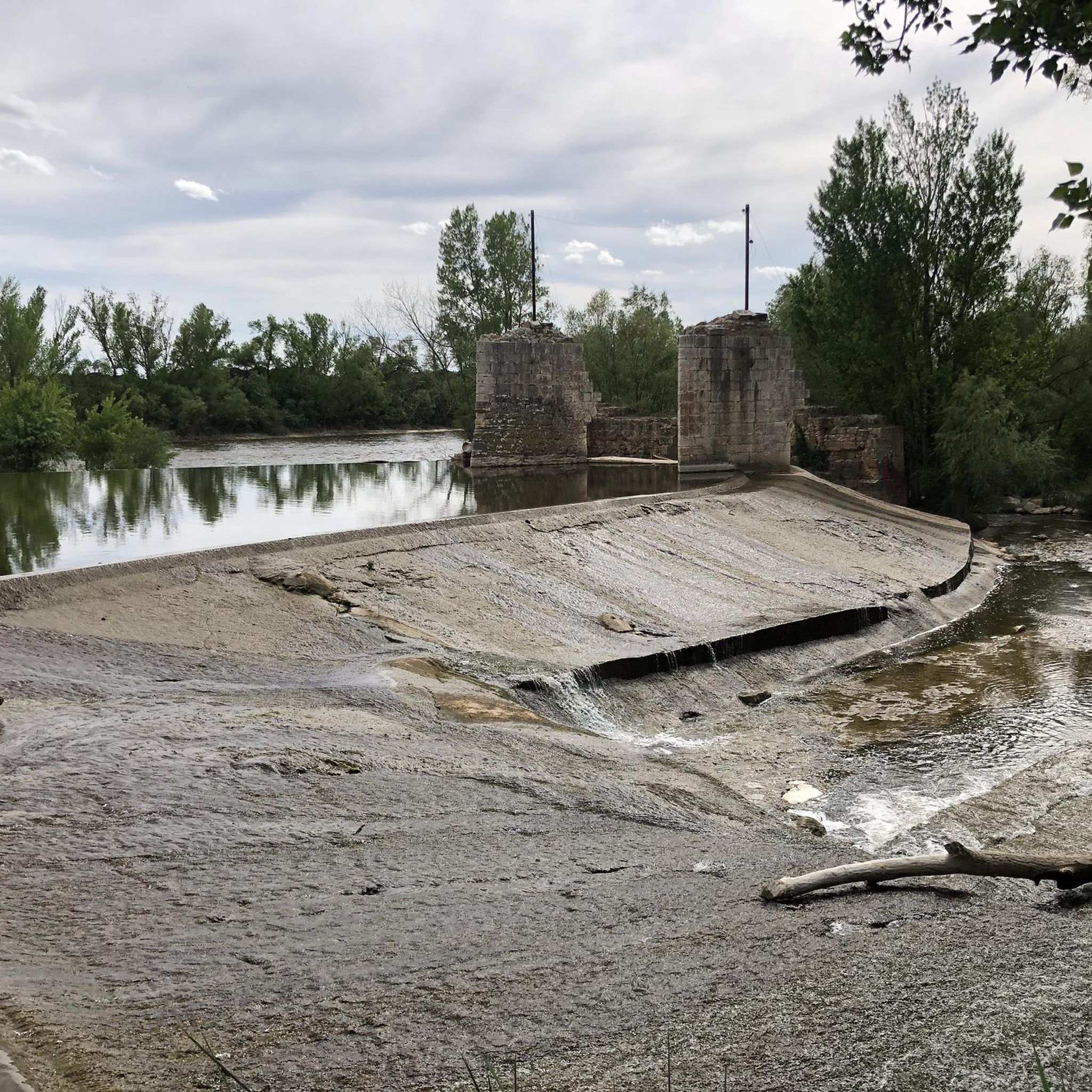

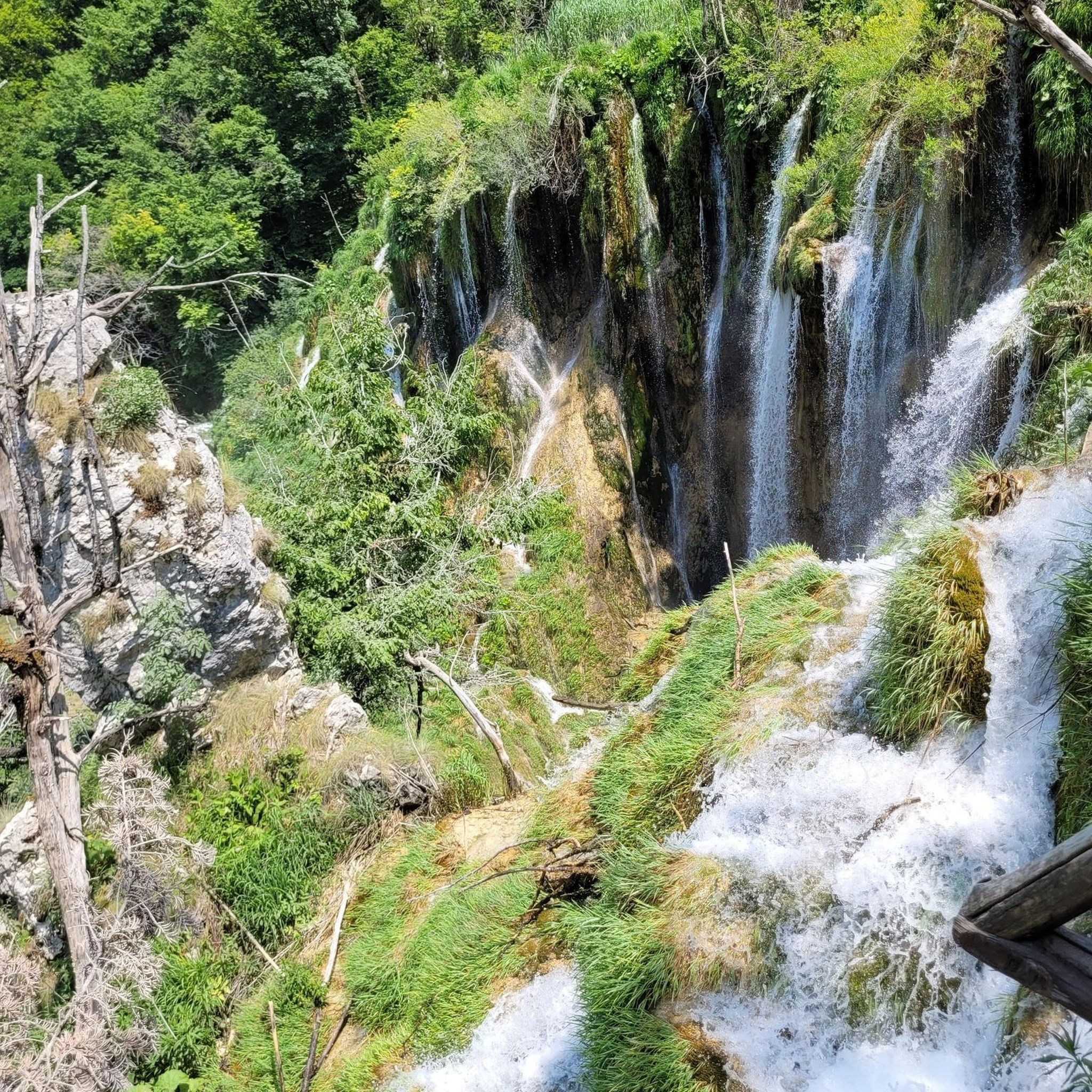
Tips from the Community

Built in the 16th century by Diego Beltrán, a nobleman and member of the Royal Council of the Indies, around 1528–1533, on a site previously used on Santiago Street. Its design is attributed to the royal architect Luis de Vega. From 1602 to 1604, it housed the Royal Chancery; later, it served as the residence of the Marquis of Ensenada during his exile. In 1916, it was acquired by the Marquises of Argüeso; in 1950, it passed into the hands of the State and was used as a vocational institute, currently functioning as an educational center.
5
0
It was the second foundation established by Saint Teresa of Ávila as part of the Carmelite reform, officially founded on August 15, 1567, thanks to houses donated by María Juárez de Herrera. Over the following decade, the convent was expanded by acquiring adjacent land. In 1654, the architect Mateo Martínez reinforced the structures and added another story to the cloister. Here, Saint Teresa first met Saint John of the Cross, who had been living in another local Carmelite convent since 1563.
5
0
Parish Church of Santiago el Real, in Medina del Campo. Medieval origins: a church dedicated to Saint James already existed in 1177, located on Santa Teresa Street. It was renovated in the 16th century and used until 1770. The current building was initially the church of the Jesuit novitiate dedicated to Saints Peter and Paul. The first stone was laid in July 1553 by Saint Francis Borgia, and it was opened for worship around 1563. After the expulsion of the Jesuits, around 1770 it became the parish church of Saint James, retaining only the church from the original complex. It was declared a Site of Cultural Interest on January 18, 1968 (RI-51-0003793).
4
0
The "Gerardo Moraleja" Municipal Library in Medina del Campo offers a full range of services and amenities for all audiences.
4
0
An interpretation center dedicated to Queen Isabella I (“the Catholic”), highlighting the will and codicil signed there, and her death in 1504. A 14th-century palace (possibly in the Mudéjar style), remodeled by the Catholic Monarchs, later reused as a prison or town hall, and restored in 2004 as an educational museum.
8
0
Also known as the Main Parish Church of San Antolín. The original parish dates back to 1177, founded by settlers from the north (Palencia) and dedicated to Saint Antolín. In 1480, the Catholic Monarchs obtained a papal bull from Pope Sixtus IV elevating its status to a collegiate church with a free abbey. Construction of the current church began in 1502 and continued into the 18th century, with prominent architects such as Juan Gil de Hontañón, Rodrigo Gil, and the Gutiérrez brothers. It lost its collegiate church status in 1851, becoming simply the main parish church.
9
0
It originally opened as a former cinema-theater, and even a nightclub in the 80s and 90s, taking over from the Church of San Facundo. The transition to the current management has revitalized the space with a film club and a more diverse program.
9
0

This is a brick building dedicated to the care of elderly people with limited financial resources. It is run by the Catholic Church and its full name is "Hogar San José" (Saint Joseph's Home) of the Little Sisters of the Poor.
11
0
Frequently Asked Questions
How many hiking trails are available around Pozaldez?
There are over 15 hiking trails around Pozaldez, offering a variety of experiences from easy strolls to moderate treks. The komoot community has mapped out these routes, providing detailed information for your adventures.
What kind of terrain can I expect on hikes around Pozaldez?
The terrain around Pozaldez is quite varied. You'll find picturesque river views along the Eresma River, serene pine forests, and extensive agricultural fields, including vineyards and cereal crops. Some areas also feature more arid, sandy sections and temporary wetlands, offering a diverse natural environment for exploration.
Are there any easy hiking trails suitable for beginners or casual walkers?
Yes, Pozaldez offers several easy trails. For example, the City tour through Medina del Campo is an easy 4 km route. In total, there are 4 easy routes available, perfect for a relaxed walk.
Are there any circular hiking routes in Pozaldez?
Many of the trails around Pozaldez are designed as circular routes, allowing you to start and end in the same location. A notable example is the Eresma River Trail, a 5.1-mile (8.2 km) circular route that showcases river views and pine forests.
What are the best times of year to go hiking in Pozaldez?
The spring and autumn months are generally ideal for hiking in Pozaldez, offering pleasant temperatures and vibrant landscapes. Spring brings blooming flora, while autumn provides comfortable weather and beautiful colors in the agricultural fields and forests. Summers can be hot, so early mornings or late afternoons are recommended if hiking during this season.
Are there any family-friendly hiking options around Pozaldez?
Yes, several trails are suitable for families. The varied terrain, including river paths and pine forests, offers engaging environments for children. Shorter, easier routes like the City tour through Medina del Campo are good choices for families.
Can I bring my dog on the hiking trails in Pozaldez?
Many trails in the Pozaldez region are dog-friendly, allowing you to enjoy the outdoors with your canine companion. It's always advisable to keep dogs on a leash, especially in areas with wildlife or agricultural land, and to carry waste bags to maintain the cleanliness of the trails.
What interesting landmarks or natural features can I see while hiking?
While hiking around Pozaldez, you can explore diverse natural features such as the Eresma River, serene pine forests, and ancient olive groves. The region also features temporary wetlands known as 'lavajos'. For historical landmarks, the towers of churches like Santa María and San Boal, and the distant Castle of La Mota, are visible across the landscape.
Where can I park when visiting hiking trails in Pozaldez?
Parking is generally available in or near the village of Pozaldez, and at designated starting points for popular trails. For specific routes like the Eresma River Trail, you can often find parking close to the trailhead, making access convenient.
What do other hikers enjoy most about hiking in Pozaldez?
The komoot community highly rates the hiking experience in Pozaldez, with an average score of 4.97 stars from over 20 reviews. Hikers often praise the diverse landscapes, from tranquil river paths and pine forests to the unique agricultural scenery, including vineyards. The well-maintained trails and the peaceful atmosphere are frequently highlighted.
Are there any trails that pass through vineyards?
Yes, the region's agricultural landscape includes vineyards, offering unique scenic routes. The Between the Vineyards Trail is a prime example, winding through cultivated fields and local vineyards, providing picturesque views of the agricultural heritage of Pozaldez.
What is the typical duration for a moderate hike in Pozaldez?
Moderate hikes in Pozaldez typically range from 2 to 3 hours. For instance, the Eresma River Trail, a 5.1-mile route, takes approximately 2 hours and 6 minutes, while the Camino de Nivaria Trail, at 6.5 miles, is often completed in about 2 hours and 40 minutes.
Most popular attractions around Pozaldez

Get inspired with the komoot mobile app


Explore more
Browse the best Hikes in other regions.
