Attractions and Places To See around San Miguel Del Arroyo - Top 17
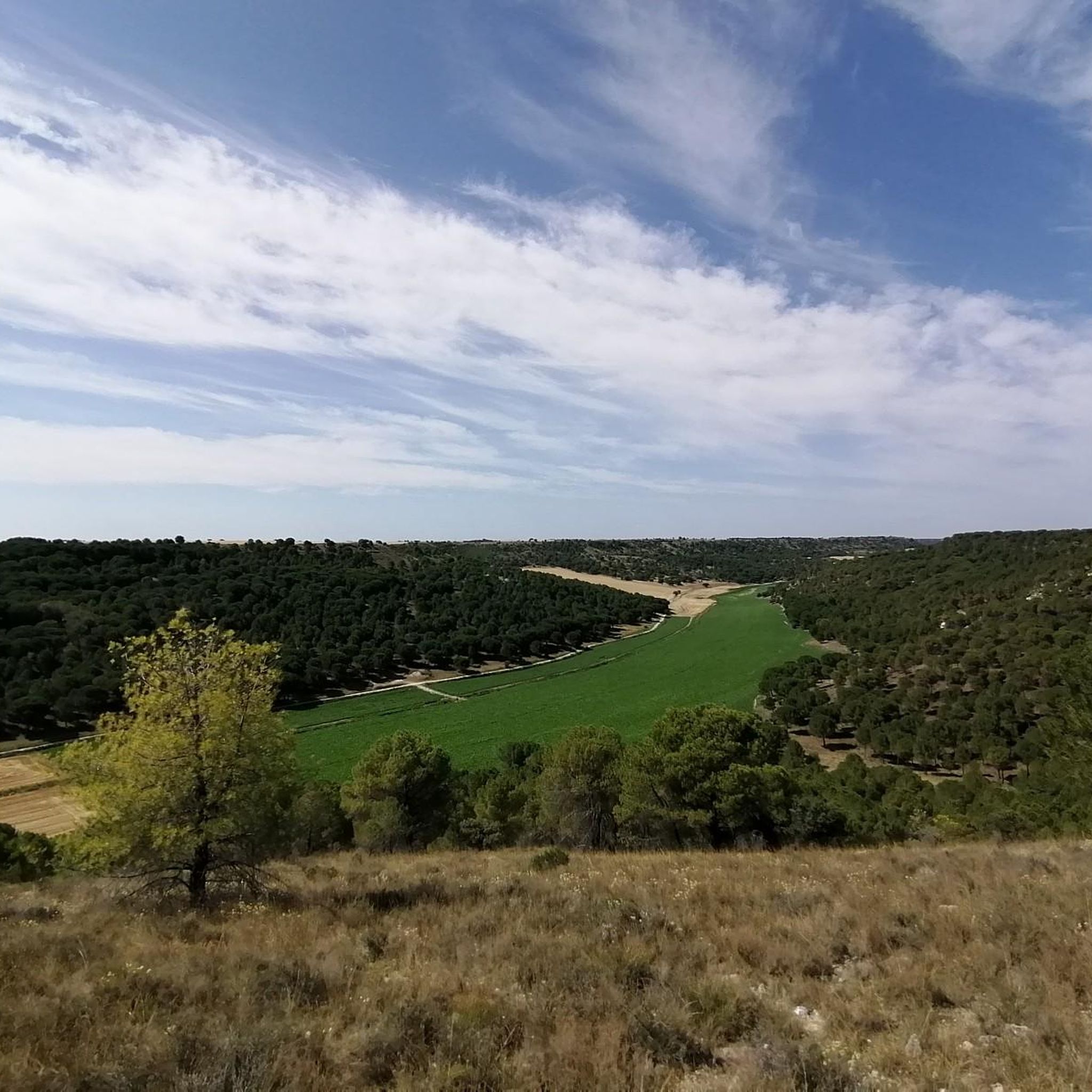
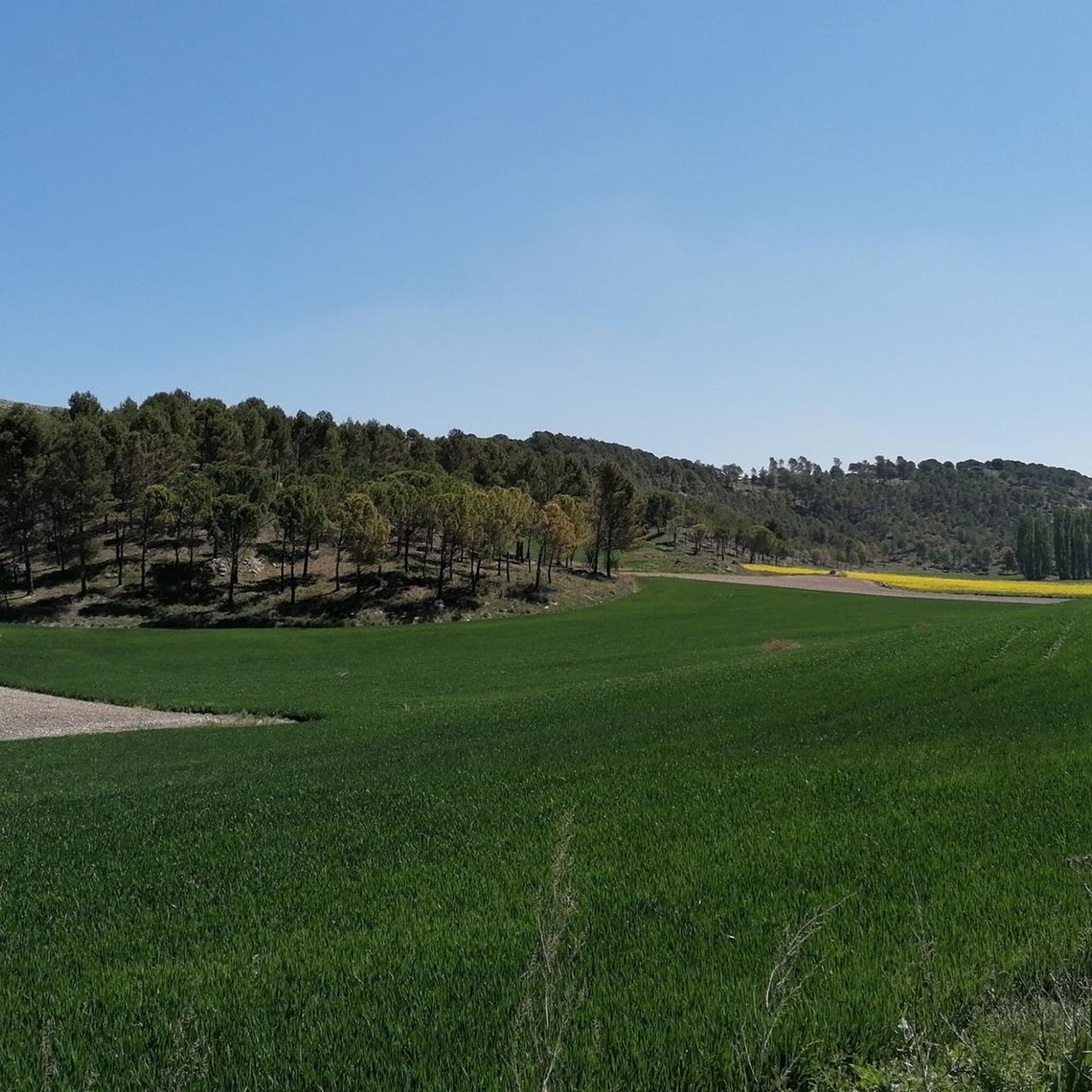
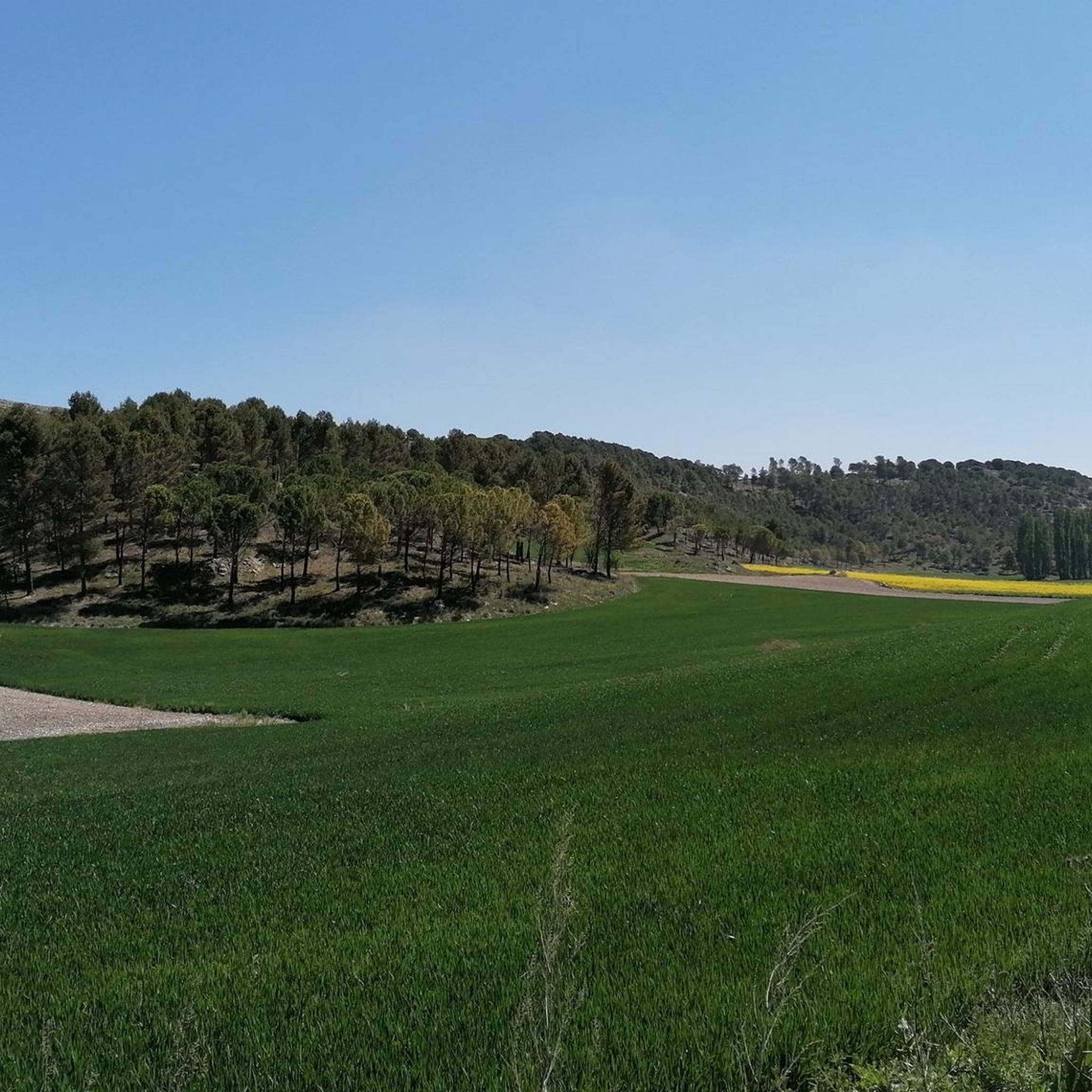
Best attractions and places to see around San Miguel Del Arroyo include a blend of historical architecture and natural landscapes in the Henar Valley of Valladolid, Spain. The village is characterized by extensive moorlands, vineyards, cereal plains, and dense pine forests. Visitors can explore significant historical sites, including 16th-century churches and ancient hermitages. The area offers opportunities to experience rural Castilian culture and natural beauty.
Best attractions and places to see around San Miguel Del Arroyo
- The most popular attractions…
Last updated: July 2, 2026
San Juan Church, Mojados
Highlight • Religious Site
The Church of San Juan, Mudejar from the 13th and 14th centuries, in which its beautiful …
Translated by Google •
Tip by

Portillo Castle
Highlight • Castle
Translated by Google •
Tip by

Sign up now to discover places like this
Get recommendations on the best single tracks, peaks, & plenty of other exciting outdoor places.
Sign up for free
Megeces Bridge
Highlight • Bridge
Translated by Google •
Tip by

Portillo Track – Cobbled Climb
Highlight • Castle
Translated by Google •
Tip by

Cuéllar Castle
Highlight • Castle
Construction of …
Translated by Google •
Tip by
Sign up for free to discover even more attractions around San Miguel Del Arroyo.
Sign up for free
Already have an account?
Start today with a free account
Your next adventure awaits.
Login or Signup


Tips from the Community

Cuéllar Castle, also known as the Castle-Palace of the Dukes of Alburquerque, is one of the town's most iconic monuments and has a rich history spanning several centuries. Construction of the castle began in the 11th century and was completed in the 17th century. Over the centuries, it has been expanded and renovated in various architectural styles, including Gothic and Renaissance. Its historical owners include Álvaro de Luna and Beltrán de la Cueva, as well as successive Dukes of Alburquerque. Currently, the castle houses the Cuéllar Tourist Office, and guided and dramatized tours are offered on weekends.
5
0
Documented since 1306, the castle has witnessed various events over the centuries. It was property of the Duchy of Alburquerque and hosted illustrious guests such as the kings of Castile, such as Juan I and Queen Leonor, as well as María de Molina. This castle is a historical treasure and a living testimony to the grandeur and diversity of architectural styles over the centuries. 🏰🌿
4
0

In addition to the Mudejar churches, don't forget its bridge over the Cega
1
0

Good cakes and bakeries next to the church
0
0

The bridge over the Cega River, built between 1515 and 1516, is a remarkable structure commissioned by the Archpriest of Cogeces, Juan Díaz de Mirena. It consists of a single limestone semicircular arch and is twelve meters long. In the lower part, it has buttresses, and its railing is decorated with large semicircular stones. Inside the arch, fragments of the old wooden framework used during its construction are preserved.
1
0
Mojados is a charming town that houses two beautiful Mudejar-style churches. The Church of San Juan, from the 13th and 14th centuries, stands out for its nave with a pointed barrel vault and its beautiful tower. On the other hand, the Church of Santa María, from the 14th century, has three naves and an impressive stone and brick tower. In addition, in the surroundings there are other notable buildings such as the Town Hall and the bridge over the Cega river. The Hermitage of Nuestra Señora de Luguillas, located about three kilometers away, is another outstanding Baroque building with a nave covered with a barrel vault.
1
0
The castle of Portillo stands on top of a hill that dominates Tierra de Pinares. Built in the 14th century and restored in the 15th century, the castle was the scene of the arrest and imprisonment of Álvaro de Luna. It represents the power and wealth of its lords, with a square structure, keep, barbican and three fortified gates. In its parade ground there is a well more than 30 meters deep.
1
0

On a fortified hill stands the Castillo de Portillo. The climb to the castle is steep but with incredible views that will greet you from the top of its defensive walls.
1
0
Frequently Asked Questions
What historical sites can I explore around San Miguel del Arroyo?
San Miguel del Arroyo and its surroundings are rich in history. You can visit the 16th-century Iglesia Parroquial de San Miguel Arcángel, featuring Gothic and Renaissance designs, or the 18th-century Iglesia de San Esteban, home to the 13th-century Virgen de Fuenlabradilla. Don't miss the ancient Portillo Castle, a 14th-century fortress with a deep well, or the well-preserved Cuéllar Castle, which spans architectural styles from the 11th to 17th centuries. The historic Megeces Bridge, built in the early 16th century, is also a notable landmark.
Are there natural areas or viewpoints to visit near San Miguel del Arroyo?
Yes, the region offers beautiful natural landscapes. The village is nestled in the Henar Valley, traversed by the Henar River, and surrounded by extensive moorlands, vineyards, cereal plains, and dense pine forests. You can explore the Portillo Track – Cobbled Climb for incredible views from the defensive walls of Portillo Castle. The Pinar del Negral is a recommended natural area for hiking, and the municipality also features a unique holm oak grove and juniper forest (Monte de Encinas and Sabinar).
What kind of outdoor activities can I do in the area?
The area around San Miguel del Arroyo is excellent for various outdoor activities. You can find numerous hiking trails starting from the village, leading into pine and juniper forests or along ancient rural paths. For cycling enthusiasts, there are many routes available. You can explore road cycling routes, MTB trails, and touring bicycle routes, including loops around Portillo, Mojados, and the Duero Vineyards.
Are there any family-friendly attractions or activities?
Many attractions are suitable for families. Exploring historical sites like Cuéllar Castle, which offers guided and dramatized tours, can be engaging for all ages. The natural areas like Pinar del Negral provide opportunities for easy walks and picnics. The village's Plaza Mayor is a central gathering point, and local events, including a Folk music festival and theater program, can offer family entertainment.
What is the best time of year to visit San Miguel del Arroyo?
The best time to visit San Miguel del Arroyo generally depends on your preferred activities. Spring and autumn offer pleasant temperatures for hiking and exploring historical sites without the intense heat of summer. The Romería to Ermita del Espíritu Santo, a traditional pilgrimage with music and dance, takes place on the eve of Pentecost, offering a unique cultural experience.
What unique cultural experiences or hidden gems can I find in San Miguel del Arroyo?
Beyond the main historical sites, San Miguel del Arroyo offers unique cultural insights. You can visit La Leona Bookstore, a second-hand bookstore run by a local passionate about traditional tambourine music. The village is also home to Carlos Soto's recording studio, a founder of the band Celtas Cortos. Keep an eye out for the Folk music festival and theater program, which are integrated into the Castilla y León Scenic Circuits.
Can I find local cuisine or gastronomic specialties in San Miguel del Arroyo?
Yes, the local gastronomy is a significant point of interest. You can savor specialties such as octopus, squid, mushrooms, cecina (cured meat), carrilleras (pork cheeks), and autochthonous pine nut pastries. These dishes are often paired with local Ribera del Duero wines. The traditional drink of chicory is also a local highlight.
Are there any religious or spiritual sites worth visiting?
Absolutely. The village is home to the 16th-century Iglesia Parroquial de San Miguel Arcángel and the 18th-century Iglesia de San Esteban, which houses the revered 13th-century polychrome image of the Virgen de Fuenlabradilla. The ancient Ermita del Santo Espíritu, dating back to the 11th or 12th century, offers splendid panoramic views, and the Ermita del Humilladero houses a 16th-century Christ of Amparo. Further afield, the San Juan Church, Mojados, is a beautiful Mudejar church from the 13th and 14th centuries.
What are the options for hiking or walking trails near San Miguel del Arroyo?
The region provides numerous hiking opportunities. You can find trails that lead through the dense pine and juniper forests, offering a chance to enjoy the local biodiversity. Many routes start directly from the village, following ancient rural paths. For more structured options, consider exploring the MTB trails, which often double as hiking paths, or the touring bicycle routes that pass through scenic landscapes.
Where can I see examples of traditional Castilian architecture?
San Miguel del Arroyo showcases traditional Castilian architecture through its historical buildings. Around the Plaza Mayor, you can observe several old manor houses (Casas Solariegas) from the 17th and 18th centuries, reflecting the village's past grandeur. The 16th-century Iglesia Parroquial de San Miguel Arcángel and the 18th-century Iglesia de San Esteban are prime examples of the region's religious architectural heritage.
Are there any archaeological points of interest in the vicinity?
While not directly within San Miguel del Arroyo, the provincial Museo de Valladolid in Valladolid city contains Roman ornaments and decorative items from archaeological sites, including some from the San Miguel del Arroyo area. The ancient origins of sites like Portillo Castle, mentioned in 10th-century Arab incursions, also hint at a rich archaeological past.
Most popular routes around San Miguel Del Arroyo
Most popular attractions around San Miguel Del Arroyo

Get inspired with the komoot mobile app


Explore more
Still not found the Highlight you’re looking for? See guides of the top attractions in other regions:
