The best walks and hikes around Quintanilla De Onésimo
4.1
(8)
46
hikers
19
hikes
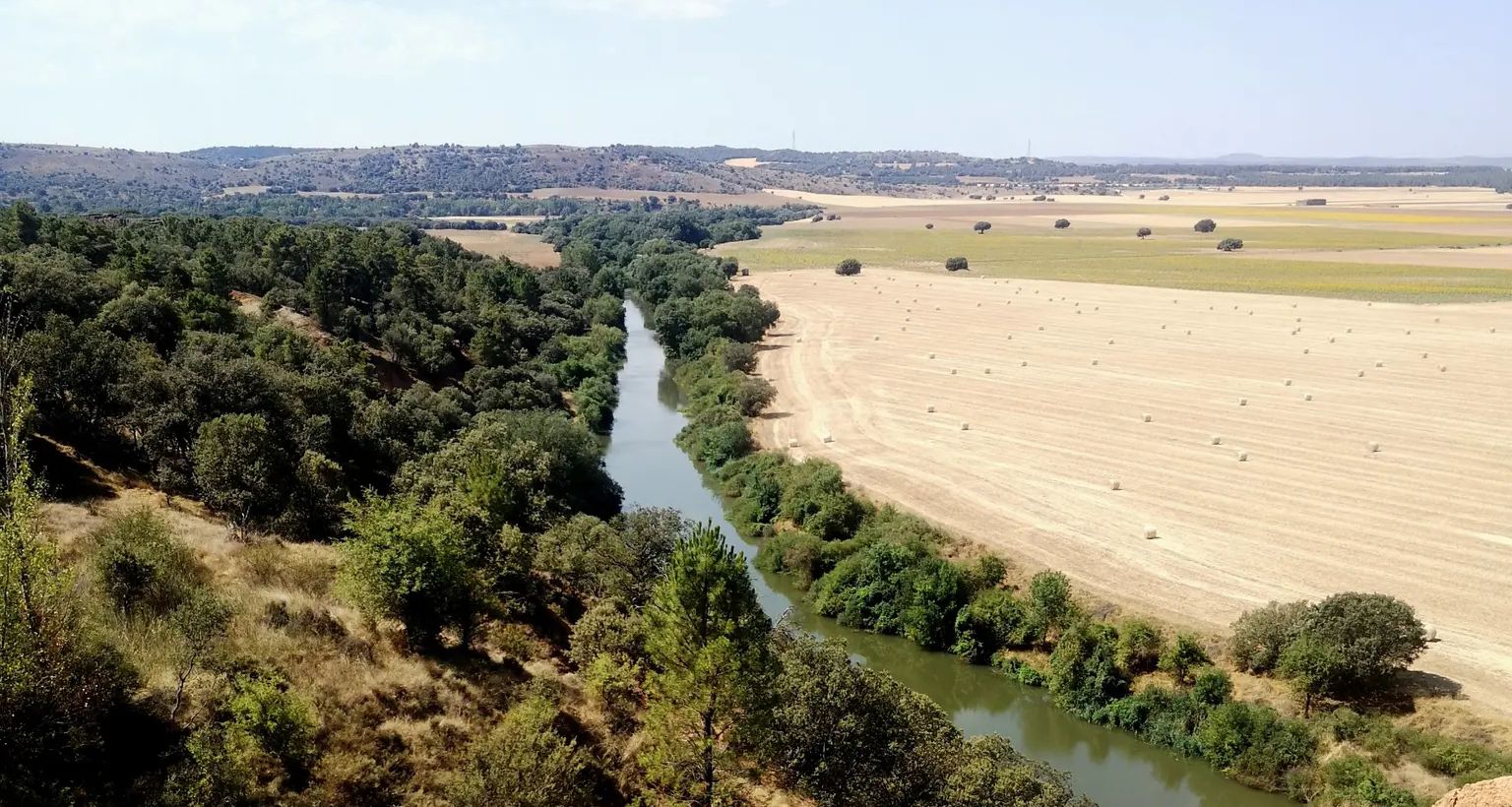
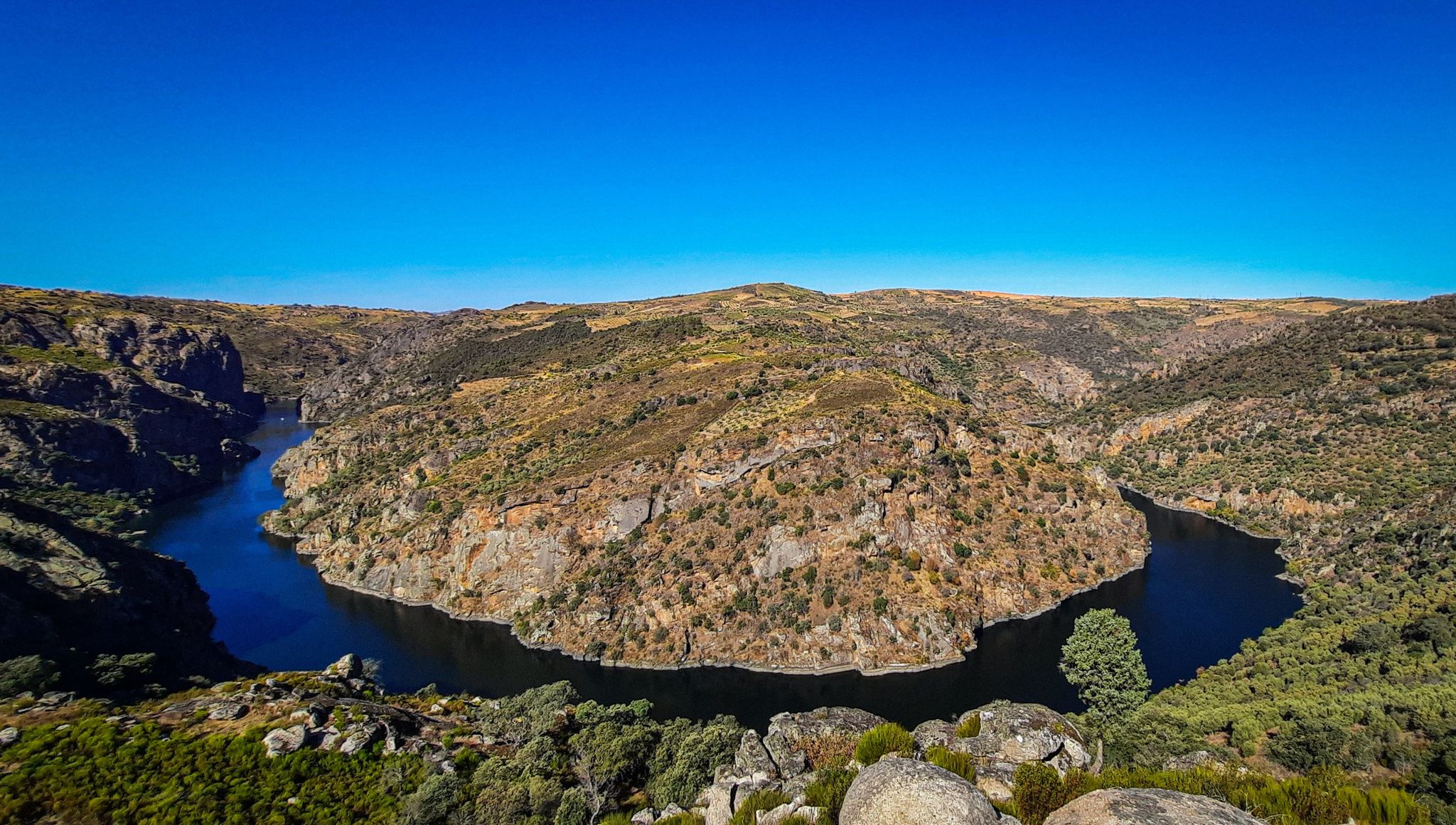
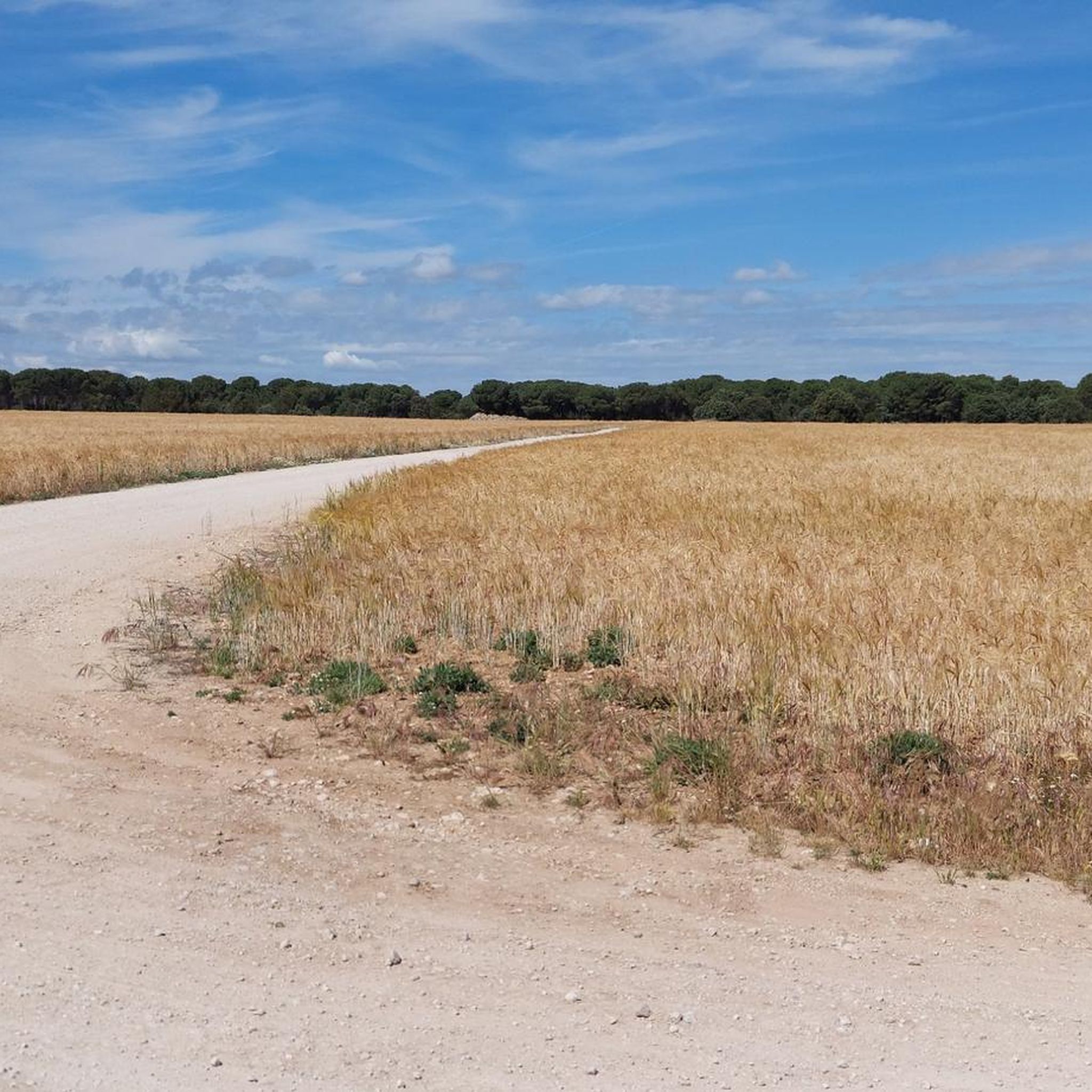
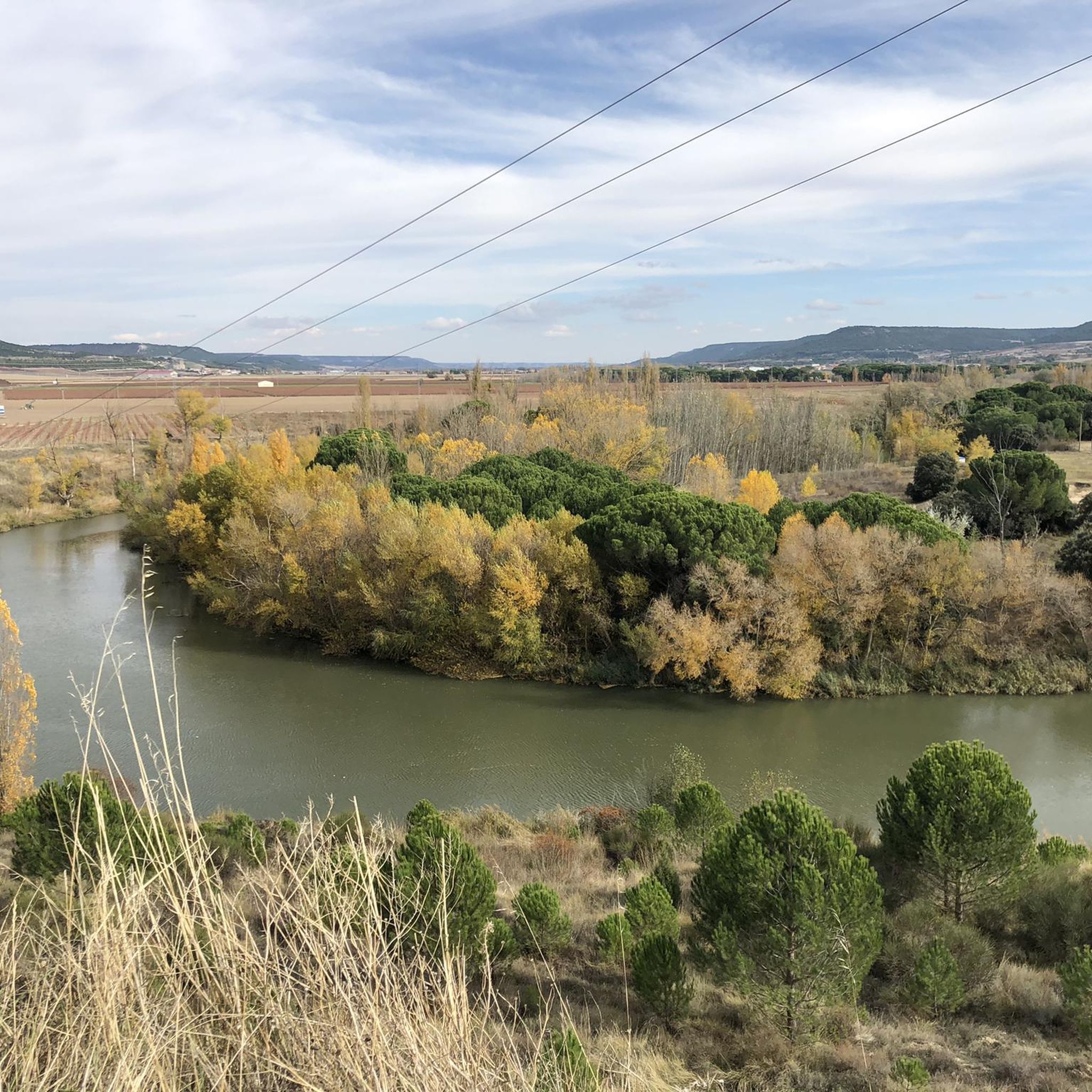
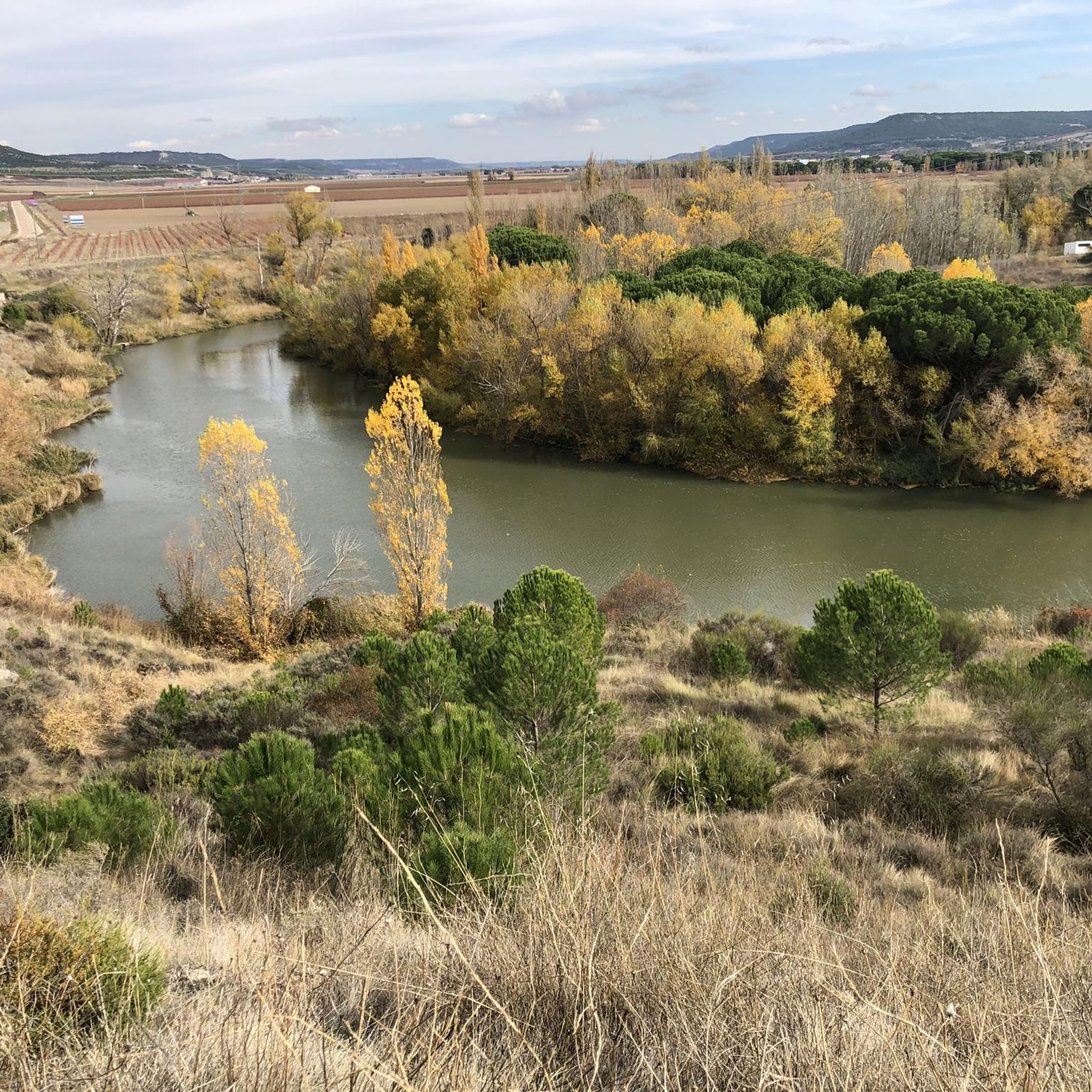
Hiking around Quintanilla De Onésimo offers diverse landscapes within the Ribera del Duero region. The area is characterized by the Duero River, extensive vineyards, and pine forests like the Pinar de San Pablo. Hikers can find varied terrain, from serene river paths to areas with steeper slopes.
Best hiking trails in Quintanilla De Onésimo
- The most popular hiking route is Atalaya Trail, an easy 3.3 miles (5.3 km) trail that takes 1 hour 31 minutes to complete. This route…
Last updated: July 2, 2026
4
hikers
5.35km
01:32
130m
130m
Easy hike. Great for any fitness level. Easily-accessible paths. Suitable for all skill levels.
4.0
(1)
6
hikers
18.4km
04:40
50m
50m
Moderate hike. Good fitness required. Easily-accessible paths. Suitable for all skill levels.

Sign up for free
5.0
(1)
2
hikers
8.30km
02:18
140m
140m
Moderate hike. Good fitness required. Easily-accessible paths. Suitable for all skill levels.
1
hikers
6.57km
01:46
80m
80m
Easy hike. Great for any fitness level. Easily-accessible paths. Suitable for all skill levels.
8.19km
02:14
120m
120m
Moderate hike. Good fitness required. Easily-accessible paths. Suitable for all skill levels.
Get access to more routes and recommendations from other explorers.
Sign up for free
Already have an account?
Our route recommendations are based on thousands of hikes, rides, and runs completed by other people on komoot.
Start today with a free account
Your next adventure awaits.
Login or Signup
Popular around Quintanilla De Onésimo



Tips from the Community

The Old Hermitage of Traspinedo is a favorite place for hiking lovers. Its location on the outskirts of town makes it ideal for a quiet and contemplative walk. If you ever visit Traspinedo, do not hesitate to explore this historical corner and enjoy its charm. 🌿🏰 Despite its current state, the entrance arch and stone cross add a touch of beauty and mystery to the place.
6
0

The church of San Juan de Santibáñez de Valcorva, built between the 12th and 13th centuries, has a brick Mudejar or Romanesque style. It is the oldest church in the region and is protected by the castle or Casa Fuerte de Santibáñez de Valcorba on its north side and by the Valcorba stream on its south side. Over the centuries, it has undergone extensions and modifications, including the construction of a Gothic nave and a fortress bell tower in the 17th century.
1
0
Sardón de Duero, a wine-growing town where the 16th century Church of San Juan Bautista stands out with its stone architecture with a single nave and a main chapel with a ribbed vault. About two kilometers away is the Monastery of Santa María de Retuerta, a Romanesque building from the 12th century with a cloister renovated in the 16th century.
2
0
Architectural treasure from the 16th century IN the Gothic style that stands out for its elegant doorway and its spacious interior. Its stone walls keep centuries of history and its main altarpiece is an impressive work of art. The church is a place of devotion and charm, where you can appreciate the beauty of religious art.
1
0

Viewpoint located in the middle of the Valcorba trail with panoramic views of the valley of the same name.
1
0
Religious sanctuary dating from the 13th century in which some remains of Mudejar architecture are preserved. It is the oldest church in the region and one of the oldest in the province
1
1
A little outside of the small town of Traspinedo are the ruins of a small hermitage known as "hermitage del Humilladero".
1
1
Town of Valladolid located on the banks of the Duero channel. It has a square in the center with the church of San Juan Bautista (in Gothic style but restored with brick).
2
0
Frequently Asked Questions
How many hiking trails are available in Quintanilla De Onésimo?
There are nearly 20 hiking routes around Quintanilla De Onésimo, offering a variety of experiences. You'll find options ranging from easy riverside strolls to more challenging paths through vineyards and pine forests.
Are there any easy hiking routes suitable for beginners or families?
Yes, Quintanilla De Onésimo offers several easy routes. For a gentle introduction, consider the Atalaya Trail, an easy 5.3 km path that takes about 1 hour 31 minutes. Another accessible option is the Sendero de Negredo, a circular route of about 6.5 km.
What kind of landscapes can I expect to see while hiking in this region?
The region is characterized by diverse landscapes. You'll encounter the serene Duero River, often with parallel sections of the Canal del Duero, creating unique 'between two waters' vistas. Extensive vineyards, characteristic of the Ribera del Duero wine region, and pine forests like the Pinar de San Pablo are also prominent features. Some routes offer steeper slopes for varied terrain.
Are there any circular hiking routes in Quintanilla De Onésimo?
Yes, there are several circular routes. The Sendero del Valcorba is a moderate 8.3 km circular trail. Another option is the Sendero de la Sombría, also a moderate circular route of about 8.1 km.
What are some notable natural landmarks or attractions to look out for?
Beyond the trails, you can find unique natural landmarks such as the 'Encina de las Tres Matas' (three-mat holm oak) offering magnificent views, and a tricentenary olive tree. The historic Renaissance bridge with seven arches, connecting Quintanilla de Onésimo with Olivares de Duero, is also a notable landmark. For specific points of interest, consider visiting the Armedilla Monastery or the Stone Bridge of Olivares de Duero.
What do other hikers enjoy most about hiking in Quintanilla De Onésimo?
The area is highly rated by the komoot community, with an average score of 4.0 stars. Hikers often praise the natural environment along the Duero River, the varied terrain, and the well-established trail networks that allow for exploration of vineyards and pine forests.
Can I combine hiking with wine tourism in this region?
Absolutely. Quintanilla de Onésimo is nestled within the renowned Ribera del Duero wine region. Many routes traverse extensive vineyards, and there are even specific trails like the 'Ruta por las bodegas' that connect several towns, including Castrillo de Duero, Peñafiel, and Pesquera de Duero, making it ideal for combining hiking with visits to local wineries.
Are there any long-distance hiking options available?
Yes, a prominent long-distance path is the Duero Trail (GR 14), which is part of the Senda del Duero. A segment of this, from Peñafiel to Quintanilla de Onésimo, is an easy 19-mile (30 km) route that allows hikers to experience the natural environment along the river.
What is the best time of year to go hiking in Quintanilla De Onésimo?
The region offers pleasant hiking conditions for much of the year. Spring and autumn are particularly ideal, with milder temperatures and beautiful scenery as vineyards change color. Summer can be warm, making early morning or late afternoon hikes preferable. Winter offers a different, quieter charm, especially along the river paths.
Are there any historical or cultural sites accessible from the hiking trails?
Yes, the region has a rich history. You might encounter the historic Renaissance bridge with seven arches. For those interested in history and culture, the Archaeological Zone of Pintia, with visitor facilities, and the Park of the Wine Architecture, showcasing traditional winemaking constructions, offer interesting diversions. You can also visit the Old Hermitage of Traspinedo.
What kind of wildlife can I expect to see while hiking?
The diverse landscapes support a variety of flora and fauna. Along the Duero River and in areas like El Carrascal, you might spot various bird species such as the great bustard, European bee-eater, hoopoe, and common kestrel. Several amphibian species also inhabit the area, particularly near water sources.
Most popular routes around Quintanilla De Onésimo
Most popular attractions around Quintanilla De Onésimo

Get inspired with the komoot mobile app


Explore more
Browse the best Hikes in other regions.
