The best road cycling routes around Tordehumos
5.0
(1)
33
riders
3
rides
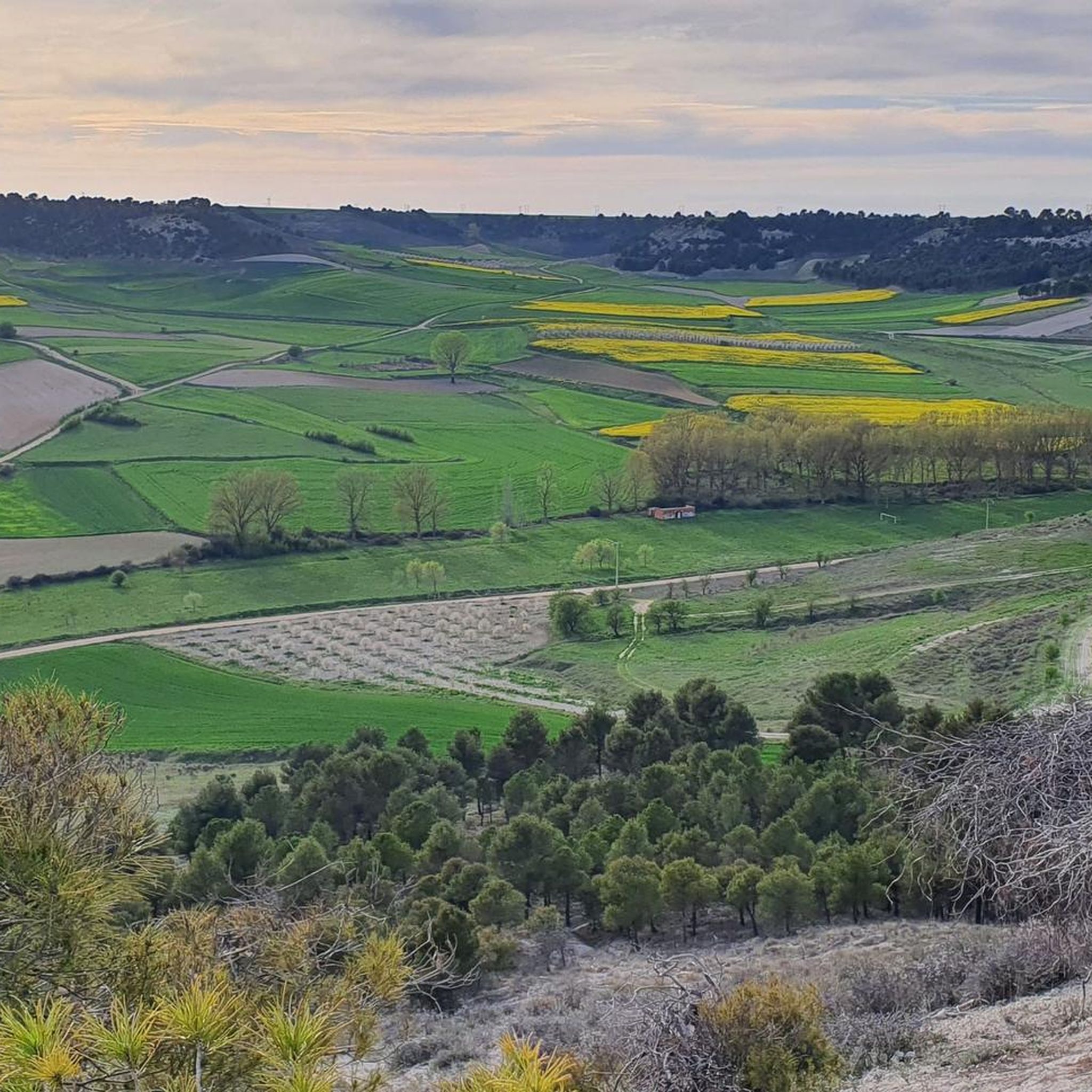
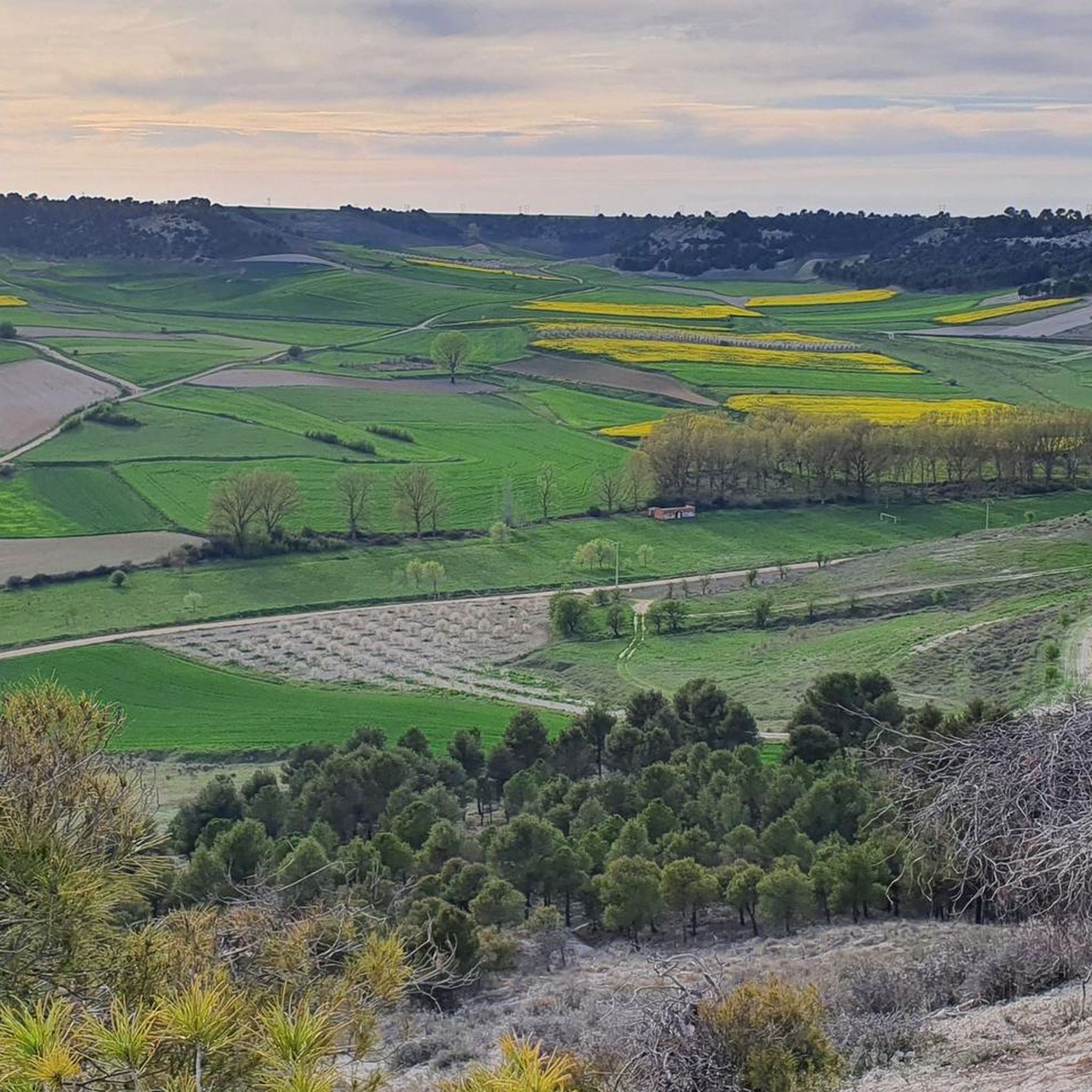
Road cycling around Tordehumos is characterized by its location within the Tierra de Campos region, featuring expansive, gently undulating plains. The terrain primarily consists of well-paved surfaces across a fertile, elevated plateau, making it suitable for various cycling experiences. This area, part of the Meseta Central, offers rides with manageable elevation gains, typically up to 1,000 feet, providing a balance of enjoyment and exercise. The landscape is shaped by traditional dryland farming and compact clay, offering long, open stretches for…
Last updated: May 16, 2026
4
riders
Moderate road ride. Good fitness required. Mostly well-paved surfaces and easy to ride.
3
riders
Easy road ride. Great for any fitness level. Mostly well-paved surfaces and easy to ride.

Sign up for free
2
riders
77.4km
03:08
350m
350m
This moderate 48.1-mile road cycling route from Medina de Rioseco explores the Tierra de Campos, passing Castillo de Montealegre and Monaste
5.0
(1)
2
riders
27.1km
01:07
100m
100m
Easy road ride. Great for any fitness level. Mostly well-paved surfaces and easy to ride.
Easy road ride. Great for any fitness level. Mostly well-paved surfaces and easy to ride.
Our route recommendations are based on thousands of hikes, rides, and runs completed by other people on komoot.
Start today with a free account
Your next adventure awaits.
Login or Signup


Tips from the Community

High on a hill near Urueña stands this Romanesque hermitage of Mozarabic origin, one of the most unique in Castile and León. What few know is that beneath its floor were found Visigothic pottery fragments and a small well used to collect rainwater, considered blessed. Local shepherds said that this water cured eyesight if applied at dawn. Today, the well remains, covered by a slab, and the hermitage continues to hold its air of mystery among the golden stones of the moor.
0
0

The Hermitage of Our Lady of the Annunciation is located in Urueña, in the province of Valladolid and is an outstanding example of Romanesque-Lombard art in Spain. Built in the 12th century by order of the Infanta Sancha Raimúndez, on the site of a previous Mozarabic church. It is the only complete example of Romanesque-Lombard art in Castile and León. The hermitage is located in a small valley a few kilometres from the town of Urueña, offering a magnificent view of the wall that surrounds the town.
4
0
Today, only the outer walls remain, and the various rooms that it may have had in the past have completely disappeared. It was built around the year 1060 by the Castilian monarch Ferdinand I the Great on the remains of an ancient Roman fortification.
5
0
Urueña Castle is an impressive fortress located in the municipality of Urueña, in the province of Valladolid, Spain. This medieval castle dates back to the 11th century and is one of the best preserved in the region. Originally built in the 11th century, the castle has witnessed numerous historical events and has undergone several renovations over the centuries.
7
0

It is worth the visit. It lasts about 50' and they explain it very well. We visit the monastery and the church. Visiting schedule: FRIDAY: 16:00-17:00-18:00. SATURDAYS: Morning: 10:00 11:00-12:00- 13:00 Afternoon: 16:00-17:00- 18:00 SUNDAYS AND HOLIDAYS: Morning: 10:00-11:00-12:00-13:00 Afternoon: 16:00-17:00-18:00 https://lasantaespina.es/oficina-de-turismo/
0
0

Following the Tierra de Campos road, you reach the cultural and natural park, which includes the ruins of the Matallana Monastery. Great place to rest after your hike.
0
0

Historical and spiritual treasure dating from the 12th century. The Cistercian monastery captivates with its mix of Romanesque and Gothic architecture. The monastery is known for being a point of pilgrimage and for its charming natural environment, which invites reflection and tranquility.
1
0
Castromonte stands on the remains of an ancient Roman fortress, hence its name. In the town, the impressive Parochial Church of the Purísima Concepción de Nuestra Señora stands out, built in stone, masonry, mud wall and brick in the 16th century.
1
0
Frequently Asked Questions
What is the typical terrain like for road cycling around Tordehumos?
The Tordehumos region, situated within the Tierra de Campos, offers expansive, gently undulating plains. You'll find mostly well-paved surfaces, ideal for smooth rides. The landscape is characterized by traditional dryland farming and compact clay, providing long, open stretches with manageable, gentle climbs.
What kind of elevation gains can I expect on road cycling routes in Tordehumos?
Road cycling routes around Tordehumos typically feature manageable elevation gains. For easier rides, you can expect up to 1,000 feet (around 300 meters) of ascent. More challenging routes might involve up to 3,000 feet (around 900 meters), offering a good balance for enjoyment and exercise without extreme ascents.
Are there road cycling routes suitable for beginners in Tordehumos?
Yes, there are several easy road cycling routes around Tordehumos. For instance, the Urueña from Monasterio de la Santa Espina – circular by San Cebrián de Mazote is an easy 23.0-mile (37.0 km) trail with gentle undulations. Another easy option is Villabrágima from Medina de Rioseco – circular by río Sequillo, which is 16.9 miles (27.1 km) long with minimal elevation gain.
What natural features can I expect to see while road cycling in the Tordehumos region?
The region is part of the Tierra de Campos, known for its vast, undulating plains and agricultural landscapes. You might encounter significant wetlands, such as the Lagunas de Villafáfila, which are important for birdwatching and offer a scenic contrast. The area is also notable for having the highest concentration of the great bustard in the Iberian Peninsula.
Are there any historical landmarks or points of interest along the road cycling routes?
Yes, several routes pass by historical landmarks. The Tierra de Campos and Montealegre Castle Loop traverses open plains and passes by historical sites. You can also find attractions like the Monastery of La Santa Espina, the Church of Santa Cruz, and the Church of the Immaculate Conception of Castromonte, which are often near cycling paths.
Which road cycling routes offer views of significant landmarks or natural beauty?
The Villagarcía de Campos y Villabrágima desde Monasterio de la Santa Espina – circular por Medina de Rioseco route offers views of the surrounding agricultural landscape. For historical landmarks, the Tierra de Campos and Montealegre Castle Loop is a great choice, passing by notable sites in the open plains.
Is there parking available for cyclists in Tordehumos?
While specific designated cyclist parking areas are not detailed, Tordehumos is a small town, and street parking is generally available. For routes starting from nearby locations like Monasterio de la Santa Espina or Medina de Rioseco, you can typically find parking in or near these villages.
What is the best time of year to go road cycling in Tordehumos?
The best time for road cycling in Tordehumos is generally during spring (April-May) and autumn (September-October). During these seasons, the weather is typically milder and more pleasant, avoiding the intense heat of summer and the colder, potentially wetter conditions of winter. The open plains offer less shade, making cooler temperatures more comfortable for longer rides.
Are there any family-friendly road cycling routes in Tordehumos?
The gently undulating terrain and well-paved surfaces make many routes around Tordehumos suitable for families, especially those with some cycling experience. Easy routes like Villabrágima from Medina de Rioseco – circular by río Sequillo with minimal elevation are good options for a family outing.
What do other road cyclists enjoy the most about road cycling in Tordehumos?
The road cycling routes around Tordehumos are highly rated by the komoot community, with an average score of 5.0 stars. Cyclists often praise the expansive, open plains of the Tierra de Campos, which provide long, smooth stretches for riding, and the unique experience of cycling through a landscape shaped by traditional dryland farming.
Are there any cafes or places to eat along the road cycling routes in Tordehumos?
Tordehumos itself, and the small villages you pass through on routes like Villagarcía de Campos from Monasterio de la Santa Espina – circular via Castromonte and Villabrágima, typically have local cafes or small restaurants where you can stop for refreshments. It's always a good idea to check opening hours, especially in smaller, rural communities.
How many road cycling routes are available around Tordehumos?
There are several road cycling routes available around Tordehumos, offering various distances and difficulty levels. The komoot community has explored over 30 road cycling tours in the area, with options ranging from easy to moderate challenges.
Most popular attractions around Tordehumos

Get inspired with the komoot mobile app


Explore more
Browse the best Road cycling routes in other regions.
