Attractions and Places To See around Fuente Palmera - Top 20
Best attractions and places to see around Fuente Palmera include a variety of sites showcasing its colonial history and cultural heritage. Located in the fertile plains of the Guadalquivir river valley, the area is characterized by olive groves and citrus orchards. This region, founded in 1767, offers both historical landmarks and natural beauty. Visitors can explore its unique past and engage in outdoor activities like hiking and cycling.
Best attractions and places to see around Fuente Palmera
- The most popular…
Last updated: July 6, 2026
Plaza de España (El Salón), Écija
Highlight • Settlement
Translated by Google •
Tip by

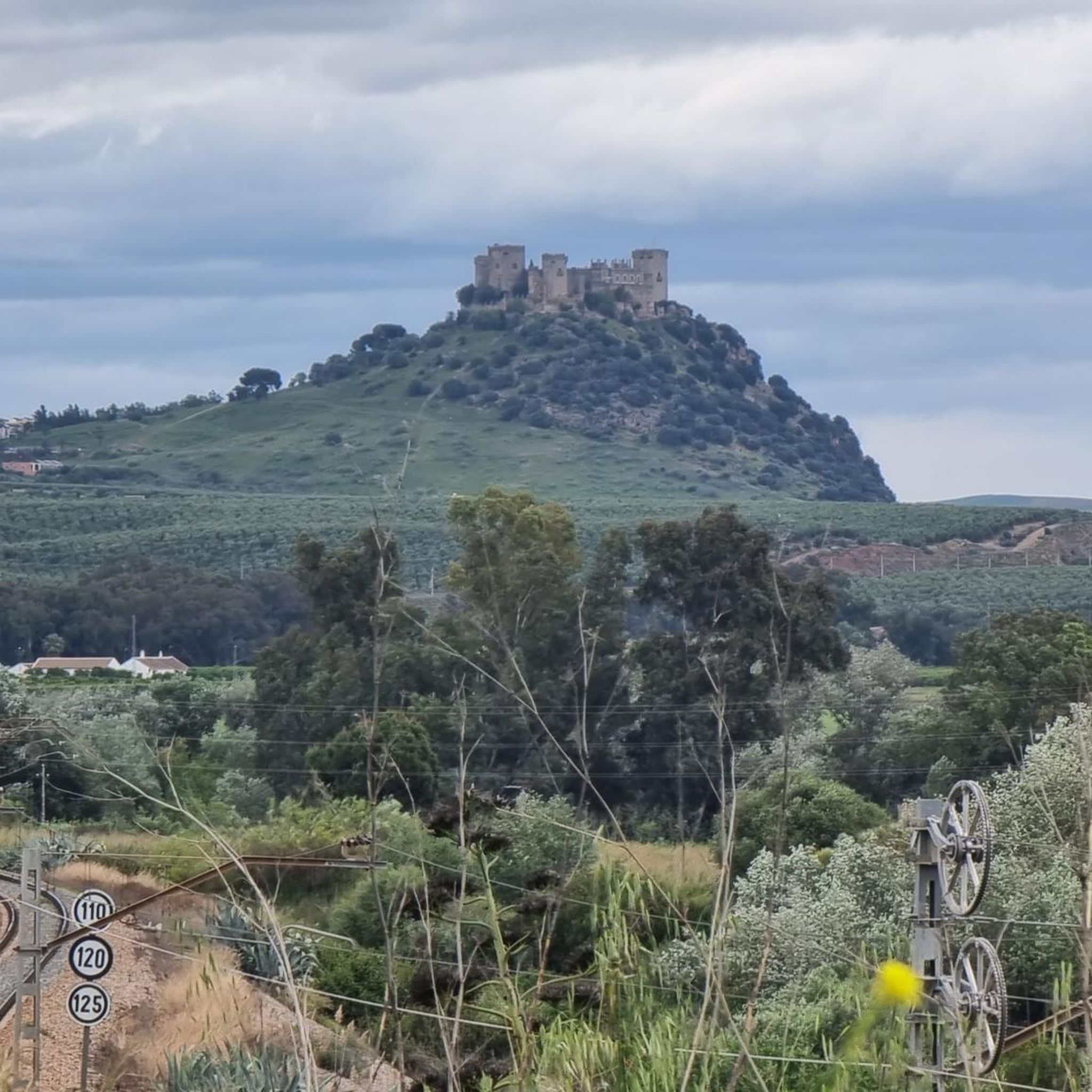
Almodóvar del Río Castle
Highlight • Castle
Translated by Google •
Tip by

Sign up now to discover places like this
Get recommendations on the best single tracks, peaks, & plenty of other exciting outdoor places.
Sign up for free
Parish of Santa María and Santa Bárbara, Écija
Highlight • Religious Site
Translated by Google •
Tip by

Peñaflor Palace
Highlight • Historical Site
Even from the outside, it is one of the most iconic images of the city.
Translated by Google •
Tip by

Hotel Monasterio de San Francisco
Highlight • Historical Site
Translated by Google •
Tip by

Sign up for free to discover even more attractions around Fuente Palmera.
Sign up for free
Already have an account?
Start today with a free account
Your next adventure awaits.
Login or Signup

Tips from the Community

I always enjoy coming here on my road bike when traveling through Andalusia. The hotel is truly beautiful. And now there's even a bike station here.
0
0

The Convento de San Francisco was founded around 1492, during the time of the Catholic Monarchs, when Palma del Río was an important commercial and cultural centre. It was an important place for the Franciscans, who carried out their religious and social activities here. Over the centuries, the monastery underwent various changes and restorations. The monastery church is in the Gothic-Mudejar style, an architectural mix of Christian and Islamic elements. The delicate arches and the elaborate vaulted ceilings are notable. Some of the chapels in the monastery are decorated with impressive frescoes and paintings from the Renaissance and Baroque periods. The monastery is no longer used exclusively for religious purposes.
4
0

Located in the historic center of the city, also known as “El Salón”, it is configured as the most important civic and social center and serves as the main square. Under the direction of the City Council, it has a rectangular plan and a perimeter of more than 400 meters, which corresponds to an area of 0.80 hectares. It is surrounded by a series of civil and religious buildings, and depending on the buildings located there, important streets and some small squares of great architectural and monumental interest meet.
4
0
The old parish church of Santa María belonged to the Gothic-Mudejar type of church. It seems that it was built by D. Pedro Fernández Gragera, a knight in the service of San Fernando in the reconquest of Écija. According to sources, it was completed in 1262. The structure was designed with three naves and a polygonal head, later two side naves were added, so its plan was irregular, with a tower, a patio with orange trees and a cemetery. The building was extensively renovated in the 16th and 17th centuries, with the church being demolished and rebuilt in 1758.
4
0
The Peñaflor Palace, one of the most important sights in Écija Even from the outside, it is one of the most iconic images of the city.
5
0

Great Hotel and Restarant with very cool bike storage and wash station!
0
0

The Convento de San Francisco in Palma del Río is a historic monastery founded in the 15th century. It was originally built on the site of an old hermitage and was later expanded to serve as a hospital and infirmary for Franciscan friars. The monastery has a rich history and is now an important cultural heritage site in the region. The monastery is also known for a fresco depicting Fray Junípero Serra with an orange, a melon, a sandal and a lamb, symbols he brought back to America.
9
0
The monastery was founded in the 16th century and rebuilt in the 17th-18th century. The domes of the side chapels and the transept give the whole volume. Next to the church is the guesthouse.
7
0
Frequently Asked Questions
What historical landmarks can I explore in and around Fuente Palmera?
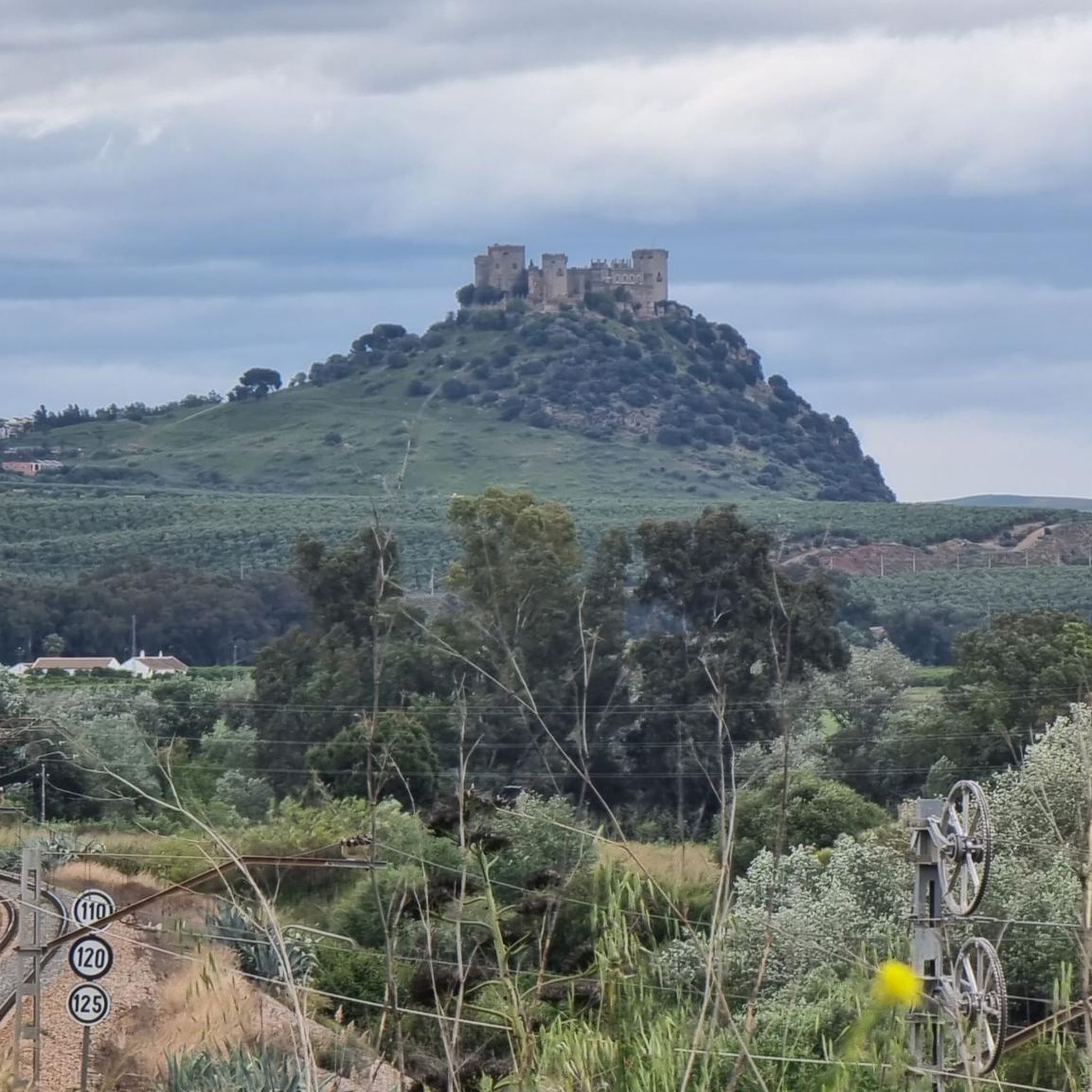
Fuente Palmera is rich in history, stemming from its founding in 1767. You can visit the central Plaza Real, which houses the Ayuntamiento (Town Hall), the Iglesia de la Purísima Concepción, and El Pósito (The Granary), an 18th-century grain warehouse. Another significant site is the Conjunto Histórico Hidráulico Carolino, including the Historic Fountain, which was vital to the town's origins. Nearby, don't miss the impressive Almodóvar del Río Castle, a well-preserved Berber castle from 760 AD, which also served as a filming location for 'Game of Thrones'.
Are there any cultural sites or unique routes to discover Fuente Palmera's heritage?
Absolutely. Beyond the main landmarks, you can explore the Ruta de las Fuentes Carolinas, which highlights historical fountains across the municipality and its hamlets. The Ruta de los Molinos traces a path through various mills and farmhouses, showcasing the area's rural heritage. For art enthusiasts, the Parque del Flamenco is an open-air museum dedicated to the art of flamenco, featuring QR codes to learn about artists and their biographies.
What natural features and outdoor areas can I visit near Fuente Palmera?
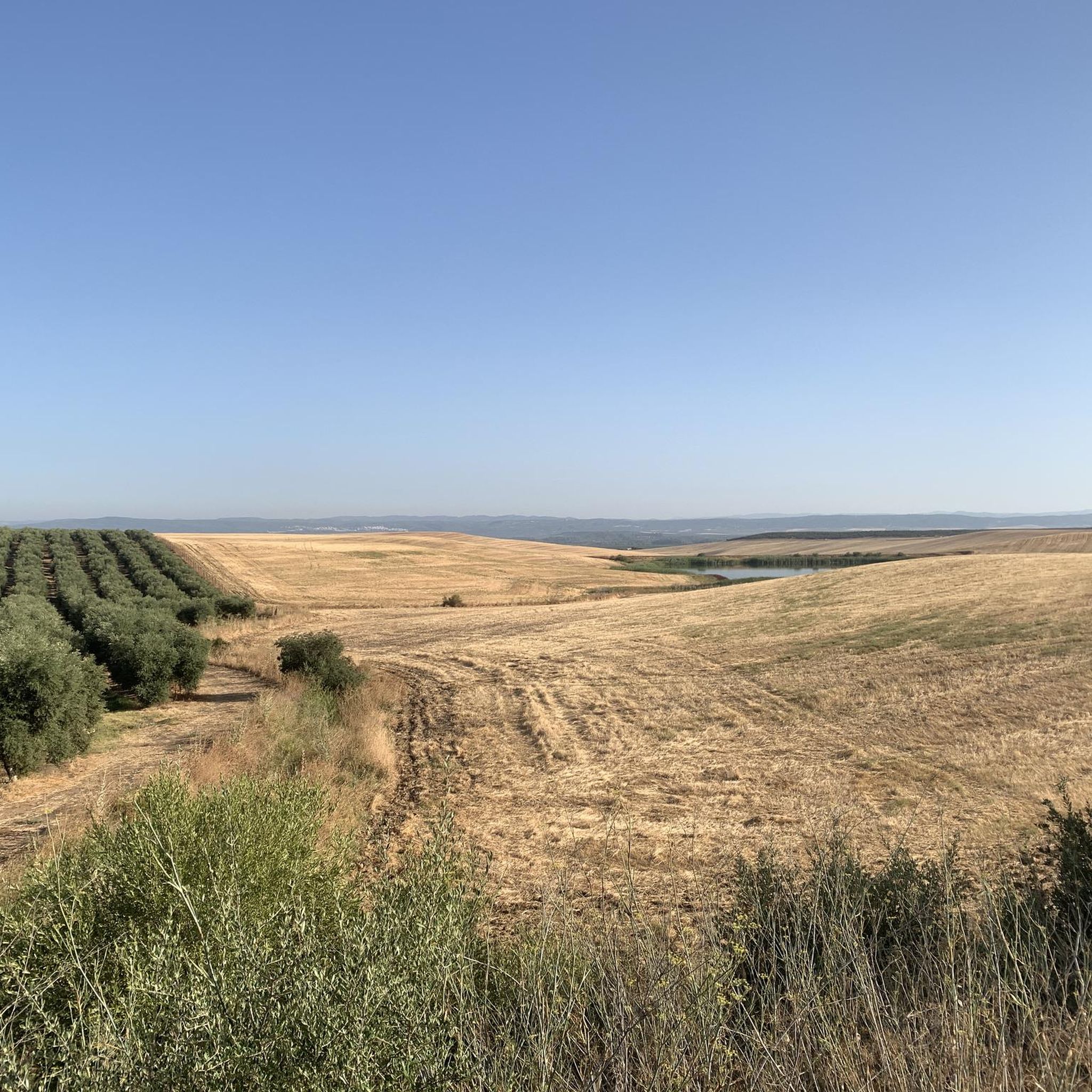
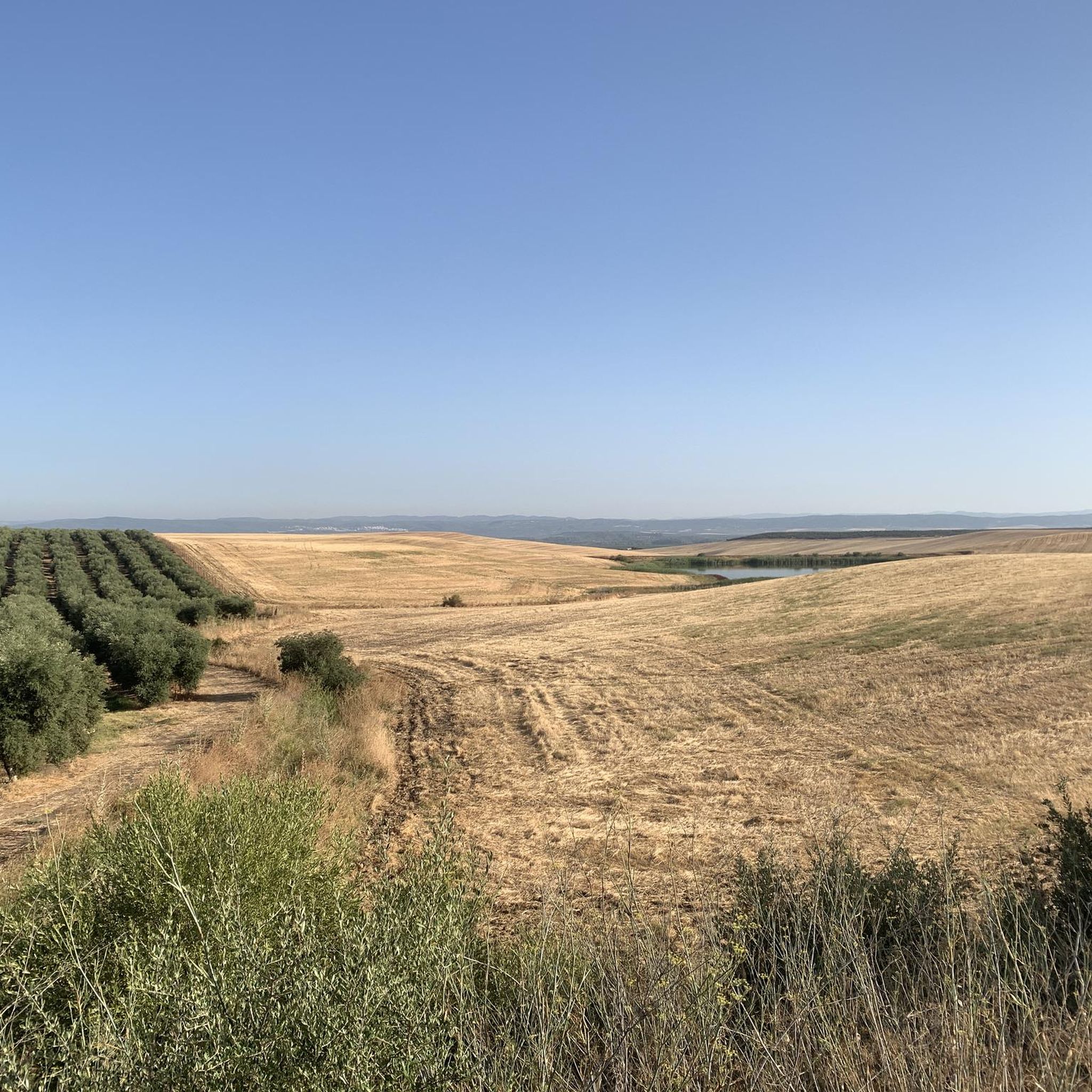
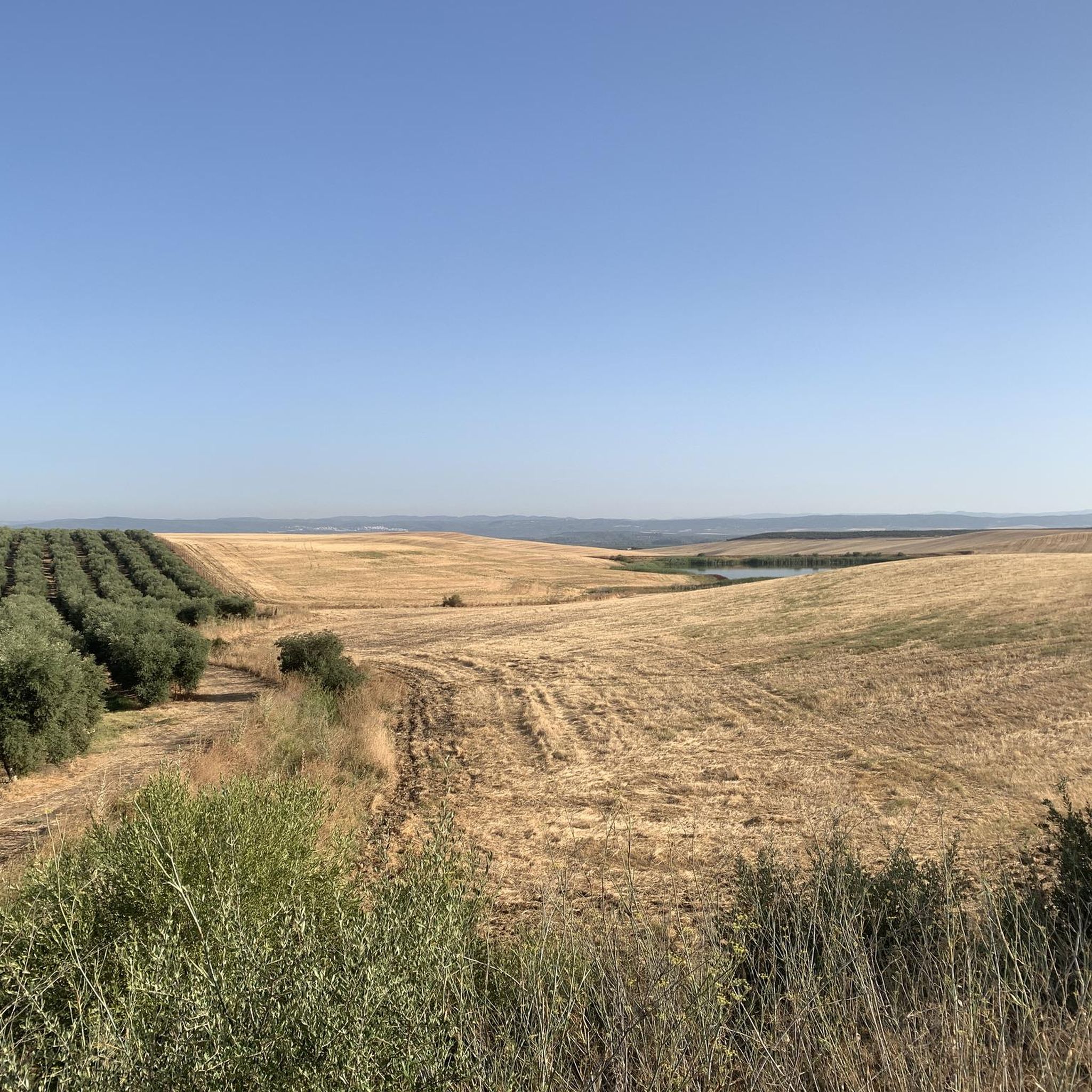
The region offers several natural attractions. The Paraje de Los Arroyones features small mountainous elevations with ancient holm oaks and the Arroyo de los Picachos stream, providing native flora and fauna. Fuente Palmera is also situated in the fertile plains of the Guadalquivir river valley, characterized by extensive olive groves and citrus orchards, offering beautiful countryside views, such as The Écija countryside.
What outdoor activities are available around Fuente Palmera?
The area around Fuente Palmera is ideal for various outdoor activities. You can find numerous routes for hiking, mountain biking, and road cycling. For detailed routes, explore the Road Cycling Routes around Fuente Palmera, MTB Trails around Fuente Palmera, and Running Trails around Fuente Palmera guides.
Are there family-friendly attractions in the Fuente Palmera area?
Yes, several attractions are suitable for families. The Paraje de Los Arroyones offers recreational facilities in a natural setting. The historical routes like the Ruta de las Fuentes Carolinas and Ruta de los Molinos can be engaging for older children. Additionally, the Almodóvar del Río Castle provides an exciting historical experience for all ages, with tours of its walls, towers, and dungeon.
What is the best time of year to visit Fuente Palmera for outdoor activities?
The Mediterranean climate of Fuente Palmera features hot, dry summers and mild, wet winters. Therefore, spring and autumn are ideal for outdoor exploration, hiking, and cycling, as the temperatures are more pleasant.
What is the significance of the Plaza de España in Écija?
The Plaza de España (El Salón), Écija, is considered the main square and the historical, social, and leisure center of Écija. It is surrounded by significant civil and religious buildings and is known for its rectangular plan and historical importance, dating back to at least the 15th century.
How long does it take to visit Almodóvar del Río Castle?
A visit to the Almodóvar del Río Castle typically takes between 1.5 to 2 hours to explore its various areas, including the castle wall, towers, and dungeon. If you wish to avoid crowds, it's recommended to go either when it opens or later in the afternoon, around 6:30 p.m.
Are there any wheelchair-accessible attractions in the area?
Yes, the Plaza de España (El Salón), Écija, is noted as wheelchair accessible, making it a welcoming central point for all visitors to enjoy the historical and social heart of Écija.
What is the historical background of Fuente Palmera?
Fuente Palmera was founded in 1767 during the reign of Carlos III as part of the 'Nuevas Poblaciones' project. This Enlightenment-era initiative aimed to colonize depopulated areas, giving the town a unique colonial history and architectural style, evident in many of its central buildings like the Town Hall and El Pósito.
What kind of routes can I find for mountain biking near Fuente Palmera?
For mountain biking enthusiasts, there are several challenging routes available. Examples include the 'Almodóvar del Río, Pantano la Breña, ''La V'' – ruta circular' and the 'Torre de Guadacabrillas – La Cabrilla Bridge loop from Posadas'. You can find more options and details in the MTB Trails around Fuente Palmera guide.
Where can I find parking when visiting Almodóvar del Río Castle?
There are a few parking spaces available at the top, directly in front of the castle gate. However, the road leading up is winding and can be narrow. If these spaces are full, you can park below the castle and walk up, but remember to factor in a few extra minutes for the climb.
Most popular routes around Fuente Palmera

Get inspired with the komoot mobile app


Explore more
Still not found the Highlight you’re looking for? See guides of the top attractions in other regions:
