Attractions and Places To See around El Guijo - Top 16
Best attractions and places to see around El Guijo, a tranquil rural village in the Pedroches region of Cordoba, Spain, offer a glimpse into traditional Andalusian life. The area is characterized by stone architecture and oak pastures used for livestock farming. Visitors can explore historical sites and natural landscapes that define this peaceful setting.
Best attractions and places to see around El Guijo
- The most popular attractions is Rest Area on Ruta de Valmaestre Alto, a facilities point located…
Last updated: August 23, 2026
Plaza Mayor De la Villa de Dos Torres
Highlight • Historical Site
Translated by Google •
Tip by

Ermita de Piedras Santas
Highlight • Religious Site
Translated by Google •
Tip by

Sign up now to discover places like this
Get recommendations on the best single tracks, peaks, & plenty of other exciting outdoor places.
Sign up for free
Casa de las Tiras of Añora
Highlight • Historical Site
Añora is also famous for its festival of the Cruces de Mayo, when the town is filled with colour and joy.
Translated by Google •
Tip by

Rest Area on Ruta de Valmaestre Alto
Highlight • Rest Area
Translated by Google •
Tip by

Santa Ana Bridge
Highlight • Bridge
Translated by Google •
Tip by
Sign up for free to discover even more attractions around El Guijo.
Sign up for free
Already have an account?
Start today with a free account
Your next adventure awaits.
Login or Signup



Tips from the Community

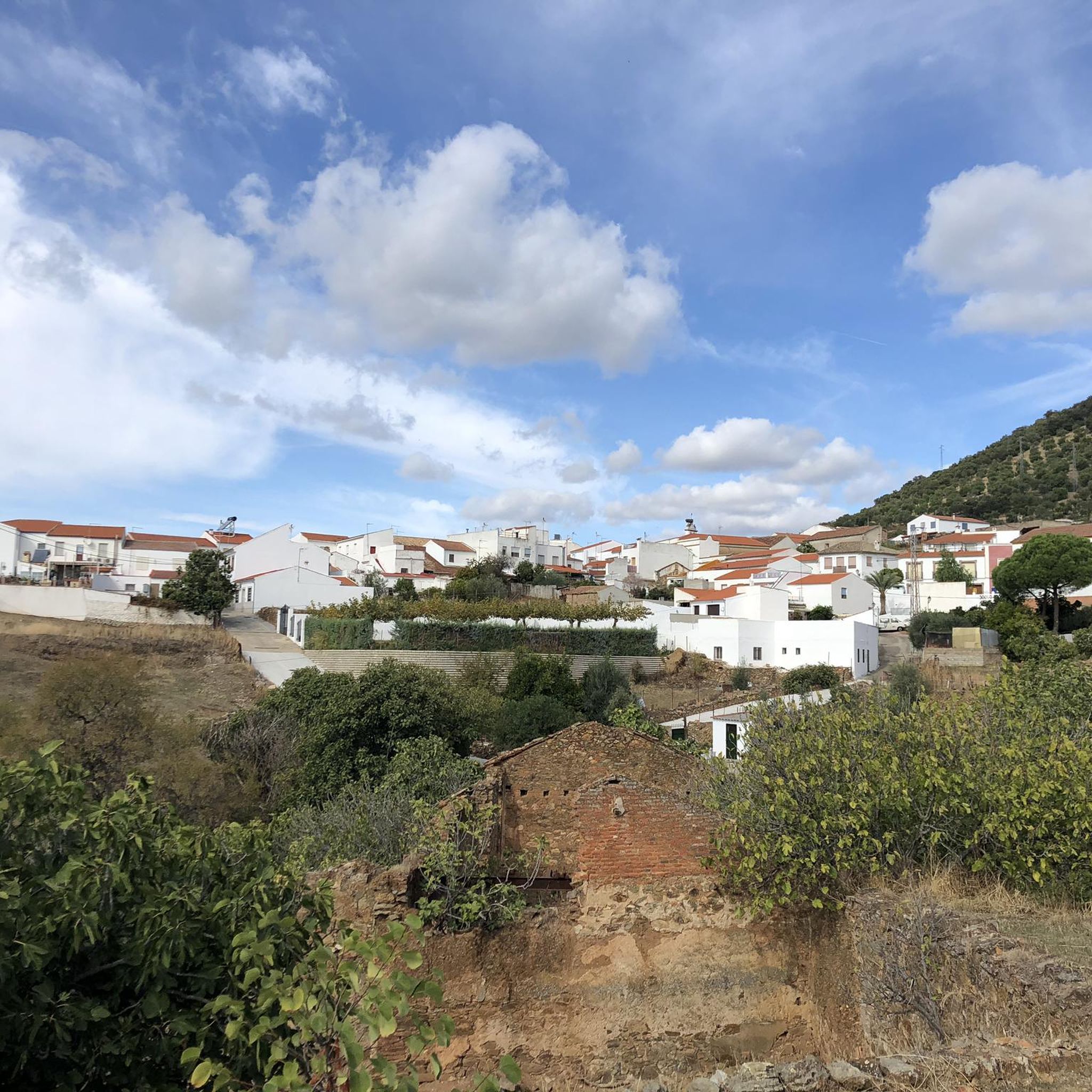
Dos Torres is one of the most charming villages in Los Pedroches. It stands out for: Its traditional architecture of lime, granite, and wrought iron, very well preserved in the historic center. A tranquil, authentic, and rural atmosphere, ideal for getting away from it all. A historical heritage that combines Roman remains, medieval legacy, churches of great artistic value, and unique natural spaces. Its location amidst spectacular meadows makes it perfect for nature lovers. Overall, it is a small village but surprisingly rich in history, tranquility, and architectural beauty.
1
0
Although sometimes referred to as a "medieval bridge," the known and documented historical bridge of Dos Torres is the Santa Ana Bridge, located near the Hermitage of Our Lady of Loreto. It dates from the 16th century, making it a Renaissance-late medieval bridge, but not strictly medieval in the strict sense (classical Middle Ages).
2
0
Añora is a charming municipality in the region of Los Pedroches, in the north of the province of Córdoba. Añora is also famous for its festival of the Cruces de Mayo, when the town is filled with colour and joy.
5
0

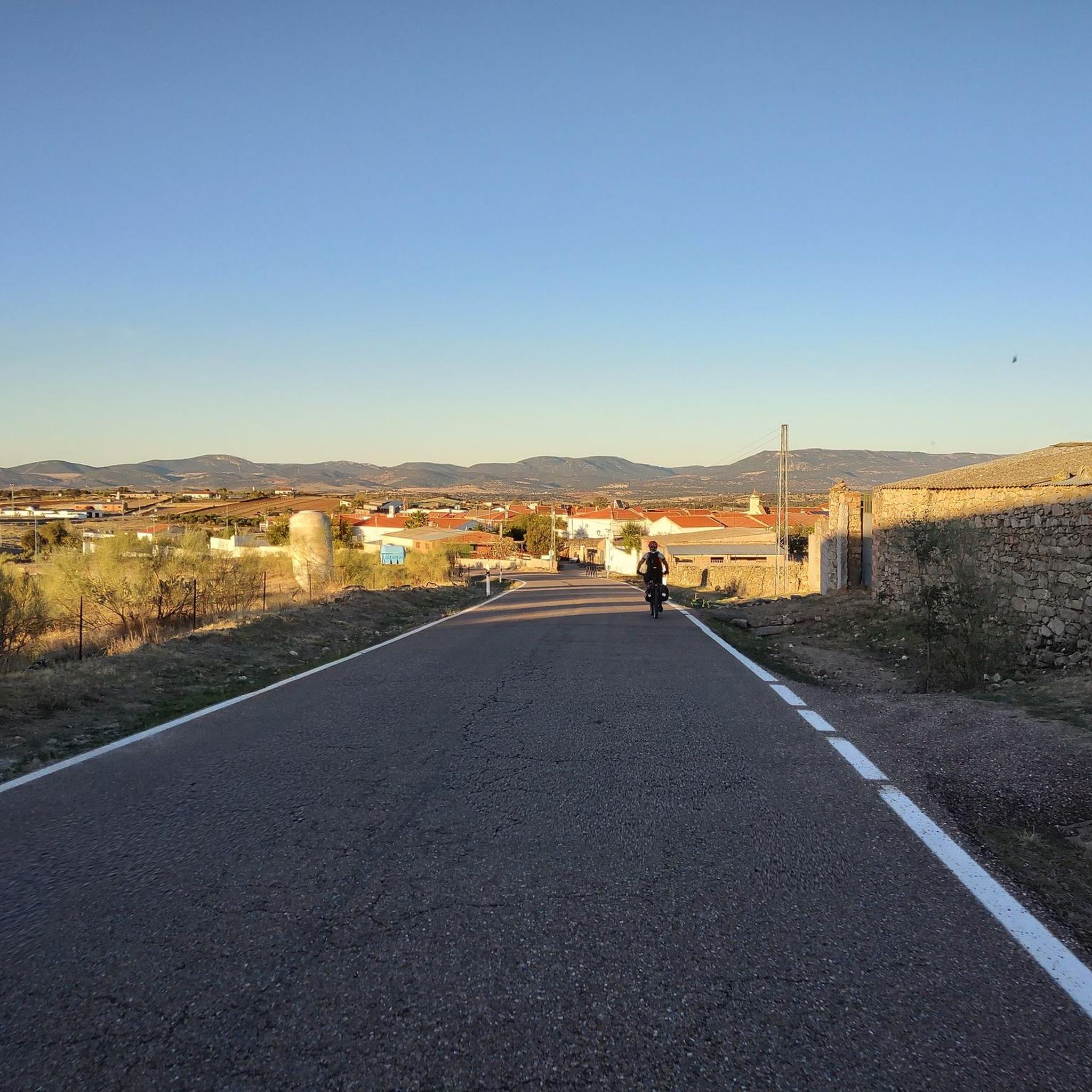
The Pedroches Valley is an enviable environment to explore its millions of tracks on our gravel bikes. The pastures predominate in a Mediterranean forest full of oaks.
0
0
Built in the 16th century, it houses an image of the Virgen de Piedrasantas, patron saint of Pedroche. It is a temple with a single nave covered by a barrel vault with lunettes and transverse arches that rest on Tuscan pilasters and exterior buttresses.
2
0

Hermitage built in the 16th century, with seven benches for the representatives of the seven towns, who met in this place to discuss common affairs. Opposite there is a bar and the Interpretation Center of the Seven Villas of Los Pedroches.
2
0
This town was born on the basis of the union between the two populations: Torrefranca and Toremilano (hence the name of Dos Torres). In the Plaza de Villa there is a small candy store that is open every day. On the outskirts there is a small Hermitage of San Sebastián with a viewpoint next to it.
3
1
The term Añora has its origin in the Arabic word naura, which means waterwheel. According to scholars, the term refers to the waterwheel of an orchard that was in the vicinity of the place currently occupied by the municipality. And it was around the aforementioned orchard where the first inhabitants of the town gathered. In relation to the historical period in which the first residents settled in the place, even though it is not easy to document the exact date, it is believed that it was at the end of the 14th century and the beginning of the 15th.
4
0
Frequently Asked Questions
What historical and cultural sites can I explore in El Guijo?
El Guijo offers a rich history. You can visit the 16th-century Parish Church of Santa Ana, known for its voluminous buttresses and an 18th-century image of the Virgen Dolorosa. Another significant site is the Shrine of the Virgen de las Cruces, also from the 16th century, located in a beautiful natural setting and featuring an early Christian baptismal font. Don't miss the preserved Public Wash Houses, which were once important social hubs, and the Archaeological Site of Majadaiglesia, revealing ancient settlements from prehistoric to Roman times.
Are there any family-friendly attractions in the El Guijo area?
Yes, several attractions are suitable for families. The Plaza Mayor De la Villa de Dos Torres is a historical site with unique arcades that families can enjoy exploring. The Ermita de Piedras Santas is also considered family-friendly, offering a glimpse into local history. Additionally, the Casa de las Tiras of Añora, with its distinctive granite houses, provides an interesting and accessible experience for all ages.
What natural features characterize the landscape around El Guijo?
The region around El Guijo is defined by its traditional Oak Pastures (Dehesas de Encinas), which are vital for local livestock farming and create a scenic backdrop. The Paraje del Soto is another beautiful natural landscape, home to the Shrine of the Virgen de las Cruces and near the Santa María stream. For panoramic views of the town and the surrounding dehesa, visit El Calvario.
Where can I find unique traditional architecture near El Guijo?
The Plaza Mayor De la Villa de Dos Torres is renowned for its singular and monumental main square with characteristic arcades, reflecting a unique regional architectural style. Also, the Casa de las Tiras of Añora is famous for its houses built with granite blocks and white-painted joints, a tradition maintained for centuries.
What outdoor activities can I do near El Guijo?
The area around El Guijo is excellent for outdoor activities. You can enjoy cycling, running, and road cycling. There are numerous routes, such as the 'Santa Ana Bridge – Stone Cross of Añora loop' for cycling, or the 'Circular Route Añora and Dos Torres' for running. You can find more details and routes on the Cycling around El Guijo, Running Trails around El Guijo, and Road Cycling Routes around El Guijo guide pages.
Are there any historical bridges to see in the area?
Yes, the Santa Ana Bridge is a notable 16th-century Renaissance-late medieval bridge. It is located near the Hermitage of Our Lady of Loreto and forms part of a historical complex.
What is the Archaeological Site of Majadaiglesia and what can I learn there?
The Archaeological Site of Majadaiglesia is a significant historical area located near the Shrine of the Virgen de las Cruces. It provides insights into the region's ancient past, with evidence of human settlements dating back to prehistoric times. Excavations have uncovered Celtiberian ceramics, Roman-era hydraulic infrastructure, and even Bronze Age artifacts, highlighting its long history as a border between the Guadiana and Guadalquivir basins.
What is the best way to experience the oak pastures around El Guijo?
The oak pastures (dehesas) are best experienced through countryside walks. Two main routes in the vicinity are the Ruta del Arroyo Santa María and the Ruta del Despeñadero, which allow you to immerse yourself in this characteristic landscape. The Rest Area on Ruta de Valmaestre Alto is also a good starting point for exploring the Mediterranean forest with oaks, particularly on gravel bikes.
What makes the Ermita de Piedras Santas unique?
The Ermita de Piedras Santas, built in the 16th century, is unique for housing an image of the Virgen de Piedrasantas, patron saint of Pedroche. Historically, it featured seven wooden benches, one for each of the seven Pedroches villas, where their representatives would meet to discuss common issues. There's also a bar opposite where you can try local dishes like migas.
Is El Guijo a good destination for tranquility and a slower pace of life?
Absolutely. El Guijo is described as a tranquil rural village, embodying the quiet identity of a traditional Pedroches village. Its peaceful atmosphere, historical sites, and natural landscapes offer a perfect escape for those seeking a slower pace and a glimpse into traditional Andalusian life.
What local culinary delights should I try in El Guijo?
While exploring El Guijo, be sure to sample the local gastronomy, which is known for dishes derived from pork. A traditional sweet treat to look out for is *piñonate*, made from sweet dough mixed with honey.

Get inspired with the komoot mobile app


Explore more
Still not found the Highlight you’re looking for? See guides of the top attractions in other regions:
