The best road cycling routes around Paredes De Nava
14
riders
5
rides
Road cycling routes around Paredes de Nava are primarily characterized by the expansive, flat plains of the Tierra de Campos region in Palencia. This landscape offers long-distance rides on paved, less-traveled roads, ideal for endurance cycling. While predominantly flat, some elevated zones within the municipal district provide slight inclines and distant views, including the Cantabrian mountain range. The area also features holm oak groves and is part of a Special Protection Area for Birds, adding natural diversity to the routes.
…Last updated: May 16, 2026
8
riders
46.0km
01:38
200m
200m
Easy road ride. Great for any fitness level. Mostly well-paved surfaces and easy to ride.
4
riders
Moderate road ride. Good fitness required. Mostly well-paved surfaces and easy to ride.

Sign up for free
Easy road ride. Great for any fitness level. Mostly well-paved surfaces and easy to ride.
Moderate road ride. Good fitness required. Mostly well-paved surfaces and easy to ride.
2
riders
49.0km
02:09
200m
200m
Moderate road ride. Good fitness required. Some segments of this route may be unpaved and difficult to ride.
Our route recommendations are based on thousands of hikes, rides, and runs completed by other people on komoot.
Start today with a free account
Your next adventure awaits.
Login or Signup
Popular around Paredes De Nava
Tips from the Community

The Church of Santa María de las Victorias y del Camino, also known as Santa María del Camino, is one of the oldest and most emblematic churches in Carrión de los Condes, in the province of Palencia. It was built in the mid-12th century, during the reign of Alfonso VII. It is dedicated to the Virgen de las Victorias, also known as the Virgen del Camino, patron saint of the town.
2
0

olvjkkkkllpjokolkppvolllklovkkkkhlhkjlpo
0
0

It is located at the exit of Carrion de Los Condes in the direction of Terradillos de Los Templarios
2
1
Santa Maria la Blanca is a temple-fortress of Templar origin dating back to the 12th century.
3
1

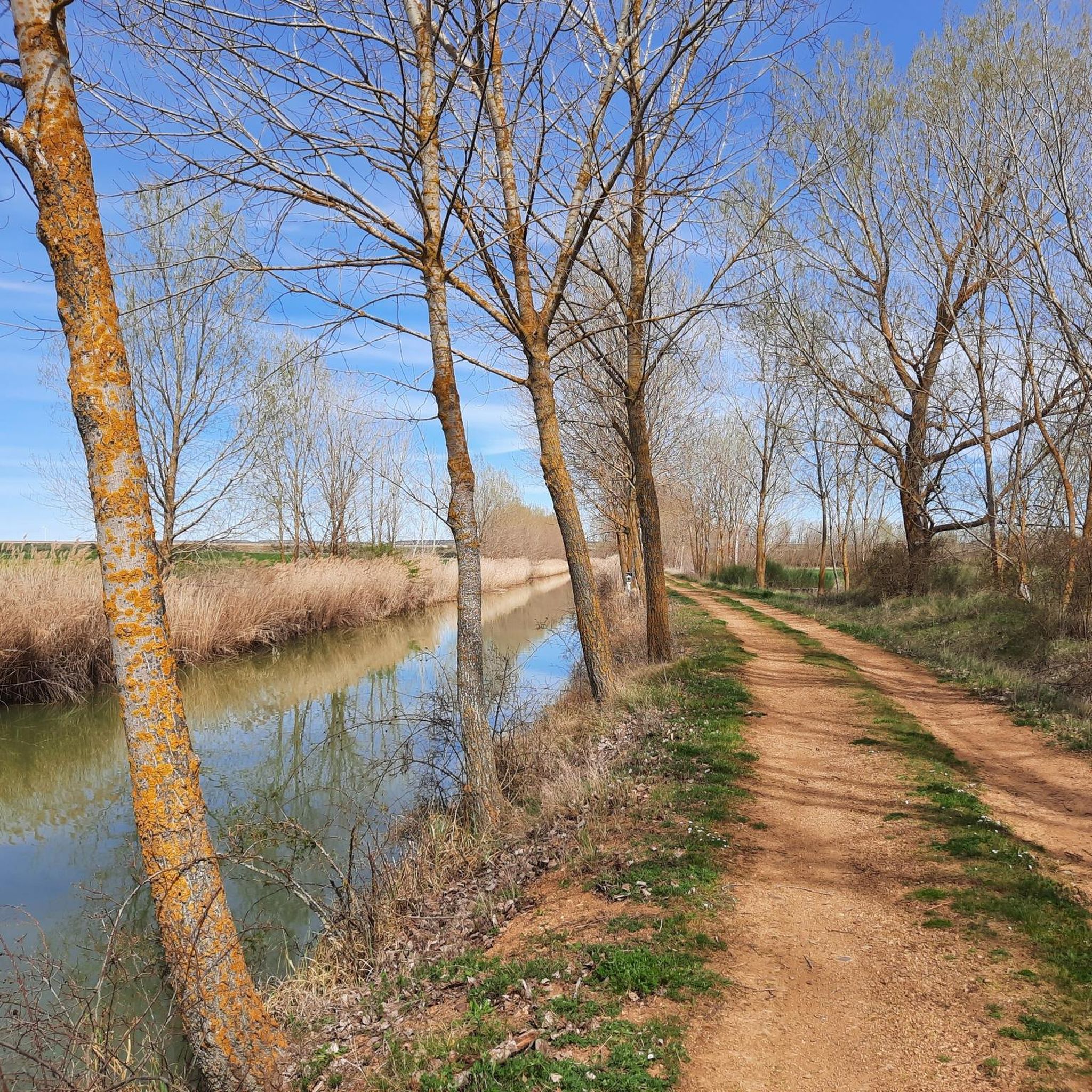
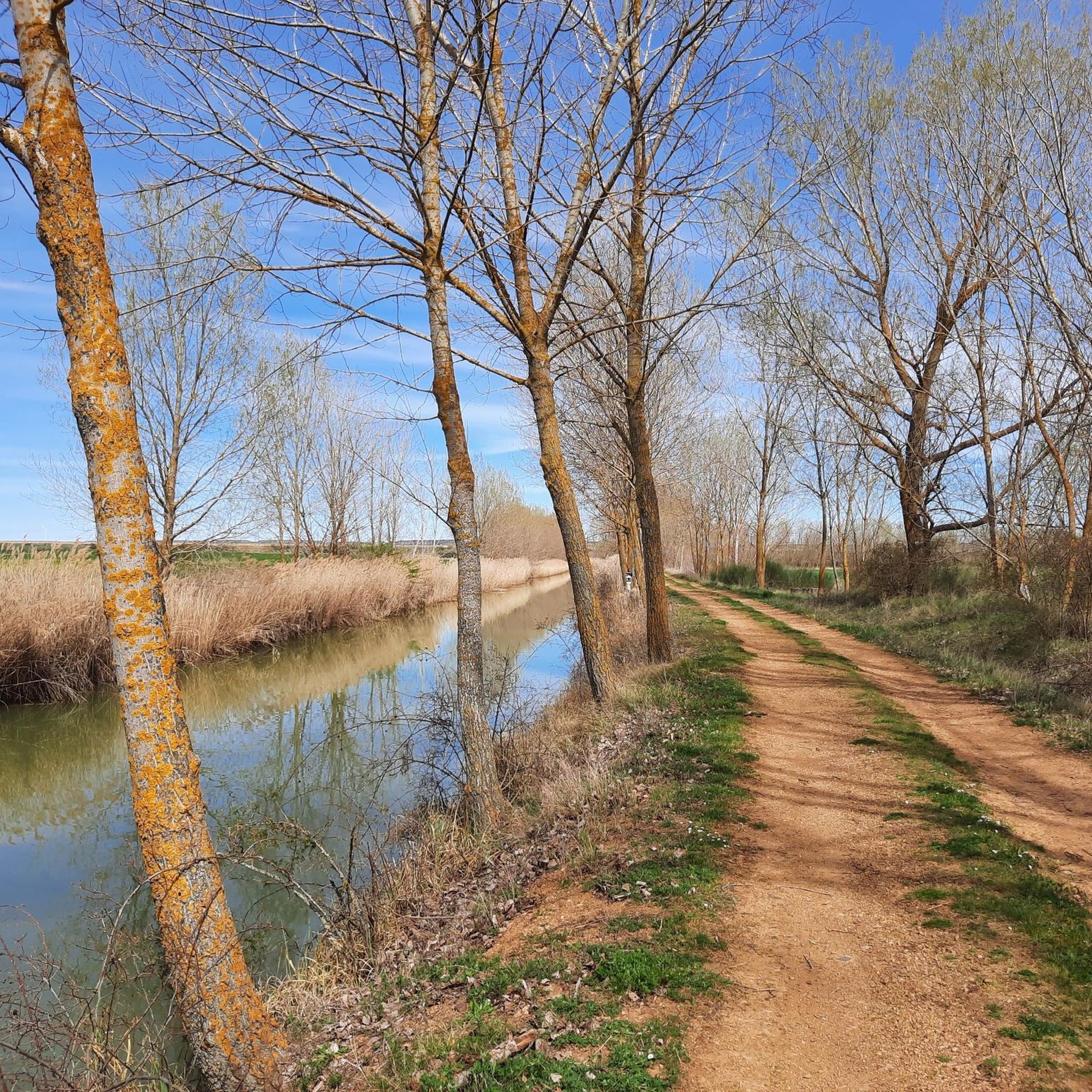
Nice route along the river bank is gravel
3
0

The landscape on the Camino Francés between Villalcázar de Sirga and Carrión de los Condes is beautiful and diverse. You cycle through open fields and small, picturesque villages such as Calzadilla de la Cueza. The route offers beautiful views of the Pisuerga river and the surrounding hills. It is a quiet and serene environment on your Camino.
2
0
The Iglesia de Santa María la Blanca in Villalcázar de Sirga is an important stop on the Camino de Santiago. The church was built at the end of the 12th century, during the transition from Romanesque to Gothic style, and was completed in the 14th century. It is a temple-fortress with a beautiful portal from the 13th century, decorated with an impressive sculptural ensemble. Inside you will find a collection of polychrome tombs from the 13th and 14th centuries, a Gothic altarpiece from the 15th and 16th centuries, and a beautiful image of the Virgen del Rosario. The church is linked to the Order of the Temple and has played an important role as a religious site on the Camino de Santiago.
3
1

The church was built in a transitional style from Romanesque to Gothic. The southern double portal with sculptures of Christ Pantocrator, Tetramorphs and Apostles is particularly noteworthy. The Chapel of St. James, dating from the early 14th century, is also very interesting, as it contains the sarcophagi of Infante Felipe and his wife Leonor Ruíz de Castro. This church also contains the White Virgin 'Virgen Blanca', who was sung about by Alfonso X the Wise in his 'Cantigas' (religious songs). She represented one of the most important religious sites on the Way of St. James.
3
0
Frequently Asked Questions
What is the typical terrain like for road cycling around Paredes de Nava?
The region is primarily characterized by the vast, flat plains of the Tierra de Campos, offering extensive networks of paved, less-traveled roads. This landscape is ideal for long-distance rides without significant climbs, providing a sense of open freedom. While mostly flat, some elevated zones within the municipal district reach up to 892 meters, offering slight inclines and panoramic views, including the distant Cantabrian mountain range.
Are there road cycling routes suitable for different skill levels?
Yes, the area offers routes for various abilities. You can find easy routes like the Palencia and the Castles of Tierra de Campos Loop, which is 28.6 miles (46.0 km) long, or more moderate options such as the Paredes de Nava from Villada – circular via the Puente de San Juan de Becerril, spanning 55.9 miles (89.9 km).
What natural features can I expect to see while road cycling in the area?
Cyclists will experience the expansive 'ocean of cereal' landscape of the Tierra de Campos. Elevated zones feature holm oak groves, adding natural diversity, and offer distant views of the Cantabrian mountain range. The region is also part of a Special Protection Area for Birds, providing opportunities for nature observation.
Are there any historical or cultural landmarks along the road cycling routes?
Yes, Paredes de Nava is integrated into cultural routes like the 'Campos del Renacimiento' and 'Cyclope Palencia Road' initiatives. These routes utilize the province's road network to connect with rich history and artistic heritage. You might encounter historical engineering marvels like the Calahorra de Ribas Locks or the Triple Lock of Calahorra de Ribas (Canal de Castilla), and the historic Puente del Gallo.
Are there circular road cycling routes available around Paredes de Nava?
Yes, several circular routes are popular in the area. An example is the Paredes de Nava from Villada – circular via the Puente de San Juan de Becerril, which explores the open plains. Another option is the Villafolfo from Carrión de los Condes — circular of the río Carrión.
What is the best time of year for road cycling in Paredes de Nava?
Given the open plains, spring and autumn generally offer the most pleasant conditions for road cycling, with milder temperatures and less extreme weather. Summers can be hot, and winters can be cold, though the flat terrain makes it accessible for cycling year-round with appropriate gear.
Is the Canal de Castilla suitable for road bikes?
While the historic Canal de Castilla is a significant attraction, its towpaths are often unpaved. Some sections may have compact gravel, but others can be muddy, making them generally more suitable for gravel or mountain bikes rather than traditional road bikes.
What do other road cyclists enjoy most about road cycling in Paredes de Nava?
The area is highly rated by the komoot community. Cyclists often praise the expansive, flat, and quiet paved roads across the Tierra de Campos, which are perfect for long-distance and less strenuous rides. The blend of open plains, distant mountain views, and cultural landmarks also contributes to a compelling cycling experience.
Are there any easy road cycling routes for beginners?
Yes, beginners can enjoy routes like the Palencia and the Castles of Tierra de Campos Loop, which is an easy 28.6 miles (46.0 km) trail, or the Villafolfo from Carrión de los Condes — circular of the río Carrión, a 16.8 miles (27.1 km) trail.
Can I find long-distance road cycling routes in Paredes de Nava?
Absolutely. The flat plains of Tierra de Campos are ideal for long-distance cycling. Routes like the Paredes de Nava from Villada – circular via the Puente de San Juan de Becerril, at 55.9 miles (89.9 km), or Supplies from Carrión de los Condes – circular through Paredes de Nava and Becerril de Campos, at 48.8 miles (78.5 km), offer extensive rides.
Are there any challenging road cycling routes with significant elevation?
While the region is predominantly flat, some routes incorporate slight inclines in elevated zones, offering more varied topography. However, the area is not known for significant mountain climbs. The challenge typically comes from the distance covered on the open plains rather than steep ascents.
Are there opportunities for birdwatching while cycling?
Yes, part of Paredes de Nava's municipal territory is integrated into the Natura 2000 network as a Special Protection Area for Birds. This designation highlights the ecological value of the region and offers opportunities for birdwatching and enjoying local wildlife while cycling.
Most popular routes around Paredes De Nava
Most popular attractions around Paredes De Nava

Get inspired with the komoot mobile app


Explore more
Browse the best Road cycling routes in other regions.
